Silky Malai Kofta (The Restaurant Secret You're Missing)
Soft potato-paneer dumplings in a luxurious tomato-cashew cream sauce — the kind of vegetarian comfort food that makes carnivores forget what they were even arguing about. We broke down the technique behind restaurant-quality malai kofta so you can nail the texture, the sauce, and the balance every single time.

“Malai kofta fails in predictable ways. The dumplings either fall apart in the oil, turn rubbery in the sauce, or the sauce breaks into an oily mess the moment it hits heat. Every single one of these failures is preventable. The fix is almost never the ingredients — it's the order of operations and the temperature management. Get those right and you're making the best vegetarian dish in your rotation.”
Why This Recipe Works
Malai kofta sits in a specific culinary category that Indian restaurants handle effortlessly and home cooks consistently botch: the enriched dairy sauce. It looks simple — fried dumplings in cream curry — but it's actually a precision exercise in temperature management, texture balance, and fat emulsification. Every step has a consequence that shows up three steps later.
The Kofta Is a Structural Problem
The dumplings are made from two ingredients with opposing properties. Potato is starchy and moist. Paneer is dense and dry. Getting them to behave as a cohesive unit that can survive hot oil and then a gentle braise requires understanding what each one is doing.
The potato provides bulk and binding through its natural starch. But starch is also the enemy — overwork the mixture and the potato starch activates, turning the dumplings from light and yielding to gummy and dense. The instruction to fold, not knead, is not a stylistic preference. It's load-bearing.
The paneer provides structure and protein. It doesn't melt under heat the way mozzarella does, which is exactly why it's used here. Crumbled finely, it creates a network of firm protein throughout the kofta that prevents the dumpling from collapsing into the sauce.
Ground cashews are the third structural element that most home recipes underemphasize. They add fat, which keeps the kofta tender, and a fine grained solidity that binds everything together more effectively than breadcrumbs alone. Don't swap them out.
Why Temperature Is Everything in This Sauce
The sauce follows a three-phase construction, and the transitions between phases are where most failures occur.
Phase one: build the flavor base. Onions, ginger-garlic paste, and whole spices toasted in ghee in a heavy-bottomed skillet. Nothing subtle here — this is the same Maillard foundation that anchors every serious Indian sauce.
Phase two: cook out the tomatoes. Raw tomato puree has a bright, aggressive acidity that reads as unfinished. Simmering it for 5-6 minutes uncovered drives off volatile acids, concentrates the sugars, and deepens the color from bright red to a darker rust. The visual cue is the color change. The aroma cue is the disappearance of that sharp, vegetal tomato smell. Both need to happen before you move to phase three.
Phase three: the dairy emulsification. This is the step that defines the dish and where most sauces break. Greek yogurt and cream are oil-in-water emulsions stabilized by protein. When those proteins hit high heat, they denature and coagulate — the fat separates from the water and you get curdled sauce. The solution is simple and absolute: take the pan completely off the heat before the dairy goes in, whisk slowly, and only return to low heat once everything is smooth. There is no shortcut.
The Logic of the Simmer
Eight to ten minutes in sauce sounds like it's braising the koftas, but it isn't. It's a controlled rehydration. The fried exterior of each kofta acts as a semipermeable barrier — it absorbs some sauce, which seasons the interior and softens the crust to exactly the right yielding texture. Too short and the kofta is dry at the center. Too long and the barrier breaks down entirely and you have disintegrating dumplings.
The heat level during this phase cannot be negotiated upward. A rolling simmer physically breaks the koftas along their fault lines. The sauce gets in and the whole dumpling starts to dissolve. Low heat, gentle spooning, no stirring. This is a dish that rewards patience at every single stage.
The sweetener — sugar or honey — is not optional decoration. It balances the residual acidity from the tomatoes and the tang from the yogurt. Without it, the sauce reads as flat and slightly harsh. A tablespoon is not enough to make the dish sweet. It's enough to make it complete.
Where Beginners Mess This Up
Before we start, read this. These are the 4 reasons your silky malai kofta (the restaurant secret you're missing) will fail:
- 1
Overworking the kofta mixture: Mashing the potatoes into a completely smooth paste and then aggressively kneading in the paneer develops starch and activates gluten from the breadcrumbs. The result: dense, chewy dumplings that taste like vegetable erasers. Mash until mostly smooth, fold — don't knead — and stop the moment everything is combined.
- 2
Frying koftas in oil that isn't hot enough: Cold or medium oil causes the koftas to absorb fat before they can form a crust. They go from the pan directly into your sauce as grease-logged spheres. The oil needs to be shimmering and hot — a breadcrumb dropped in should sizzle immediately. Crust first, cook through second.
- 3
Adding yogurt or cream to a screaming-hot pan: Dairy proteins coagulate and seize at high heat. Pouring cream or yogurt into a sauce that's still at a full boil gives you curdled cottage cheese floating in tomato water. Always pull the pan off heat first, whisk the dairy in slowly, then return to low heat.
- 4
Simmering the koftas too aggressively: Malai kofta are delicate. A hard simmer physically breaks them apart — the sauce gets into cracks and the whole thing disintegrates. Nestle them in and keep the heat at the lowest setting that still shows movement in the sauce.
The Video Reference Library
Want to see it in action? Here are the exact videos we analyzed and combined to build this foolproof recipe translation:
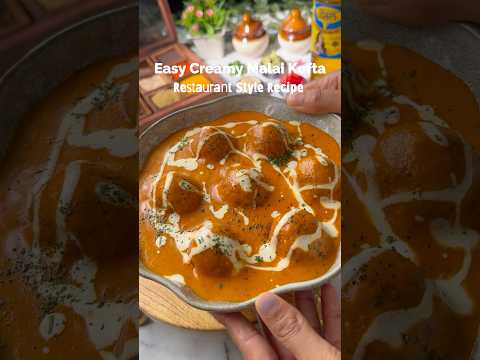
Clear technique walkthrough covering the kofta shaping method and the exact moment to add dairy to the sauce. Watch closely at the sauce stage — the color change after the tomato cooks down is the visual cue most home cooks miss.
2. Malai Kofta Full Method
Covers the fried versus baked kofta debate and why the sauce emulsification technique matters more than either choice. Good close-ups of sauce consistency.
3. Vegetarian Indian Comfort Food EssentialsBroader context on the malai kofta family of dishes and how this technique translates to other cream-sauce curries. Useful for understanding the architecture behind the recipe.
🛠️ Core Equipment
- Large heavy-bottomed skillet ↗Even heat distribution is critical for both frying the koftas without burning and simmering the sauce without scorching. A thin pan creates hotspots that brown the dairy and ruin the sauce color.
- Blender or immersion blender ↗The tomato sauce needs to be completely smooth before the dairy goes in. Chunky tomato sauce creates an uneven texture and causes the cream to pool rather than integrate.
- Potato ricer or fine masher ↗Produces a light, airy mash without developing excess starch. A food processor will overwork the potato and produce a gluey kofta. Manual tools only here.
- Slotted spoon or spider strainer ↗For removing fried koftas from the oil cleanly and draining immediately. Every extra second in the oil is fat absorption you don't want.
Silky Malai Kofta (The Restaurant Secret You're Missing)
🛒 Ingredients
- ✦2 large russet potatoes, peeled and boiled
- ✦1 cup paneer cheese, finely crumbled
- ✦1/4 cup fresh breadcrumbs
- ✦1/4 cup roasted cashews, finely ground
- ✦2 tablespoons fresh cilantro, chopped
- ✦1 green chili, minced
- ✦2 tablespoons vegetable oil for frying koftas
- ✦3 tablespoons ghee or vegetable oil for sauce
- ✦1 medium yellow onion, finely diced
- ✦4 large tomatoes, blended into puree
- ✦1/4 cup Greek yogurt
- ✦1/4 cup heavy cream or coconut milk
- ✦1 tablespoon ginger-garlic paste
- ✦1 teaspoon ground cumin
- ✦1 teaspoon ground coriander
- ✦1/2 teaspoon Kashmiri chili powder
- ✦1/4 teaspoon ground cardamom
- ✦1/4 teaspoon freshly ground black pepper
- ✦1 teaspoon salt, divided
- ✦1/2 cup water
- ✦1 tablespoon sugar or honey
- ✦Fresh basil or mint leaves for garnish
👨🍳 Instructions
01Step 1
Mash the boiled potatoes in a large bowl until mostly smooth, leaving some small chunks for texture.
02Step 2
Fold the crumbled paneer, breadcrumbs, ground cashews, cilantro, and minced green chili into the mashed potatoes with 1/2 teaspoon salt until just combined.
03Step 3
Shape the mixture into 12-14 oval koftas, handling gently and avoiding overworking the mixture.
04Step 4
Heat vegetable oil in a large skillet over medium-high heat until shimmering. Fry the koftas in batches for 2-3 minutes per side until lightly golden.
05Step 5
Transfer fried koftas to a paper towel-lined plate and set aside.
06Step 6
Warm ghee in the same skillet over medium heat. Add the diced onion and sauté for 4-5 minutes until soft and translucent.
07Step 7
Stir in the ginger-garlic paste and cook for 1 minute until fragrant.
08Step 8
Add cumin, coriander, Kashmiri chili powder, and cardamom. Stir constantly for 30 seconds to toast the spices in the fat.
09Step 9
Pour in the tomato puree. Simmer uncovered for 5-6 minutes, stirring frequently, until the raw tomato smell disappears and the sauce deepens in color.
10Step 10
Remove the pan from heat. Whisk in the Greek yogurt and cream slowly, stirring until completely smooth.
11Step 11
Return the skillet to medium-low heat. Pour in the water and stir gently to thin the sauce to a silky consistency.
12Step 12
Carefully nestle the koftas into the sauce. Add sugar, remaining salt, and black pepper.
13Step 13
Simmer gently for 8-10 minutes on the lowest heat, spooning sauce over the koftas occasionally, until heated through and the sauce coats a spoon.
14Step 14
Taste and adjust with salt, chili powder, or sugar as needed. Serve hot, garnished with fresh mint or basil and an optional cream drizzle.
Nutrition Per Serving
Estimates based on standard preparation. Adjustments alter macros.
🔄 Substitutions
Instead of Heavy cream...
Use Greek yogurt or cashew cream
Greek yogurt adds a slight tang and works well if tempered properly off heat. Cashew cream (soaked cashews blended with water) is fully dairy-free and adds its own richness.
Instead of Ghee...
Use Coconut oil or olive oil
Loses the nutty dairy depth but still provides good browning. Coconut oil adds a faint sweetness that complements the tomato base.
Instead of Paneer...
Use Firm crumbled tofu or cashew-based cheese
Tofu must be pressed dry before crumbling or it introduces too much moisture and the koftas won't bind. Handle even more gently during frying.
Instead of Breadcrumbs...
Use Ground almonds or oat flour
Ground almonds add nuttiness and work particularly well alongside the cashews already in the recipe. Oat flour is neutral and binds similarly.
🧊 Storage & Reheating
In the Fridge
Store sauce and koftas separately in airtight containers for up to 3 days. Adding koftas to stored sauce causes them to absorb liquid and soften significantly.
In the Freezer
Freeze the sauce alone for up to 2 months. The koftas do not freeze well — their texture deteriorates. Make fresh koftas when reheating.
Reheating Rules
Reheat sauce gently on low heat. Add freshly fried or warmed koftas just before serving. Microwave reheating works for the sauce but tends to toughen the koftas.
❓ Frequently Asked Questions
Why do my koftas fall apart when frying?
Two likely causes: the mixture is too wet from undercooked potatoes that retained moisture, or the oil wasn't hot enough to form a crust before the kofta had time to absorb fat and soften. Boil potatoes until completely tender, then drain thoroughly and let steam dry for 5 minutes before mashing.
Can I bake the koftas instead of frying?
Yes — brush with oil and bake at 400°F for 20-25 minutes, flipping halfway. The exterior won't be as defined and the texture is slightly denser, but it works. The key advantage of frying is the rapid crust formation that holds the dumpling together in the sauce.
My sauce looks curdled. Can I fix it?
Sometimes. If it's lightly curdled, remove from heat immediately and whisk vigorously. If the separation is significant, blend the sauce with an immersion blender — the mechanical action can re-emulsify it. Prevention is easier: always add dairy off heat.
Can I make this vegan?
Yes. Replace paneer with firm pressed tofu, use cashew cream instead of dairy cream and yogurt, and substitute coconut oil for ghee. The koftas will be more delicate — handle carefully and consider chilling longer before frying.
What's the difference between malai kofta and regular kofta curry?
Traditional kofta curry is spicier, tomato-forward, and often made with meat. Malai kofta is specifically vegetarian, and the 'malai' (cream) refers to the enriched, dairy-heavy sauce that defines the dish. The dumplings also contain cashews and paneer, making them richer than standard meat koftas.
How do I keep the koftas from getting soggy in the sauce?
Add them to the sauce as late as possible — just before serving is ideal. The simmer time of 8-10 minutes is to heat them through, not to braise them. The longer they sit in sauce, the more they absorb liquid and lose structural integrity.
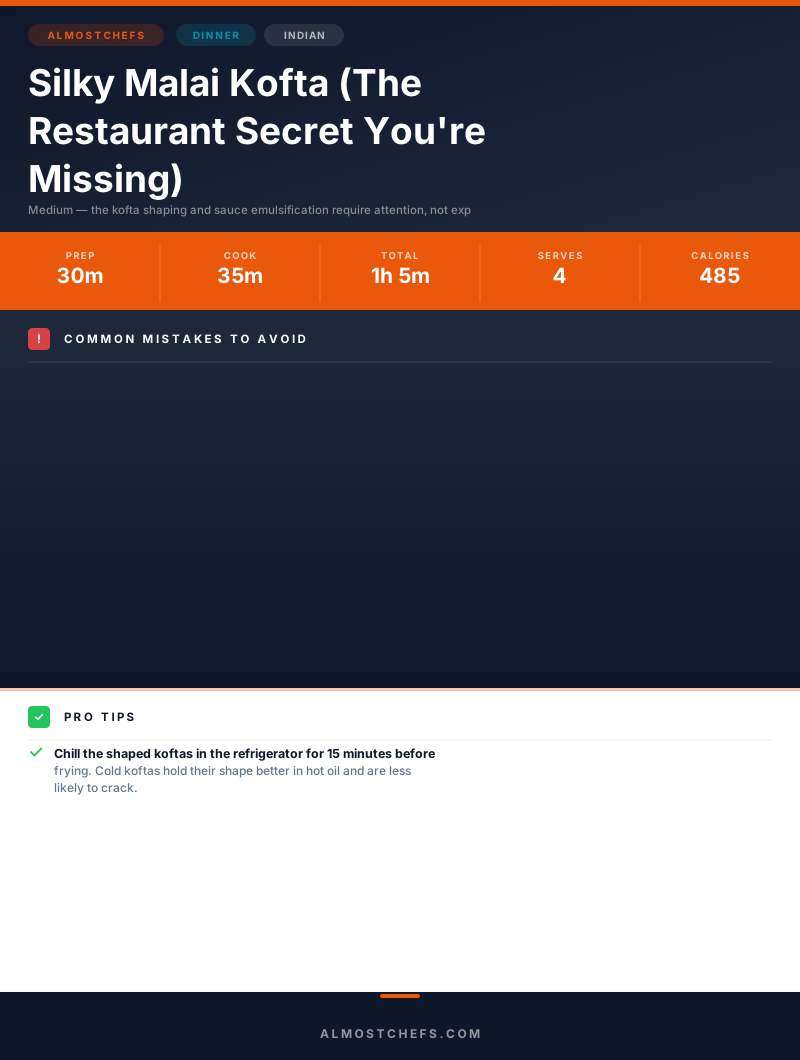
The Science of
Silky Malai Kofta (The Restaurant Secret You're Missing)
We turned everything on this page into a beautiful, flour-proof PDF cheat sheet. Print it out, stick it to your fridge, and never mess up your silky malai kofta (the restaurant secret you're missing) again.
*We'll email you the high-res PDF instantly. No spam, just perfectly cooked meals.
AlmostChefs Editorial Team
We translate the internet's most popular cooking videos into foolproof, beginner-friendly written recipes. We analyze multiple methods, test them in our kitchen, and engineer a single "Master Recipe" that gives you the best possible result with the least possible stress.