Fiery Korean Fish Stew (Maeuntang Done Right)
A deeply spiced Korean fish stew built on a gutsy gochugaru broth with soft tofu, zucchini, and fresh fish that barely needs ten minutes in the pot. We broke down the technique behind a clean, non-fishy base and a broth so bold it doubles as a hangover cure.

“Maeuntang has a reputation for being complex or fussy. It isn't. The entire dish is twenty minutes of prep and ten minutes of active cooking. What people get wrong isn't technique — it's sequencing. Add the fish too early and it falls apart into the broth. Skimp on the gochugaru and you get a red-tinted broth that tastes like nothing. This recipe fixes both.”
Why This Recipe Works
Maeuntang is not complicated. It is, in fact, one of the more honest dishes in Korean cooking — a pot of hot broth, fresh fish, and enough chili to make the decision for you about whether you're ordering dessert. What makes it difficult is the gap between the version you get at a Korean pojangmacha and the tepid, underseasoned fish soup that most home recipes produce. That gap is almost entirely explained by three things: the stock, the sequencing, and the willingness to use enough gochugaru.
The Broth Architecture
A good maeuntang broth has four distinct layers of flavor working simultaneously. The first is the anchovy-kelp base — oceanic, slightly mineral, neutral enough to let everything else speak. The second is the fermented depth from doenjang, which dissolves invisibly into the background and provides the savory backbone that makes the broth taste like something rather than just spiced water. The third is heat and color from gochugaru and gochujang. The fourth is the aromatic brightness of garlic and ginger.
Most failures happen because people treat one of these as optional. They skip the doenjang because they don't have it. They use one tablespoon of gochugaru because the photo looked very red and they got nervous. The result is a broth that tastes like warm water with red food coloring.
The ratio of gochujang to gochugaru matters too. Gochujang is sweet and paste-like — too much and the broth becomes sticky and heavy. Gochugaru provides heat and color without the sweetness. The combination, at the proportions below, produces a broth that tastes clean, spicy, and deeply red without any cloying sweetness.
The Fish Problem
Fish is the fastest-cooking protein in any kitchen, which makes it the easiest to destroy. A fish steak that needs 8 minutes is overcooked at 12. Add it to the pot at the same time as the vegetables and by the time the zucchini is tender, the fish is chalk.
The solution is a strict sequencing rule: vegetables first, tofu second, fish last. The fish goes into an already-simmering, fully seasoned broth and cooks for exactly 8-10 minutes with the heat at a gentle simmer — never a rolling boil. Boiling hard agitates the fish and breaks it apart. You want poaching temperatures, not boiling ones.
The cut matters. Thick cross-cut steaks, bone in, hold their structure far better than fillets. The bone insulates the center of the fish, slowing the cook slightly and giving you more margin before it overcooks. It also contributes gelatin to the broth, thickening it almost imperceptibly into something that coats your lips the way a good ramen broth does.
Why the Sesame Oil Goes Last
Sesame oil is volatile. Its aromatic compounds — the ones that smell like toasted sesame — evaporate quickly at high heat. Add it at the start of cooking and by the time the stew is done, you've cooked all the fragrance out of it. The drizzle at the very end, right before serving, is where the aroma comes from. It blooms on contact with the hot broth surface and hits you when the bowl reaches the table.
This is a small detail. It is also the detail that separates a bowl that smells extraordinary from a bowl that just smells like fish soup.
Serving It Right
Maeuntang is a communal dish. The ttukbaegi comes directly to the table, still bubbling from the heat retained in the clay. You eat it with white rice, using the broth to season each bite. The spice, the fish, the soft tofu — it is a complete argument for why Korean soups are among the most satisfying things you can eat.
The broth gets better as the meal progresses. By the time the fish is gone, it has absorbed enough of the fish's natural gelatin and the chili's heat that it tastes more concentrated than when you first sat down. Do not pour it out. Ladle it over rice. Drink it directly from the bowl. That broth is the point.
Where Beginners Mess This Up
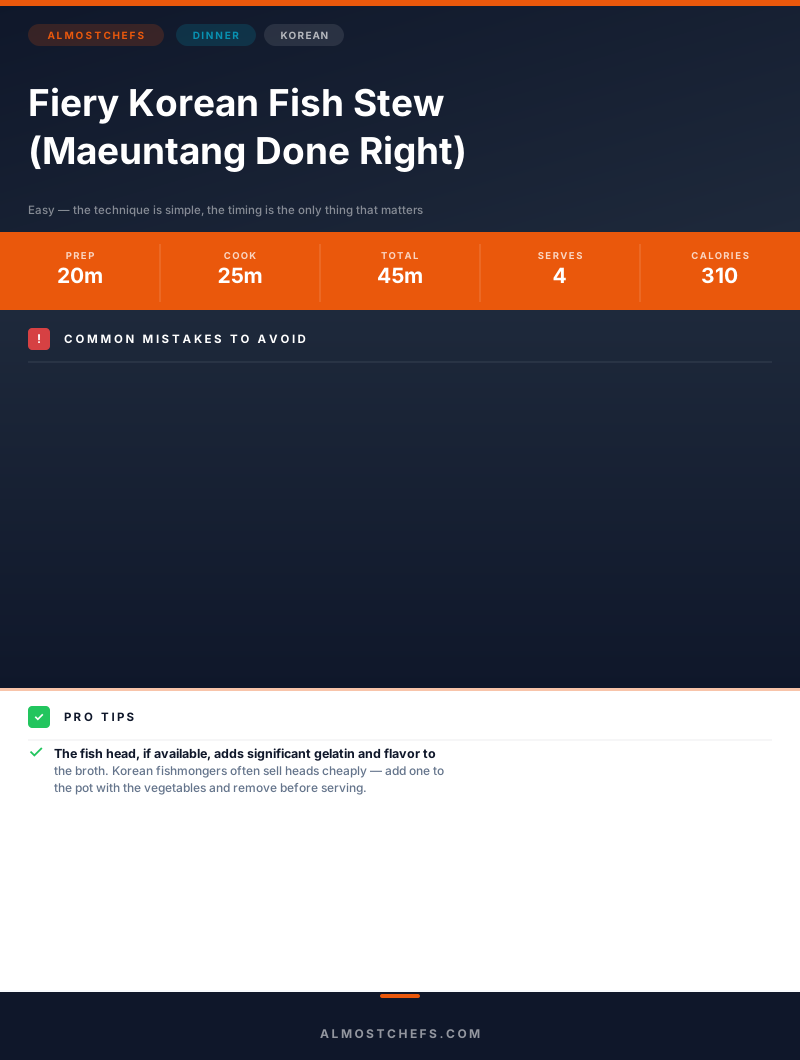
Before we start, read this. These are the 4 reasons your fiery korean fish stew (maeuntang done right) will fail:
- 1
Adding the fish too early: Fish cooks in 8-10 minutes. If you drop it into the pot at the same time as the vegetables, it's overcooked and disintegrating by the time the zucchini is tender. The vegetables go in first, the fish goes in last, and you pull the pot off heat the moment it flakes.
- 2
Not enough gochugaru: Maeuntang is supposed to taste aggressively spicy and red. One tablespoon of gochugaru in a four-serving pot produces a timid, orange-pink broth with no backbone. The recipe below uses three tablespoons as a baseline. Adjust up, not down.
- 3
Skipping the doenjang: A small amount of fermented soybean paste added at the start builds the savory depth that separates maeuntang from plain spicy fish water. It dissolves into the background — you won't taste it as miso — but without it, the broth tastes thin and one-dimensional.
- 4
Using the wrong fish: Delicate white fish like cod or pollock works. Oily fish like mackerel or salmon turns the broth heavy and sulfurous. Freshwater fish like catfish or carp is traditional in Korea. Whatever you choose, cut it into thick steaks — thin fillets cook unevenly and fall apart before the broth is done.
🛠️ Core Equipment
- Wide, shallow pot or Korean ttukbaegi (earthenware pot)A wide pot allows the fish pieces to sit in a single layer so they cook evenly. A [ttukbaegi](/kitchen-gear/review/korean-earthenware-pot) retains heat exceptionally well and keeps the stew hot at the table throughout the meal.
- Fine-mesh sieve or cheeseclothFor straining the anchovy-kelp stock if you make it from scratch. A clear base stock produces a cleaner, brighter broth — not cloudy or muddy.
- Sharp boning or fillet knifeFish steaks need clean cuts through the bone. A dull knife crushes the flesh and produces ragged edges that cloud the broth. A sharp [chef's knife](/kitchen-gear/review/chefs-knife) works as a substitute if you press firmly through the spine.
- LadleMaeuntang is served directly from the pot at the table. You need a ladle wide enough to scoop fish steaks without breaking them.
Fiery Korean Fish Stew (Maeuntang Done Right)
🛒 Ingredients
- ✦2 pounds firm white fish (cod, pollock, or catfish), cut into 2-inch steaks
- ✦5 cups anchovy-kelp stock (or low-sodium fish stock)
- ✦3 tablespoons gochugaru (Korean red pepper flakes), divided
- ✦1.5 tablespoons gochujang (Korean red pepper paste)
- ✦1 tablespoon doenjang (Korean fermented soybean paste)
- ✦1 tablespoon soy sauce
- ✦1 medium zucchini, cut into half-moons
- ✦1 block (14 oz) medium-firm tofu, cut into 1-inch cubes
- ✦6 green onions, cut into 2-inch pieces
- ✦1 medium onion, roughly chopped
- ✦6 garlic cloves, minced
- ✦1 tablespoon fresh ginger, grated
- ✦2 Korean green chilies (cheongyang gochu), sliced diagonally
- ✦1 red chili pepper, sliced diagonally
- ✦1 tablespoon sesame oil
- ✦Salt to taste
- ✦Cooked white rice, for serving
👨🍳 Instructions
01Step 1
Rinse the fish steaks under cold water and pat dry. If using a whole fish or head-on pieces, rinse the cavity thoroughly. Set aside.
02Step 2
Bring the anchovy-kelp stock to a simmer in a wide pot over medium heat. Add the doenjang and stir to dissolve completely.
03Step 3
Add the gochujang, 2 tablespoons of gochugaru, soy sauce, minced garlic, and grated ginger. Stir to combine and bring to a gentle boil.
04Step 4
Add the chopped onion and zucchini. Cook for 5 minutes until the zucchini begins to soften.
05Step 5
Add the tofu cubes gently to the pot and cook for 2 minutes.
06Step 6
Add the fish steaks in a single layer. Do not stir. Cook on medium heat for 8-10 minutes, spooning the hot broth over the top of the fish occasionally.
07Step 7
Add the green onions, sliced chilies, and remaining 1 tablespoon gochugaru. Taste and adjust salt.
08Step 8
Drizzle the sesame oil over the top, remove from heat, and serve immediately with white rice.
Nutrition Per Serving
Estimates based on standard preparation. Adjustments alter macros.
🔄 Substitutions
Instead of Anchovy-kelp stock...
Use Store-bought seafood stock or dashi
Dashi is the closest in flavor profile — both are kelp-forward. Seafood stock works but can be heavier. Avoid chicken stock; it changes the flavor profile entirely.
Instead of Doenjang...
Use White miso paste
One-to-one substitution. White miso is milder and less funky than doenjang — use 1.5 tablespoons to compensate. The fermented depth will be slightly softer.
Instead of Gochugaru...
Use Gochujang (increase to 3 tablespoons total) with a pinch of cayenne
Not a perfect substitute — gochugaru gives the broth its distinct texture and color. Gochujang alone makes the broth darker and more paste-like. The combination gets closer.
Instead of White fish...
Use Shrimp and clams
A fully seafood version. Add clams with the tofu stage and shrimp in the last 3 minutes of cooking. Reduces cook time significantly — pull the pot the moment the shrimp turns pink.
🧊 Storage & Reheating
In the Fridge
Store broth and solids separately for up to 2 days. The fish continues to break down in broth overnight and will be very soft by day two — still good, just different texture.
In the Freezer
Freeze the strained broth only for up to 1 month. Cooked fish does not freeze well — the texture becomes grainy and waterlogged after thawing.
Reheating Rules
Reheat gently over medium-low heat. Do not boil aggressively or the fish will overcook further. Add a splash of water if the broth has thickened.
❓ Frequently Asked Questions
What fish is best for maeuntang?
Traditionally, freshwater fish like catfish, snakehead, or carp are used in Korea. For home cooks outside Korea, cod and pollock are the best options — firm, affordable, and available as steaks. Avoid salmon, mackerel, or any oily fish. The fat renders into the broth and turns it muddy.
Can I make maeuntang without homemade stock?
Yes. Store-bought seafood stock or dashi concentrate works. The broth will be slightly less complex but perfectly good. The doenjang, gochujang, and gochugaru do most of the heavy flavor lifting — the stock is a supporting actor.
How spicy is this supposed to be?
Very. Maeuntang should make you sweat slightly. Three tablespoons of gochugaru is the baseline — not maximum. If you have low spice tolerance, start at two tablespoons and taste before adding more. Do not dilute the recipe to the point where the broth loses its heat; that's a different dish.
Why does my broth taste fishy in a bad way?
Two likely causes: the fish wasn't rinsed and soaked properly before cooking, or you used oily or frozen fish that was starting to turn. Fresh fish in a properly made anchovy stock smells like the sea — not like a fish market. Always start with the freshest fish available.
Is this dish actually anti-inflammatory?
The key players here are capsaicin from the gochugaru (shown to reduce inflammatory markers) and omega-3 fatty acids from the fish. Ginger and garlic also have established anti-inflammatory properties. This isn't a supplement — it's a meal — but the ingredient stack is legitimately well-aligned with anti-inflammatory eating.
Can I add other vegetables?
Yes. Napa cabbage, watercress, crown daisy (ssukgat), and enoki mushrooms are all traditional additions. Add leafy greens in the final two minutes — they wilt instantly and overcook fast. Mushrooms go in with the tofu.
The Science of
Fiery Korean Fish Stew (Maeuntang Done Right)
We turned everything on this page into a beautiful, flour-proof PDF cheat sheet. Print it out, stick it to your fridge, and never mess up your fiery korean fish stew (maeuntang done right) again.
*We'll email you the high-res PDF instantly. No spam, just perfectly cooked meals.
AlmostChefs Editorial Team
We translate the internet's most popular cooking videos into foolproof, beginner-friendly written recipes. We analyze multiple methods, test them in our kitchen, and engineer a single "Master Recipe" that gives you the best possible result with the least possible stress.