Foolproof Homemade Mac and Cheese (The Roux Method)
A rich, creamy stovetop mac and cheese built on a properly cooked butter-flour roux with a sharp cheddar and Gruyère blend. We broke down the technique mistakes that cause grainy, broken sauce so you can nail the silky result every time — in under 35 minutes.
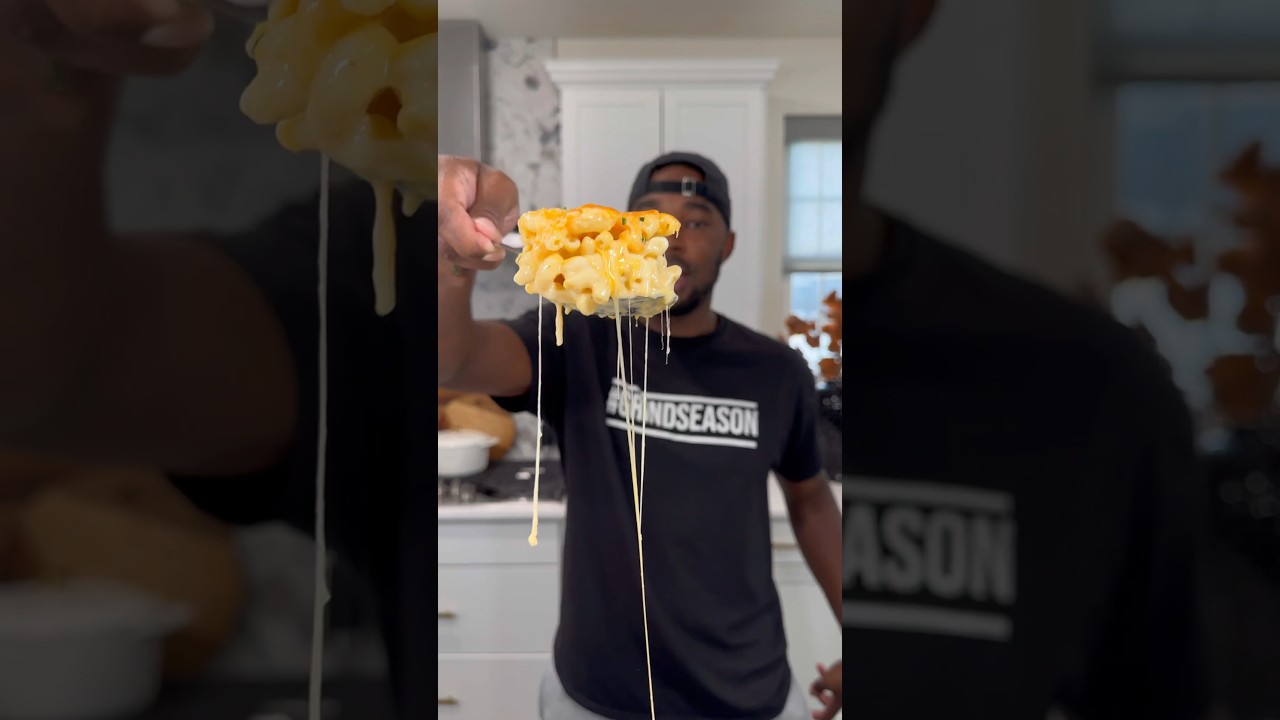
“Most homemade mac and cheese fails in the same two places: a roux that tastes like flour or a cheese sauce that breaks into a greasy, grainy mess. Both failures are completely avoidable. The roux needs exactly 90 seconds of cooking after the butter stops foaming. The cheese goes in off heat. Those two rules are the entire recipe.”
Why This Recipe Works
Mac and cheese is three things: pasta, béchamel, and melted cheese. It sounds like the simplest dinner on earth until you've made it wrong twice and stood over a pot of greasy, grainy sauce trying to figure out what happened. Almost every failure traces back to one of two problems: a roux that wasn't cooked properly, or cheese that went into a pan that was still too hot. Fix both and you have a restaurant-quality sauce in under 25 minutes.
The Roux Is Not Optional Filler
A roux — butter cooked with flour — is not just a thickener. It's the structural foundation that holds the entire sauce together. Butter provides fat that lubricates the starch granules. Flour provides the starch matrix that traps water molecules and creates body. But none of that works if you don't cook the raw flour out first.
Raw flour tastes like raw flour. The starch granules haven't been disrupted yet, which means they absorb liquid unevenly and create a pasty, gluey texture instead of a smooth sauce. The fix is simple: cook the paste for at least 90 seconds after the butter stops foaming, stirring constantly, until the smell shifts from raw and starchy to faintly nutty. This is the Maillard reaction working at low temperature — the same chemistry that makes browned butter taste better than melted butter.
The milk must be warm when it hits the roux. Cold milk causes the outer layer of the starch matrix to seize instantly before the liquid can be distributed evenly. Lumps form in the first 10 seconds. You cannot whisk them out once they set. Warm milk — steaming but not boiling — integrates smoothly because the temperature differential between the roux and the liquid is small enough for the starch to absorb gradually.
The Cheese Problem
Here is the part nobody explains clearly enough: cheese is an emulsion of fat, water, and protein. Heat it gently and the proteins stay relaxed, the fat stays incorporated, and the sauce stays smooth and silky. Overheat it and the proteins contract violently, the fat separates, and you get a greasy pool of orange liquid with white curds floating in it. There is no fixing this once it happens.
The solution is to take the pan completely off heat and wait 60 seconds before the cheese goes in. Residual heat in a heavy-bottomed pan is more than sufficient to melt freshly grated cheddar and Gruyère. You don't need active flame. You need patience.
Gruyère earns its place in this recipe beyond flavor. It has higher moisture content than cheddar and melts at a lower temperature, making it a natural stabilizer in a two-cheese blend. It buffers the sharper proteins in aged cheddar and keeps the sauce from tightening as it cools. Sharp cheddar provides all the flavor; Gruyère provides the insurance.
Freshly Grated Is the Rule
Pre-shredded cheese is coated in cellulose powder or potato starch to prevent clumping in the bag. The same coating that keeps it from sticking to itself prevents it from melting smoothly into a sauce. It creates a gritty texture that no amount of additional heat will resolve. A box grater takes three minutes. Every good mac and cheese recipe in existence requires it.
Pasta Water Is Infrastructure
The starch released by the pasta into its cooking water is the most powerful sauce tool in your kitchen that most home cooks throw directly down the drain. When the cheese sauce tightens after you fold in the pasta — and it will — pasta water loosens it without diluting the flavor the way plain water does. It also improves cling. The starch makes the sauce coat each piece of macaroni instead of pooling at the bottom of the bowl.
Reserve it before draining. Every time. It weighs nothing and saves the dish.
The Aromatics Beneath the Cheese
Dry mustard powder, smoked paprika, cayenne, and nutmeg sound like additions that would compete with the cheese. They don't. They amplify it. Mustard powder contains compounds that enhance the perception of sharpness — it makes aged cheddar taste more like itself. Cayenne and paprika provide a background heat that cuts through the fat and prevents the sauce from tasting heavy. Nutmeg at a fraction of a teaspoon rounds out the dairy without announcing itself. Remove any one of them and the sauce becomes noticeably flatter.
Worcestershire rounds the entire thing out with a quiet umami note that reads as "more complex" without tasting like anything specific. It's a seasoning multiplier — it makes everything else taste more like itself.
This is a dish where the technique is the recipe.
Where Beginners Mess This Up
Before we start, read this. These are the 4 reasons your foolproof homemade mac and cheese (the roux method) will fail:
- 1
Undercooking the roux: If you add the milk before the raw flour smell disappears, that starchy taste bakes itself into every bite. The roux should cook for at least 90 seconds past the point the butter foams — it should smell faintly nutty, not pasty. Most recipes say '1-2 minutes' and people pull it at 45 seconds.
- 2
Adding cold milk to the roux: Cold milk hits the hot roux and seizes instantly, forming lumps before you can whisk them out. Warm the milk first — it should be steaming but not boiling. This lets the starch absorb evenly and gives you a smooth sauce from the first pour.
- 3
Adding cheese on the heat: This is how you get grainy mac and cheese. When a cheese sauce gets too hot, the proteins seize and the fat separates. Pull the pan off the heat completely, let it cool for 60 seconds, then fold the cheese in off heat. Residual warmth is all you need.
- 4
Overcooking the pasta: Elbow macaroni that's already al dente when it meets the sauce will turn mushy by the time it's coated and plated. Pull it 1-2 minutes short — it finishes in the sauce. Reserve the pasta water. It saves you every time the sauce tightens.
The Video Reference Library
Want to see it in action? Here are the exact videos we analyzed and combined to build this foolproof recipe translation:
The source video for this recipe. Clear walkthrough of the roux technique and cheese incorporation sequence with close-ups of sauce consistency at each stage.
🛠️ Core Equipment
- Heavy-bottomed saucepanEven heat distribution is the entire game with a béchamel-based sauce. Thin pans create hot spots that scorch the roux before the flour cooks through and overheat the cheese sauce after. A [Dutch oven](/kitchen-gear/review/dutch-oven) or enameled cast iron is ideal.
- WhiskA flat or balloon whisk is non-negotiable for a lump-free roux. Spatulas cannot break up clumps as they form — only a whisk can emulsify the milk into the paste smoothly.
- Box grater or food processorPre-shredded cheese is coated in cellulose powder that prevents it from melting smoothly. Freshly grated cheese melts clean and integrates without grit. This is not optional.
- Large pot for pastaPasta needs room to move. A crowded pot drops the water temperature below boiling when you add the pasta, leading to uneven, gummy cooking. Generously salted water in a large pot is the difference between pasta that tastes like something and pasta that tastes like nothing.
Foolproof Homemade Mac and Cheese (The Roux Method)
🛒 Ingredients
- ✦1 pound elbow macaroni pasta
- ✦5 tablespoons unsalted butter
- ✦3.5 tablespoons all-purpose flour
- ✦3.5 cups whole milk, warmed
- ✦3 cups sharp cheddar cheese, freshly grated
- ✦1.5 cups Gruyère cheese, freshly grated
- ✦1 teaspoon fine sea salt
- ✦0.5 teaspoon freshly ground black pepper
- ✦0.75 teaspoon dry mustard powder
- ✦0.375 teaspoon smoked paprika
- ✦0.125 teaspoon freshly grated nutmeg
- ✦0.25 teaspoon cayenne pepper
- ✦0.5 teaspoon Worcestershire sauce
👨🍳 Instructions
01Step 1
Bring a large pot of generously salted water to a rolling boil over high heat. Cook the elbow macaroni for 7-8 minutes until just shy of al dente. Before draining, reserve 1 cup of pasta water.
02Step 2
Melt the butter in a heavy-bottomed saucepan over medium heat until it foams and the foam begins to subside, about 2 minutes.
03Step 3
Sprinkle the flour over the melted butter and whisk constantly to form a smooth paste. Cook for 90 seconds to 2 minutes, stirring continuously, until the roux smells faintly nutty and the raw flour aroma disappears.
04Step 4
Pour the warmed milk into the roux in three additions, whisking vigorously after each pour until fully incorporated before adding the next. Take your time on the first addition — it sets the texture of everything that follows.
05Step 5
Continue whisking the sauce over medium heat for 8-10 minutes until it thickens enough to coat the back of a spoon and holds a line when you drag your finger across it.
06Step 6
Remove the saucepan from heat completely. Stir in the Worcestershire sauce and let the mixture cool undisturbed for 60 seconds.
07Step 7
Add the freshly grated cheddar and Gruyère in two batches, folding gently with a rubber spatula after each addition until fully melted and smooth.
08Step 8
Stir in the salt, black pepper, mustard powder, smoked paprika, nutmeg, and cayenne. Taste and adjust seasoning.
09Step 9
Fold the drained pasta into the cheese sauce with a rubber spatula until every piece is evenly coated. If the sauce is too thick, add reserved pasta water 2-3 tablespoons at a time.
10Step 10
Serve immediately while steaming hot, directly from the saucepan.
Nutrition Per Serving
Estimates based on standard preparation. Adjustments alter macros.
🔄 Substitutions
Instead of Whole milk...
Use Unsweetened oat milk or cashew cream
Oat milk produces a slightly lighter mouthfeel. Cashew cream (soaked cashews blended with water) comes closer to the original richness and is the better dairy-free choice for this sauce.
Instead of All-purpose flour...
Use 3 tablespoons cornstarch
Cornstarch produces a glossier, slightly silkier sauce. Whisk it into the cold milk before adding to the pan rather than cooking it in butter — it doesn't work as a roux.
Instead of Elbow macaroni...
Use Chickpea pasta or lentil-based pasta
Significantly more protein and fiber. The texture is heartier and slightly more al dente even when fully cooked. Adjust cook time by 1-2 minutes — legume pastas firm up faster than wheat pasta.
Instead of Sharp cheddar and Gruyère...
Use Smoked gouda, aged manchego, and mild cheddar blend
More nuanced flavor with smoky undertones. Manchego has lower moisture than cheddar — add an extra tablespoon of pasta water when combining with the sauce to compensate.
🧊 Storage & Reheating
In the Fridge
Store in an airtight container for up to 4 days. The sauce thickens considerably as it cools — this is normal.
In the Freezer
Freeze in individual portions for up to 2 months. Thaw overnight in the fridge before reheating.
Reheating Rules
Reheat on the stovetop over low heat with 2-3 tablespoons of milk per serving, stirring continuously. Avoid the microwave — it overheats the cheese proteins and produces a greasy, broken texture.
❓ Frequently Asked Questions
Why is my mac and cheese sauce grainy?
You added the cheese while the sauce was still too hot. Cheese proteins seize and fat separates above a certain temperature. Pull the pan fully off heat, wait 60 seconds, then fold the cheese in with residual warmth only. Once it's grainy there's no fixing it — start the sauce over.
Can I make this ahead of time?
The sauce can be made 1-2 days ahead and stored separately from the pasta. Reheat the sauce gently on low with a splash of milk, cook fresh pasta, and combine just before serving. Pre-combining and refrigerating causes the pasta to absorb the sauce and dry out.
Why does my roux taste floury?
It didn't cook long enough. The flour needs at least 90 seconds of cooking in the hot butter after the foaming stops to eliminate the raw starch taste. If you can still smell raw flour, keep cooking. You want the faint smell of something nutty.
Do I have to use Gruyère?
No, but replace it with something that melts cleanly at low heat. Fontina, Comté, or young Gouda all work. Avoid pre-shredded cheese of any variety — the cellulose coating prevents proper melting regardless of the variety.
How do I stop the sauce from breaking?
Three rules: warm the milk before adding it to the roux, don't boil the sauce after the milk is incorporated, and add cheese off heat. Boiling a béchamel-based cheese sauce is the fastest way to destroy it.
What pasta shapes work besides elbows?
Any pasta with surface area or texture that holds sauce: cavatappi, shells, rigatoni, or fusilli. Avoid smooth, slick shapes like penne lisce or spaghetti — the sauce slides right off.
The Science of
Foolproof Homemade Mac and Cheese (The Roux Method)
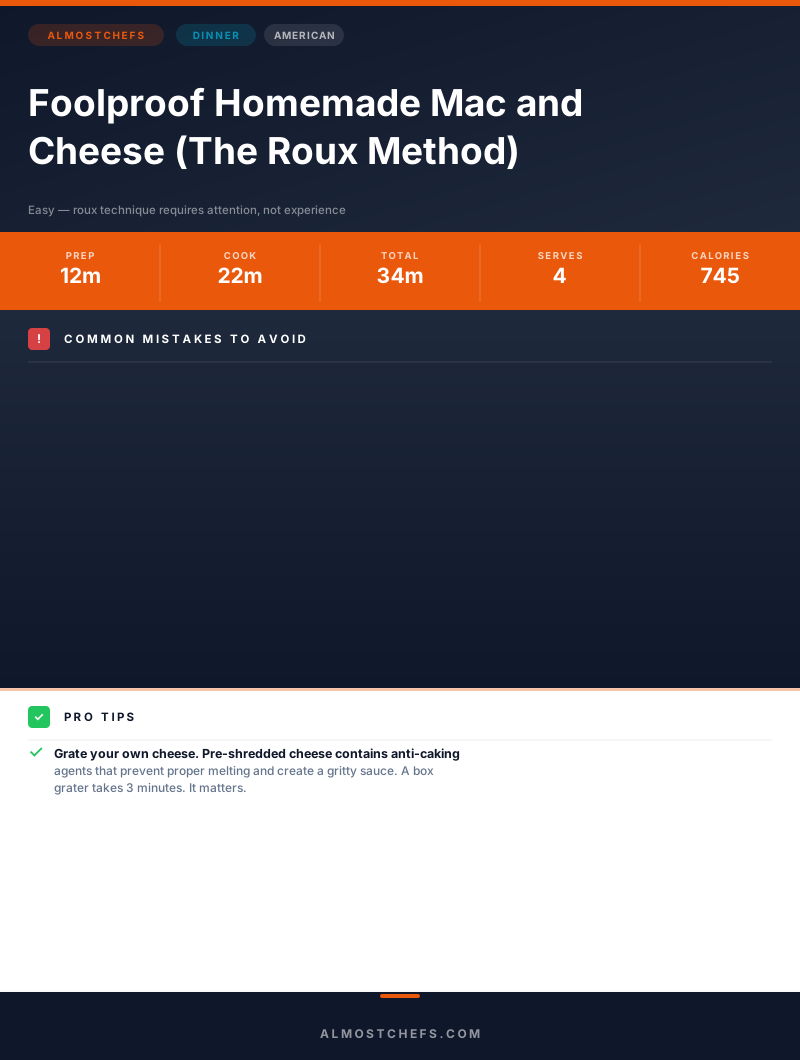
We turned everything on this page into a beautiful, flour-proof PDF cheat sheet. Print it out, stick it to your fridge, and never mess up your foolproof homemade mac and cheese (the roux method) again.
*We'll email you the high-res PDF instantly. No spam, just perfectly cooked meals.
AlmostChefs Editorial Team
We translate the internet's most popular cooking videos into foolproof, beginner-friendly written recipes. We analyze multiple methods, test them in our kitchen, and engineer a single "Master Recipe" that gives you the best possible result with the least possible stress.