Low-Calorie Meals That Actually Fill You Up (No Rabbit Food Required)
A high-volume, high-protein chicken and vegetable stir-fry over cauliflower rice that clocks in under 350 calories without tasting like a punishment. We broke down the most-watched low-calorie cooking videos to extract the techniques that make diet food actually satisfying.
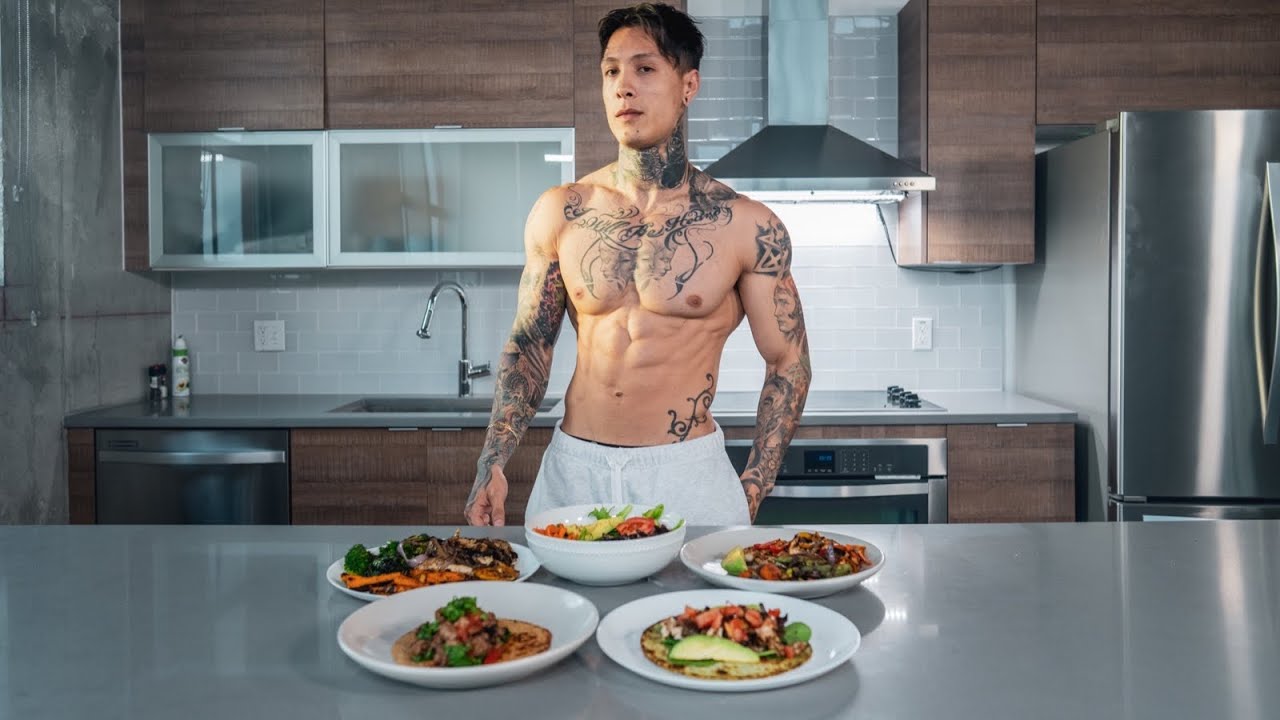
“Most low-calorie recipes fail the same way: they take out the fat, forget to replace the flavor, and leave you hungry forty minutes later. The secret is not about eating less — it is about understanding which variables drive satiety and using them aggressively. Protein, fiber, water content, and texture all suppress hunger more reliably than willpower. Build a meal around those four levers and the calories almost become irrelevant.”
Why This Recipe Works
Low-calorie cooking has a reputation problem, and it deserves it. Decades of diet culture produced a genre of food that is technically healthy and culinarily miserable — steamed chicken breast on iceberg lettuce with lemon juice, presented as though deprivation is its own reward. The entire premise is wrong. The goal of low-calorie cooking is not to eat less food. It is to eat the same volume of food while engineering the calorie content downward. That is a completely different problem, and it has a completely different solution.
The Satiety Architecture
Human hunger operates on four independent signals: protein, fiber, volume, and texture. A meal that maximizes all four can leave you more satisfied at 350 calories than a poorly constructed meal at 700. This recipe is built around that principle, not around shrinking portions.
Protein is the most powerful lever. At 44 grams per serving, this dish exceeds the threshold (roughly 30g) at which leucine — the amino acid that triggers muscle protein synthesis — fully activates satiety hormones. That signal lasts 3-4 hours. Fiber works differently, slowing gastric emptying so that food stays in your stomach longer and blood sugar rises gradually rather than spiking and crashing. The 7g of fiber here comes mostly from the cauliflower, broccoli, snap peas, and bell pepper — and it is doing serious metabolic work.
Volume matters because your stomach has stretch receptors, not calorie sensors. A full bowl of crisp-tender vegetables physically occupies stomach space and triggers fullness regardless of its caloric content. A large wok makes it easy to cook high-volume meals at high heat — the wide surface area ensures even contact with the heat rather than trapping steam and producing wet, shrunken vegetables that contribute almost nothing to satiety. Finally, texture requires chewing, and chewing is itself a satiety trigger. Overcooked vegetables that collapse on contact signal to your brain that you ate less than you did. Crisp-tender vegetables cooked for exactly 3-4 minutes register as a substantial meal.
The Cauliflower Rice Decision
Cauliflower rice is a genuinely good ingredient in the right context — and this is the right context. Its mild flavor disappears entirely under the assertive stir-fry sauce. Its texture, when cooked correctly in a screaming-hot pan without thawing or pre-steaming, approximates the slight chew of properly cooked jasmine rice. The swap from white rice to cauliflower rice saves 350 calories across two servings — enough of a deficit to matter over time without requiring any adjustment in portion size or perceived restriction.
The critical technique is heat. Cauliflower is mostly water, and that water will ruin your dish if it is not evaporated immediately. A cold or medium-heat pan allows the water to pool and steam everything below it. A properly heated carbon steel wok at maximum temperature causes instant surface evaporation, leaving behind concentrated cauliflower flavor and a lightly charred, rice-like texture that holds up under the sauce. Ninety seconds undisturbed contact time on first addition is not optional — it is the entire technique.
Sauce Balance at Zero Fat
The sauce in this recipe does the heavy lifting that fat usually does in conventional stir-fry. Fat carries flavor compounds and provides mouthfeel — that lingering richness that makes you feel satisfied. Without it, a dish tastes thin and forgettable. The solution is acid-sweet-heat balance: rice vinegar provides brightness and apparent richness, a small amount of honey creates the caramelization that coats the protein during the final toss, and chili flakes stimulate circulation in a way that your nervous system registers as warming and satisfying. The cornstarch provides exactly the body and cling that a tablespoon of oil would otherwise supply, at a fraction of the calorie cost.
Garlic and ginger are non-negotiable. They are both aromatics at essentially zero caloric cost, and they are the difference between food that tastes healthy and food that tastes like it was designed by someone who resents eating. Thirty seconds in a hot wok is all they need — and those thirty seconds contribute more to the finished dish than any other single step.
Where Beginners Mess This Up
Before we start, read this. These are the 4 reasons your low-calorie meals that actually fill you up (no rabbit food required) will fail:
- 1
Relying on calorie restriction instead of volume: Cutting a chicken breast from 6 oz to 3 oz saves 140 calories and also guarantees you raid the pantry at 10pm. High-volume cooking — loading a plate with low-calorie-density vegetables — achieves the same calorie target while sending your satiety signals into overdrive. A full plate beats a half plate every time.
- 2
Cooking vegetables until they disappear: Overcooked zucchini and wilted spinach have almost no texture left. Texture requires chewing, and chewing sends satiety signals to the brain. Vegetables cooked to a crisp-tender bite — 3 to 4 minutes maximum in a hot pan — give you far more satisfaction per calorie than vegetables cooked into submission.
- 3
Skipping the aromatics to save time: Garlic, ginger, and chili are zero-calorie flavor bombs. Recipes that skip them in the name of speed end up tasting flat, which leads to overcooking in sauce to compensate. Two minutes with aromatics in a hot pan transforms a bland protein bowl into something you actually want to eat again tomorrow.
- 4
Using low-sodium soy sauce and then adding nothing else: Low-sodium soy sauce alone tastes thin and metallic. It needs acid (rice vinegar), sweetness (a small amount of honey or monk fruit), and heat (chili flakes or sriracha) to round it out. Balance the flavor profile and you will not miss the extra salt.
The Video Reference Library
Want to see it in action? Here are the exact videos we analyzed and combined to build this foolproof recipe translation:
The source video breaking down high-volume, high-protein meal strategies with clear before-and-after calorie comparisons. Strong technique on stir-fry heat management and cauliflower rice preparation.
Covers weekly meal prep structure for low-calorie eating, including portioning strategies and how to season food without relying on high-calorie sauces.
Explains the satiety hierarchy — protein, fiber, volume, texture — and how to engineer meals that keep hunger at bay for four or more hours on 400 calories or fewer.
🛠️ Core Equipment
- Large carbon steel or stainless steel wokHigh heat and a large surface area are non-negotiable for stir-frying. A non-stick pan traps steam and makes everything soggy. The wok gets hot enough to char the vegetables slightly, which is where 80% of the flavor comes from.
- Box grater or food processorFor ricing the cauliflower quickly and evenly. Hand-grating on the large holes takes 90 seconds and produces consistent rice-sized pieces. A food processor with the pulse function also works but requires more cleanup.
- Instant-read thermometerChicken breast is done at 165°F internal temperature. Pulled at exactly that point, it is juicy. Cooked to 175°F out of caution, it is dry and depressing. A thermometer removes the guesswork and the sadness.
- Kitchen scaleLow-calorie cooking lives and dies by precision. Eyeballing 4 oz of chicken consistently overpours by 20-30%. A scale takes ten seconds and ensures your calorie count is actually accurate, not optimistic.
Low-Calorie Meals That Actually Fill You Up (No Rabbit Food Required)
🛒 Ingredients
- ✦14 oz boneless, skinless chicken breast, sliced thin against the grain
- ✦1 medium head cauliflower, grated into rice-sized pieces (about 4 cups)
- ✦2 cups broccoli florets, cut small
- ✦1 medium zucchini, halved and sliced into half-moons
- ✦1 cup sugar snap peas, strings removed
- ✦1 medium red bell pepper, thinly sliced
- ✦3 cloves garlic, minced
- ✦1 tablespoon fresh ginger, grated
- ✦1 tablespoon sesame oil
- ✦3 tablespoons low-sodium soy sauce
- ✦1 tablespoon rice vinegar
- ✦1 teaspoon honey or monk fruit sweetener
- ✦1/2 teaspoon red chili flakes
- ✦2 tablespoons chicken stock or water
- ✦1 teaspoon cornstarch
- ✦2 green onions, sliced thin
- ✦1 teaspoon toasted sesame seeds
- ✦Cooking spray or 1/2 teaspoon avocado oil
- ✦Salt and white pepper to taste
👨🍳 Instructions
01Step 1
Whisk together the soy sauce, rice vinegar, honey, chili flakes, and cornstarch in a small bowl. Set aside.
02Step 2
Season the sliced chicken breast generously with salt and white pepper.
03Step 3
Heat a wok or large skillet over high heat until it begins to smoke lightly. Spray with cooking spray or add avocado oil. Add the chicken in a single layer and cook undisturbed for 2-3 minutes until golden on one side, then toss and cook 1-2 minutes more.
04Step 4
Check the chicken with an instant-read thermometer — it should read 165°F. Remove to a plate and tent loosely.
05Step 5
In the same wok over high heat, add the garlic and ginger. Stir constantly for 30-45 seconds until fragrant. Do not let them burn.
06Step 6
Add the broccoli and bell pepper. Stir-fry for 2 minutes, tossing constantly.
07Step 7
Add the zucchini and snap peas. Stir-fry another 2 minutes. The vegetables should be crisp-tender with slight char marks — not soft.
08Step 8
Push the vegetables to the sides of the wok. Add the cauliflower rice to the center. Spread into an even layer and let it sit undisturbed for 90 seconds to develop color, then toss everything together.
09Step 9
Return the cooked chicken to the wok. Pour the sauce over everything and toss for 60-90 seconds until the sauce thickens and coats everything evenly.
10Step 10
Add the chicken stock or water if the sauce looks too thick. Toss once more.
11Step 11
Transfer to bowls. Top with sliced green onions and toasted sesame seeds. Serve immediately.
Nutrition Per Serving
Estimates based on standard preparation. Adjustments alter macros.
🔄 Substitutions
Instead of Chicken breast...
Use Extra-firm tofu or shrimp
Press tofu for 30 minutes before slicing to remove excess moisture. Shrimp cooks in 2-3 minutes total and keeps the calorie count identical.
Instead of Cauliflower rice...
Use Shirataki rice or hearts of palm rice
Drops the carbs to near zero. Rinse shirataki rice thoroughly and dry-toast in the pan first to remove the briny smell before adding other ingredients.
Instead of Honey...
Use Monk fruit sweetener or a few drops of liquid stevia
Removes the remaining sugar entirely. Monk fruit has a 1:1 sweetness ratio but zero glycemic impact. Use it if you are tracking net carbs closely.
Instead of Soy sauce...
Use Coconut aminos
Slightly sweeter and about 65% lower in sodium than regular soy sauce. Adjust the rice vinegar upward slightly to compensate for the added sweetness.
🧊 Storage & Reheating
In the Fridge
Store in an airtight container for up to 4 days. Keep the cauliflower rice and stir-fry components in separate containers to preserve texture.
In the Freezer
Freeze the chicken and vegetable mixture only — not the cauliflower rice — for up to 2 months. Rice fresh cauliflower when reheating.
Reheating Rules
Reheat in a hot wok or skillet with a splash of water or stock for 3-4 minutes. Microwaving works in a pinch but produces limp vegetables — use only when a stove is unavailable.
❓ Frequently Asked Questions
Will I actually feel full on 340 calories?
Yes, if the macros are right. This meal delivers 44g of protein and 7g of fiber, both of which suppress hunger hormones (ghrelin) for 3-4 hours. It also has enormous physical volume — a full wok of food that fills a large bowl. Your stomach registers fullness based on stretch receptors, not calorie count.
Why cauliflower rice instead of regular rice?
One cup of cooked white rice is 200 calories with 1g of fiber. One cup of cauliflower rice is 25 calories with 2g of fiber. That swap alone saves 350 calories across two servings. If you genuinely hate cauliflower rice, use half white rice and half cauliflower rice — you get texture satisfaction at half the calorie cost.
Can I add more sauce if it seems dry?
Add chicken stock in tablespoon increments — not more sauce. More sauce means more sodium and more calories. Stock adds moisture and flavor without blowing the numbers. A squeeze of fresh lime juice is another zero-calorie way to add perceived richness.
How do I keep the chicken from drying out?
Pull it at exactly 165°F internal temperature. Slicing thin against the grain also helps — you are cutting the muscle fibers short, which means each bite requires less chewing force and registers as more tender regardless of the actual moisture content.
Is this actually filling enough for dinner?
For most people, yes. If you are coming off a hard workout or are above 180 pounds, add a second serving of the vegetable and cauliflower rice component only — zero additional protein needed, adds roughly 80 calories, and doubles the volume on the plate.
Can I use frozen vegetables instead of fresh?
You can, but add them straight from the freezer and increase the wok heat to maximum. Thawed frozen vegetables release enormous amounts of water and will steam everything into mush. Frozen-to-hot-wok is the move.

The Science of
Low-Calorie Meals That Actually Fill You Up (No Rabbit Food Required)
We turned everything on this page into a beautiful, flour-proof PDF cheat sheet. Print it out, stick it to your fridge, and never mess up your low-calorie meals that actually fill you up (no rabbit food required) again.
*We'll email you the high-res PDF instantly. No spam, just perfectly cooked meals.
AlmostChefs Editorial Team
We translate the internet's most popular cooking videos into foolproof, beginner-friendly written recipes. We analyze multiple methods, test them in our kitchen, and engineer a single "Master Recipe" that gives you the best possible result with the least possible stress.