The High-Volume Snack Board (Eat More, Weigh Less)
A strategic assembly of low-calorie, high-satiety foods engineered to fill you up without blowing your budget. We analyzed the most-watched nutrition content on YouTube to identify the foods that deliver maximum volume, fiber, and protein per calorie — then built them into one practical snack plate you can prep in 15 minutes.
“Most diet advice tells you to eat less. The smarter move is to eat strategically. The foods on this board average 25-40 calories per 100 grams, which means you can eat literal handfuls of them without touching your daily budget. Volume eating is not a trick — it's physics. We pulled the most evidence-backed, YouTube-validated low-calorie staples and built them into a snack plate that leaves you genuinely full.”
Why This Recipe Works
Low calorie eating fails almost universally for the same reason: it's treated as an exercise in deprivation rather than an exercise in physics. The people who succeed long-term at eating less are not the ones with more willpower — they are the ones who figured out how to feel full on fewer calories. That is an engineering problem, and it has a solution.
Calorie Density: The Only Number That Matters
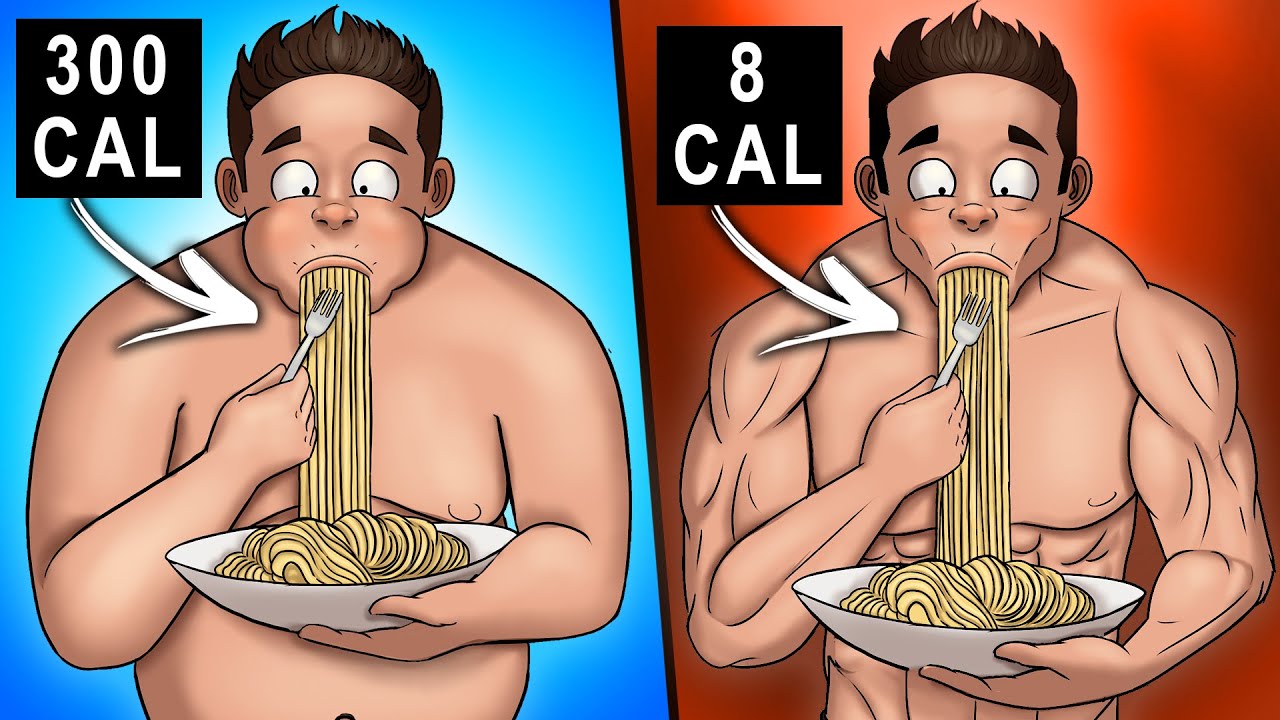
Every food has a calorie density — a ratio of calories to grams. Almonds clock in at 580 calories per 100 grams. Cucumber checks in at 15. This is not a small difference. It means you can eat a 300-gram pile of cucumber — an enormous, nearly obscene quantity of food — for the same caloric cost as a single 8-gram almond. Both are healthy foods. Only one of them can anchor a volume-eating strategy.
The vegetables on this plate were selected specifically for their calorie density. Nothing on this plate except the dip exceeds 35 calories per 100 grams. That means your hands, your mouth, and your stomach all receive full signals — the physical sensation of eating a real amount of food — while your calorie intake stays conservative. This is not a trick. It is how volume eating works, and it's the framework behind every successful low-calorie food list you've ever seen online.
The Protein Anchor
Volume alone cannot sustain satiety. Eat a pound of cucumbers with no protein and you will be hungry again within an hour, because your blood sugar will drop and ghrelin — the hunger hormone — will reassert itself. The cottage cheese and Greek yogurt dip solves this problem at minimal caloric cost. Combined, they deliver roughly 18 grams of complete protein per serving at under 100 calories. That protein load suppresses ghrelin for two to three hours through a mechanism that no amount of fiber or volume can replicate.
Choosing a good sharp knife here is not vanity — clean cuts on the vegetables matter because ragged edges bruise the cell walls and accelerate water loss. A cucumber cut with a dull blade starts weeping moisture within minutes, turning soggy before it reaches the plate. A clean knife cut keeps the cell walls intact and the vegetable crisp for hours.
The Ice Bath: Non-Negotiable Texture Step
Cut vegetables wilt because their cells lose water through evaporation. The ice bath is an osmotic reversal — submerging cut vegetables in ice water forces water back into the cells, restoring crispness that was lost during cutting and storage. A cucumber that has spent 10 minutes in ice water does not bend. It snaps. This distinction seems cosmetic until you understand that texture is one of the primary drivers of food satisfaction. Food that feels satisfying to eat reads as a real meal. Food that feels soft and limp reads as diet food, and diet food gets abandoned.
The mandoline slicer enters here for a specific psychological reason. Paper-thin slices fan out and fill a plate. Thick chunks stack and shrink. The same 150 grams of radish looks like a small handful when thick-sliced and an abundant pile when mandoline-sliced. Visual volume matters to satiety just as much as physical volume. Your brain starts assessing fullness before the food reaches your stomach.
Flavor Is Not Optional
The single biggest reason low-calorie eating fails is blandness. A plate of plain cucumbers and unseasoned cottage cheese tastes like medical compliance — and people stop complying within days. Everything bagel seasoning delivers garlic, onion, sesame, poppy seed, and salt at negligible caloric cost. Lemon zest adds brightness. Chili flakes add heat. Fresh dill adds herbaceous complexity. None of these ingredients meaningfully impact the calorie count. All of them transform the experience from punishment into preference.
This is the version of low-calorie eating that actually works long-term: maximum volume, adequate protein, aggressive seasoning, thoughtful presentation. The snack plate that looks good enough to want is the one you eat instead of the bag of crackers you keep next to the couch. That choice, made consistently, is where results come from.
Where Beginners Mess This Up
Before we start, read this. These are the 4 reasons your the high-volume snack board (eat more, weigh less) will fail:
- 1
Confusing low-calorie with low-volume: A 100-calorie pack of crackers is six crackers. A 100-calorie bowl of cucumber slices is an enormous pile. The goal is to find foods with the lowest calorie density — calories per gram — so you can eat a large physical volume without exceeding your intake targets. Crackers, rice cakes, and protein bars fail this test. Vegetables, lean proteins, and broth-based foods pass it.
- 2
Ignoring protein on low-calorie plates: Protein suppresses ghrelin — the hunger hormone — for significantly longer than carbohydrates or fat at the same calorie count. A snack plate that's all vegetables will leave you hungry in 45 minutes. Adding 2-3 ounces of cottage cheese, Greek yogurt, or hard-boiled egg whites turns a snack into a genuine 2-hour satiety window.
- 3
Forgetting fiber as a volume multiplier: Soluble fiber absorbs water and expands in your stomach, triggering stretch receptors that signal fullness. Celery, cucumber, bell peppers, and snap peas are primarily water and fiber — they physically take up space in your digestive tract while delivering almost no caloric load. They are not fillers. They are the entire strategy.
- 4
Skipping seasoning and texture: Bland low-calorie food is the primary reason diets fail. If your snack plate tastes like punishment, you will abandon it by day four. Lemon zest, Everything Bagel seasoning, chili flakes, and fresh herbs cost zero meaningful calories and transform a bowl of vegetables into something you actually want to eat.
The Video Reference Library
Want to see it in action? Here are the exact videos we analyzed and combined to build this foolproof recipe translation:
The source video behind this plate. Breaks down calorie density by food category with visual portion comparisons that make the volume-eating concept immediately intuitive.
Deeper dive into calorie density science and practical strategies for building meals that satisfy hunger without caloric excess.
Side-by-side comparisons of popular snack foods ranked by satiety per calorie. Useful for expanding beyond the staples on this plate.
🛠️ Core Equipment
- Sharp chef's knifeClean cuts on vegetables matter more than people admit. Ragged edges on cucumbers and bell peppers bruise the cell walls and accelerate waterlogging. A sharp knife produces clean slices that stay crisp for hours after cutting.
- Mandoline slicerFor paper-thin cucumber and radish slices that dramatically increase the perceived volume of a portion. Thin slices fan out and fill a plate — thick chunks stack. Same calories, very different psychological effect.
- Small ramekins or prep bowlsPortioning dips into individual ramekins prevents mindless double-dipping into large containers. Studies consistently show that pre-portioned servings reduce incidental overconsumption by 20-30%.
The High-Volume Snack Board (Eat More, Weigh Less)
🛒 Ingredients
- ✦1 large English cucumber, sliced thin
- ✦2 medium bell peppers (any color), sliced into strips
- ✦4 stalks celery, cut into sticks
- ✦1 cup snap peas, trimmed
- ✦6 radishes, sliced thin on mandoline
- ✦1/2 cup cherry tomatoes, halved
- ✦3/4 cup low-fat cottage cheese (2%)
- ✦1/2 cup plain non-fat Greek yogurt
- ✦2 tablespoons everything bagel seasoning
- ✦1 tablespoon fresh lemon juice
- ✦1 teaspoon lemon zest
- ✦1/2 teaspoon chili flakes
- ✦2 tablespoons fresh dill, chopped
- ✦Salt and black pepper to taste
- ✦Ice water (for crisping vegetables)
👨🍳 Instructions
01Step 1
Fill a large bowl with ice water. Add the sliced cucumber, celery sticks, and radishes. Let them soak for 10 minutes.
02Step 2
While the vegetables soak, build the dip. Combine the cottage cheese, Greek yogurt, lemon juice, lemon zest, and fresh dill in a bowl. Stir well and season with salt and black pepper.
03Step 3
Portion the dip into two small ramekins — one per serving. Sprinkle each with everything bagel seasoning.
04Step 4
Drain the ice-bathed vegetables and pat dry with a clean kitchen towel. Wet vegetables slide around on the plate and water down the dip on contact.
05Step 5
Arrange the vegetables on two plates or a shared board: cucumber slices fanned out, bell pepper strips grouped by color, celery sticks upright if using a cup, snap peas in a loose pile, radish slices layered, cherry tomatoes scattered.
06Step 6
Finish with a pinch of chili flakes over the vegetables and a light crack of black pepper over the dip. Serve immediately.
Nutrition Per Serving
Estimates based on standard preparation. Adjustments alter macros.
🔄 Substitutions
Instead of Cottage cheese...
Use Silken tofu, blended smooth
Dairy-free alternative with similar protein and calorie profile. Add an extra pinch of salt and lemon juice to compensate for the flavor deficit.
Instead of Greek yogurt...
Use Unsweetened coconut yogurt
Lower protein content but fully dairy-free. Look for brands with less than 5g sugar per serving — many coconut yogurts are heavily sweetened.
Instead of Everything bagel seasoning...
Use Za'atar or dried herbs de Provence
Same calorie cost, different flavor direction. Za'atar skews Middle Eastern and pairs especially well with the cucumber and radish.
Instead of English cucumber...
Use Zucchini ribbons or jicama sticks
Jicama is slightly higher in calories (38 per 100g) but adds a satisfying crunch that cucumber can't match. Zucchini ribbons soak up the dip differently and create a more substantial mouthfeel.
🧊 Storage & Reheating
In the Fridge
Store prepped vegetables in ice water in an airtight container for up to 4 days. Store dip separately in a sealed container for up to 5 days.
In the Freezer
Raw vegetables do not freeze well — the cell walls rupture and they turn mushy on thawing. The dip also separates after freezing. This plate is prep-and-refrigerate only.
Reheating Rules
No reheating needed. Remove vegetables from ice water, pat dry, and serve cold directly from the fridge.
❓ Frequently Asked Questions
What makes a food 'low calorie'?
Calorie density — the ratio of calories to weight or volume. Foods with high water and fiber content have low calorie density because water and fiber add weight without adding calories. Cucumbers are 96% water. That's why you can eat 300 grams of cucumber for 45 calories while 300 grams of almonds runs over 1,700.
Will this actually keep me full?
Yes, if you include the protein component. The vegetables alone will trigger stretch receptors in your stomach through sheer volume, but without protein, hunger returns within an hour as blood sugar dips. The cottage cheese and Greek yogurt dip delivers ~18g protein per serving, which suppresses ghrelin meaningfully for 2-3 hours.
Can I use this as a meal replacement?
For a snack or light lunch, yes. At 185 calories per serving it's designed as a between-meal option. If you want to use it as a full meal, double the dip portion (adds ~90 calories and 18g protein) and add a hard-boiled egg or two on the side.
Why does the ice bath matter for vegetables?
Vegetables wilt when their cells lose water through evaporation after cutting. The ice bath reverses this by forcing water back into the cells through osmosis. The result is a vegetable that snaps and crunches instead of bending. It takes 10 minutes and makes a significant textural difference.
Are there lower-calorie dip options?
Yes — plain non-fat Greek yogurt alone (no cottage cheese) runs about 59 calories per half cup with 10g protein. Salsa is 20 calories per quarter cup. Hot sauce is essentially zero. The cottage cheese blend on this plate is already quite lean; swap it for straight Greek yogurt if you want to trim another 30-40 calories per serving.
What are the absolute lowest calorie foods I can snack on?
In descending calorie density order: cucumber (15 cal/100g), celery (14 cal/100g), iceberg lettuce (14 cal/100g), radishes (16 cal/100g), zucchini (17 cal/100g), and cherry tomatoes (18 cal/100g). All of these appear on this plate for exactly that reason.

The Science of
The High-Volume Snack Board (Eat More, Weigh Less)
We turned everything on this page into a beautiful, flour-proof PDF cheat sheet. Print it out, stick it to your fridge, and never mess up your the high-volume snack board (eat more, weigh less) again.
*We'll email you the high-res PDF instantly. No spam, just perfectly cooked meals.
AlmostChefs Editorial Team
We translate the internet's most popular cooking videos into foolproof, beginner-friendly written recipes. We analyze multiple methods, test them in our kitchen, and engineer a single "Master Recipe" that gives you the best possible result with the least possible stress.