The Classic Lobster Roll (Stop Drowning It in Mayo)
Sweet, chunky New England lobster tossed in a lightened creamy dressing with fresh herbs and lemon, piled into a butter-toasted split-top bun. We stripped the classic back to what actually matters and fixed the two things most home cooks get wrong: texture and bun structure.
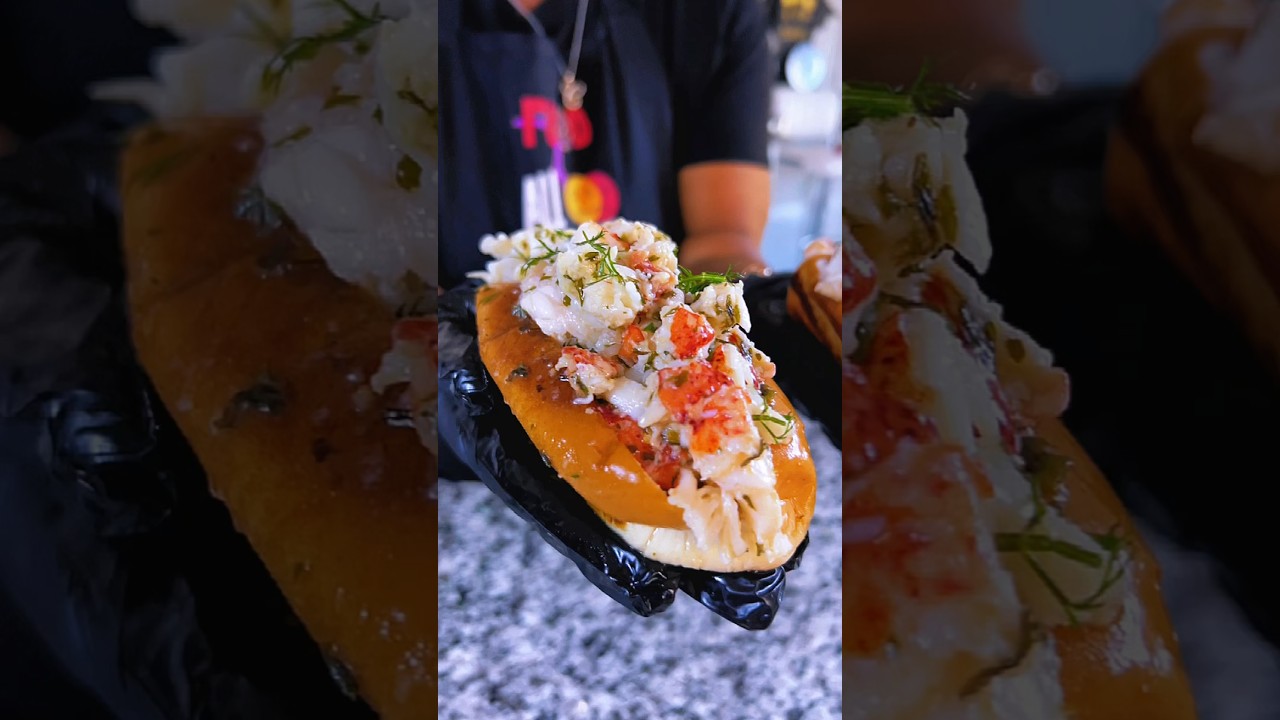
“The lobster roll is one of the most frequently destroyed sandwiches in home cooking. Not because it's technically hard — it's not — but because people bury the main ingredient under a half-cup of mayonnaise and call it done. Lobster is sweet, delicate, and oceanic. The dressing should amplify that, not smother it. Get the ratio right and use a bun that can structurally hold up under the filling, and you have one of the best 20-minute lunches in existence.”
Why This Recipe Works
A lobster roll has four components: the lobster, the dressing, the bun, and the heat contrast between them. Most home versions fail because they treat the dressing as the star and the bun as an afterthought. Both choices are backwards.
The Lobster Is the Point
This seems obvious until you see someone make a lobster roll with half a cup of mayonnaise and two tablespoons of lemon juice per pound of meat. At that ratio, you are eating a mayo sandwich with lobster flavoring. The correct ratio inverts the instinct: use enough dressing to coat the chunks and create cohesion, nothing more. You should be able to see the pink-white color and irregular texture of the lobster through the dressing. If the bowl looks uniformly white, you've gone too far.
The chunk size matters for the same reason. Lobster broken into half-inch pieces or smaller becomes textural noise — you lose the bite that registers as "lobster" and it starts reading as "seafood salad." Keep pieces at one inch or larger. This is especially important if you're using a lighter dressing, because the chunks carry the flavor impact the heavy dressing used to provide.
The Dressing Architecture
Greek yogurt and mayo at a 2.5:1 ratio solves the coverage problem without sacrificing creaminess. The yogurt is thicker than mayo at full volume, so it clings to the lobster rather than pooling at the bottom of the bowl. The lemon juice and Dijon mustard do two things: they cut through the dairy fat so the dressing tastes bright instead of heavy, and the mustard acts as an emulsifier that keeps the mixture cohesive as it sits.
Celery is structural. It provides the percussive crunch that keeps each bite from feeling like a smooth paste. Tarragon — classically the lobster herb — contributes a mild anise note that echoes the natural sweetness of the shellfish without competing with it. Use a light hand. Fresh herbs in a cold seafood application are powerful.
The Bun Is Not Neutral
The top-split bun exists specifically for lobster rolls. Its flat sides sit flush against the skillet, allowing both faces to toast evenly in buttered contact with the pan. The toasted exterior does something the untoasted bun cannot: it creates a brief structural moment where the bread holds its shape under a generous pile of cold, wet filling. That window is about four minutes before the moisture migrates through. You eat within that window.
The butter isn't just flavor. Fat creates a hydrophobic barrier on the bread surface that delays moisture penetration from the filling. This is the same principle as buttering the inside of a grilled cheese before adding the filling — the fat buys you time. Olive oil works too, and produces a lighter, slightly fruity result, but butter gives you more control over browning speed.
The Temperature Contrast Is the Experience
Cold lobster salad against a warm, butter-toasted bun is not a nice-to-have. It is the defining sensory characteristic of a proper lobster roll — the thing that separates it from lobster salad on bread. Once the bun cools to room temperature, you lose the contrast and the dish flattens out into something forgettable. Toast the buns last. Fill them immediately. Serve them before anyone has finished pouring their drinks.
Twenty minutes from start to table. That's the promise of this dish, and it's not a lie — as long as you don't overcomplicate the dressing.
Where Beginners Mess This Up
Before we start, read this. These are the 4 reasons your the classic lobster roll (stop drowning it in mayo) will fail:
- 1
Too much mayo, not enough lobster flavor: Heavy mayo coats every surface of the meat and neutralizes the brine and sweetness that makes lobster worth buying. The dressing should cling lightly to the chunks — you should still see the texture and color of the meat. A Greek yogurt and mayo blend gets you the creaminess without the blanket effect.
- 2
Skipping the bun toast: A soft, untoasted bun turns to wet bread within 60 seconds of filling. The butter-toasted exterior creates a structural barrier that delays moisture penetration and adds a caramelized richness that contrasts with the cold filling. This step takes 2 minutes and is not optional.
- 3
Breaking up the lobster meat: Lobster rolls are about chunks, not a paste. Fold the dressing in gently with a rubber spatula — no stirring, no aggressive mixing. If you can't see individual pieces of lobster when you're done, you've overmixed.
- 4
Serving it cold on a cold bun: The contrast of warm, butter-toasted bun against cool lobster salad is the entire sensory point of the dish. Serve immediately after toasting. If the bun cools down before it hits the table, the meal loses its defining characteristic.
The Video Reference Library
Want to see it in action? Here are the exact videos we analyzed and combined to build this foolproof recipe translation:
The source video for this recipe — demonstrates the folding technique and bun-toasting method clearly. Pay attention to how little the dressing is used relative to the lobster volume.
🛠️ Core Equipment
- Large flat skillet or griddleFor toasting the buns cut-side down with even contact across the entire surface. A curved or warped pan produces uneven toast with raw patches in the center.
- Rubber spatulaFolding lobster into dressing requires a gentle, lifting motion that a spoon or fork will destroy. The flat edge of a spatula lets you incorporate without breaking the meat into shreds.
- Large mixing bowlYou need room to fold without spillage. A cramped bowl forces you to stir rather than fold, which destroys the chunk texture you paid for.
- WhiskFor fully emulsifying the yogurt, mayo, lemon juice, and mustard before it touches the lobster. Lumpy dressing coats unevenly.
The Classic Lobster Roll (Stop Drowning It in Mayo)
🛒 Ingredients
- ✦1.5 pounds cooked lobster meat, roughly chopped into 1-inch pieces
- ✦2/3 cup plain Greek yogurt
- ✦1/4 cup mayonnaise
- ✦2 tablespoons fresh lemon juice
- ✦1 tablespoon Dijon mustard
- ✦2 stalks fresh celery, finely diced
- ✦1/4 cup fresh scallions, thinly sliced
- ✦2 tablespoons fresh tarragon, finely chopped
- ✦1/4 teaspoon paprika
- ✦1 pinch cayenne pepper
- ✦1/2 teaspoon kosher salt
- ✦1/4 teaspoon freshly cracked black pepper
- ✦4 top-split lobster roll buns or hot dog buns
- ✦2 tablespoons unsalted butter, softened
- ✦2 cups fresh mixed greens or butter lettuce
- ✦1 lemon, cut into wedges for serving
👨🍳 Instructions
01Step 1
Pick through the lobster meat and remove any shell fragments. Cut or break into roughly 1-inch pieces and transfer to a large mixing bowl.
02Step 2
In a separate bowl, whisk together the Greek yogurt, mayonnaise, lemon juice, and Dijon mustard until completely smooth.
03Step 3
Pour the dressing over the lobster meat and fold gently with a rubber spatula using a lifting motion — not stirring — until the dressing just coats the chunks.
04Step 4
Add the diced celery, scallions, tarragon, paprika, and cayenne. Fold again until evenly distributed. Season with salt and pepper, taste, and adjust.
05Step 5
Spread softened butter evenly across the cut interior surfaces of each bun.
06Step 6
Heat a large [skillet](/kitchen-gear/review/cast-iron-skillet) over medium heat. Place buns cut-side down and toast until golden brown with slight color, 2 to 3 minutes. Remove and rest for 1 minute.
07Step 7
Line each toasted bun with a small handful of fresh mixed greens or butter lettuce.
08Step 8
Divide the lobster mixture evenly among the four buns, mounding it generously. Serve immediately with a lemon wedge.
Nutrition Per Serving
Estimates based on standard preparation. Adjustments alter macros.
🔄 Substitutions
Instead of Mayonnaise and Greek yogurt blend...
Use Full Greek yogurt only
Noticeably tangier and lighter. Works well if you want to reduce calories further. Add an extra teaspoon of Dijon to compensate for the lost richness.
Instead of Fresh tarragon...
Use Fresh dill or fresh chives
Dill is the most common lobster herb substitution and works beautifully. Chives offer a gentler onion note. Both are widely available and complement shellfish without overpowering.
Instead of Butter for toasting...
Use Extra virgin olive oil
Produces a slightly lighter, less rich bun with a subtle fruity finish. Still toasts evenly. Good choice if you're serving someone avoiding dairy.
Instead of Top-split hot dog buns...
Use Brioche hot dog buns
Richer and slightly sweeter. Toast more quickly — watch them closely at medium heat. The buttery crumb pairs well with the lobster but can feel heavy if you overdo the filling.
🧊 Storage & Reheating
In the Fridge
Store the lobster salad (unfilled) in an airtight container for up to 2 days. Do not pre-assemble rolls — the bun will go soggy within an hour. Toast buns fresh when ready to serve.
In the Freezer
Not recommended. Cooked lobster meat texturally degrades significantly after freezing in a dressed state. If freezing is necessary, freeze the plain cooked lobster meat only, before any dressing is added.
Reheating Rules
The lobster salad is served cold — no reheating needed. Toast a fresh bun and assemble. Never microwave filled lobster rolls.
❓ Frequently Asked Questions
Can I use frozen lobster meat instead of fresh?
Yes, and in many non-coastal markets it's the better choice. Look for wild-caught cold water lobster tails from Maine or Atlantic Canada. Thaw overnight in the refrigerator, never in hot water. Pat completely dry before chopping — excess moisture dilutes the dressing and makes the filling watery.
Why Greek yogurt instead of all mayo?
Mayo at full volume coats the lobster so heavily that you stop tasting the shellfish and start tasting the dressing. Greek yogurt cuts the fat and richness while keeping the creaminess intact. The slight tang also brightens the overall flavor in a way that straight mayo doesn't. You still use some mayo — enough for body and flavor — but the yogurt carries the volume.
What's the difference between Maine-style and Connecticut-style lobster rolls?
Maine-style is cold: lobster tossed in a mayo-based dressing, served in a toasted bun with lettuce. Connecticut-style is warm: lobster tossed in hot brown butter, no mayo, served immediately in a toasted bun. This recipe is Maine-style. Neither is more authentic — they're regional variants with equal standing.
My lobster filling is watery. What happened?
Two possible causes: the lobster meat wasn't patted dry before dressing, or the dressing was mixed too far in advance and the salt drew moisture out of the celery and scallions. Always dry the meat thoroughly, and if making ahead, hold the dressing and lobster separate until 30 minutes before serving.
Can I make this dairy-free?
Yes. Use a dairy-free mayo (most standard mayos are already dairy-free) and swap the Greek yogurt for a plant-based plain yogurt with similar thickness — coconut or cashew-based work well. For the bun, brush with olive oil instead of butter. The flavor profile shifts slightly but the structure holds.
What sides go with lobster rolls?
Classic pairings: kettle chips (for crunch contrast), a simple coleslaw, or a cup of New England clam chowder. Avoid heavy, hot sides that compete with the cold, delicate filling. The roll is the main event — keep everything else light.
The Science of
The Classic Lobster Roll (Stop Drowning It in Mayo)
We turned everything on this page into a beautiful, flour-proof PDF cheat sheet. Print it out, stick it to your fridge, and never mess up your the classic lobster roll (stop drowning it in mayo) again.
*We'll email you the high-res PDF instantly. No spam, just perfectly cooked meals.
AlmostChefs Editorial Team
We translate the internet's most popular cooking videos into foolproof, beginner-friendly written recipes. We analyze multiple methods, test them in our kitchen, and engineer a single "Master Recipe" that gives you the best possible result with the least possible stress.