Lobster Mac and Cheese (The Upgrade Your Comfort Food Deserves)
Tender lobster tails folded into a silky roux-based cheese sauce with sharp white cheddar and gruyere, finished under the broiler for a golden panko crust. We broke down the technique so the sauce never breaks, the lobster never toughens, and every bite tastes like you meant it.
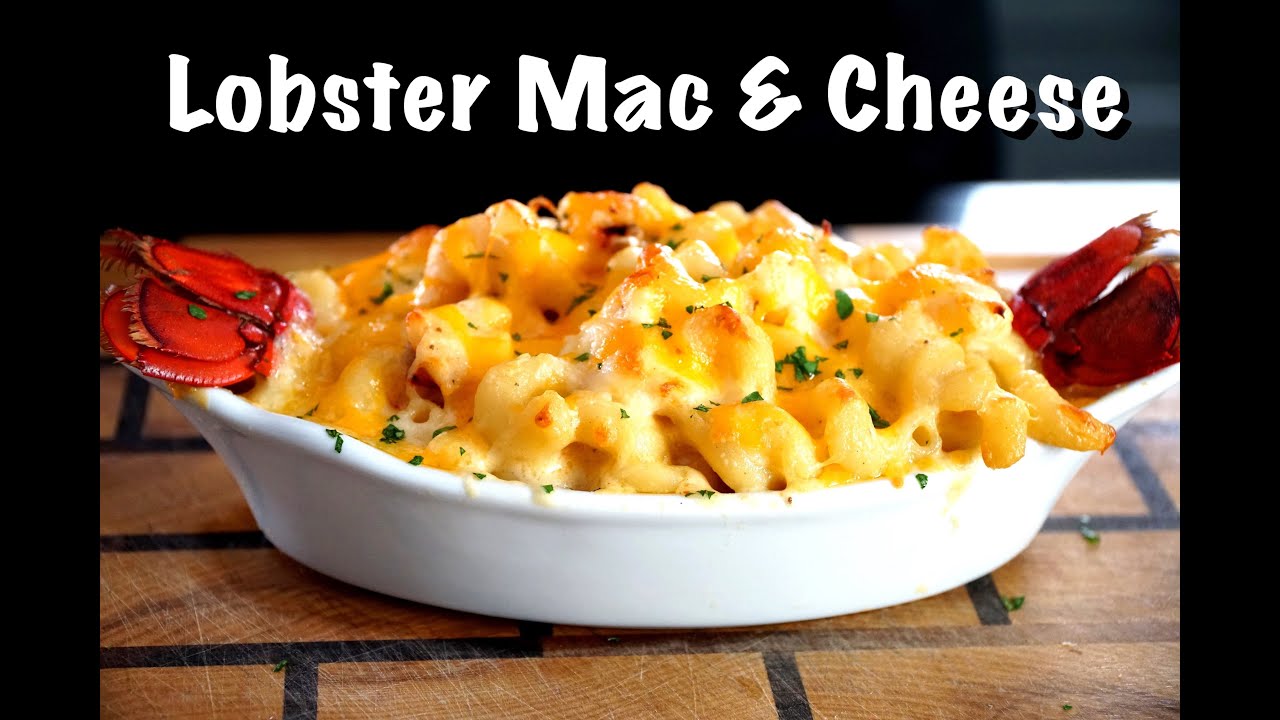
“Mac and cheese is the most forgiving dish in American cooking — until you add lobster. Then every shortcut shows. Grainy sauce, rubbery lobster, a topping that went from raw to burnt in thirty seconds. This recipe solves all three by treating the sauce and the lobster as separate problems that happen to share a baking dish.”
Why This Recipe Works
Lobster mac and cheese sits at the intersection of two completely different cooking problems. The first is a sauce problem. The second is a protein problem. Most recipes treat them as one problem and solve neither correctly.
The Sauce Is a Béchamel. Treat It Like One.
Every great mac and cheese starts with a roux — equal parts fat and flour cooked together before liquid is introduced. The purpose of the roux is to coat the flour's starch granules in fat so they hydrate gradually and evenly when milk is added, rather than clumping into pockets of raw paste. This is why two full minutes of cooking the roux matters: you are driving off the raw flour flavor and ensuring every starch granule is properly suspended in fat before the liquid arrives.
The milk and cream go in slowly, with constant whisking. There is no shortcut here. Pour too fast and you create lumps that no amount of whisking will fully break up. The sauce should look completely smooth before you increase the heat to thicken it.
Off-heat cheese addition is the single most important technique in this recipe. Cheese is not an ingredient you add to a hot liquid — it's an ingredient you melt into a warm one. The difference is whether the proteins have time to incorporate gently or whether they seize, clump, and send the fat running for the edges of the pan. Pull the heavy-bottomed saucepan off the burner before any cheese touches the sauce. Add it in three batches. Stir slowly after each one. What you get is a sauce that looks like poured silk.
The Lobster Problem
Lobster tail meat has almost no connective tissue. This is why it's tender. It's also why it becomes rubber at speed — there's nothing to break down slowly over heat, only delicate muscle fibers that contract and tighten the moment they're exposed to excess temperature.
The correct technique: fold the lobster in after the pan is off the heat, after the cheese is melted, after the pasta is already coated. The residual warmth of the sauce — still hovering around 140-150°F off the burner — is exactly enough to warm the lobster through without cooking it further. It goes into the oven already at serving temperature. The broiler step is for the topping, not the lobster.
This is the step that separates every good lobster mac from every mediocre one. The lobster should taste like lobster: sweet, faintly briny, almost buttery. If it tastes like firm white protein, it cooked too long.
The Broiler Finish
The panko-Parmigiano topping exists for one reason: textural contrast. Without it, lobster mac is a single, uniform texture from the first bite to the last. The broiler converts the panko from pale and soft to shatteringly crisp in under three minutes, creating a top layer that cracks when you spoon through it and releases a burst of steam from below.
A broiler-safe baking dish in ceramic or cast iron is essential — glass risks thermal shock under direct broiler heat and isn't worth the gamble on a dish this expensive. Watch the topping from the moment it goes under the heat. Thirty seconds is the margin between golden and incinerated.
The two-minute rest before serving is not optional. It's when the sauce transitions from loose and pourable to properly clingy, coating each piece of pasta rather than pooling at the bottom of the bowl. Serve immediately and you're spooning soup. Wait and you're serving mac and cheese.
Where Beginners Mess This Up
Before we start, read this. These are the 4 reasons your lobster mac and cheese (the upgrade your comfort food deserves) will fail:
- 1
Adding cheese to a sauce that's too hot: Dump shredded cheddar into a boiling béchamel and the proteins seize, the fat separates, and you get a greasy, grainy mess. Remove the pan from heat before adding cheese. The residual warmth melts it slowly and evenly without breaking the emulsion.
- 2
Overcooking the lobster: Lobster tail meat goes from silky to squeaky rubber in about ninety seconds of excess heat. The lobster should go into the sauce after the pan is off the burner — the residual heat from the pasta and sauce is enough to finish it. It does not need to cook. It needs to warm.
- 3
Undercooking the roux: Two minutes of cooking the flour in butter is not optional — it's what drives off the raw starch flavor that makes béchamel taste like wallpaper paste. Stir constantly. The paste should smell faintly nutty and look dry and matte before you add a single drop of milk.
- 4
Forgetting to salt the pasta water: The cheese sauce is rich but measured in its salt. Pasta cooked in unsalted water is insipid at its core — no amount of sauce fixes that. Salt the water until it tastes like mild seawater.
The Video Reference Library
Want to see it in action? Here are the exact videos we analyzed and combined to build this foolproof recipe translation:
The source video for this recipe's core technique. Clear demonstration of roux consistency, the off-heat cheese addition method, and broiler timing for the panko crust.
🛠️ Core Equipment
- Heavy-bottomed saucepanEven heat distribution prevents hot spots that scorch the roux or cause the cheese to seize. A thin pan is the fastest route to a grainy sauce.
- WhiskNon-negotiable for a lump-free béchamel. A spoon won't cut it — you need the wires to break up any clumps the instant they form as you add the milk.
- Broiler-safe baking dishThe broiler finish is what separates lobster mac from glorified pasta soup. Ceramic or cast iron holds heat well and gives you the golden crust. Glass risks cracking under direct broiler heat.
- Box graterPre-shredded cheese is coated in anti-caking agents that actively prevent smooth melting. Grate your own cheddar and gruyere immediately before use.
Lobster Mac and Cheese (The Upgrade Your Comfort Food Deserves)
🛒 Ingredients
- ✦1 pound whole wheat elbow pasta
- ✦1.5 pounds lobster tail meat, cut into bite-sized pieces
- ✦4 tablespoons unsalted butter
- ✦3 tablespoons all-purpose flour
- ✦1.5 cups low-fat milk
- ✦3/4 cup heavy cream
- ✦1.5 cups sharp white cheddar cheese, freshly grated
- ✦1/2 cup gruyere cheese, freshly grated
- ✦2 cloves garlic, minced
- ✦1 teaspoon Dijon mustard
- ✦1/4 teaspoon cayenne pepper
- ✦1 teaspoon fresh thyme leaves
- ✦1/2 teaspoon sea salt
- ✦1/4 teaspoon freshly ground black pepper
- ✦Pinch of nutmeg
- ✦1 tablespoon panko breadcrumbs
- ✦1 tablespoon Parmigiano-Reggiano, grated
- ✦2 tablespoons fresh chives, chopped
👨🍳 Instructions
01Step 1
Bring a large pot of heavily salted water to a rolling boil. Cook the whole wheat pasta until just al dente, 8-10 minutes. Drain and set aside.
02Step 2
Melt butter in a heavy-bottomed saucepan over medium heat. Add minced garlic and sauté for 1 minute until fragrant.
03Step 3
Whisk in the flour to form a smooth paste. Cook for 2 full minutes, stirring constantly, until the roux smells faintly nutty and looks dry and matte.
04Step 4
Gradually pour in the milk in a slow, steady stream while whisking vigorously. Add the heavy cream and continue whisking until completely smooth.
05Step 5
Increase heat to medium-high and bring to a gentle simmer, stirring frequently, for 5-7 minutes until the sauce coats the back of a spoon.
06Step 6
Remove the saucepan from heat. Stir in the Dijon mustard, cayenne, thyme, nutmeg, salt, and black pepper.
07Step 7
Add the grated cheddar and gruyere in three batches, stirring gently after each addition until fully melted and smooth.
08Step 8
Fold in the cooked pasta until evenly coated. Gently incorporate the lobster meat, taking care not to break up the pieces.
09Step 9
Transfer the mixture to a buttered broiler-safe baking dish and spread evenly.
10Step 10
Combine panko and Parmigiano-Reggiano in a small bowl. Sprinkle evenly over the top.
11Step 11
Broil under a preheated broiler for 2-3 minutes until the topping is golden brown and crispy. Watch it constantly — it goes from golden to burnt in under a minute.
12Step 12
Rest for 2 minutes before serving. Garnish with fresh chives.
Nutrition Per Serving
Estimates based on standard preparation. Adjustments alter macros.
🔄 Substitutions
Instead of Heavy cream...
Use Greek yogurt or crème fraîche
Slightly tangier flavor profile with lower fat content. Stir in off-heat to prevent curdling. The sauce will be marginally thinner — compensate by using a touch less milk.
Instead of All-purpose flour...
Use Cornstarch or rice flour
Use about half the quantity — cornstarch is a stronger thickener. Whisk into cold milk before adding to the butter to prevent clumping. The sauce texture is slightly more delicate.
Instead of Sharp white cheddar and gruyere...
Use Aged gouda and smoked paprika cheddar
Deeper, more complex flavor with subtle smokiness. Aged gouda melts beautifully and adds a fudgy richness. A legitimate upgrade for anyone who wants to deviate from the classic profile.
Instead of Panko breadcrumb topping...
Use Crushed walnuts mixed with panko (50/50)
Adds nutty texture and nutritional density without sacrificing crispness. Toast the walnut-panko mixture in a dry pan for 2 minutes before topping to maximize crunch under the broiler.
🧊 Storage & Reheating
In the Fridge
Store in an airtight container for up to 3 days. The pasta will absorb sauce as it sits — it reheats denser than it started, which is not a bad thing.
In the Freezer
Freeze before broiling for best results. Thaw overnight in the fridge and broil fresh. Already-broiled portions freeze adequately for up to 1 month but lose some topping texture.
Reheating Rules
Add a splash of milk, cover with foil, and reheat at 325°F for 15-20 minutes. Avoid the microwave — it makes the lobster rubbery and the sauce oily.
❓ Frequently Asked Questions
Why did my cheese sauce turn grainy?
Heat is almost always the culprit. Cheese needs to melt slowly into warm liquid, not cook. If the sauce was still simmering when you added the cheese, the proteins seized and the fat separated. Remove the pan from heat completely before adding any cheese, and add it in batches.
Can I use pre-cooked lobster instead of fresh?
Yes, and it's arguably better for this recipe since the lobster is going in off-heat anyway. Pre-cooked lobster meat from a good fishmonger works perfectly. Avoid imitation crab or artificially flavored surimi — the flavor difference is not subtle.
My sauce was perfect but it turned oily in the oven. What happened?
The baking dish was too hot when the pasta went in, or the oven temperature was too high. This recipe uses the broiler for a brief finish, not a long bake. If you're adapting this to a full bake, keep the temperature at 350°F and cover with foil for the first 15 minutes.
Can I make this ahead of time?
Assemble everything up to the panko topping, cover, and refrigerate for up to 24 hours. Add the topping just before broiling. Broiling cold from the fridge will take an extra minute — watch it closely.
What pasta shape works besides elbows?
Cavatappi (corkscrew) is the upgrade — the spiral shape holds sauce in its ridges better than any elbow. Shells work similarly. Avoid long pasta shapes like penne or rigatoni; they don't mix into baked mac with the same cohesion.
Is there a way to make this without the broiler step?
You can skip it, but you lose the textural contrast that makes baked mac worthwhile. If you have no broiler-safe dish, a 3-minute stint under a kitchen torch on the topping accomplishes the same thing. Or accept a saucier, softer result and serve directly from the pot.
The Science of
Lobster Mac and Cheese (The Upgrade Your Comfort Food Deserves)
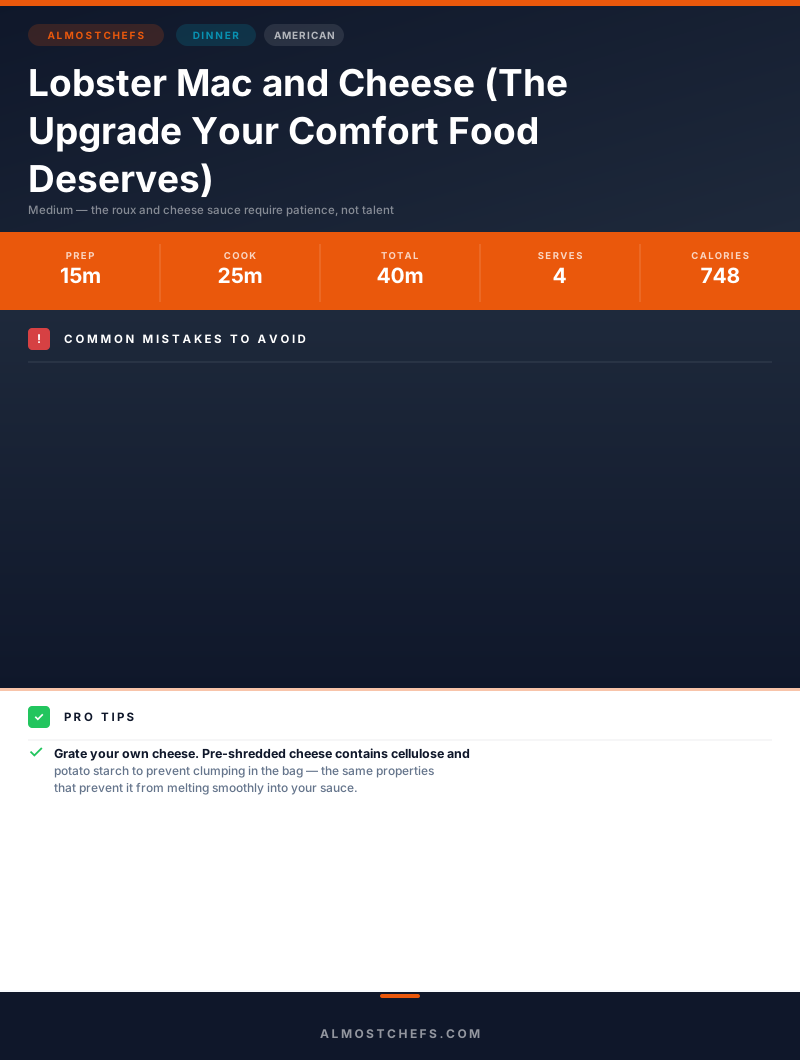
We turned everything on this page into a beautiful, flour-proof PDF cheat sheet. Print it out, stick it to your fridge, and never mess up your lobster mac and cheese (the upgrade your comfort food deserves) again.
*We'll email you the high-res PDF instantly. No spam, just perfectly cooked meals.
AlmostChefs Editorial Team
We translate the internet's most popular cooking videos into foolproof, beginner-friendly written recipes. We analyze multiple methods, test them in our kitchen, and engineer a single "Master Recipe" that gives you the best possible result with the least possible stress.