Velvety Lobster Bisque (Restaurant Quality at Home)
A luxurious, creamy French seafood soup built on a deeply reduced lobster stock, sweet aromatic vegetables, and a finish of heavy cream. We synthesized the most reliable techniques to build one foolproof method that nails the silky texture every time — no fancy equipment required.
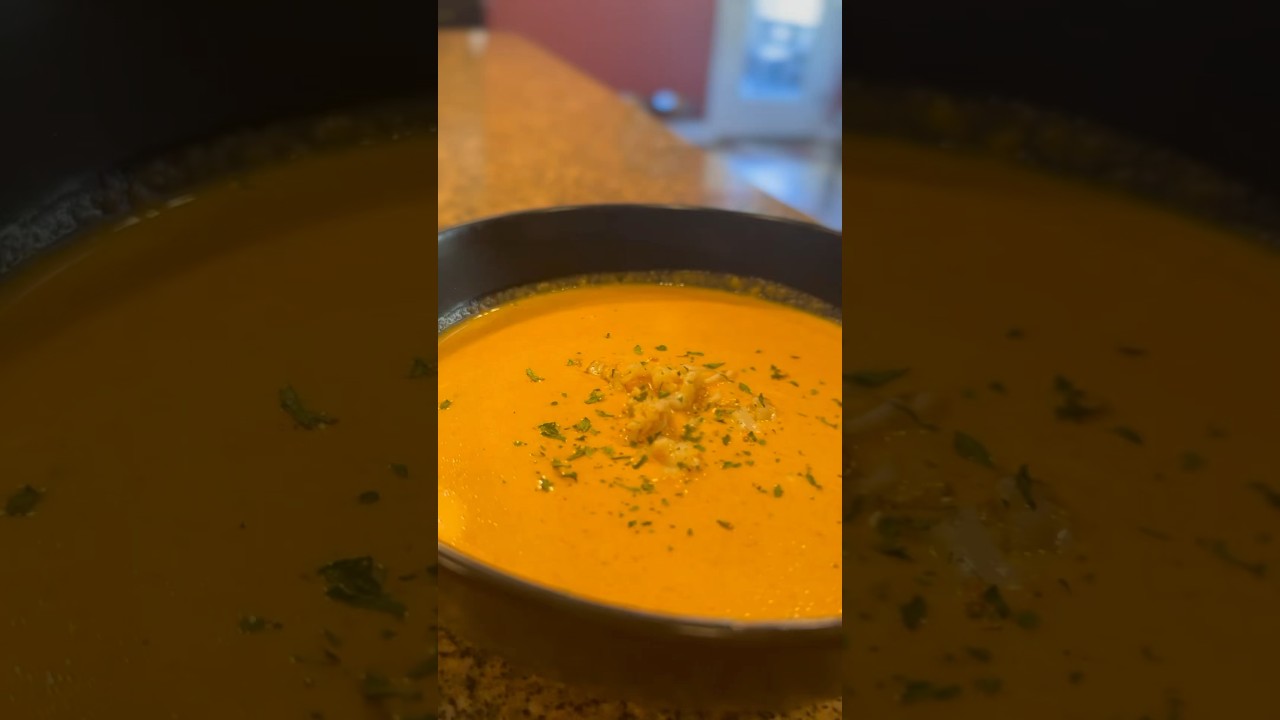
“Most homemade bisque fails at the same place: people treat it like a cream soup with lobster dropped in at the end. Real bisque is built from the bottom up — the aromatics, the deglaze, the reduction. Get those three things right and the cream is just the finish coat on a wall you already built properly.”
Why This Recipe Works
Lobster bisque is not a difficult recipe. It is, however, a recipe where every shortcut compounds against you. The difference between bisque that tastes like something from a fine dining menu and bisque that tastes like cream of mushroom with ambition is almost entirely in the execution of three foundational steps: the mirepoix, the tomato paste cook-down, and the deglaze. Everything else is assembly.
The Foundation You Can't Skip
Bisque is a classical French soup, and the French did not become the global authority on sauces by rushing their aromatics. The mirepoix — onion, celery, carrot — needs to cook for a full eight minutes before anything else happens. Not five minutes, not until it softens slightly. Eight minutes, over medium-high heat, stirring enough to prevent burning but infrequently enough to let the vegetables actually cook through.
What you're doing during those eight minutes is drawing moisture out of the vegetables while their cell walls break down. The sugars in the onion begin to caramelize gently. The celery releases its aromatic compounds. The carrot softens to the point where it will blend seamlessly later. This vegetable base is what gives the bisque its body — not the cream, which people habitually credit with everything.
What Tomato Paste Actually Does
Most recipes instruct you to "add tomato paste and stir." That instruction, followed too literally, produces a bisque with a flat, slightly acidic background note that you can never quite identify but always bothers you. The paste needs two full minutes of contact with the hot pot, stirred constantly, to undergo the Maillard reaction. It will shift from bright red to rust. It will smell more savory than acidic. When that transformation happens, you are not adding tomato flavor to your bisque — you are adding umami. It is a different ingredient entirely once it's been cooked.
The Deglaze Is Not Decorative
When you add sherry to the hot pot after the tomato paste, it immediately lifts every caramelized bit of fond that has accumulated on the pot bottom. That fond is concentrated flavor — rendered vegetable sugars, caramelized proteins, deepened tomato compounds. Without the deglaze, all of that stays stuck to the pot and eventually burns. The sherry carries it into the soup where it belongs.
Dry sherry is the classical choice here. It has the acid to lift the fond and the subtle sweetness to bridge the rich cream that comes later. White wine works. Avoid anything sweet, anything too aggressively tannic, and anything you wouldn't drink — if it tastes bad in a glass, it tastes bad in a soup.
Blending and What Comes After
Once you've built the flavor base and simmered it for 15 minutes, the immersion blender does something important: it creates emulsification. The starches released from the vegetables, the fat from the butter, and the water-based stock all bind together into a uniform suspension. That is the silkiness you are chasing. It has nothing to do with cream at this stage.
The cream is added last for a reason. It is a finishing element, not a cooking medium. It rounds the sharp edges of the stock, enriches the texture, and carries the cayenne and tarragon aromatics evenly through every spoonful. But it requires gentle heat — a bare simmer. The moment bisque boils after cream is added, the emulsion breaks, the fat separates, and you have a greasy soup with no straightforward rescue.
The Lobster Question
Use good lobster. This sounds obvious, but the quality of the cooked lobster meat you add at the finish determines the ceiling of the dish. Frozen tails, thawed and chopped, work well if properly dried. Pre-cooked lobster meat from a fishmonger works even better. What the bisque cannot overcome is waterlogged, low-quality seafood — the base will be rich, but the lobster chunks will taste like nothing.
If you want to build even more depth, simmer the lobster shells in your chicken broth for 20 minutes before you start. Strain and use that enriched broth in place of plain chicken broth. It costs you 20 minutes and transforms the soup from very good to exceptional.
Where Beginners Mess This Up
Before we start, read this. These are the 4 reasons your velvety lobster bisque (restaurant quality at home) will fail:
- 1
Rushing the mirepoix: The onion, celery, and carrot base needs a full 8 minutes over medium-high heat to soften and begin releasing their natural sugars. Pull them early and your bisque tastes thin and raw. The vegetables are the flavor foundation — everything else is refinement.
- 2
Skipping the tomato paste cook-down: Two minutes of constant stirring on the tomato paste is not optional. Raw paste tastes acidic and flat. Cooked paste caramelizes and turns deeply savory, contributing color and umami that you cannot get any other way. This step takes two minutes. Do not skip it.
- 3
Blending too aggressively or not enough: Under-blended bisque is chunky. Over-blended bisque creates foam and loses its velvety weight. Use an immersion blender in slow, deliberate passes until the soup is completely smooth — then stop. If using a countertop blender, work in small batches and never fill past halfway with hot liquid.
- 4
Boiling after adding cream: Heavy cream breaks at a hard boil, turning the bisque greasy and grainy. Once the cream goes in, the heat drops to a gentle simmer — no exceptions. You are finishing the soup, not cooking it further.
The Video Reference Library
Want to see it in action? Here are the exact videos we analyzed and combined to build this foolproof recipe translation:
The primary reference video demonstrating the full bisque method from mirepoix to cream finish. Clear close-ups of the tomato paste cook-down and the blending stage.
🛠️ Core Equipment
- Heavy-bottomed pot or Dutch ovenEven heat distribution prevents hot spots that scorch the mirepoix before it softens. A [Dutch oven](/kitchen-gear/review/dutch-oven) gives you the mass and conductivity this recipe needs.
- Immersion blenderThe fastest, safest way to puree hot soup directly in the pot. An [immersion blender](/kitchen-gear/review/immersion-blender) eliminates the danger of transferring scalding liquid to a countertop blender and gives you precise control over texture.
- Fine-mesh sieveOptional but strongly recommended — straining the bisque after blending removes any remaining fibrous bits from the celery and carrot, giving you that true restaurant-grade silkiness.
- Wooden spoonEssential for deglazing. You need something rigid enough to scrape the fond from the pot bottom when the sherry hits the pan. Silicone spatulas work too, but a flat-edged wooden spoon is more effective.
Velvety Lobster Bisque (Restaurant Quality at Home)
🛒 Ingredients
- ✦3 tablespoons unsalted butter
- ✦2 medium yellow onions, finely diced
- ✦3 stalks celery, diced small
- ✦2 large carrots, peeled and diced
- ✦4 cloves garlic, minced
- ✦2 tablespoons tomato paste
- ✦2 tablespoons dry sherry or white wine
- ✦2 cups lobster or seafood stock
- ✦1 cup chicken broth
- ✦2 bay leaves
- ✦1 teaspoon dried tarragon
- ✦1/2 teaspoon cayenne pepper
- ✦1 pound lobster meat, cooked and chopped
- ✦1 cup heavy cream
- ✦Salt and freshly cracked black pepper to taste
- ✦1/4 cup fresh chives, chopped for garnish
👨🍳 Instructions
01Step 1
Melt butter in a large heavy-bottomed pot over medium-high heat until the foaming subsides, about 1 minute.
02Step 2
Add the diced onions, celery, and carrots. Sauté, stirring occasionally, until soft and fragrant — approximately 8 minutes.
03Step 3
Stir in the minced garlic and cook for 1 additional minute until the raw garlic smell disappears.
04Step 4
Add the tomato paste and stir constantly for 2 minutes, letting it caramelize and darken slightly.
05Step 5
Pour in the sherry and scrape up any browned bits from the pot bottom with a wooden spoon. Let it reduce for 30 seconds.
06Step 6
Add the lobster stock, chicken broth, bay leaves, and tarragon. Bring to a gentle boil, then reduce heat and simmer uncovered for 15 minutes.
07Step 7
Remove and discard the bay leaves. Use an immersion blender to puree the soup until completely smooth.
08Step 8
Stir in the chopped lobster meat and heavy cream. Season with cayenne, salt, and black pepper.
09Step 9
Simmer gently for 5 minutes without boiling to incorporate the cream and warm the lobster through.
10Step 10
Ladle into serving bowls and garnish with fresh chives. Serve immediately.
Nutrition Per Serving
Estimates based on standard preparation. Adjustments alter macros.
🔄 Substitutions
Instead of Heavy cream...
Use 3/4 cup half-and-half plus 1/4 cup plain Greek yogurt
Slightly tangier finish with equally smooth texture. Reduces saturated fat meaningfully without sacrificing the bisque's body.
Instead of Unsalted butter...
Use Extra virgin olive oil (2 tablespoons)
More Mediterranean flavor profile. Reduces saturated fat. Use slightly less than the butter quantity — olive oil is more fluid and the mirepoix will cook faster.
Instead of Chicken broth...
Use Low-sodium vegetable broth
Lighter overall flavor that lets the lobster dominate. Reduces sodium content. Works best when the lobster stock is good quality.
Instead of Tomato paste...
Use 1/2 cup finely diced fresh tomato, cooked down
Brighter, fresher acidity with more natural texture. Cook the tomato the same way you would the paste — let it reduce and concentrate before adding liquid.
🧊 Storage & Reheating
In the Fridge
Store the bisque base (without cream and lobster) for up to 3 days in an airtight container. Add cream and lobster only when reheating. If storing fully assembled bisque, consume within 2 days.
In the Freezer
Freeze the base only — cream-based soups separate on freezing. Store for up to 2 months. Thaw overnight in the refrigerator, reheat gently, then finish with fresh cream and lobster.
Reheating Rules
Reheat over low heat, stirring frequently. Never boil. If the bisque has thickened in the fridge, loosen with a splash of seafood stock or broth before warming.
❓ Frequently Asked Questions
Can I use frozen lobster meat?
Yes. Thaw it fully in the refrigerator overnight and pat dry before chopping. Frozen lobster releases more water than fresh, so pat it dry thoroughly — excess moisture dilutes the bisque at the finish.
Why does my bisque taste flat?
Two likely culprits: the tomato paste wasn't cooked long enough to caramelize, or the fond from the deglaze wasn't scraped up completely. Both steps build the foundational savory depth. A third possibility — your stock was too mild. Bisque is only as rich as the liquid it's built on.
My bisque broke and looks greasy. What happened?
The cream was added to soup that was too hot, or it boiled after the cream went in. The fat separated from the liquid. To rescue it: remove from heat, let it cool slightly, and whisk vigorously while adding a small splash of cold broth. It may not fully recover, but it will improve.
Do I need real lobster or can I use imitation?
Imitation crab (surimi) will not produce a proper bisque. The flavor profile is entirely different and the texture breaks down in cream. If cost is the concern, langostino or shrimp are legitimate substitutes that behave similarly to lobster in this application.
Can I make this bisque dairy-free?
Full coconut cream is the most reliable dairy-free substitute for heavy cream here. It contributes body and richness, though it adds a mild tropical note. Use full-fat coconut cream, not coconut milk — the lower fat content won't give you the same texture.
How do I get that deep orange-red color?
The color comes from properly caramelized tomato paste and quality seafood stock. If your bisque looks pale, the tomato paste didn't cook long enough or your stock was too light. A pinch of smoked paprika added with the cayenne can deepen the color without changing the flavor significantly.
The Science of
Velvety Lobster Bisque (Restaurant Quality at Home)
We turned everything on this page into a beautiful, flour-proof PDF cheat sheet. Print it out, stick it to your fridge, and never mess up your velvety lobster bisque (restaurant quality at home) again.
*We'll email you the high-res PDF instantly. No spam, just perfectly cooked meals.
AlmostChefs Editorial Team
We translate the internet's most popular cooking videos into foolproof, beginner-friendly written recipes. We analyze multiple methods, test them in our kitchen, and engineer a single "Master Recipe" that gives you the best possible result with the least possible stress.