Perfect Loaded Baked Potato (The One You'll Actually Make Again)
A crispy-skinned, fluffy-interiors russet potato loaded with sharp cheddar, crispy bacon, sautéed mushrooms, steamed broccoli, and a smoked paprika yogurt cream. We analyzed the most popular methods to build one foolproof technique that nails the skin texture and topping balance every time.
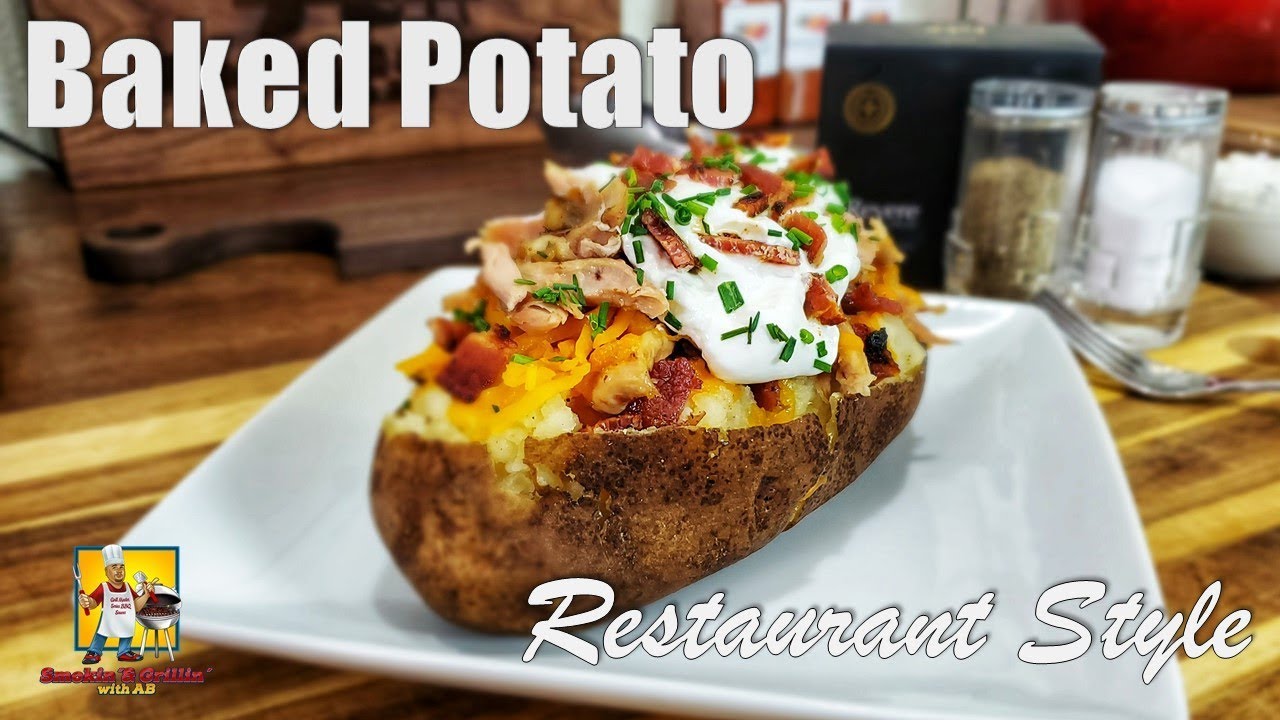
“Most baked potatoes are wrong before they hit the oven. Wrapped in foil, they steam instead of bake — soft skin, waterlogged interior, zero crunch. The loaded potato worth making has skin that shatters slightly when you cut it, a fluffy inside that holds the toppings without becoming soup, and a topping stack that's balanced, not buried. Three things separate a great loaded baked potato from a disappointing one: dry skin before oiling, full direct oven heat with no foil, and toppings that are dry enough not to turn the potato into a swamp.”
Why This Recipe Works
A loaded baked potato is one of the most misunderstood dishes in American home cooking. The concept is simple enough — baked potato, toppings — but the execution gap between a great one and a mediocre one is enormous, and almost entirely traceable to two decisions made before the potato ever hits the oven.
The Foil Problem
Restaurant baked potatoes often come wrapped in foil because it keeps them warm in a holding drawer for service. Home cooks see this and assume foil is part of the technique. It isn't. Foil turns an oven into a steam cabinet around the potato, preventing the dry-heat Maillard reaction that creates crispy skin and trapping moisture that would otherwise escape as steam from the interior. The result is pale, soft, slightly rubbery skin — the kind you eat around rather than eat through.
The fix is simple and irreversible once you try it: place the potato directly on the oven rack with a foil-lined sheet pan one rack below to catch drips. Every surface of the potato is now exposed to 400°F dry air simultaneously. At that temperature, the starch and natural sugars on the skin surface begin browning after about 40 minutes. By 60-70 minutes, you have a shell with genuine textural contrast against the fluffy interior — something that can actually hold a pile of toppings without going limp on contact.
What Happens Inside the Potato
Russets are the correct potato for this application, and not arbitrarily. Their high starch content (compared to waxy varieties like red or fingerling) means that when internal moisture converts to steam during baking, the starch granules swell, separate, and create the characteristic mealy, cloud-like interior texture. Waxy potatoes stay dense and slightly wet-textured regardless of how long you bake them — the starch structure simply doesn't behave the same way under dry heat.
The fluffing step after slicing is not cosmetic. Running a fork lightly through the interior before adding toppings physically separates the starch granules that have already separated during baking, allowing the yogurt-cream layer to penetrate slightly rather than sitting as a puddle on top. This is the difference between toppings that stay integrated into each bite and toppings that slide off in a pile the moment you pick up the fork.
The Topping Architecture
The yogurt-sour cream-paprika blend goes on first, acting as both flavor base and adhesion layer for everything above it. The smoked paprika matters — not as garnish but as a component that distributes through every bite when incorporated into the cream. Sprinkled dry on top, it stays in isolated pockets. Mixed in, it becomes the underlying flavor note that ties the whole topping stack together.
Cheese goes on second while the potato is still hot enough to begin melting it from below. Bacon and mushrooms go on third, and here the order between them matters less than the quality of their preparation. The bacon must be crispy and drained — fat that hasn't been blotted off with paper towels will liquify against the warm potato and make the entire surface greasy. The mushrooms must be genuinely golden — not gray and steamed — because unseared mushrooms contribute only moisture and no flavor. A cast iron skillet or heavy stainless pan over high heat is the only way to achieve this without crowding the pan.
Broccoli goes on fourth, steamed rather than boiled, because boiling waterlogs the florets and they release that water onto the potato on contact. Four to five minutes in a steamer basket preserves both texture and color. Green onions and fresh herbs go on last — right before serving — because they wilt immediately under heat and lose their brightness within minutes.
Why This Version Works Differently
This recipe replaces a full sour cream load with a Greek yogurt-sour cream blend. This isn't a health compromise — it's a structural one. Greek yogurt holds its form at room temperature significantly longer than straight sour cream, which means the topping stack stays coherent through the meal rather than pooling into a liquid mass around the edges after two minutes. The flavor difference is minimal: slightly more tang, slightly cleaner finish, and a texture that reads as richer than it actually is because it doesn't run.
The mushroom addition is the sleeper upgrade in this recipe. Sautéed mushrooms bring glutamate-driven umami that the classic loaded potato — cheese, bacon, cream, onion — is missing. That's why restaurant versions always taste slightly flat compared to what you expect. Add properly seared mushrooms and the topping stack suddenly has bass notes. It goes from a pile of rich things to a dish with actual depth.
Where Beginners Mess This Up
Before we start, read this. These are the 4 reasons your perfect loaded baked potato (the one you'll actually make again) will fail:
- 1
Wrapping the potato in foil: Foil traps moisture against the skin and steams it from the outside in. You get pale, soft, almost rubbery skin that doesn't hold up under toppings. Baking directly on the rack with dry heat is what creates the crispy, slightly salted shell that makes the whole dish worth eating.
- 2
Not drying the potato before oiling: Moisture on the skin surface prevents the olive oil from binding properly, which means uneven crisping. Scrub the potato, then pat it completely dry before rubbing with oil. The oil needs to be in direct contact with the starch, not floating on a film of water.
- 3
Pulling the potato too early: A potato that isn't fully cooked through will be dense and gluey in the center when you fluff it. The test: a fork should slide in with zero resistance at the thickest point. If you feel any firmness at all, it needs more time. Fifty minutes for small potatoes, closer to 70 for large.
- 4
Adding wet toppings directly onto the potato flesh: Sour cream and yogurt go down first as a barrier layer, but if they're too runny or the potato flesh is underdone, all the toppings slide off. Whisking the yogurt-sour cream mixture until thick and spreading it rather than pouring it keeps the topping stack intact.
The Video Reference Library
Want to see it in action? Here are the exact videos we analyzed and combined to build this foolproof recipe translation:
The reference video for this recipe. Covers the direct-rack baking method, topping layering order, and why the yogurt-sour cream blend outperforms plain sour cream for structure and flavor.
🛠️ Core Equipment
- Sheet pan lined with foilPositioned one rack below the potato to catch drips. The potato bakes directly on the rack above it for full heat exposure on all sides — no foil touching the potato itself.
- Cast iron skillet or heavy stainless panFor crisping bacon and sautéing mushrooms. A thin pan won't hold steady heat, which means mushrooms steam instead of brown. You want high, even heat for golden mushrooms — not gray ones.
- Steamer basketBroccoli should be tender-crisp, not waterlogged. Steaming for exactly 4-5 minutes preserves color, texture, and structural integrity. Boiling does none of those things.
- Fine whisk and small mixing bowlFor combining the Greek yogurt, sour cream, and smoked paprika into a smooth, uniform cream. Forks leave lumps. Lumps mean uneven topping distribution.
Perfect Loaded Baked Potato (The One You'll Actually Make Again)
🛒 Ingredients
- ✦4 large russet potatoes
- ✦2 tablespoons olive oil
- ✦1 teaspoon sea salt
- ✦1/2 teaspoon black pepper
- ✦6 slices bacon, chopped
- ✦1 cup sharp cheddar cheese, shredded
- ✦1/2 cup plain Greek yogurt
- ✦1/4 cup sour cream
- ✦4 green onions, thinly sliced
- ✦1/2 cup broccoli florets, finely chopped and steamed
- ✦1/4 cup fresh chives, minced
- ✦2 tablespoons unsalted butter
- ✦1/2 cup mushrooms, finely diced
- ✦1 clove garlic, minced
- ✦1/4 teaspoon smoked paprika
- ✦2 tablespoons fresh parsley, chopped
👨🍳 Instructions
01Step 1
Preheat your oven to 400°F. Line a sheet pan with foil and position it on the lower rack to catch drips. The potatoes will bake on the rack above it — not on the pan.
02Step 2
Scrub each potato under cool running water, then pat completely dry with a clean kitchen towel or paper towels.
03Step 3
Rub each potato evenly with olive oil, then season generously with sea salt and black pepper on all sides.
04Step 4
Place potatoes directly on the oven rack over the foil-lined pan. Bake for 50 to 60 minutes for medium potatoes, 60 to 70 minutes for large, until a fork slides through the center with zero resistance.
05Step 5
While potatoes bake, cook the chopped bacon in a skillet over medium-high heat, stirring occasionally, until crispy and browned, about 8 to 10 minutes. Transfer to a paper towel-lined plate.
06Step 6
In the same skillet, melt butter over medium heat and sauté the diced mushrooms until golden brown, about 6 to 8 minutes. Add minced garlic and cook for 1 minute more until fragrant. Set aside.
07Step 7
Steam the broccoli florets in a steamer basket over boiling water for 4 to 5 minutes until tender-crisp. Set aside.
08Step 8
In a small bowl, whisk together Greek yogurt, sour cream, and smoked paprika until completely smooth.
09Step 9
Remove potatoes from the oven and let rest for 2 to 3 minutes. Slice each in half lengthwise and fluff the interior gently with a fork.
10Step 10
Spread the yogurt-paprika cream evenly across each potato half. Top with shredded cheddar, bacon, mushrooms, broccoli, and green onions.
11Step 11
Garnish with fresh chives and parsley. Serve immediately while still hot.
Nutrition Per Serving
Estimates based on standard preparation. Adjustments alter macros.
🔄 Substitutions
Instead of Sour cream...
Use Plain Greek yogurt or kefir
Slightly tangier with a protein-rich, probiotic base. Greek yogurt also holds its structure better at room temperature, so the topping stays put longer after plating.
Instead of Sharp cheddar...
Use Aged cheddar or a blend of gruyere and nutritional yeast
Aged cheeses have stronger flavor per gram, so you use less to achieve the same impact. Nutritional yeast adds savory depth and B vitamins without any dairy.
Instead of Bacon...
Use Tempeh bacon or coconut bacon
Tempeh bacon delivers smoky, nutty flavor with added protein and probiotics. Coconut bacon is crispier with a lighter smoke character. Both hold up well under warm toppings.
Instead of Russet potatoes...
Use Sweet potatoes or purple potatoes
Sweet potatoes bring beta-carotene and a lower glycemic impact. Purple potatoes contain anthocyanins with antioxidant properties. Both require the same technique — just watch them closely past the 50-minute mark as they can go soft faster.
🧊 Storage & Reheating
In the Fridge
Store assembled potatoes in an airtight container for up to 3 days. Toppings soften overnight but the flavor holds well.
In the Freezer
Freeze the baked potato bases only — without toppings — for up to 2 months. Wrap individually in plastic then foil.
Reheating Rules
Reheat potato halves in a 375°F oven for 12-15 minutes uncovered to re-crisp the skin. Microwave turns the skin rubbery and the toppings watery — avoid it.
❓ Frequently Asked Questions
Why is my baked potato skin soft instead of crispy?
Two reasons: you either wrapped it in foil or didn't dry the skin before oiling. Foil traps steam and prevents browning. Moisture on the skin prevents oil from bonding with the starch. Dry skin, direct rack, no foil — those three conditions are required for crispy skin.
Can I microwave the potato first to save time?
You can, but you're making a different dish. Microwaving drives moisture toward the surface and creates a dense, slightly gummy interior. For truly fluffy flesh and crispy skin, the oven is the only method. If time is the constraint, use smaller potatoes — they bake fully in 45 minutes.
How do I keep the toppings from making the potato soggy?
Three rules: spread the yogurt-sour cream mixture rather than pouring it, make sure the bacon has drained on paper towels, and ensure the broccoli is steamed dry rather than boiled wet. Wet toppings are the enemy of potato texture.
What's the difference between using Greek yogurt vs sour cream?
Sour cream is richer and slightly milder in tanginess. Greek yogurt is tangier, higher in protein, and holds its structure better at room temperature. The blend used here splits the difference — you get the richness of sour cream with the staying power of yogurt.
Why add mushrooms to a loaded baked potato?
Sautéed mushrooms bring umami depth that balances the richness of the cheese and bacon. More importantly, they add a meaty texture that makes the potato feel substantial as a main course rather than just a side. Don't skip the browning step — gray mushrooms add nothing.
Can I make these ahead for a crowd?
Yes, with conditions. Bake and fluff the potatoes, then hold them in a 200°F oven for up to 45 minutes. Cook all toppings in advance and hold them separately at low heat. Assemble to order. Pre-assembled potatoes held under heat turn the skin soft and the toppings watery within 20 minutes.
The Science of
Perfect Loaded Baked Potato (The One You'll Actually Make Again)
We turned everything on this page into a beautiful, flour-proof PDF cheat sheet. Print it out, stick it to your fridge, and never mess up your perfect loaded baked potato (the one you'll actually make again) again.
*We'll email you the high-res PDF instantly. No spam, just perfectly cooked meals.
AlmostChefs Editorial Team
We translate the internet's most popular cooking videos into foolproof, beginner-friendly written recipes. We analyze multiple methods, test them in our kitchen, and engineer a single "Master Recipe" that gives you the best possible result with the least possible stress.