Lemon Herb Grilled Chicken (42g Protein, Zero Boredom)
A Mediterranean-inspired grilled chicken breast with a Greek yogurt marinade that tenderizes aggressively, clings to every crevice, and delivers 42g of protein per serving without tasting like diet food. We broke down the marinade science and grill technique so you stop pulling dry, chalky chicken off the grates.
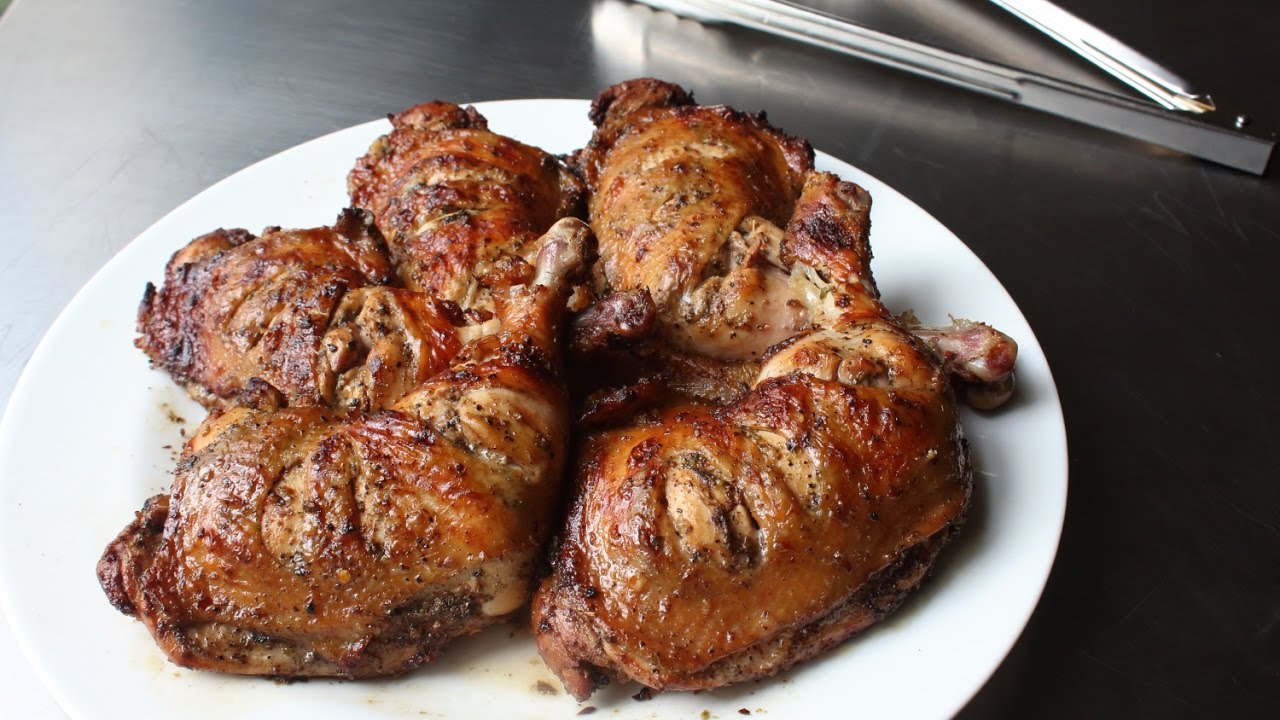
“Most grilled chicken breast is a punishment. Dry, cottony, flavorless — the food equivalent of a cardboard apology. The problem isn't the cut. It's that people are marinating in oil and acid alone, which firms the protein surface before it can penetrate. Greek yogurt changes the physics entirely. Its lactic acid works slowly and evenly, leaving the meat tender all the way through. Add lemon zest, crushed rosemary, and a hit of Dijon, and you've got a marinade that actually earns its place on the grill.”
Why This Recipe Works
Grilled chicken breast has a reputation problem it doesn't deserve. The cut itself is not the issue — it's lean, protein-dense, and structurally capable of taking on aggressive flavors. The problem is that most recipes treat it like a canvas for oil and herbs, ignoring the one variable that actually controls texture: how the marinade interacts with muscle protein at the molecular level.
The Yogurt Marinade Is Physics, Not Preference
Greek yogurt contains lactic acid at a pH of around 4 to 4.5 — acidic enough to denature surface proteins, but gently enough that it does so at a rate that allows the acid to penetrate before the surface locks up. Compare this to lemon juice alone, which sits around pH 2 and attacks the outer protein layer so fast that the inside never sees it. The result of a straight citrus marinade is a chicken breast with a slightly cooked, slightly chewy exterior and a comparatively bland center.
Yogurt's thickness is also a delivery mechanism. It clings rather than pools. Every surface of the chicken stays in continuous contact with the marinade throughout refrigeration, ensuring the garlic, lemon zest, and herb volatile oils have time to migrate inward. This is why the zest matters more than the juice here — the aromatic oils in lemon peel are fat-soluble, and the yogurt carries them into the meat in a way that water-based marinades cannot.
The Herb Architecture
Dried oregano, thyme, and rosemary aren't interchangeable convenience choices. Each contributes a distinct aromatic compound class. Oregano brings carvacrol — warm, slightly peppery, Mediterranean backbone. Thyme contributes thymol, which is herbaceous with a faint antiseptic edge that reads as freshness. Rosemary delivers borneol and camphor notes — sharp, resinous, assertive.
Crushed before adding, dried rosemary in particular opens up its internal oil cells and transitions from a background note to something that actually registers. The Dijon mustard acts as an emulsifier that holds the yogurt-oil-acid system together while adding a sharp, tannic layer that reads as complexity rather than mustard specifically. This is the same role it plays in vinaigrettes.
Grill Mechanics
A meat thermometer is not optional equipment for this recipe. Chicken breast is a thin-margined protein — the difference between 155°F and 170°F is the difference between juicy and dry, and the visual cues are unreliable because the yogurt marinade chars and opacifies the surface long before the interior is done.
Medium-high heat — 400 to 425°F — is the right range because it's hot enough to sear the yogurt coating into a caramelized crust (the Maillard reaction requires sustained temperatures above 280°F) without creating so much surface heat that the exterior overcooks before the interior comes up to temperature.
The 15-minute pre-grill rest is cold physics. A 40°F chicken breast on a 425°F grill will have its outer quarter-inch at 165°F while the center is still below 100°F. That temperature gradient is what causes the dried-out surface and pink center that people blame on the cut. Fifteen minutes of counter rest brings the breast up to roughly 55°F and compresses that gradient to a manageable range.
The Finishing Move
The two tablespoons of olive oil drizzled after grilling is structural, not decorative. Grilling drives off surface moisture and tightens the exterior proteins. A finishing coat of oil replenishes the surface fat, adds richness the lean breast can't provide itself, and carries the fresh parsley's volatile chlorophyll compounds across the surface in a way that dry herb alone cannot. It's the same principle behind basting a steak with butter after the sear.
This dish works for meal prep precisely because it's engineered to hold. The yogurt marinade keeps the chicken moist in the fridge because the proteins are already relaxed. Sliced and stored properly, it reheats without turning cottony — which is the true test of any chicken recipe claiming to be weeknight-practical.
Where Beginners Mess This Up
Before we start, read this. These are the 4 reasons your lemon herb grilled chicken (42g protein, zero boredom) will fail:
- 1
Marinating for less than 2 hours: Yogurt-based marinades work through slow lactic acid diffusion — not the aggressive surface-etching of citrus or vinegar. Less than 2 hours and you're just coating the outside. The protein fibers haven't had time to relax, and the flavor stays shallow. Minimum 2 hours. Overnight is better.
- 2
Skipping the rest before grilling: Cold chicken straight from the fridge hits a hot grill and the outer inch cooks almost instantly while the center stays refrigerator-cold. That temperature gap is why you get seared-but-raw chicken. Pulling it out 15 minutes before grilling closes that gap enough to let heat move evenly inward.
- 3
Moving the chicken too early: The yogurt marinade needs time to set against the grill grates before the chicken releases cleanly. If you try to flip before a crust forms, you tear the surface and lose the char. Six to seven minutes of uninterrupted contact — no nudging, no checking — is the rule.
- 4
Cutting into it immediately: Resting is not optional. The internal juices are under pressure at 165°F. Cut it immediately and those juices run onto the cutting board instead of redistributing through the meat. Three to five minutes of rest on a clean board is the difference between juicy and dry.
The Video Reference Library
Want to see it in action? Here are the exact videos we analyzed and combined to build this foolproof recipe translation:
The source video for this recipe. Covers marinade preparation, grill setup, and how to identify the char you're looking for before flipping. Best reference for timing and visual cues.
🛠️ Core Equipment
- Gas or charcoal grill with lidYou need sustained, consistent medium-high heat around 400-425°F. A lidded grill lets you trap heat if the breast is thick and needs a finishing blast. Stovetop grill pans work but lack airflow — the char quality is inferior.
- Instant-read meat thermometer165°F internal is the target. Guessing by color is how you end up with either raw chicken or hockey pucks. A thermometer inserted into the thickest part removes all ambiguity.
- Large zip-top bagFor even marinade coverage with no wasted yogurt. The bag lets you massage the marinade against every surface without a mess. A shallow dish works but uses more marinade and coats less evenly.
- Clean cutting boardResting the chicken on a clean board — not back on the raw marinade surface — is a food safety non-negotiable. It also catches the juices you don't want to lose.
Lemon Herb Grilled Chicken (42g Protein, Zero Boredom)
🛒 Ingredients
- ✦4 boneless, skinless chicken breasts (6oz each)
- ✦1 cup plain nonfat Greek yogurt
- ✦3 tablespoons fresh lemon juice
- ✦Zest of 1 large lemon
- ✦2 tablespoons extra virgin olive oil
- ✦4 cloves garlic, minced
- ✦2 teaspoons dried oregano
- ✦1 teaspoon dried thyme
- ✦1 teaspoon dried rosemary, crushed
- ✦1 teaspoon Dijon mustard
- ✦1/2 teaspoon sea salt
- ✦1/4 teaspoon black pepper
- ✦1/4 teaspoon red pepper flakes
- ✦2 tablespoons fresh parsley, finely chopped
- ✦Cooking spray or oil for grill grates
👨🍳 Instructions
01Step 1
Combine Greek yogurt, lemon juice, lemon zest, minced garlic, Dijon mustard, oregano, thyme, rosemary, sea salt, black pepper, and red pepper flakes in a medium bowl. Whisk until smooth and fully incorporated.
02Step 2
Pat the chicken breasts dry with paper towels. Drying the surface helps the marinade adhere more evenly — wet chicken repels the yogurt.
03Step 3
Place the chicken in a large zip-top bag. Pour the marinade over the breasts, seal, and massage from the outside until every surface is coated. Refrigerate for at least 2 hours or up to overnight.
04Step 4
Remove the chicken from the refrigerator 15 minutes before grilling. Do not skip this step.
05Step 5
Preheat your grill to medium-high heat, around 400-425°F. Lightly oil the grates with a paper towel dipped in oil — held with tongs.
06Step 6
Lift each chicken breast from the marinade, letting the excess drip off. Don't shake it clean — a thin coating should remain.
07Step 7
Place the breasts on the grill and do not touch them for 6-7 minutes. You're building a crust. Let it form.
08Step 8
Flip each breast carefully and grill for another 6-7 minutes until the internal temperature reads 165°F at the thickest point.
09Step 9
Transfer to a clean cutting board and rest for 3-5 minutes.
10Step 10
Drizzle with the 2 tablespoons of extra virgin olive oil and scatter fresh parsley over the top. Serve immediately.
Nutrition Per Serving
Estimates based on standard preparation. Adjustments alter macros.
🔄 Substitutions
Instead of Nonfat Greek yogurt...
Use Plain 2% Greek yogurt or Icelandic skyr
Slightly creamier texture and even higher protein (up to 20g per 100g). More luxurious mouthfeel without adding significant fat. Recommended upgrade.
Instead of Chicken breasts...
Use Boneless, skinless chicken thighs
More forgiving on the grill — thighs have more connective tissue that tolerates higher heat without drying out. Richer flavor. Still delivers around 26g protein per 3.5oz.
Instead of Dried herbs (oregano, thyme, rosemary)...
Use 3 tablespoons fresh herb blend
Brighter, more volatile flavor. Use roughly 3x the volume of fresh herbs versus dried. Add half to the marinade and half as a finishing scatter before serving.
Instead of Extra virgin olive oil...
Use Avocado oil or ghee
Avocado oil has a higher smoke point — better for very high-heat grilling with no flavor interference. Ghee adds a subtle nuttiness and fat-soluble vitamins. Both work.
🧊 Storage & Reheating
In the Fridge
Store cooked chicken in an airtight container for up to 4 days. Slice before storing for faster, more even reheating.
In the Freezer
Freeze individual portions for up to 3 months. Wrap tightly in plastic before placing in a freezer bag to prevent freezer burn.
Reheating Rules
Add a splash of water or chicken broth to the container, cover loosely, and microwave at 70% power in 60-second intervals. High power reheating is what dries it out.
❓ Frequently Asked Questions
Why use Greek yogurt instead of a regular oil-and-acid marinade?
Oil and acid marinades work fast but aggressively — they denature protein on the surface quickly, which can create a rubbery outer layer. Greek yogurt's lactic acid works more slowly and evenly, penetrating deeper without toughening the surface. The result is chicken that's tender all the way through, not just on the outside.
Can I cook this in a cast iron pan instead of a grill?
Yes. Preheat a cast iron skillet over medium-high heat until it just begins to smoke, then add a thin film of avocado oil. Cook 6-7 minutes per side undisturbed. Finish in a 400°F oven if the breasts are thick. You won't get the same smoke and char, but the marinade still does its job.
How do I know the chicken is done without cutting into it?
Use a thermometer. 165°F at the thickest part is the FDA-safe minimum. If you don't have one, press the center of the breast — it should feel firm and spring back, not squishy. But honestly, just get a thermometer. They cost less than a ruined dinner.
Can I marinate for more than overnight?
Don't exceed 24 hours. Lactic acid continues working the entire time the chicken is in the marinade. Beyond 24 hours, the texture shifts from tender to slightly mushy, particularly with thinner cuts. Overnight — 6 to 10 hours — is the sweet spot.
My chicken stuck to the grill. What went wrong?
Either the grates weren't hot enough, they weren't oiled, or you tried to flip too soon. Yogurt-marinated protein needs to form a crust before it releases cleanly. If it's sticking, leave it for another minute and try again. It will let go when it's ready.
Is this actually 42g of protein per serving?
Yes — a 6oz chicken breast alone delivers around 38g of protein, and the Greek yogurt marinade that clings to the meat adds another 3-4g per serving. The exact number depends on your specific brand of yogurt and the size of your chicken breasts, but 40-42g per serving is accurate.
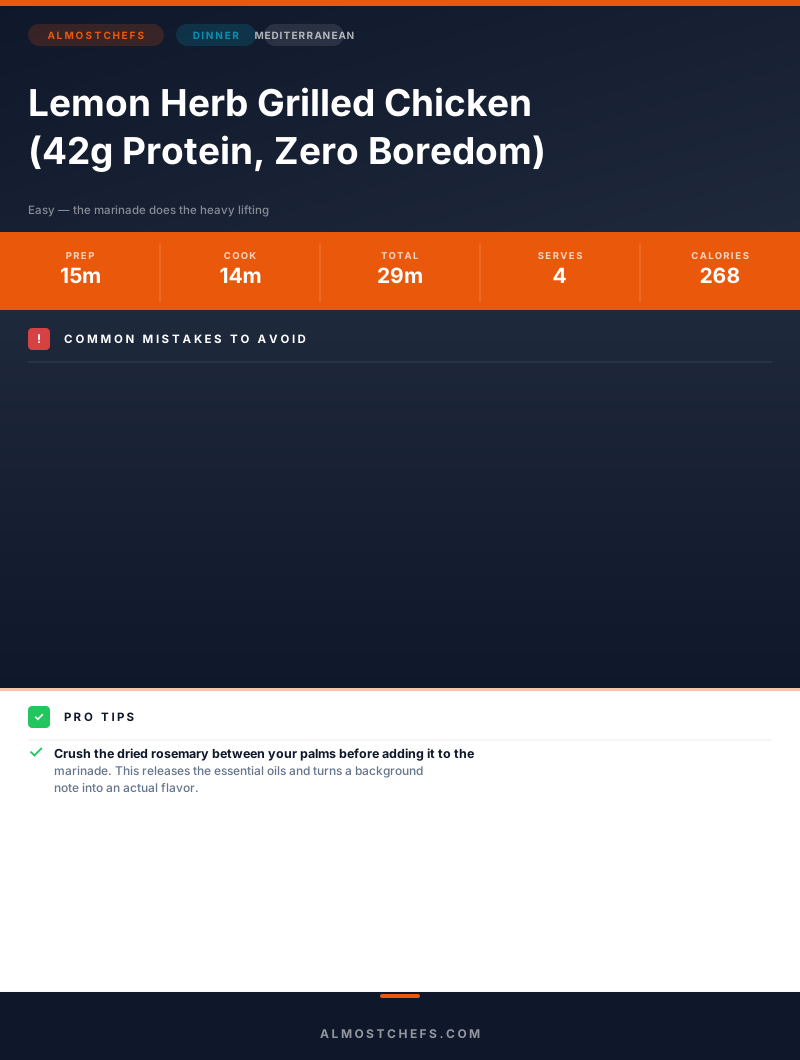
The Science of
Lemon Herb Grilled Chicken (42g Protein, Zero Boredom)
We turned everything on this page into a beautiful, flour-proof PDF cheat sheet. Print it out, stick it to your fridge, and never mess up your lemon herb grilled chicken (42g protein, zero boredom) again.
*We'll email you the high-res PDF instantly. No spam, just perfectly cooked meals.
AlmostChefs Editorial Team
We translate the internet's most popular cooking videos into foolproof, beginner-friendly written recipes. We analyze multiple methods, test them in our kitchen, and engineer a single "Master Recipe" that gives you the best possible result with the least possible stress.