Bright Lemon Chicken (The Silky Sauce Secret)
Tender pan-seared chicken breasts in a glossy lemon-herb sauce built from bone broth, fresh citrus, and Dijon mustard. Gluten-free, anti-inflammatory, and on the table in 40 minutes. We broke down exactly why the sauce seizes up or stays silky — and how to land on the right side every time.
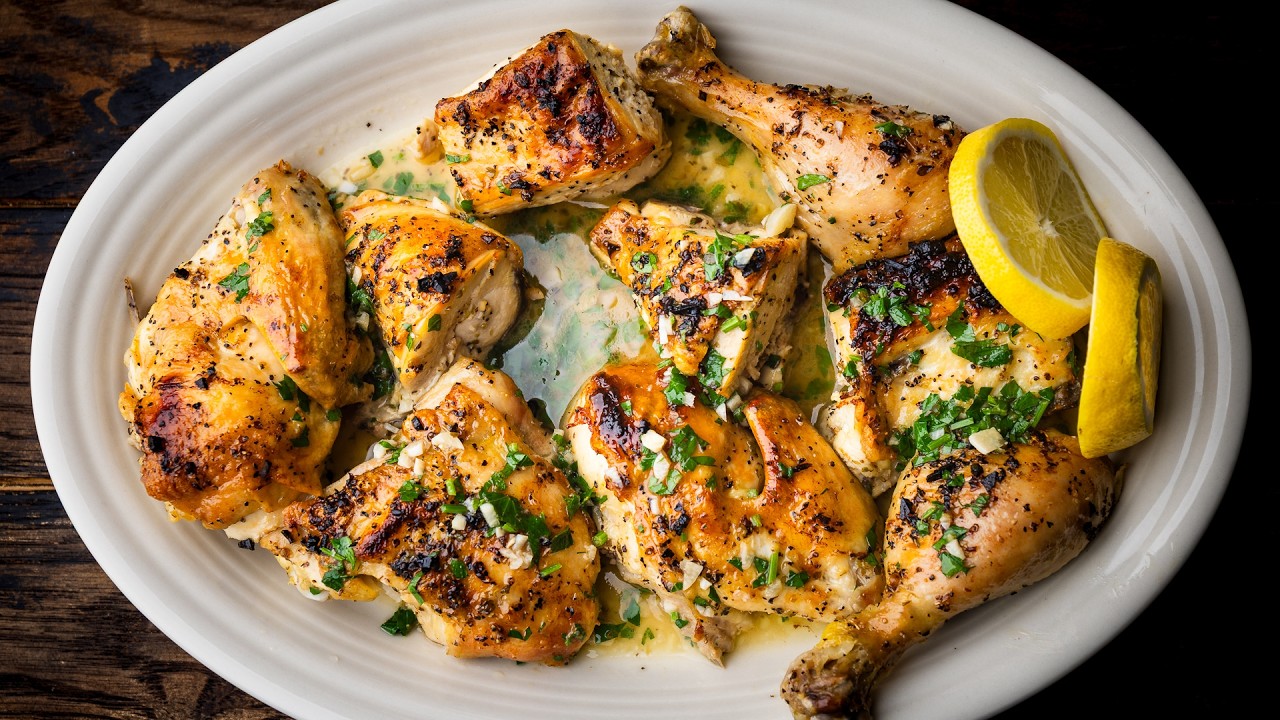
“Most lemon chicken recipes produce one of two outcomes: a sauce so thin it pools on the plate like dishwater, or one so thick it tastes like lemon-flavored wallpaper paste. The difference is not the recipe — it's understanding how cornstarch behaves in an acidic environment and why the order you add ingredients to the pan determines everything. We reverse-engineered the silky restaurant sauce so you can stop guessing.”
Why This Recipe Works
Lemon chicken is one of those dishes that looks simple until you try to make it at home and end up with something that tastes like hot lemonade poured over a dry hockey puck. The gap between restaurant lemon chicken and home lemon chicken almost always comes down to three decisions: pan temperature, acid timing, and how you build the sauce. Get those right and everything else is commentary.
The Pan Is Not Optional
A properly hot skillet is the entire reason this dish has flavor. When chicken hits a preheated pan with shimmering oil, the surface proteins denature and caramelize instantly, creating a crust and — more importantly — a layer of dark, concentrated fond on the bottom of the pan. That fond is not residue to be discarded. It is the most flavor-dense substance in the recipe.
When you deglaze with bone broth and lemon juice, those browned bits dissolve into the liquid and become the backbone of the sauce. Skip the proper sear — by using a nonstick pan, not preheating adequately, or crowding the pan — and your sauce tastes like warm broth with lemon squeezed in it. Use a stainless steel or cast iron skillet, get it genuinely hot, and cook in a single uncrowded layer.
Acid Timing and Sauce Architecture
Lemon juice is aggressive. Added too early, before the fond is deglazed and the aromatics are softened, it seizes the proteins in the pan drippings and creates an acidic, harsh base. The correct sequence: brown the chicken and remove it, soften the garlic and shallot in the residual fat, deglaze with broth first to lift the fond, then add the lemon juice. The broth buffers the acid and integrates it into a cohesive sauce rather than a sharp, confrontational one.
The Dijon mustard is not a flavor choice — it is an emulsifier. Mustard contains compounds that help water-based and fat-based liquids bind together into a stable, glossy sauce. A half teaspoon is invisible in the final flavor profile but responsible for the texture staying silky rather than separating into greasy puddles around an acidic liquid.
The Bone Broth Difference
Standard chicken broth is filtered, pasteurized water with some chicken flavor added. Bone broth is a collagen-rich liquid that, when reduced, coats the palate in a way water-based broth never can. The gelatin from the bones emulsifies into the sauce during the simmering process, adding body without the need for excessive cornstarch. This is why restaurant sauces have that glossy, lip-coating quality that home versions rarely achieve. A quality bone broth is the single highest-leverage ingredient swap in this recipe.
Fresh Herbs Last
Parsley and thyme go in off the heat. This is not a stylistic preference — it is chemistry. The volatile aromatic compounds that make fresh herbs taste like fresh herbs vaporize above 140°F. Every second those herbs spend in a simmering pan, they're losing the compounds that justify their existence. Pull the pan, let the temperature drop for 30 seconds, then stir in the herbs. The difference in flavor is immediate and unmistakable.
Why This Dish Earns a Weeknight Slot
Forty minutes. One skillet. No special equipment beyond a microplane for the zest and an instant-read thermometer to kill the guesswork on doneness. The health profile — gluten-free, high protein, anti-inflammatory from the fresh lemon and herbs, gut-supportive from the bone broth — means it fits practically every dietary constraint without requiring a separate recipe. The sauce tastes expensive. The technique is repeatable. That combination is rare enough to be worth owning.
Where Beginners Mess This Up
Before we start, read this. These are the 4 reasons your bright lemon chicken (the silky sauce secret) will fail:
- 1
Adding cold chicken to a lukewarm pan: If the skillet isn't properly preheated — shimmering oil, not just warm oil — the chicken steams instead of sears. You get gray, flabby skin and no fond on the bottom of the pan. That fond is the entire flavor foundation of the sauce. Preheat until the oil moves like water.
- 2
Squeezing bottled lemon juice: Bottled concentrate has been pasteurized, stripped of volatile aromatic compounds, and preserved with sulfites. It tastes flat. Fresh lemon juice has live enzymes, more vitamin C, and a sharp brightness that hits the palate completely differently. Three lemons. That's all it takes.
- 3
Dumping the cornstarch slurry into boiling sauce: Cornstarch added to rapidly boiling liquid clumps instantly on contact. You need a simmer — small bubbles, not a rolling boil — and you need to stir constantly as you pour. Add it too fast and you get white lumps that never incorporate. Pour slowly in a thin stream while stirring.
- 4
Overcooking the chicken before saucing: Chicken breasts at 165°F internal temperature are done. Most home cooks push to 175°F out of fear, at which point the proteins have contracted and expelled all their moisture. The chicken finishes cooking in the sauce during the final 3-4 minute simmer — factor that into your pan time.
The Video Reference Library
Want to see it in action? Here are the exact videos we analyzed and combined to build this foolproof recipe translation:
The source video for this recipe. Clear technique walkthrough showing pan temperature, fond development, and sauce consistency at each stage.
🛠️ Core Equipment
- Large stainless steel or cast iron skilletNonstick pans won't develop the dark fond on the bottom that gives this sauce its depth. Stainless or cast iron creates proper browning and handles the deglazing step without issue.
- Microplane or fine zesterLemon zest is where the aromatic oils live — the stuff that makes lemon flavor smell like actual lemon rather than lemon cleaner. A microplane takes only the bright yellow layer without the bitter white pith underneath.
- Instant-read thermometerPull the chicken at exactly 165°F. At that temperature it's safe, juicy, and will continue rising to about 168°F while resting. This is the difference between a tender breast and a dry one.
- Small bowl for the cornstarch slurryPre-mixing the cornstarch with cold water before it hits the pan is non-negotiable. Cornstarch added dry to hot liquid seizes immediately. Mix it, check that it's smooth, then pour.
Bright Lemon Chicken (The Silky Sauce Secret)
🛒 Ingredients
- ✦4 boneless, skinless chicken breasts, about 6 ounces each
- ✦3 tablespoons extra virgin olive oil
- ✦1 teaspoon sea salt
- ✦1/2 teaspoon black pepper
- ✦4 cloves garlic, minced
- ✦1/2 medium shallot, thinly sliced
- ✦1 cup low-sodium chicken bone broth
- ✦1/2 cup fresh lemon juice, from about 3 lemons
- ✦2 tablespoons lemon zest
- ✦1/2 teaspoon Dijon mustard
- ✦1/4 cup sun-dried tomatoes, chopped
- ✦1 tablespoon cornstarch
- ✦2 tablespoons cold water
- ✦1 cup fresh spinach, loosely packed
- ✦2 tablespoons fresh parsley, finely chopped
- ✦1 tablespoon fresh thyme leaves
👨🍳 Instructions
01Step 1
Pat the chicken breasts completely dry with paper towels. Season both sides generously with sea salt and black pepper.
02Step 2
Heat olive oil in a large skillet over medium-high heat until shimmering, about 60-90 seconds.
03Step 3
Add chicken breasts and cook undisturbed for 6-7 minutes per side until deep golden brown and cooked through to 165°F internal temperature. Transfer to a clean plate.
04Step 4
Reduce heat to medium. Add minced garlic and sliced shallot to the same skillet. Stir frequently for 2 minutes until fragrant and softened.
05Step 5
Pour in the bone broth, fresh lemon juice, and lemon zest. Use a wooden spoon to scrape up all the browned bits from the bottom of the pan.
06Step 6
Stir in the Dijon mustard and sun-dried tomatoes. Return the chicken to the skillet.
07Step 7
In a small bowl, whisk cornstarch with cold water until completely smooth with no lumps. Reduce sauce to a gentle simmer, then pour the slurry in slowly while stirring constantly.
08Step 8
Simmer for 3-4 minutes until the sauce thickens enough to coat the back of a spoon.
09Step 9
Add the fresh spinach and stir gently until just wilted, about 1-2 minutes.
10Step 10
Remove from heat. Stir in parsley and thyme. Taste and adjust salt.
11Step 11
Plate the chicken and spoon the sauce, spinach, and tomatoes generously over the top. Serve immediately.
Nutrition Per Serving
Estimates based on standard preparation. Adjustments alter macros.
🔄 Substitutions
Instead of Olive oil...
Use Ghee or avocado oil
Ghee has a higher smoke point and adds subtle nuttiness. Avocado oil is neutral and handles high heat without issue. Either choice is better for getting the pan truly hot without the oil burning.
Instead of Cornstarch...
Use Arrowroot powder or tapioca starch
Use equal amounts. Arrowroot produces a cleaner, more transparent sauce. Tapioca starch is slightly more forgiving in acidic sauces. Both are gluten-free and gentler on digestion.
Instead of Chicken bone broth...
Use Standard low-sodium chicken broth
You lose the collagen depth and the gut-health properties, but the sauce still works. Add a half teaspoon of butter to compensate for the missing body.
Instead of Sun-dried tomatoes...
Use Fresh cherry tomatoes, halved, or omit entirely
Cherry tomatoes add brightness and freshness rather than concentrated sweetness. Omitting entirely produces a cleaner lemon-forward sauce — not a worse one, just a different one.
🧊 Storage & Reheating
In the Fridge
Store in an airtight container for up to 3 days. The sauce absorbs into the chicken overnight — reheat gently with a splash of broth to restore consistency.
In the Freezer
Freeze for up to 2 months. The sauce may separate slightly on thawing — whisk it back together over low heat. The cornstarch-thickened sauce handles freezing reasonably well.
Reheating Rules
Reheat in a covered skillet over low heat with 2-3 tablespoons of broth or water. Microwave works in a pinch but produces uneven heating and can toughen the chicken — use 50% power and cover the dish.
❓ Frequently Asked Questions
Why is my sauce too thin?
Either the cornstarch slurry wasn't mixed completely smooth before adding, or the sauce wasn't at a proper simmer when you added it. A rolling boil disperses it too fast; a cold liquid doesn't activate the starch. Target a gentle simmer — small consistent bubbles — and stir constantly as you pour.
Can I use chicken thighs instead of breasts?
Thighs are actually more forgiving. Boneless thighs take about the same cook time; bone-in thighs need 8-10 minutes per side. The fat content in thighs makes overcooking much harder to notice, and they contribute more flavor to the sauce.
Why does my lemon sauce taste bitter?
Two likely culprits: you zested into the white pith, which is intensely bitter, or you used bottled lemon juice, which has off-flavors from pasteurization. Use a microplane and stay in the yellow layer only. Fresh juice only.
Can I make this dairy-free?
It already is. This recipe contains no dairy in its base form. If you add the optional butter mount at the end, swap it for a teaspoon of cold coconut oil for a similar emulsifying effect without the dairy.
What do I serve with this?
Cauliflower rice keeps it low-carb and soaks up the sauce well. Roasted broccolini or green beans work equally well. If you want something more substantial, orzo or plain white rice provides a neutral base that lets the lemon sauce do the talking.
How do I know when the sauce is thick enough?
Drag a spoon across the back of a wooden spoon or spatula coated with the sauce. If the line holds and doesn't immediately fill in with liquid, the sauce is ready. If the edges of the line flow back together within a second or two, simmer another minute and test again.
The Science of
Bright Lemon Chicken (The Silky Sauce Secret)
We turned everything on this page into a beautiful, flour-proof PDF cheat sheet. Print it out, stick it to your fridge, and never mess up your bright lemon chicken (the silky sauce secret) again.
*We'll email you the high-res PDF instantly. No spam, just perfectly cooked meals.
AlmostChefs Editorial Team
We translate the internet's most popular cooking videos into foolproof, beginner-friendly written recipes. We analyze multiple methods, test them in our kitchen, and engineer a single "Master Recipe" that gives you the best possible result with the least possible stress.