High-Protein Turkey Meatloaf (42g Per Slice, No Dry Meat)
Lean ground turkey combined with Greek yogurt and oat bran produces a moist, dense loaf with 42g of protein per serving. We reverse-engineered the moisture problem that ruins most turkey meatloaf and built a method that reheats as well as it bakes fresh.
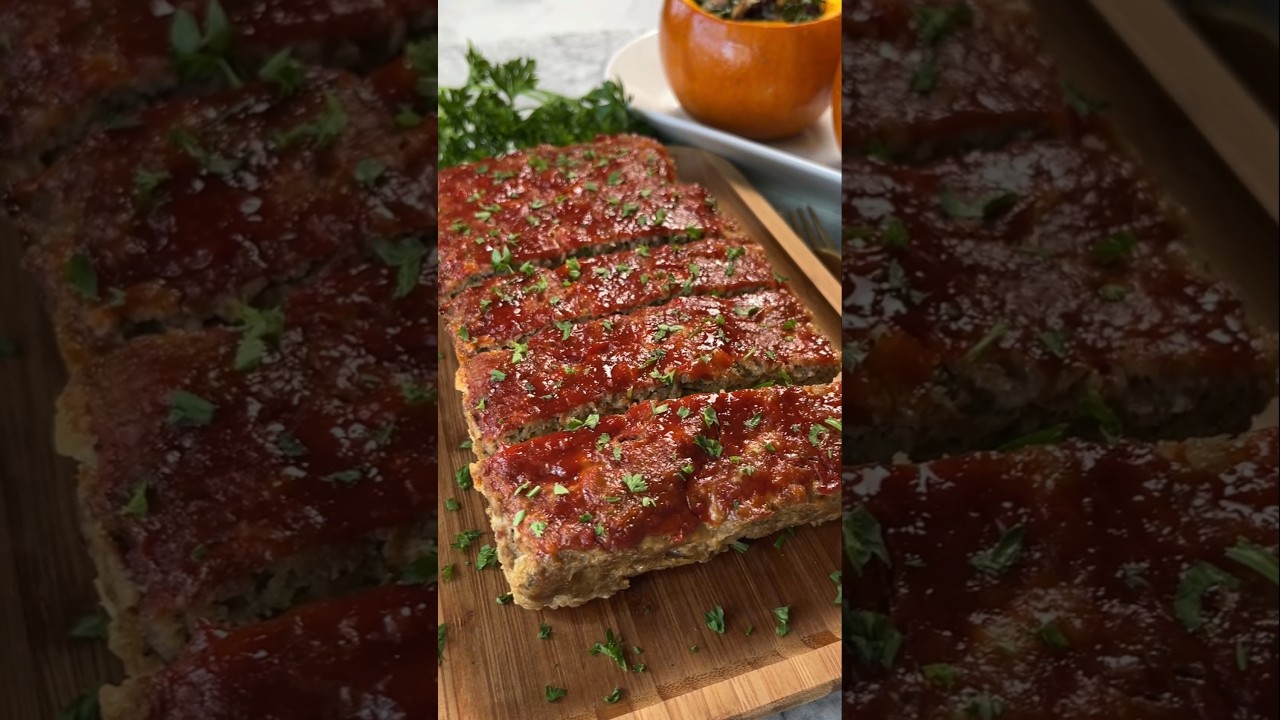
“Turkey meatloaf has a reputation problem. The standard version comes out chalky, dense, and gray — a punishment for people trying to eat healthier. The problem isn't the turkey. It's that most recipes just swap beef for turkey and call it done, without accounting for turkey's lower fat content and completely different moisture behavior. Greek yogurt and oat bran are not health food gimmicks here. They are structural solutions to a specific engineering problem. Here's exactly why they work.”
Why This Recipe Works
Turkey meatloaf is not a health food compromise. It's a different engineering problem than beef meatloaf, and most recipes fail because they treat it like the same dish with a leaner protein. Lean turkey has roughly half the intramuscular fat of 80/20 ground beef — and that fat is doing critical structural work. It lubricates the meat fibers as they contract under heat, carries fat-soluble flavor compounds, and produces steam that keeps the loaf moist from the inside out. Remove the fat without replacing its function, and you get the turkey meatloaf that has haunted health-conscious cooks for decades: grey, dense, and dry in a way that no amount of sauce can fix.
What Greek Yogurt Actually Does
Greek yogurt in this recipe is not a protein-boosting afterthought. It is a direct functional replacement for the fat you removed when you chose lean turkey. The yogurt's water content (roughly 75%) generates internal steam during baking, keeping the loaf moist without adding fat. Its proteins interact with the meat proteins during mixing to create a more elastic, tender structure — the same reason bakers add dairy to bread doughs. And its mild acidity subtly tenderizes the turkey's surface proteins without the harsh, mealy texture that citrus marinades produce.
The lactic acid in yogurt also performs a quiet flavor function: it rounds out the sharpness of the raw onion and garlic, and it prevents the smoked paprika from tasting flat and one-dimensional. You won't taste the yogurt in the finished loaf. But you'll absolutely taste its absence.
The Oat Bran Binding System
Breadcrumbs bind meatloaf by absorbing moisture and creating a starchy matrix that holds the meat proteins together as they tighten during baking. Oat bran does the same thing with more fiber and a finer texture that integrates invisibly. It also absorbs the yogurt's excess moisture during the rest before baking — if you prep this the night before, the oat bran fully hydrates and produces a noticeably more cohesive loaf.
The ratio is important. A half cup is calibrated to the 1.5 lbs of turkey and 1 cup of yogurt in this recipe. Change one without adjusting the others and the loaf either crumbles (too little binder) or turns dense and bread-like (too much).
The Mixing Rule
Overmixing is the fastest way to ruin this dish. Ground turkey's proteins, when agitated through prolonged mixing, form a tight network that squeezes moisture out of the loaf as it bakes — the same process that makes overworked burger patties turn into hockey pucks. The mixing window is narrow: fold everything together until just uniform, then stop. Thirty seconds of hand mixing. No more.
This is why you add the yogurt and oat bran first. Mixing the binders together before introducing the turkey means fewer passes required to incorporate everything. Less mixing time, better texture.
The Balsamic Broth Topping
The half cup of beef broth poured over the loaf before baking does two things. First, it hydrates the surface, preventing the crust from drying out and cracking before the interior sets. Second, the balsamic vinegar caramelizes under heat into a lacquered, slightly acidic glaze that cuts through the protein density of the finished loaf. It's a small detail that separates a complete-tasting slice from one that feels like it needs ketchup to finish it.
A loaf pan lined with parchment is the only reliable way to get this loaf out intact. The yogurt's natural sugars bond aggressively to unlined metal during baking. Parchment with overhang handles means you lift cleanly and slice without the loaf tearing against the pan wall.
Pull it at 165°F. Rest it five minutes. Then slice. That's the whole method.
Where Beginners Mess This Up
Before we start, read this. These are the 4 reasons your high-protein turkey meatloaf (42g per slice, no dry meat) will fail:
- 1
Overmixing the meat mixture: Ground turkey has less fat than beef, which means the proteins bind tighter under friction. Overmixing develops those proteins excessively and produces a loaf with the texture of a rubber eraser. Mix until just combined — thirty seconds with your hands, no more. If you can still see streaks of yogurt, that's fine.
- 2
Skipping the resting period after baking: Meatloaf continues cooking via carryover heat for 3-4 minutes after leaving the oven, and the internal juices are under pressure from the heat. Cut immediately and those juices run out onto the cutting board. Rest for five minutes and they redistribute through the loaf. This is the difference between a moist slice and a dry one.
- 3
Not using a thermometer: Turkey must reach 165°F — but every degree beyond that accelerates moisture loss. Cooking to 175°F because you're not sure is how you make dry turkey. A probe thermometer inserted into the thickest point is the only accurate measurement. Color and time are unreliable.
- 4
Using fat-free turkey without adjusting: 99% lean ground turkey has almost no intramuscular fat, which is the primary moisture source in conventional meatloaf. If you use extra-lean turkey, increase the Greek yogurt to 1.25 cups to compensate. Otherwise the loaf dries out regardless of technique.
The Video Reference Library
Want to see it in action? Here are the exact videos we analyzed and combined to build this foolproof recipe translation:
The source video for this recipe. Demonstrates the mixing technique and how to test doneness with a thermometer. Pay close attention to the texture of the mixture before pressing into the pan.
🛠️ Core Equipment
- 9x5-inch loaf panThe standard size for this recipe volume. A larger pan spreads the mixture too thin and overbakes the edges before the center sets. A smaller pan creates a dome that takes longer to cook through and chars on top.
- Instant-read meat thermometerNon-negotiable for turkey. Visual cues — color, firmness, time — are all unreliable. You need to know the exact internal temperature at the thickest point. Pull it at exactly 165°F.
- Parchment paperLines the loaf pan for easy removal. Turkey meatloaf sticks harder than beef meatloaf because of the yogurt's sugars caramelizing against the pan. Parchment means the loaf lifts out cleanly without tearing.
- Large mixing bowlYou need room to fold the ingredients without compressing them. A bowl that's too small forces you to overmix just to incorporate everything.
High-Protein Turkey Meatloaf (42g Per Slice, No Dry Meat)
🛒 Ingredients
- ✦1.5 lbs ground turkey (93/7 lean)
- ✦1 cup plain nonfat Greek yogurt
- ✦1/2 cup oat bran
- ✦2 large eggs
- ✦1 medium yellow onion, finely diced
- ✦3 cloves garlic, minced
- ✦1/4 cup fresh parsley, chopped
- ✦2 tablespoons tomato paste
- ✦1 tablespoon Worcestershire sauce
- ✦1 teaspoon Dijon mustard
- ✦1 teaspoon smoked paprika
- ✦1/2 teaspoon black pepper
- ✦1/2 teaspoon sea salt
- ✦1/4 teaspoon cayenne pepper
- ✦2 tablespoons olive oil
- ✦1/2 cup low-sodium beef broth
- ✦2 tablespoons balsamic vinegar
👨🍳 Instructions
01Step 1
Preheat your oven to 375°F. Line a 9x5-inch loaf pan with parchment paper, leaving overhang on the long sides so you can lift the loaf out cleanly.
02Step 2
Finely dice the onion and mince the garlic. Smaller pieces distribute more evenly and won't create wet pockets that steam during baking.
03Step 3
Combine the ground turkey, Greek yogurt, oat bran, eggs, onion, garlic, parsley, tomato paste, Worcestershire sauce, Dijon mustard, smoked paprika, black pepper, sea salt, and cayenne pepper in a large mixing bowl.
04Step 4
Mix gently with your hands until just combined. The mixture should look uniform but not smooth. Stop the moment you no longer see streaks of unmixed yogurt.
05Step 5
Press the mixture firmly into the prepared loaf pan, smoothing the top with the back of a spoon or dampened fingers. Avoid air pockets — press down at the edges specifically.
06Step 6
Whisk together the beef broth and balsamic vinegar until combined. Pour evenly over the top of the loaf.
07Step 7
Bake for 45-50 minutes, until an instant-read thermometer inserted into the thickest part of the center reads exactly 165°F.
08Step 8
Remove from the oven and rest in the pan, uncovered, for 5 minutes. Do not cut.
09Step 9
Lift the loaf from the pan using the parchment overhang. Slice into 4 equal portions and serve with the pan juices spooned over the top.
Nutrition Per Serving
Estimates based on standard preparation. Adjustments alter macros.
🔄 Substitutions
Instead of Plain nonfat Greek yogurt...
Use Nonfat cottage cheese, blended smooth
Adds even more protein (28g per cup vs 20g) with slightly creamier texture. Blend until completely smooth before adding — visible curds will create an uneven texture in the finished loaf.
Instead of Oat bran...
Use Unflavored whey protein powder (1/3 cup) mixed with 2 tablespoons water
Adds 25g of additional protein per serving. Meatloaf becomes denser and slightly more tender. No detectable protein powder flavor in the finished dish.
Instead of Ground turkey (93/7)...
Use Ground chicken breast (99% lean) or 50/50 ground turkey and ground bison
Chicken version is slightly drier — increase yogurt to 1.25 cups to compensate. Bison version has a richer, more complex flavor profile while keeping saturated fat low.
Instead of Beef broth and balsamic topping...
Use Sugar-free ketchup mixed with apple cider vinegar (1:1 ratio)
Creates a classic glazed meatloaf exterior. Slightly more caramelized and tangy-sweet. Adds minimal calories while building a recognizable meatloaf surface.
🧊 Storage & Reheating
In the Fridge
Store in an airtight container for up to 4 days. The flavor improves on day two as the spices meld into the meat.
In the Freezer
Slice before freezing. Wrap individual slices in plastic wrap, place in a freezer bag, and freeze for up to 3 months. Thaw overnight in the refrigerator.
Reheating Rules
Reheat slices in a covered skillet over low heat with 2 tablespoons of water or broth for 4-5 minutes. Microwave reheating dries out the exterior — use it only as a last resort, covered with a damp paper towel.
❓ Frequently Asked Questions
Why is my turkey meatloaf dry even when I follow the recipe?
Two likely causes. First, the turkey may be cooking past 165°F — every extra degree accelerates moisture loss in lean meat. Use a thermometer and pull it the moment it hits temperature. Second, if you overmixed the meat mixture, the proteins have bonded too tightly to retain moisture. Mix until just combined and stop immediately.
Can I make this without oat bran?
Yes, but you need to replace its binding function. Rolled oats (blended briefly) work well. Unflavored whey protein powder mixed with a little water also works and adds protein. Plain breadcrumbs are the most common substitute but add carbs without protein benefit.
Does the Greek yogurt make it taste sour?
Not at all. The yogurt's acidity is neutralized by the heat of baking, and the Worcestershire, tomato paste, and smoked paprika dominate the flavor profile. What the yogurt leaves behind is moisture, tenderness, and protein — not flavor.
Can I prep this the night before and bake it the next day?
Yes, and it's actually better that way. Mix and press the loaf into the pan, cover tightly, and refrigerate overnight. The oat bran fully hydrates during the rest and produces a more cohesive texture. Add the broth-balsamic topping just before baking, not overnight.
Why 93/7 turkey and not 99% lean?
The 7% fat in 93/7 turkey contributes genuine moisture and flavor that the leaner version simply can't replicate without significant adjustments. The Greek yogurt handles moisture, but you still need some intramuscular fat for flavor. If you use 99% lean turkey, increase the Greek yogurt to 1.25 cups and expect a slightly different texture.
How do I know it's done without a thermometer?
You don't — not reliably. Color and firmness are unreliable for turkey because it can look done and feel firm while still being undercooked, or look grey and overdone at exactly 165°F. A thermometer is a $12 tool that eliminates all guesswork. It's the single most useful piece of equipment for this recipe.
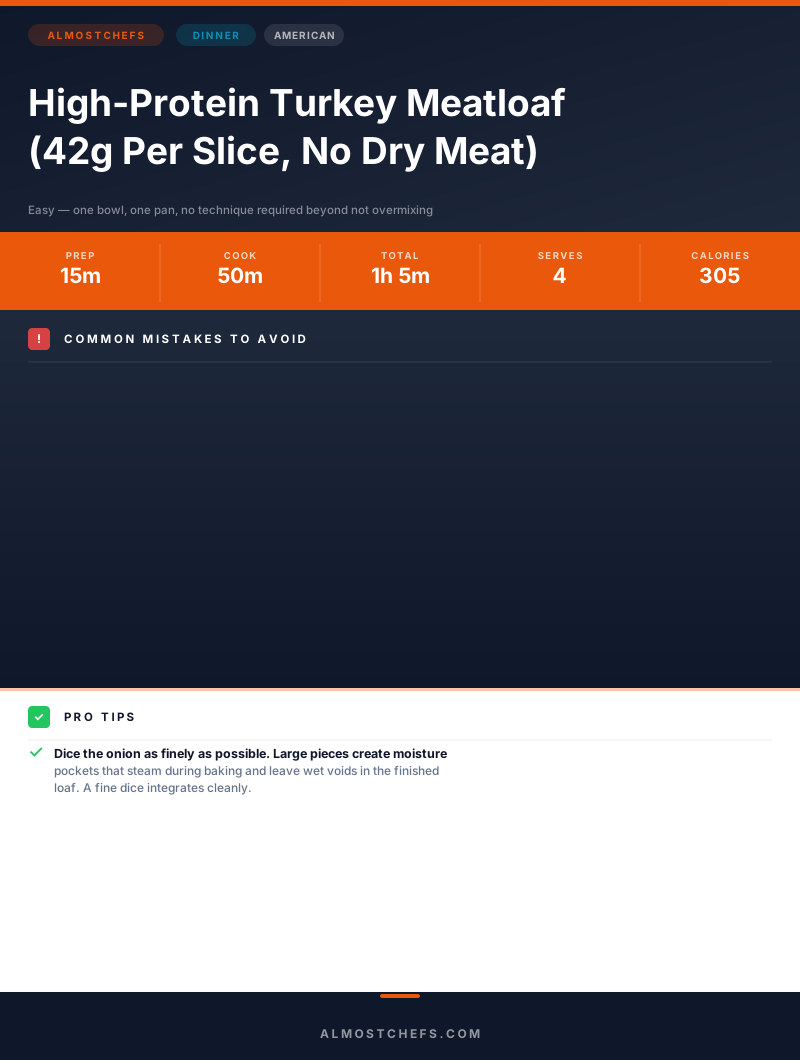
The Science of
High-Protein Turkey Meatloaf (42g Per Slice, No Dry Meat)
We turned everything on this page into a beautiful, flour-proof PDF cheat sheet. Print it out, stick it to your fridge, and never mess up your high-protein turkey meatloaf (42g per slice, no dry meat) again.
*We'll email you the high-res PDF instantly. No spam, just perfectly cooked meals.
AlmostChefs Editorial Team
We translate the internet's most popular cooking videos into foolproof, beginner-friendly written recipes. We analyze multiple methods, test them in our kitchen, and engineer a single "Master Recipe" that gives you the best possible result with the least possible stress.