High-Protein Cottage Cheese Turkey Meatloaf (38g Per Slice, Zero Dry Texture)
Lean ground turkey and cottage cheese combine to build a meatloaf with 38g of protein per serving that stays genuinely moist. We tested every binding technique to find the one that delivers muscle-building macros without the chalky, dense texture that kills most high-protein comfort food.
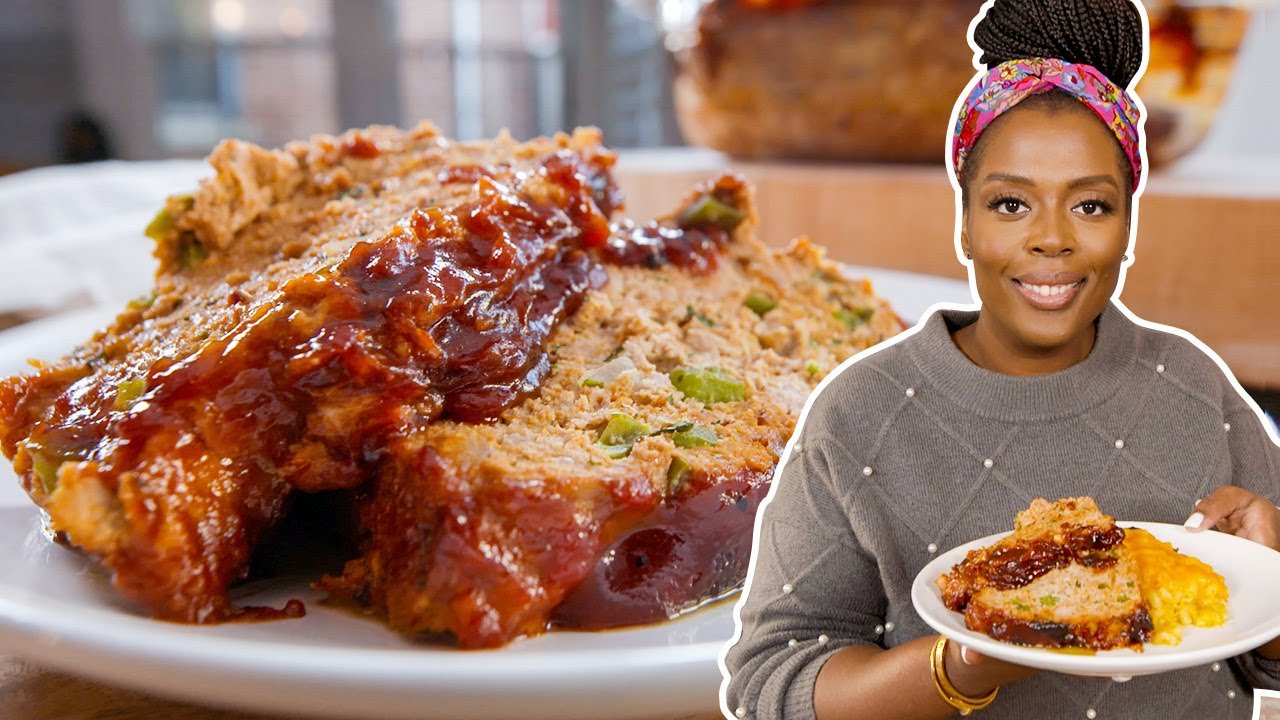
“Most high-protein meatloaf recipes optimize for macros on paper and fail on the plate. The result is a dense, dry slab that tastes like seasoned gym chalk. The fix isn't a different protein source — it's understanding what cottage cheese actually does inside a loaf and why it outperforms every other binder in the drawer. This recipe hits 38g of protein per slice, stays genuinely moist, and reheats without turning to sawdust.”
Why This Recipe Works
Meatloaf has an image problem. Decades of cafeteria versions — gray, gummy slabs floating in grease — turned it into a punchline. The high-protein fitness world made it worse, stripping out fat in pursuit of macro purity and producing something that requires three glasses of water to get down. This recipe is a rebuttal to both failure modes.
The Cottage Cheese Mechanism
Cottage cheese in meatloaf is not a health hack. It's a structural solution to a specific problem: lean ground turkey has roughly 7% fat compared to the 20% in an 80/20 beef blend. That missing fat is not just flavor — it's the lubrication that keeps ground meat from contracting into a dense, dry block during baking. Every gram of fat that cooks out carries moisture with it as it renders. At 93/7, turkey has almost no fat to spare.
Cottage cheese compensates by introducing water-retaining dairy proteins that are distributed throughout the loaf. As the loaf bakes and the meat proteins contract, the cottage cheese proteins hold their moisture and release it gradually into the surrounding meat. The result is a loaf that stays genuinely juicy at 165°F internal temperature without relying on fat content to get there. You're essentially engineering the moisture source rather than depending on the meat itself to provide it.
The protein math is secondary but worth noting: low-fat cottage cheese contributes roughly 14g of protein per cup at minimal fat and carbohydrate cost. Combined with 2 lbs of 93/7 ground turkey, you get 38g of protein per quarter-loaf serving — more than a standard chicken breast — in a format that most people find significantly more satisfying to eat.
Why You Cook the Onions First
Raw onion in raw ground meat is a time bomb. Onion's pungency comes from sulfur compounds that convert to harsh, acrid flavors at the low moisture levels inside a baking loaf. When those compounds don't have enough water to dissipate into, they concentrate. A properly sautéed onion loses that volatility before it ever touches the turkey — the sulfur compounds have already cooked off in the pan, leaving behind sweetness and savory depth.
Four minutes over medium heat is enough. You're not caramelizing — you just want translucency and softness. The garlic follows for sixty seconds, which is exactly how long it takes to bloom its aromatic compounds without burning. This two-minute detour at the start of the recipe eliminates one of the most common meatloaf flavor complaints.
The Glaze Architecture
The two-application glaze technique exists because of timing physics. A single application at the start produces a flat, matte, slightly overcooked surface by the time the interior reaches temperature. Applying all the glaze at the halfway mark gives you a glaze that's only had 15 minutes in the oven — not long enough to caramelize properly.
The solution: a foundation coat at the start that bakes into the surface, then a second coat halfway through that adds fresh sugar and acid on top of an already-developing crust. The acid from the apple cider vinegar accelerates Maillard browning in the final minutes, creating the lacquered, deeply colored exterior that distinguishes a finished loaf from one that's merely cooked.
The Fold, Not the Mix
A stand mixer will destroy this recipe. The instinct to mix thoroughly — to guarantee even distribution of every ingredient — is exactly wrong for lean ground meat. Ground turkey, like all ground meat, becomes tougher the more you work it, because mechanical agitation aligns and cross-links the muscle proteins into increasingly tight networks. Those networks squeeze out moisture as they tighten during baking. The solution is to fold the mixture a fixed number of times — twelve to fifteen passes — and stop, regardless of whether it looks perfectly homogeneous. It does not need to be perfect. It needs to be not overworked. There is a meaningful difference.
Use a loaf pan with straight sides and a parchment lining. Pack the mixture firmly to eliminate air pockets, press it level, and let the oven do the rest. The physics of this dish are straightforward. Your job is to not interfere with them.
Where Beginners Mess This Up
Before we start, read this. These are the 4 reasons your high-protein cottage cheese turkey meatloaf (38g per slice, zero dry texture) will fail:
- 1
Overworking the meat mixture: Ground turkey has less fat than beef, which means it has less margin for mechanical abuse. Overmixing develops the proteins into tight, cross-linked networks that squeeze out moisture during baking. Fold the mixture until just combined — ten to fifteen passes with a spatula, not a hundred. If it still looks slightly uneven, that's fine. Stop anyway.
- 2
Skipping the internal temperature check: Turkey meatloaf must reach 165°F internally, but most ovens run hot or cold by 15-25 degrees. Relying on time alone produces either underdone centers or overcooked edges. A meat thermometer inserted into the deepest part of the loaf is the only accurate signal. Pull it the moment it reads 165°F.
- 3
Cutting it hot out of the oven: The five-minute rest is not optional. Ground turkey holds more water than beef, and that water is still moving violently when the loaf comes out of the oven. Slice it immediately and it runs out onto the cutting board, leaving dry slices behind. Rest it covered and those juices redistribute back into the meat.
- 4
Using high-fat or full-fat cottage cheese: Full-fat cottage cheese adds excess moisture that the loaf can't absorb, producing a wet, slightly gummy interior. Low-fat (1-2%) cottage cheese provides the protein-dense binding you need without flooding the mixture. Drain it briefly through a sieve if it looks watery before mixing in.
The Video Reference Library
Want to see it in action? Here are the exact videos we analyzed and combined to build this foolproof recipe translation:
The source video for this recipe. Clear demonstration of the cottage cheese mixing technique and glaze application timing that makes this method work.
🛠️ Core Equipment
- Standard 9x5 loaf panThe dimensions matter. A wider pan spreads the meat too thin and it dries out before the center reaches temperature. A standard loaf pan keeps the geometry right — tall enough for even heat penetration, narrow enough to stay moist.
- Instant-read meat thermometerNon-negotiable for ground turkey. There is no visual cue that tells you when a turkey loaf is done. Color is unreliable. Time is unreliable. Temperature is the only truth. Pull at 165°F, rest five minutes.
- Parchment paperLines the loaf pan for clean removal without breaking the loaf. Low-fat ground turkey sticks more aggressively than high-fat beef blends. Parchment is the difference between a clean slice presentation and a demolished loaf.
High-Protein Cottage Cheese Turkey Meatloaf (38g Per Slice, Zero Dry Texture)
🛒 Ingredients
- ✦2 lbs lean ground turkey (93/7)
- ✦1 cup low-fat cottage cheese
- ✦1 medium yellow onion, finely diced
- ✦3 cloves garlic, minced
- ✦1/2 cup whole wheat breadcrumbs
- ✦2 large eggs
- ✦1/4 cup low-sodium beef broth
- ✦2 tablespoons tomato paste
- ✦1 tablespoon Worcestershire sauce
- ✦1 teaspoon dried oregano
- ✦1 teaspoon dried thyme
- ✦1/2 teaspoon black pepper
- ✦1/2 teaspoon kosher salt
- ✦1/2 cup low-sugar ketchup (for topping)
- ✦2 tablespoons apple cider vinegar
- ✦1 tablespoon honey
- ✦Cooking spray or 1 teaspoon olive oil
👨🍳 Instructions
01Step 1
Preheat your oven to 375°F and line a standard 9x5 loaf pan with parchment paper, or lightly coat with cooking spray.
02Step 2
Sauté the diced yellow onion in a small skillet over medium heat for 4 minutes until softened and translucent. Add the minced garlic and cook 1 minute more until fragrant. Set aside to cool slightly.
03Step 3
Combine the ground turkey, cottage cheese, cooked onion and garlic mixture, breadcrumbs, eggs, beef broth, tomato paste, and Worcestershire sauce in a large mixing bowl.
04Step 4
Sprinkle the oregano, thyme, black pepper, and kosher salt over the mixture. Fold everything together gently with a spatula until just combined — about 12-15 folds. Do not overmix.
05Step 5
Transfer the mixture into your prepared loaf pan. Press it down firmly with the back of a spoon or damp fingers to eliminate air pockets.
06Step 6
Whisk together the ketchup, apple cider vinegar, and honey in a small bowl to make the glaze. Reserve 2 tablespoons separately for the halfway brush.
07Step 7
Spread the glaze evenly across the top of the loaf, covering edge to edge.
08Step 8
Bake uncovered for 35 minutes. Remove from oven, brush the reserved 2 tablespoons of glaze over the top, and return to the oven for 10-15 more minutes, until an instant-read thermometer inserted into the center reads 165°F.
09Step 9
Remove from the oven and let rest uncovered for 5 minutes before slicing.
10Step 10
Slice into 4 equal portions and serve with roasted vegetables, cauliflower rice, or a green salad.
Nutrition Per Serving
Estimates based on standard preparation. Adjustments alter macros.
🔄 Substitutions
Instead of Low-fat cottage cheese...
Use Full-fat Greek yogurt (plain)
Greek yogurt adds slightly more protein per cup than cottage cheese and produces a marginally more compact, tangy crumb. Use the same quantity 1:1. Do not use flavored or low-fat yogurt — the texture becomes too wet.
Instead of Whole wheat breadcrumbs...
Use Almond flour mixed with 1 tablespoon ground flaxseed
Removes refined carbs entirely. The loaf browns faster with almond flour — check internal temperature at the 40-minute mark rather than 45. The texture becomes slightly nuttier and more tender.
Instead of Low-sugar ketchup glaze...
Use Balsamic vinegar, Dijon mustard, and maple syrup (2 tbsp + 1 tbsp + 1 tbsp)
More complex, less sweet, and more deeply savory. The balsamic creates better browning. Thinner consistency — apply in two thin coats rather than one thick one.
Instead of Lean ground turkey (93/7)...
Use Ground chicken breast (99% lean) plus 2 tablespoons ground flaxseed
Chicken breast is marginally higher in protein per ounce but drier by nature. The flaxseed addition is mandatory, not optional, to replace the missing fat. Without it the loaf becomes chalky and falls apart on the fork.
🧊 Storage & Reheating
In the Fridge
Store slices in an airtight container for up to 4 days. Flavor improves significantly after 24 hours.
In the Freezer
Wrap individual slices in parchment, then in foil, and freeze for up to 2 months. Thaw overnight in the refrigerator.
Reheating Rules
Add one tablespoon of water or broth to the container before reheating covered in the microwave at 50% power for 90 seconds, then full power for 30 seconds. The lower initial power prevents the outside from drying before the center warms. Alternatively, reheat in a covered skillet over low heat with a splash of broth for 5-6 minutes.
❓ Frequently Asked Questions
Why add cottage cheese to meatloaf instead of just more eggs?
Eggs bind but they don't add moisture — they set during baking and can actually contribute to a denser texture in large quantities. Cottage cheese does three things simultaneously: it binds through its protein content, it releases moisture slowly during baking to keep the interior juicy, and it adds roughly 14g of protein per cup without changing the flavor profile. You're solving binding, moisture, and macros in one ingredient.
Will the meatloaf taste like cottage cheese?
No. Cottage cheese has an almost neutral flavor when baked into a savory mixture with Worcestershire sauce, tomato paste, and aromatics. It disappears entirely into the loaf's texture. People who are told after eating it are consistently surprised — there's no dairy tang, no curds, nothing identifiable. It functions invisibly.
My loaf fell apart when I sliced it. What went wrong?
Two likely causes: you sliced it too hot (juices hadn't redistributed yet) or the mixture was too wet going in. Rest the loaf a full five minutes before cutting. If the texture itself is crumbly rather than moist, your cottage cheese brand may have had excess liquid — drain it briefly through a sieve next time. Also confirm the eggs were large, not medium.
Can I make this ahead and bake it the next day?
Yes, and it's a legitimate upgrade. Mix and pack the loaf, add the first coat of glaze, cover tightly with plastic wrap, and refrigerate overnight. The aromatics have time to permeate the meat and the flavors intensify. Take it out 20 minutes before baking to take the chill off, then bake as directed. Internal temperature still governs doneness — add 5 minutes to the estimated time since the loaf starts cold.
How do I know when it's actually done without a thermometer?
You don't — not reliably. The color of cooked turkey is deceptive and the size of the loaf means visual and tactile cues are useless at the surface. Get a thermometer. A basic instant-read model costs under fifteen dollars and eliminates the guesswork permanently. Insert it into the thickest point of the center, not the edge, and pull at 165°F.
Can I double the recipe for meal prep?
Yes, but use two separate loaf pans rather than one large pan. A double-sized loaf changes the heat penetration geometry — the center takes significantly longer to reach 165°F while the outside dries out. Two standard pans baking simultaneously produce uniform results. Rotate the pans halfway through if your oven has hot spots.
The Science of
High-Protein Cottage Cheese Turkey Meatloaf (38g Per Slice, Zero Dry Texture)
We turned everything on this page into a beautiful, flour-proof PDF cheat sheet. Print it out, stick it to your fridge, and never mess up your high-protein cottage cheese turkey meatloaf (38g per slice, zero dry texture) again.
*We'll email you the high-res PDF instantly. No spam, just perfectly cooked meals.
AlmostChefs Editorial Team
We translate the internet's most popular cooking videos into foolproof, beginner-friendly written recipes. We analyze multiple methods, test them in our kitchen, and engineer a single "Master Recipe" that gives you the best possible result with the least possible stress.