Perfect Herb-Crusted Lamb Chops (Restaurant Results at Home)
Eight lamb rib chops coated in a garlic, rosemary, and thyme rub, hard-seared to a mahogany crust and finished with a pan sauce of wilted spinach, balsamic, and lemon. We stripped the restaurant technique down to 43 minutes and one skillet without losing anything that matters.
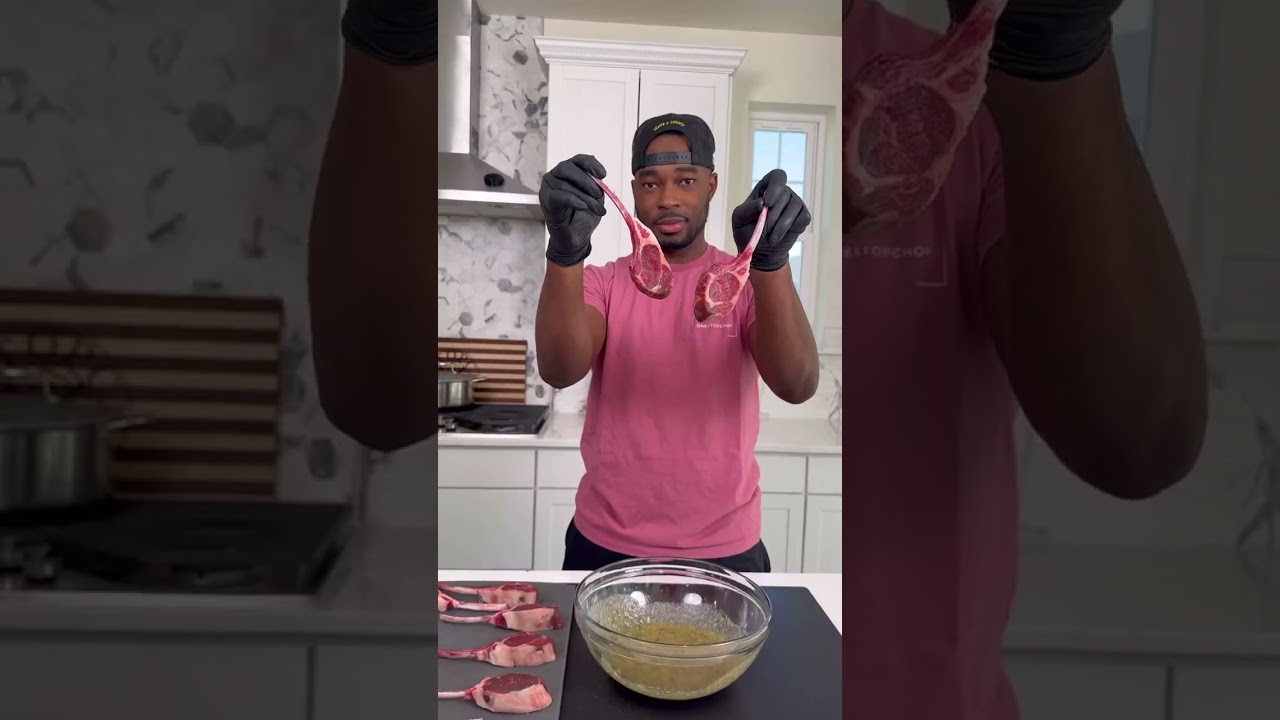
“Lamb chops are one of those proteins home cooks treat as special-occasion-only, then wonder why they paid $45 at a steakhouse for something they could have made in under an hour. The barrier is not technique — it's confidence. Get the pan hot enough, stop moving the meat, and pull it at the right temperature. That's the whole recipe. Everything else is just seasoning.”
Why This Recipe Works
Lamb chops sit in an awkward middle ground in most home kitchens — too expensive to experiment with casually, too simple to justify the intimidation people project onto them. The result is that lamb gets relegated to restaurant orders while cheaper proteins absorb all the weeknight practice time. That's backwards. Lamb rib chops are among the most forgiving high-end proteins you can cook, precisely because they're small, thin, and respond quickly and predictably to direct heat.
The Temperature Foundation
Everything in this recipe depends on starting with room-temperature meat. Cold lamb chops — pulled directly from the refrigerator — have an internal temperature around 38°F. Your skillet should be around 400-450°F at the searing surface. That 360-degree differential means the outer layers of the chop reach browning temperatures while the center is still struggling to climb out of cold. The geometry works against you: you build a perfect crust on the outside while the interior stays stubbornly underdone. Twenty minutes on the counter brings the chops up to roughly 55-60°F, dramatically narrowing that gap and producing a more even cook from edge to center.
The Crust Chemistry
The herb rub accomplishes two things simultaneously. The Dijon mustard acts as an emulsified binder that holds the garlic, rosemary, and thyme against the surface of the meat during the high-heat sear — without it, the herbs fall off into the oil the moment the chop hits the pan. More importantly, the salt in the rub begins drawing surface moisture out of the meat within the first few minutes. That moisture then reabsorbs, carrying the herb and garlic flavor deeper into the outer layer.
When the coated chop hits a properly preheated cast iron skillet, the Maillard reaction begins almost immediately — a cascade of chemical reactions between amino acids and reducing sugars that generates the hundreds of flavor compounds responsible for that deep, savory crust. The critical temperature window is roughly 285-325°F at the meat surface. Below that, you get steaming. Above 350°F, you risk burning the garlic before the crust finishes forming. Medium-high heat with a preheated pan threads that needle cleanly.
The One-Pan Sauce Logic
The fond — those dark, caramelized bits stuck to the bottom of the pan after searing — is concentrated lamb flavor. Most home cooks wash it away. This recipe builds an entire sauce from it. Deglazing with lemon juice and balsamic vinegar dissolves the fond through acidity, suspending it in liquid where it can flavor the onions, broth, and spinach that follow. The balsamic adds a muted sweetness that balances the brightness of the lemon without competing with the lamb. The wilted spinach gives the sauce body and color without needing cream or flour.
Finishing with cold butter off the heat — the classic French monter au beurre — emulsifies the sauce into something glossy and cohesive rather than an oily puddle. A good instant-read thermometer handles the meat; the pan sauce handles itself if you follow the order of operations.
Why Lamb Works for This Format
Rib chops cook in under 10 minutes of active pan time. The sauce takes another 12. The whole meal is plated in 43 minutes, and the ingredient list is short enough to keep at stock in any reasonably stocked kitchen. Lamb's bold flavor means you don't need complexity in the seasoning — rosemary, garlic, thyme, and lemon are doing real work here, not decorating. The rest comes from the quality of the protein itself.
This is the kind of dinner that looks harder than it is and tastes better than it has any right to, given the effort involved. That ratio — perceived effort to actual effort — is the entire argument for cooking lamb at home.
Where Beginners Mess This Up
Before we start, read this. These are the 4 reasons your perfect herb-crusted lamb chops (restaurant results at home) will fail:
- 1
Starting with cold meat: Cold lamb chops dropped into a hot pan cause immediate temperature shock — the outer layer seizes and releases moisture before the Maillard reaction can form a crust. The result is gray, steamed meat instead of the deep mahogany crust you're after. Twenty minutes on the counter solves this completely.
- 2
Moving the chops during the sear: Every time you shift the chop, you interrupt the crust formation. The Maillard reaction requires sustained, direct contact with the hot surface. If the chop lifts cleanly with tongs, it's ready to flip. If it sticks, it's telling you it's not done building the crust yet. Listen to it.
- 3
Overcrowding the pan: Crowded chops steam each other instead of searing. The moisture they release has nowhere to evaporate, which drops the pan temperature below the Maillard threshold (around 285°F). If your pan won't hold all chops with at least an inch of space between them, cook in two batches.
- 4
Skipping the rest: Cutting into lamb chops immediately after cooking sends the juices cascading onto the cutting board instead of redistributing through the meat. Four minutes of tented resting is the difference between a juicy chop and a dry one.
The Video Reference Library
Want to see it in action? Here are the exact videos we analyzed and combined to build this foolproof recipe translation:
The source video for this recipe's core technique. Clear demonstration of the sear, flip timing, and pan sauce construction. Pay close attention to the crust color before the first flip.
🛠️ Core Equipment
- Cast iron or stainless steel skilletNon-stick pans can't sustain the high heat required for a proper crust. Cast iron holds temperature exceptionally well when cold meat hits the pan. Avoid non-stick entirely for this recipe.
- Instant-read thermometerLamb is expensive. Guessing doneness is how you ruin expensive lamb. Medium-rare is 130-135°F internal. Pull at 128°F and let carryover cooking finish the job during the rest.
- TongsForks pierce the meat and release juice. Tongs let you flip and handle the chops without puncturing the surface. Use them for everything — including pressing the chops against the pan for contact.
- Aluminum foilFor tenting the rested chops. A loose tent traps enough heat to continue the rest without steaming the crust you just built. Don't wrap tight.
Perfect Herb-Crusted Lamb Chops (Restaurant Results at Home)
🛒 Ingredients
- ✦8 lamb rib chops, approximately 1.5 inches thick
- ✦3 tablespoons extra virgin olive oil
- ✦4 cloves garlic, minced
- ✦2 tablespoons fresh rosemary leaves, finely chopped
- ✦1 tablespoon fresh thyme leaves
- ✦1 teaspoon Dijon mustard
- ✦1 teaspoon sea salt
- ✦0.5 teaspoon freshly ground black pepper
- ✦0.25 teaspoon cayenne pepper
- ✦2 tablespoons fresh lemon juice
- ✦1 medium yellow onion, thinly sliced
- ✦2 cups baby spinach
- ✦1 tablespoon balsamic vinegar
- ✦0.5 cup lamb or vegetable broth
- ✦2 tablespoons unsalted butter
- ✦1 teaspoon grated lemon zest
👨🍳 Instructions
01Step 1
Remove the lamb chops from refrigeration 20 minutes before cooking to allow them to reach room temperature.
02Step 2
Combine the minced garlic, chopped rosemary, thyme leaves, Dijon mustard, sea salt, black pepper, and cayenne pepper in a small bowl.
03Step 3
Coat both sides of each lamb chop generously with the herb mixture, pressing firmly so the seasonings adhere to the meat.
04Step 4
Heat the extra virgin olive oil in a large cast iron or stainless steel skillet over medium-high heat until shimmering, about 2 minutes.
05Step 5
Place the seasoned lamb chops in the hot skillet and sear without moving them for 4 minutes until a golden-brown crust forms.
06Step 6
Flip the chops carefully and sear the second side for another 3-4 minutes for medium-rare doneness. Pull at 128°F internal temperature and let carryover finish the job.
07Step 7
Transfer the cooked lamb chops to a plate and tent loosely with aluminum foil. Rest for at least 4 minutes.
08Step 8
Pour off most of the excess fat from the skillet, leaving about 1 tablespoon. Keep all the browned bits — that is the flavor.
09Step 9
Add the sliced yellow onion to the same pan over medium heat and sauté for 5 minutes until softened and lightly golden.
10Step 10
Pour in the lemon juice and balsamic vinegar, scraping up all the browned bits from the bottom of the pan with a wooden spoon.
11Step 11
Add the lamb broth and bring to a gentle simmer for 2 minutes to reduce slightly.
12Step 12
Stir in the fresh spinach and cook for 1-2 minutes until just wilted.
13Step 13
Remove the pan from heat and stir in the unsalted butter and lemon zest until the butter melts completely.
14Step 14
Taste the sauce and adjust salt and pepper as needed.
15Step 15
Arrange the lamb chops on serving plates and spoon the warm spinach and onion mixture alongside, drizzling any pan sauce over top.
Nutrition Per Serving
Estimates based on standard preparation. Adjustments alter macros.
🔄 Substitutions
Instead of Extra virgin olive oil...
Use Ghee or avocado oil
Higher smoke points make either a better choice for the initial high-heat sear. Ghee adds a subtle nutty flavor; avocado oil is neutral. Save the olive oil for finishing if you make the switch.
Instead of Unsalted butter...
Use Grass-fed ghee
Works identically for the monter au beurre finish. Ghee has a slightly nuttier flavor and tolerates higher heat, though at this stage you're off the heat anyway.
Instead of Baby spinach...
Use Swiss chard or lacinato kale
Both hold up better to the pan sauce heat and have more textural presence. Kale needs an extra 2-3 minutes to wilt fully. Either choice adds more fiber and structural bite than spinach.
Instead of Lamb or vegetable broth...
Use Bone broth
Adds body and depth to the pan sauce from its natural gelatin content. The sauce will have a slightly silkier consistency at the finish. Use unsalted bone broth and season to taste.
🧊 Storage & Reheating
In the Fridge
Store cooked chops and sauce separately in airtight containers for up to 3 days. The sauce keeps better than the chops and can be reused on other proteins.
In the Freezer
Freeze cooked chops for up to 2 months. The texture suffers slightly on reheating — lamb is best fresh. Freeze only if necessary.
Reheating Rules
Reheat chops gently in a covered skillet over low heat with a splash of broth, about 4-5 minutes per side. Avoid the microwave — it turns the exterior rubbery and pushes the internal temperature past medium quickly.
❓ Frequently Asked Questions
Why does my lamb smell strongly gamey?
Gaminess in lamb comes primarily from branched-chain fatty acids found in the fat. Older animals and grain-finished lamb tend to be stronger. Younger lamb (often labeled 'spring lamb') and grass-finished lamb from New Zealand or domestic sources are generally milder. Trimming excess exterior fat before cooking reduces the intensity significantly.
What internal temperature should lamb chops reach?
Medium-rare is 130-135°F and is the recommended target for rib chops — juicy, pink, and tender. Pull at 128°F and rest for 4 minutes; carryover heat covers the remaining degrees. Medium is 140-145°F. Above 155°F the meat tightens significantly and you lose the texture that makes lamb worth cooking.
Can I cook lamb chops in the oven instead?
You can, but you'll sacrifice the crust. The best method is a hybrid: sear in a cast iron skillet for 2-3 minutes per side to build the crust, then transfer to a 400°F oven for 5-7 minutes to finish evenly. This is especially useful for thicker chops over 1.5 inches.
How do I know when the chops are ready to flip?
Lift one corner with tongs. If it releases cleanly from the pan, flip. If it sticks and resists, give it another 30-60 seconds. The Maillard reaction forms a natural release — properly seared meat does not stick to a hot pan.
Can I use dried herbs instead of fresh?
You can, but reduce the quantities by about two-thirds — dried herbs are more concentrated. The texture of the crust will be slightly different since fresh herbs contain moisture that helps them adhere. Dried rosemary in particular can be harsh; if using dried, rub it between your palms first to break it down before mixing into the rub.
Do lamb rib chops and loin chops cook the same way?
Similar technique, different timing. Loin chops are thicker and meatier — add 2-3 minutes per side for medium-rare. Rib chops are smaller and cook faster. Both benefit from the same sear-then-rest approach. Do not try to eyeball doneness on either; use a thermometer.
The Science of
Perfect Herb-Crusted Lamb Chops (Restaurant Results at Home)
We turned everything on this page into a beautiful, flour-proof PDF cheat sheet. Print it out, stick it to your fridge, and never mess up your perfect herb-crusted lamb chops (restaurant results at home) again.
*We'll email you the high-res PDF instantly. No spam, just perfectly cooked meals.
AlmostChefs Editorial Team
We translate the internet's most popular cooking videos into foolproof, beginner-friendly written recipes. We analyze multiple methods, test them in our kitchen, and engineer a single "Master Recipe" that gives you the best possible result with the least possible stress.