Crispy Korean Corn Dogs (The Street Food Secret You're Missing)
A Seoul street food staple — hot dogs and mozzarella on a stick, dipped in a thick yeasted batter, rolled in panko or sugar, fried until golden, and finished with a squeeze of ketchup, mustard, and mayo. We reverse-engineered the exact batter consistency that gives you that signature shatteringly crisp exterior with a molten cheese pull.

“Korean corn dogs are not American corn dogs. The batter is thicker, yeastier, and deliberately designed to create a puffy, chewy shell rather than a thin cornmeal crust. The cheese pull is engineered, not accidental — you need the right mozzarella, the right freeze time, and the right oil temperature. Miss any one of these and you get a soggy stick with leaked cheese. Get them right and you get the exact thing that stops foot traffic on every street in Myeongdong.”
Why This Recipe Works
The Korean corn dog is one of the most technically interesting things you can make in a home kitchen — not because it's complicated, but because every single step serves an exact engineering purpose that most recipes never bother to explain. Understanding the why turns a frustrating first attempt into a consistent result.
The Batter Is Not Cornmeal
This is where most Western recipe writers fail the dish. Korean corn dog batter is built on a yeasted flour base, not cornmeal. The yeast ferments slightly during the 20-minute rest, generating CO₂ bubbles inside the batter. When those bubbles hit 350°F oil, they expand rapidly, creating the characteristic puffy, doughnut-like shell that gives the Korean version its distinct chew. Cornmeal batter lacks yeast and lacks this expansion mechanism — it fries dense and crackery, which is a completely different experience.
The sugar in the batter serves double duty: it feeds the yeast during the rest period and accelerates the Maillard browning reaction during frying, giving you that deep amber color faster than plain flour would allow. The pinch of salt suppresses excess yeast activity so the batter doesn't over-ferment and turn sour if you take longer than expected between steps.
The Freeze Is Physics
Mozzarella melts at around 130°F. Frying oil sits at 350°F. The batter needs approximately 4-5 minutes to fully set and brown. If the cheese enters the oil at room temperature, it reaches melting point within the first 60-90 seconds — well before the batter has formed a stable exterior wall. The result is a batter breach. Melted cheese finds the path of least resistance (usually a thin spot in the coating) and leaks directly into the oil.
Freezing the assembled skewer for 30 minutes drops the core temperature low enough that the cheese has a 3-4 minute buffer before it reaches melting point — exactly enough time for the batter exterior to set and seal. This is not a quality-of-life tip. It is the structural principle that makes the dish work.
Oil Temperature Is Non-Negotiable
At 325°F, the batter absorbs oil before its surface proteins have time to denature and form a crust. The result is heavy, greasy, and limp — the deep-fried equivalent of wet bread. At 375°F, the exterior browns before the interior cooks through, leaving raw batter at the core. The 350°F window is narrow and deliberate.
Use a clip-on thermometer to monitor the oil between batches. Each corn dog you drop in lowers the temperature by 15-20 degrees. You need to let the oil recover fully before adding the next stick, or you're compounding the problem with every batch.
The Panko Architecture
Panko is not decorative. The coarse Japanese breadcrumbs create a secondary fried layer outside the batter that adds structural rigidity and prolongs crispness. The angular, irregular shape of panko crumbs traps air pockets during frying, giving you a craggier, more textural surface than standard fine breadcrumbs would produce. Press the panko firmly into the battered surface before it hits the oil — crumbs that haven't adhered properly fall off in the fry and burn, contributing off-flavors to your oil.
The sugar-roll finish is optional but worth understanding. Rolling a freshly panko-coated corn dog in granulated sugar before frying creates a thin caramelized glaze over the entire exterior during the fry. It sounds counterintuitive. The result is a corn dog that tastes like a savory-sweet carnival — the same flavor architecture that makes glazed bacon or salted caramel work. This is standard practice at Seoul street stalls and almost entirely absent from Western recipes.
Condiment Application Is Not Optional
Korean corn dogs are not finger food in the way American corn dogs are. The zigzag drizzle of ketchup, yellow mustard, and Japanese mayo (Kewpie specifically, for its egg-yolk richness) is part of the final flavor balance. The slight acidity of the ketchup cuts through the fried dough. The mustard adds sharpness. The mayo provides fat that rounds out the whole thing. Eat one plain and one fully dressed side-by-side and you'll understand immediately why street vendors never skip the condiments.
Where Beginners Mess This Up
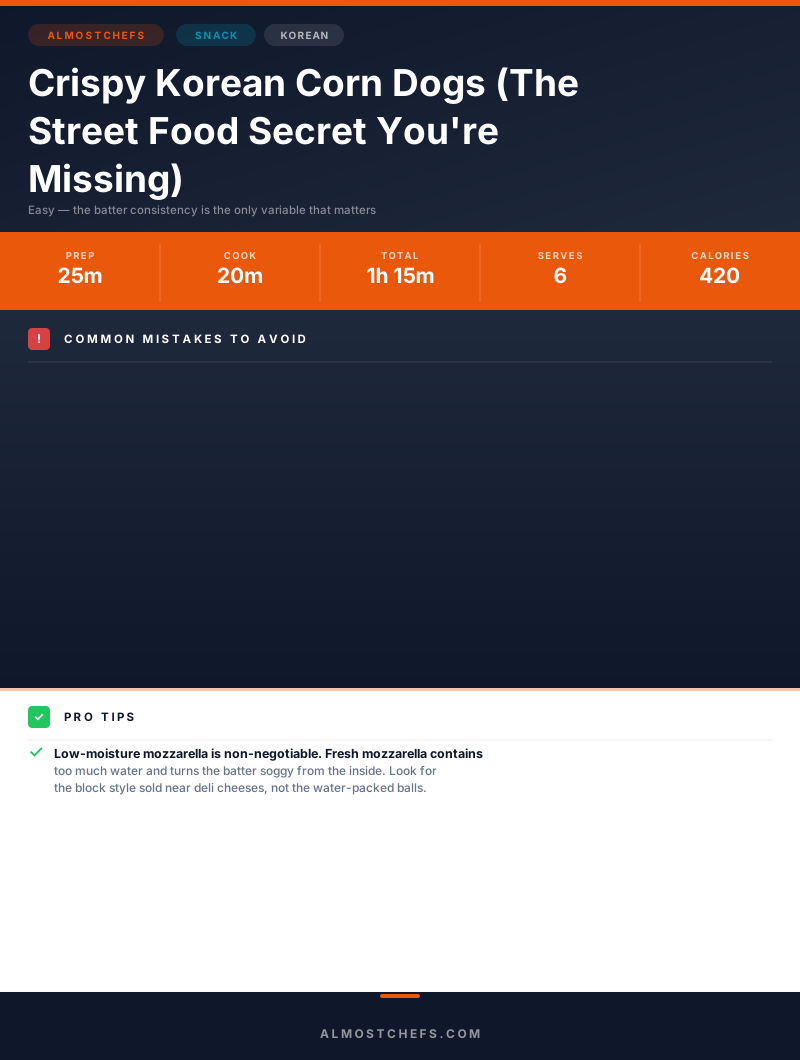
Before we start, read this. These are the 4 reasons your crispy korean corn dogs (the street food secret you're missing) will fail:
- 1
Batter that's too thin: Korean corn dog batter should coat a spoon thickly and hold its shape for two seconds before dripping. Thin batter slides off the dog before it sets in the oil, leaving bare patches and a thin, crackery shell instead of the thick, chewy exterior that defines the dish. If your batter pours like pancake batter, add flour a tablespoon at a time until it ribbon-falls off a spoon.
- 2
Skipping the freeze step: The mozzarella must be cold — ideally partially frozen — before frying. Room-temperature cheese melts and leaks out of the batter before the exterior has time to set. Thirty minutes in the freezer after skewering is the difference between a dramatic cheese pull and a pool of grease in your oil.
- 3
Oil temperature too low: At 325°F or below, the batter absorbs oil instead of frying. You get a heavy, greasy shell that never crisps. The target is 350°F. Use a [thermometer](/kitchen-gear/review/instant-read-thermometer) — guessing by eye is how you ruin a batch.
- 4
Not rotating constantly: Korean corn dogs need to be turned every 30-45 seconds throughout the fry. If you let them sit, the bottom half gets dark while the top half stays pale and underdone. Constant rotation gives you the even golden crust you see on every street food photo.
🛠️ Core Equipment
- Deep heavy-bottomed pot or wokMaintains oil temperature better than a shallow pan. At least 4 inches of oil depth ensures the entire corn dog is submerged and fries evenly without resting on the bottom.
- Instant-read thermometerThe difference between 325°F and 350°F is the difference between greasy and crispy. There is no reliable visual substitute — you must measure. A [clip-on thermometer](/kitchen-gear/review/instant-read-thermometer) frees your hands to rotate the sticks.
- Wooden chopsticks or 8-inch skewersTraditional chopsticks give you a longer, more controllable handle for rotating the corn dog in the oil. Shorter skewers put your hands dangerously close to the oil.
- Wire rack over a sheet panDraining on paper towels traps steam under the corn dog and softens the crust within minutes. A wire rack lets air circulate on all sides, keeping the exterior crispy while you finish the rest of the batch.
Crispy Korean Corn Dogs (The Street Food Secret You're Missing)
🛒 Ingredients
- ✦6 hot dogs (beef franks preferred)
- ✦6 oz low-moisture mozzarella, cut into 6 rectangular blocks
- ✦1.5 cups all-purpose flour
- ✦2 tablespoons sugar, plus more for rolling
- ✦1 teaspoon instant yeast
- ✦1/2 teaspoon fine sea salt
- ✦3/4 cup warm water (about 105°F)
- ✦1 large egg
- ✦1 cup panko breadcrumbs
- ✦Neutral oil for frying (4-6 cups)
- ✦Ketchup, mustard, and Japanese mayo for serving
- ✦6 wooden chopsticks or 8-inch skewers
👨🍳 Instructions
01Step 1
Pat the hot dogs and mozzarella blocks completely dry with paper towels. Thread each skewer through a mozzarella block and then through a hot dog so both sit flush on the stick with no gaps.
02Step 2
Place the assembled skewers on a parchment-lined sheet pan and freeze for 30 minutes.
03Step 3
Combine flour, sugar, yeast, and salt in a large bowl. Add warm water and the egg, then stir until a thick, sticky batter forms with no dry flour pockets. Let rest 20 minutes at room temperature.
04Step 4
Pour panko into a shallow plate. Spread a thin layer of sugar on a second plate if using the sugar-crusted style.
05Step 5
Heat oil in a deep, heavy-bottomed pot to exactly 350°F.
06Step 6
Working one at a time, hold a frozen skewer upright and pour batter over it in a slow stream while rotating the stick, coating it evenly. Use your hand to smooth any thin spots.
07Step 7
Immediately roll the battered corn dog in panko, pressing gently so the crumbs adhere. For the sugar-crusted style, roll in sugar after the panko.
08Step 8
Carefully lower the corn dog into the hot oil. Rotate continuously with tongs or chopsticks every 30-45 seconds for 4-5 minutes until deep golden brown all over.
09Step 9
Transfer to a wire rack. Let cool for 90 seconds before adding condiments — the interior temperature is extreme directly out of the oil.
10Step 10
Drizzle with ketchup, mustard, and Japanese mayo in the signature Korean street food zigzag pattern. Serve immediately.
Nutrition Per Serving
Estimates based on standard preparation. Adjustments alter macros.
🔄 Substitutions
Instead of Hot dog...
Use Rice cake (tteok) cylinder
The all-cheese or all-rice-cake version is popular with vegetarians. The tteok adds chewiness the hot dog doesn't have. Use the same freeze timing.
Instead of Panko breadcrumbs...
Use Crushed ramen noodles (dry)
Creates a jagged, extra-crunchy exterior with a slightly savory note. Popular variant. Use the same quantity and press firmly so the noodles stick.
Instead of All-purpose flour...
Use Rice flour (50/50 blend)
Replacing half the flour with rice flour produces a lighter, crispier shell that stays crunchy longer. Ideal if you're making a large batch and frying over time.
Instead of Mozzarella...
Use Pepper jack or cheddar
Both melt well at fry temperatures. Cheddar produces a sharper flavor contrast with the sweet batter. Pepper jack adds heat. Use the same freeze timing.
🧊 Storage & Reheating
In the Fridge
Store cooked corn dogs in an airtight container for up to 2 days. The batter softens overnight — reheat in an air fryer to restore crispness.
In the Freezer
Freeze uncooked assembled and battered corn dogs on a sheet pan until solid, then transfer to a zip bag for up to 1 month. Fry from frozen, adding 1-2 minutes to the cook time.
Reheating Rules
Air fryer at 375°F for 3-4 minutes is the only method that restores the original crust texture. Oven at 400°F for 6-8 minutes works but is slightly less crispy. Microwave is not recommended.
❓ Frequently Asked Questions
Why is my batter sliding off the hot dog?
Two causes: the surface is wet, or the batter is too thin. Pat the hot dogs completely dry before skewering and chilling. If the batter still slides, add flour until it holds a thick coat on a spoon for 2 full seconds without running.
Why did my cheese leak out during frying?
The cheese wasn't cold enough. It needs at least 30 minutes in the freezer after assembly. Room-temperature mozzarella melts faster than the batter sets, and there's nowhere for the liquid cheese to go except out.
Can I bake these instead of frying?
Technically yes, but the result is not a Korean corn dog — it's a baked hot dog in bread. The deep fry is what creates the puffy, chewy batter shell. Baking produces a dense, dry exterior. If you must avoid frying, an air fryer at 390°F for 8-10 minutes is the closest acceptable alternative.
What oil is best for frying?
Any neutral oil with a smoke point above 400°F: vegetable, canola, sunflower, or rice bran oil. Avoid olive oil or sesame oil — both smoke at frying temperatures and add bitter flavor.
How do I keep finished corn dogs crispy while I fry the rest of the batch?
Keep them in a 250°F oven on a wire rack. Do not stack them or cover them — steam from the hot interior softens the crust within minutes.
What makes Korean corn dogs different from American corn dogs?
American corn dogs use a cornmeal-based batter that fries thin and crunchy. Korean corn dogs use a yeasted flour batter that fries thick, puffy, and slightly chewy — closer in texture to a fried doughnut than a cornbread crust. The sugar rolling, the cheese-and-hot-dog filling, and the condiment style are also distinctly Korean street food culture.
The Science of
Crispy Korean Corn Dogs (The Street Food Secret You're Missing)
We turned everything on this page into a beautiful, flour-proof PDF cheat sheet. Print it out, stick it to your fridge, and never mess up your crispy korean corn dogs (the street food secret you're missing) again.
*We'll email you the high-res PDF instantly. No spam, just perfectly cooked meals.
AlmostChefs Editorial Team
We translate the internet's most popular cooking videos into foolproof, beginner-friendly written recipes. We analyze multiple methods, test them in our kitchen, and engineer a single "Master Recipe" that gives you the best possible result with the least possible stress.