Sticky Korean BBQ Short Ribs (The Galbi Method That Actually Works)
Tender beef short ribs marinated overnight in a pear-soy-sesame sauce, seared to a caramelized crust, then simmered until the meat pulls from the bone. We broke down the most reliable methods to give you restaurant-quality galbi without a grill or a complicated setup.
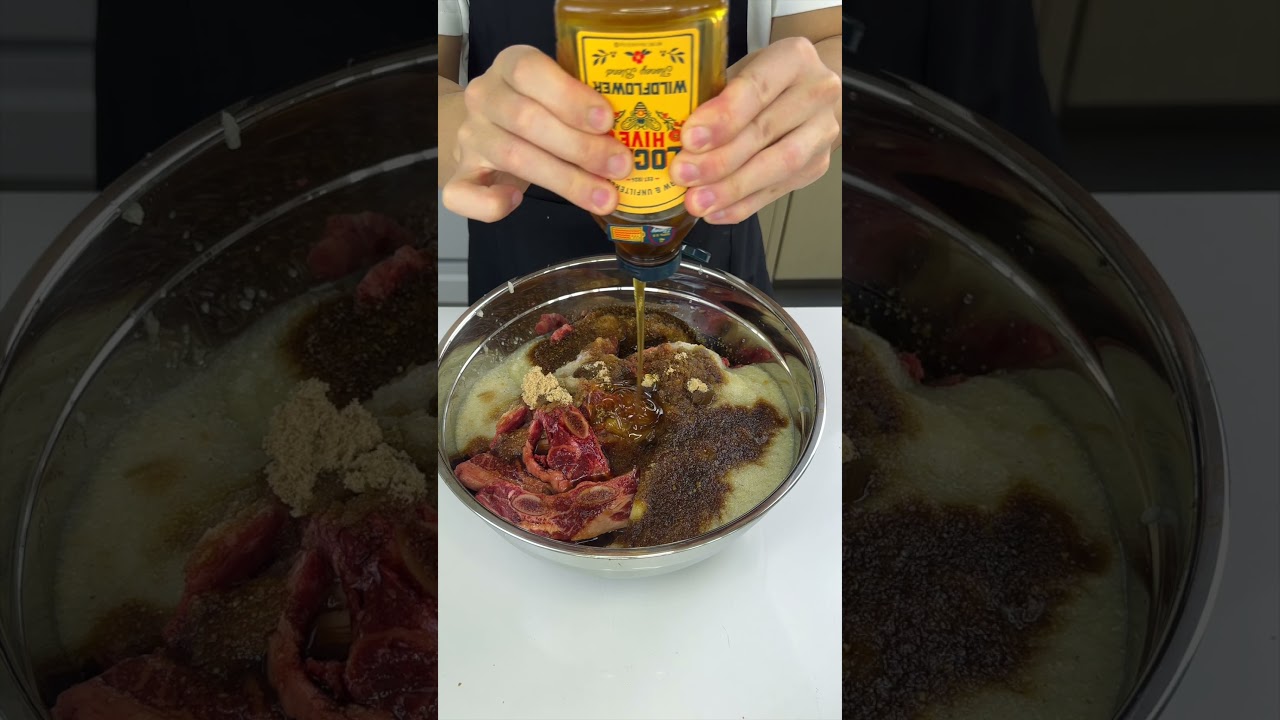
“Galbi has one job: make you forget about everything else at the table. When it works, the meat is lacquered, fragrant, and tender enough to slide off the bone with zero resistance. When it doesn't, you get chewy ribs swimming in salty liquid with none of the caramelization that makes the dish worth eating. The margin between those two outcomes is almost entirely about the marinade time and your commitment to getting a real sear before anything else happens in the pan.”
Why This Recipe Works
Galbi is one of the most requested dishes at Korean restaurants, and one of the most reliably botched at home. Not because the technique is difficult — it isn't — but because the dish makes one demand that most weeknight cooks are structurally unwilling to meet: time. Give this recipe the overnight marinade it asks for and you will produce something genuinely impressive. Rush it and you'll get serviceable braised beef with Asian-adjacent flavors. The gap between those two outcomes is exactly as wide as your patience.
The Pear Is Doing Real Work
This isn't a flavor decision. Asian pear contains proteolytic enzymes that break down myosin, one of the primary structural proteins in beef muscle. When the meat sits submerged in grated pear for eight or more hours, the surface fibers physically change — not just flavored, but altered at a structural level. The result is a tenderness you cannot achieve with acid, salt, or heat alone.
The same enzyme activity is why you cannot marinate pear-based recipes indefinitely. Beyond twelve hours, the outer layer of the meat starts to go mushy — the enzymes don't stop working just because the meat is tender enough. Four hours is the floor. Overnight (six to eight hours) is the sweet spot. Anything beyond twelve hours and you start paying a texture penalty.
If you can't find Asian pear, a ripe Bartlett pear works nearly as well. Pineapple juice is the stronger substitute — it contains bromelain, which is more aggressive than pear enzymes. If you go that route, cap the marinade at three hours.
The Sear Is Not Optional
Short ribs braised without a prior sear produce tender meat and thin, one-dimensional sauce. Short ribs seared in a ripping hot pan before braising produce tender meat and a sauce with layered, roasted, caramelized complexity that tastes like it came from a professional kitchen.
The Maillard reaction that occurs when the honey and soy-coated meat hits the pan creates hundreds of flavor compounds that no amount of simmering can replicate. This is the architectural foundation of the dish. The braise that follows doesn't build flavor from scratch — it softens and melds the roasted flavors already created during the sear.
Two things ruin the sear: a cold pan and a crowded pan. Heat your cast iron skillet until the oil is nearly smoking before the first rib goes in. And work in batches — if the pieces touch, the moisture they release steams the surface and the crust never forms.
The Sauce Is the Dish
Most people treat galbi as a meat dish with sauce. It's more accurately a sauce dish served over meat. The reduced pan liquid — concentrated pear sugars, caramelized soy, dissolved collagen from the bones, gochujang heat — is what makes this worth eating. Treat the reduction seriously.
Simmer the ribs gently for 25-30 minutes, partially covered, on medium-low heat. This is collagen conversion time. Then remove the lid, increase the heat to medium, and let the sauce reduce for five full minutes until it coats the back of a spoon. What you're seeing is dissolved collagen (now gelatin) concentrating into a glossy, clingy sauce that will lacquer the meat when you plate it.
If the sauce reduces too far and starts to look sticky and dark, add a splash of water. The sugar concentration from the honey and pear can go from glossy to burnt in under a minute once the water fully evaporates. Watch it.
Acid at the End
The lime wedge is not garnish. After 30 minutes of simmering in a sweet, salty, fatty sauce, the ribs need an acid counterpoint to taste vibrant rather than heavy. A squeeze of lime over the plated dish lifts the entire flavor profile in the same way lemon lifts pan sauces or vinegar brightens braised greens. It's the last piece of the architecture, and it's as important as anything that happened in the pan.
Where Beginners Mess This Up
Before we start, read this. These are the 4 reasons your sticky korean bbq short ribs (the galbi method that actually works) will fail:
- 1
Not marinating long enough: The pear in this marinade contains bromelain-adjacent enzymes that actively break down muscle fibers. Four hours is the absolute minimum. Overnight is where the magic happens. A 30-minute marinade produces beef that's technically coated but not tenderized — you'll chew through it.
- 2
Overcrowding the pan during the sear: Short ribs release moisture when they hit the pan. If the pieces are touching, that moisture steams the meat instead of evaporating — and you get gray, boiled ribs instead of a caramelized crust. Work in batches, every time, without exception.
- 3
Adding the marinade too early: Pour the reserved marinade in before you have a proper sear and the sugars from the honey and pear will burn before the crust develops. Sear first. Then add liquid. This sequence is not flexible.
- 4
Simmering at too high a heat: Once the marinade and water go in, the goal is a gentle, low simmer — not a boil. High heat tightens the muscle fibers and produces dry, stringy ribs. Medium-low, partially covered, 25-30 minutes. The collagen needs time to dissolve into gelatin. Rushing it costs you the tenderness.
The Video Reference Library
Want to see it in action? Here are the exact videos we analyzed and combined to build this foolproof recipe translation:
The reference video for this recipe. Covers the marinade ratio, the sear technique, and the reduction stage that produces the glossy sauce finish.
🛠️ Core Equipment
- Large heavy-bottomed skillet or cast iron panEven heat distribution is what creates consistent caramelization across the surface of each rib. Thin pans develop hot spots that burn the sugar-heavy marinade unevenly. A [cast iron skillet](/kitchen-gear/review/cast-iron-skillet) is the ideal tool here.
- Microplane or box graterFor grating the pear and ginger to a fine pulp. Chunky grated pear doesn't distribute evenly through the marinade — you want a smooth slurry that coats every surface of the meat.
- Large resealable bag or deep baking dishShort ribs need to be fully submerged in marinade to tenderize evenly. A resealable bag allows you to massage the marinade into the meat and rotate it easily in the fridge.
Sticky Korean BBQ Short Ribs (The Galbi Method That Actually Works)
🛒 Ingredients
- ✦3 pounds beef short ribs, cut between bones into 2-3 inch pieces
- ✦1 medium Asian pear, peeled and grated (about 1 cup)
- ✦½ cup low-sodium soy sauce
- ✦3 tablespoons honey
- ✦3 tablespoons sesame oil
- ✦6 cloves garlic, minced
- ✦1 tablespoon fresh ginger, grated
- ✦4 scallions, white and light green parts only, chopped
- ✦2 tablespoons rice vinegar
- ✦1 tablespoon gochujang (Korean red chili paste)
- ✦1 teaspoon freshly ground black pepper
- ✦2 tablespoons vegetable oil for searing
- ✦¼ cup water
- ✦2 tablespoons toasted sesame seeds
- ✦Fresh cilantro for garnish
- ✦Lime wedges for serving
👨🍳 Instructions
01Step 1
Pat the beef short ribs completely dry with paper towels and place them in a large resealable bag or deep baking dish.
02Step 2
Combine the grated pear, soy sauce, honey, sesame oil, minced garlic, grated ginger, scallions, rice vinegar, gochujang, and black pepper in a bowl. Stir until the gochujang is fully dissolved into the marinade.
03Step 3
Pour the marinade over the short ribs, ensuring every piece is evenly coated. Seal the bag, pressing out excess air, and refrigerate for at least 4 hours — overnight is strongly preferred.
04Step 4
Remove the short ribs from the refrigerator 30 minutes before cooking. Shake off excess marinade back into the bag and reserve it — do not discard.
05Step 5
Heat vegetable oil in a large heavy-bottomed skillet over medium-high heat until it shimmers and is nearly smoking, about 2 minutes.
06Step 6
Working in batches, add the ribs to the pan in a single layer without crowding. Sear for 3-4 minutes on the first side without moving them until a deep golden-brown crust forms.
07Step 7
Flip each rib and sear the other side for another 3-4 minutes until equally caramelized. Transfer the seared batch to a plate and repeat with remaining ribs.
08Step 8
Once all ribs are seared, return them all to the skillet. Pour the reserved marinade and water into the pan around the ribs.
09Step 9
Reduce heat to medium-low. Partially cover the skillet with a lid or foil and simmer gently for 25-30 minutes, turning the ribs occasionally, until the meat is tender and pulls easily from the bone.
10Step 10
Remove the lid and increase heat to medium. Simmer uncovered for 5 minutes, allowing the sauce to reduce and thicken until it coats the back of a spoon.
11Step 11
Transfer the short ribs to a serving platter and drizzle generously with the reduced pan sauce.
12Step 12
Garnish with toasted sesame seeds and fresh cilantro. Serve immediately with lime wedges on the side.
Nutrition Per Serving
Estimates based on standard preparation. Adjustments alter macros.
🔄 Substitutions
Instead of Asian pear...
Use Ripe Bartlett pear or ½ cup pineapple juice
Both contain enzymes that break down muscle fibers similarly. Pineapple juice is slightly more aggressive — reduce marinade time to 3 hours maximum to avoid over-tenderized, mushy meat.
Instead of Gochujang...
Use 1 tablespoon sriracha mixed with ½ teaspoon smoked paprika
Loses the fermented depth of real gochujang but maintains the heat and color. The flavor profile shifts slightly toward vinegar-forward, which is noticeable but not a dealbreaker.
Instead of Sesame oil...
Use Avocado oil
You lose the toasted sesame aroma entirely — it's one of the defining notes of the dish. If you go this route, add a tablespoon of toasted sesame seeds directly to the marinade to recover some of that character.
Instead of Honey...
Use 2 tablespoons honey plus 1 tablespoon mirin
Mirin adds a more complex sweetness with subtle fermented notes. This is actually an improvement on the original if you have mirin on hand.
🧊 Storage & Reheating
In the Fridge
Store in an airtight container with the pan sauce for up to 3 days. The sauce acts as a protective baste and keeps the meat moist.
In the Freezer
Freeze in portions with sauce for up to 2 months. Thaw overnight in the refrigerator before reheating.
Reheating Rules
Add a tablespoon of water to the container, cover tightly, and heat over low on the stovetop for 10-12 minutes. Microwave heating works but tends to tighten the muscle fibers — stovetop is the better call.
❓ Frequently Asked Questions
Can I use bone-in vs. boneless short ribs?
Bone-in is strongly preferred. The marrow and collagen in the bones dissolve during the simmer and contribute directly to the body and gloss of the final sauce. Boneless short ribs cook faster but produce a noticeably thinner sauce.
Why does my sauce taste flat even though I followed the recipe?
The reduction stage is likely the issue. If you didn't let the sauce simmer uncovered long enough to concentrate, it stays thin and the flavors stay diluted. Five minutes is the minimum — go longer if the sauce looks watery. Also check that your gochujang was fully dissolved into the marinade before it hit the pan.
My ribs came out tough. What went wrong?
Two possible causes: the marinade time was too short (under 4 hours doesn't tenderize short ribs adequately), or the simmer heat was too high and the collagen never had time to convert to gelatin. Short ribs need low, slow, moist heat to go from tough to tender.
Can I make this in a slow cooker?
Yes, but sear the ribs first — that step is non-negotiable for flavor. After searing, add ribs and marinade to the slow cooker and cook on low for 6-7 hours. The sauce won't reduce on its own, so transfer it to a saucepan and reduce it separately on the stovetop before serving.
Is the lime wedge just garnish or does it matter?
It matters. Short ribs are rich, fatty, and sweet from the honey and pear. A squeeze of lime at the table provides acid contrast that brightens the dish and keeps each bite feeling fresh. It's the same principle as a squeeze of lemon on fried fish.
What do I serve with galbi?
Steamed white rice is the classic pairing — the plain rice absorbs the sauce beautifully. Banchan (Korean side dishes) like kimchi, pickled daikon, or steamed spinach with sesame provide textural and acidic contrast. If you're keeping it simple, rice and a crisp cucumber salad dressed with rice vinegar is all you need.
The Science of
Sticky Korean BBQ Short Ribs (The Galbi Method That Actually Works)
We turned everything on this page into a beautiful, flour-proof PDF cheat sheet. Print it out, stick it to your fridge, and never mess up your sticky korean bbq short ribs (the galbi method that actually works) again.
*We'll email you the high-res PDF instantly. No spam, just perfectly cooked meals.
AlmostChefs Editorial Team
We translate the internet's most popular cooking videos into foolproof, beginner-friendly written recipes. We analyze multiple methods, test them in our kitchen, and engineer a single "Master Recipe" that gives you the best possible result with the least possible stress.