Perfect Khichdi (The Comfort Food You've Been Overcooking)
A wholesome one-pot Indian dish of rice and lentils cooked down to a soft, porridge-like consistency with warming spices and a final ghee temper. We broke down the most-watched YouTube methods to build one reliable technique that nails the texture and depth every time.
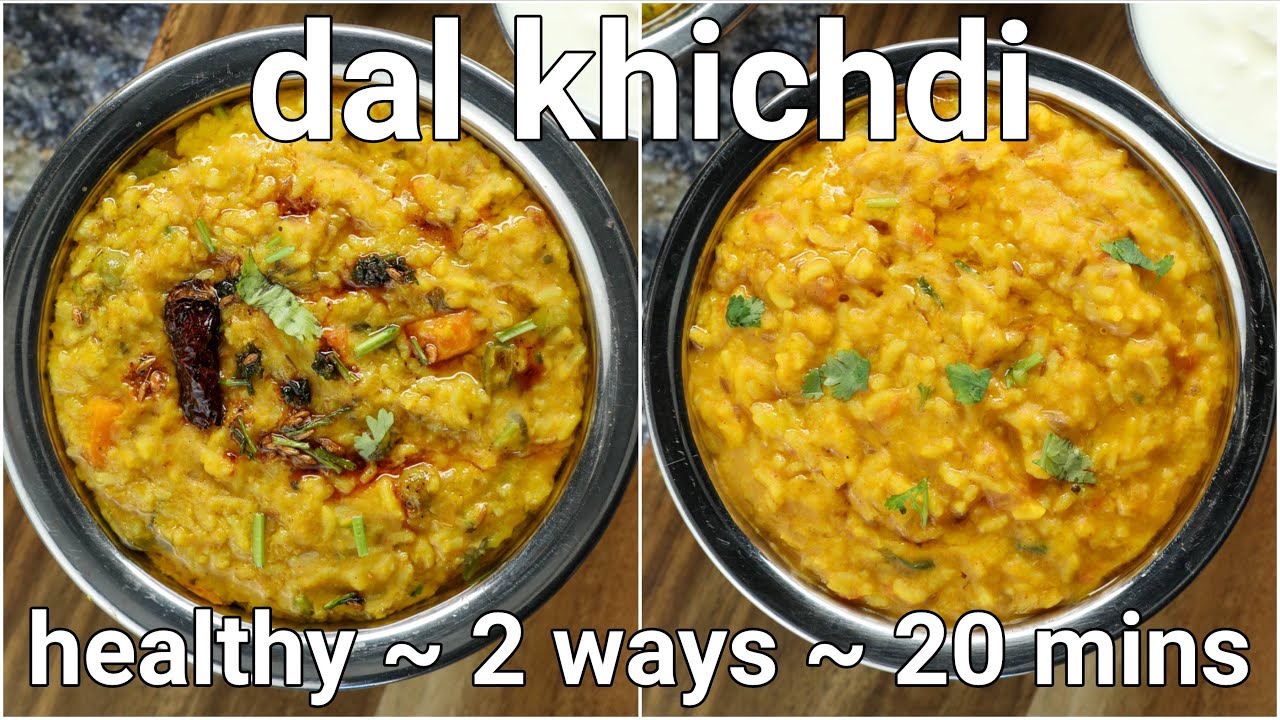
“Khichdi is the oldest trick in Indian cooking — a single pot, two ingredients, and centuries of instinct behind when to stop stirring. Most people either undercook it into a gummy brick or overcook it into wallpaper paste. The difference between those two failures and a bowl of soft, deeply savory khichdi comes down to your rice-to-lentil ratio, how well you bloom your spices, and whether you let the ghee temper do its job at the very end. We studied every major YouTube method to give you one version that works.”
Why This Recipe Works
Khichdi is the culinary equivalent of a load-bearing wall. Remove the ornament, strip the technique to its skeleton, and what remains is a dish that has fed the Indian subcontinent for three thousand years — through illness, famine, celebration, and ordinary Tuesday nights. It is not sophisticated. It is not meant to be. What it is, done correctly, is one of the most deeply satisfying things you can put in a bowl. Done incorrectly, it is gruel with ambitions.
The Ratio Question
Most home cooks treat khichdi as a 1:1 dish — equal parts rice and dal — because that's what gets passed down verbally and written in shorthand. It's wrong. A true 1:1 ratio produces khichdi that eats like a brick, where the rice and dal are technically cooked but never achieve the unified, flowing porridge consistency that makes the dish what it is. The correct ratio is 1 part rice to 1.5 parts split moong dal by volume. The additional lentils break down almost completely during cooking, releasing their starch into the surrounding liquid and creating the binding agent that gives khichdi its characteristic body. This is not a small adjustment — it's the difference between two ingredients in the same pot and an actual dish.
Split yellow moong dal is the correct choice here, not whole moong, not chana dal, not toor. Split moong has had its hull removed and the lentil halved, which means it hydrates faster, cooks faster, and breaks down more completely than any other common dal. It also has a clean, mild flavor that doesn't compete with the spice temper. Substitute a heartier lentil and you get something nutritious but structurally different — and honestly, that's a different recipe.
The Starch Problem
Rinsing the rice and dal until the water runs clear is not an optional step that finicky cooks perform for aesthetic reasons. It is a structural intervention. The cloudy water you see for the first 30 seconds of rinsing is free surface starch — amylose and amylopectin that have leached out of the grain during milling and storage. If that starch stays on the grain and enters the pot, it gelatinizes at high heat into a thick, sticky matrix that turns khichdi from creamy to gluey. The goal is creamy: a texture where the starches have been released slowly through cooking, not dumped in as a coating on day one.
The soak compounds this effect. Twenty minutes of soaking allows the outermost layer of each grain to begin absorbing water before heat is applied. When you do apply heat, the entire grain cooks from the outside in evenly, rather than the exterior overcooking while the center remains chalky. Soaked dal breaks down completely into the cooking liquid. Unsoaked dal retains its structure even in the finished dish — you'll see and feel discrete lentil pieces rather than that unified porridge consistency.
The Temper Architecture
The ghee temper is the most misunderstood step in Indian home cooking, and khichdi is where the misunderstanding costs the most. A temper — mustard seeds, cumin seeds, dried red chilies, and asafoetida bloomed in screaming-hot ghee — is a delivery mechanism. The fat captures the volatile aromatic compounds released when seeds hit high heat, and then carries those compounds across every surface of the dish when poured on top. This only works if the fat is hot enough to pop the seeds immediately and if the temper hits the finished dish, not the raw ingredients.
Add the temper at the beginning of cooking and you've converted it from a fragrance delivery system into just another fat in the pot. The seeds lose their volatile oils within minutes of sustained heat. By the time the khichdi is done, whatever aromatic impact they had is long gone. The sizzle you hear when the hot temper hits the finished khichdi — that specific sound — is the chemical signal that the process worked. Cover for thirty seconds, trap the aromatic steam, then fold it in gently. That's the whole mechanism.
Heat and Time
Khichdi is not a fast dish. The initial boil builds heat throughout the water and begins hydrating the grains; the sustained medium-low cook is where the actual transformation happens. High heat throughout the process is the enemy — it drives off water faster than the grains can absorb it, leaving you with grains that are technically soft but sitting in a reduced, overly thick paste rather than suspended in a creamy base.
The test for doneness is simple: tilt the pot. Finished khichdi should flow slowly toward the low side, like a thick batter. If it sits motionless in a solid mass, add water and keep cooking. If it's fully liquid, cook it down uncovered for a few minutes. The window of perfect consistency is wider than most people expect — khichdi is a forgiving dish. The mistakes that ruin it happen at the beginning (bad ratio, no rinse, no soak) not at the end.
A heavy-bottomed pot is non-negotiable for the stovetop method. Khichdi is sticky by nature — the starch released during cooking will find any hot spot in a thin pan and burn. Cast iron or thick stainless steel distributes heat evenly enough to eliminate hot spots entirely. If you own a pressure cooker, three whistles at medium heat is the most reliable method in existence for this dish. But the stovetop method, done with patience and the right equipment, produces results that are indistinguishable.
Where Beginners Mess This Up
Before we start, read this. These are the 4 reasons your perfect khichdi (the comfort food you've been overcooking) will fail:
- 1
Wrong rice-to-lentil ratio: A 1:1 ratio by volume produces khichdi that's stiff and dense — more like a rice cake than a porridge. The correct ratio is 1 part rice to 1.5 parts split moong dal. The lentils break down faster and release starch that binds the dish into that signature creamy, flowing consistency. Get the ratio wrong and no amount of extra water will save it.
- 2
Skipping the dal soak: Unsoaked moong dal takes nearly twice as long to cook and never fully breaks down into the smooth, porridge-like base that defines good khichdi. Even 20 minutes of soaking dramatically shortens cook time and ensures the lentils fully dissolve into the rice, creating that unified texture instead of two separate components sitting in the same bowl.
- 3
Adding the temper too early: The ghee temper — cumin, mustard seeds, dried chilies, and asafoetida bloomed in hot fat — is not a cooking step. It is the finishing move. Adding it during cooking destroys the volatile aromatic compounds before they can perfume the dish. The temper goes on at the very end, sizzling directly onto the finished khichdi, so the fragrance hits the surface intact.
- 4
Cooking on high heat throughout: High heat drives off water faster than the lentils can absorb it, leaving you with undercooked grains in a dried-out pot. Khichdi needs medium-low heat after the initial boil so the rice and dal cook slowly through steam and absorption simultaneously. The texture you want — flowing, like thick oatmeal — only happens when you give it time.
The Video Reference Library
Want to see it in action? Here are the exact videos we analyzed and combined to build this foolproof recipe translation:
The clearest walkthrough of the stovetop method with detailed attention to consistency cues and the ghee temper technique. Best reference for understanding what the finished texture should look like at each stage.
A broad overview of one-pot Indian techniques that contextualizes khichdi within the wider family of dal-rice dishes. Useful for understanding how spice blooming works across multiple recipes.
Beginner-friendly breakdown of stovetop pressure techniques without specialized equipment. Good for first-timers who want to understand the how before investing in a pressure cooker.
🛠️ Core Equipment
- Pressure cooker or Instant PotKhichdi is one of the few dishes where a pressure cooker is the superior tool, not just a shortcut. Three whistles (or 8 minutes at high pressure) produces exactly the soft, broken-down texture that open-pot cooking can take 40 minutes to achieve. If you own one, use it.
- Heavy-bottomed potFor stovetop method, a thick base prevents scorching. Khichdi is sticky by nature — thin pots will burn the bottom before the top is done. A [Dutch oven](/kitchen-gear/review/dutch-oven) is ideal for even, forgiving heat distribution.
- Small tadka pan or ladleThe ghee temper requires a small, extremely hot vessel — enough surface area to bloom spices in seconds. A full-sized saucepan disperses the heat too slowly and the seeds don't pop correctly. A dedicated [tadka pan](/kitchen-gear/review/tadka-pan) or a small stainless ladle held over an open flame both work.
- Fine-mesh sieveFor rinsing rice and dal together until the water runs clear. The excess surface starch, if not rinsed, makes the final dish gluey rather than creamy. There is a textural difference between 'flowing porridge' and 'paste,' and this step is half of it.
Perfect Khichdi (The Comfort Food You've Been Overcooking)
🛒 Ingredients
- ✦1 cup aged basmati rice
- ✦1.5 cups split yellow moong dal
- ✦4 cups water, plus more as needed
- ✦2 tablespoons ghee, divided
- ✦1 teaspoon cumin seeds
- ✦1/2 teaspoon mustard seeds
- ✦1/4 teaspoon asafoetida (hing)
- ✦2 dried red chilies
- ✦1 medium yellow onion, finely diced
- ✦1 tablespoon fresh ginger, grated
- ✦2 green Thai chilies, split lengthwise
- ✦1 medium tomato, finely chopped
- ✦1/2 teaspoon ground turmeric
- ✦1/2 teaspoon ground cumin
- ✦1/2 teaspoon ground coriander
- ✦Salt to taste
- ✦Fresh cilantro leaves for garnish
- ✦1 tablespoon lemon juice
👨🍳 Instructions
01Step 1
Rinse the rice and moong dal together in a fine-mesh sieve under cold running water until the water runs completely clear — about 90 seconds of active rinsing.
02Step 2
Soak the rinsed rice and dal together in cold water for 20-30 minutes. Drain before cooking.
03Step 3
Heat 1 tablespoon ghee in a heavy-bottomed pot over medium heat. Add the diced onion and sauté for 5-6 minutes until softened and lightly golden.
04Step 4
Add the grated ginger and green chilies. Cook for 1-2 minutes until fragrant.
05Step 5
Add the chopped tomato, turmeric, ground cumin, and ground coriander. Cook for 3-4 minutes until the tomato breaks down and the mixture darkens slightly.
06Step 6
Add the drained rice and dal to the pot. Stir to coat everything in the spiced base for 1 minute.
07Step 7
Pour in 4 cups of water. Stir well, then add salt to taste. Bring to a boil over high heat.
08Step 8
Once boiling, reduce heat to medium-low. Cover and cook for 20-25 minutes, stirring every 5 minutes, until the rice and dal are completely soft and the mixture has a thick, flowing porridge consistency.
09Step 9
Taste and adjust salt. Stir in lemon juice. Remove from heat.
10Step 10
Make the ghee temper: heat the remaining 1 tablespoon ghee in a small tadka pan or stainless ladle over high heat until shimmering. Add mustard seeds and cumin seeds — they should pop within 10 seconds. Immediately add the dried red chilies and asafoetida. Cook for 10 seconds.
11Step 11
Pour the sizzling temper directly over the khichdi. Cover for 30 seconds to trap the aromatic steam, then stir once gently to incorporate.
12Step 12
Serve immediately, garnished with fresh cilantro. Khichdi thickens as it sits — add a splash of hot water and stir before serving if it has set up.
Nutrition Per Serving
Estimates based on standard preparation. Adjustments alter macros.
🔄 Substitutions
Instead of Split yellow moong dal...
Use Masoor dal (red lentils)
Masoor cooks even faster and breaks down more completely, producing an almost soup-like consistency. Slightly earthier flavor. No soak required but adjust water down by 1/4 cup as masoor absorbs less.
Instead of Ghee...
Use Coconut oil
Works as a dairy-free alternative and handles high-heat tempering well. Adds a subtle coconut note that is not traditional but not unpleasant. Loses the nutty dairy richness that defines authentic khichdi.
Instead of Basmati rice...
Use Short-grain white rice or broken rice
Breaks down faster and produces a thicker, creamier consistency with less water. Traditional in many regional khichdi variations. Slightly stickier mouthfeel than basmati.
Instead of Asafoetida (hing)...
Use Omit entirely
Asafoetida is a digestive aid and flavor amplifier — it makes everything taste more savory without adding an identifiable flavor. If unavailable, simply leave it out. Do not substitute garlic powder; the flavor profile is entirely different.
🧊 Storage & Reheating
In the Fridge
Store in an airtight container for up to 3 days. Khichdi firms up significantly when cold — this is normal.
In the Freezer
Freeze in individual portions for up to 2 months. The texture softens slightly after freezing but remains perfectly acceptable, especially for sick-day or convenience meals.
Reheating Rules
Add 3-4 tablespoons of water per cup of khichdi, cover, and reheat on low heat stirring frequently. The water reactivates the starch and restores the original flowing consistency. Microwave works in a pinch but tends to dry the edges — stir halfway through.
❓ Frequently Asked Questions
Why is my khichdi gluey instead of creamy?
You either didn't rinse the rice and dal thoroughly enough, or the heat was too high throughout cooking. Excess surface starch plus rapid evaporation produces gluey khichdi. Rinse until the water runs clear and cook on medium-low after the initial boil.
Can I make khichdi without a pressure cooker?
Absolutely — the stovetop method in this recipe produces excellent results. The pressure cooker simply compresses 25 minutes of stovetop cooking into 8-10 minutes of pressure cooking. The final texture is nearly identical. If you want a slightly more broken-down consistency, the pressure cooker wins marginally.
What is the correct consistency for khichdi?
It varies by region and preference. The most common standard is 'flowing porridge' — thick enough to mound slightly in a bowl but loose enough to spread when the bowl is tilted. Thicker versions (used as baby food or sick-day meals) are equally valid. The key is that neither rice grain nor lentil should be identifiable as a discrete piece.
Why does my khichdi taste flat?
Two probable causes: the temper was added too early and the aromatic compounds cooked off, or you skipped the asafoetida. The temper is the entire flavor finale of this dish — it must go on last, sizzling hot, and be covered for 30 seconds. Flat khichdi is almost always a temper problem.
Is khichdi actually healthy?
Yes, and it's one of the few complete proteins in traditional Indian vegetarian cooking. The amino acid profiles of rice and lentils are complementary — together they provide all essential amino acids. It's also highly digestible, which is why it's the traditional food for illness recovery and post-fast refeeding in Ayurvedic practice.
Can I add vegetables to khichdi?
Yes, and it's encouraged. Diced potatoes, carrots, peas, cauliflower, and spinach all work well. Add hard vegetables (potato, carrot) immediately after the tomato paste stage. Add soft vegetables (spinach, peas) in the final 5 minutes of cooking. The khichdi absorbs vegetable flavor deeply — this is one of the most efficient ways to add nutritional density to the dish.

The Science of
Perfect Khichdi (The Comfort Food You've Been Overcooking)
We turned everything on this page into a beautiful, flour-proof PDF cheat sheet. Print it out, stick it to your fridge, and never mess up your perfect khichdi (the comfort food you've been overcooking) again.
*We'll email you the high-res PDF instantly. No spam, just perfectly cooked meals.
AlmostChefs Editorial Team
We translate the internet's most popular cooking videos into foolproof, beginner-friendly written recipes. We analyze multiple methods, test them in our kitchen, and engineer a single "Master Recipe" that gives you the best possible result with the least possible stress.