Perfect Key Lime Pie (The No-Bake Florida Classic Done Right)
A bright, tangy key lime pie with sweetened condensed milk, fresh key lime juice, and Greek yogurt set in a buttery graham cracker crust. We analyzed the most popular YouTube methods and stripped the technique to its essentials — less fuss, same iconic flavor.
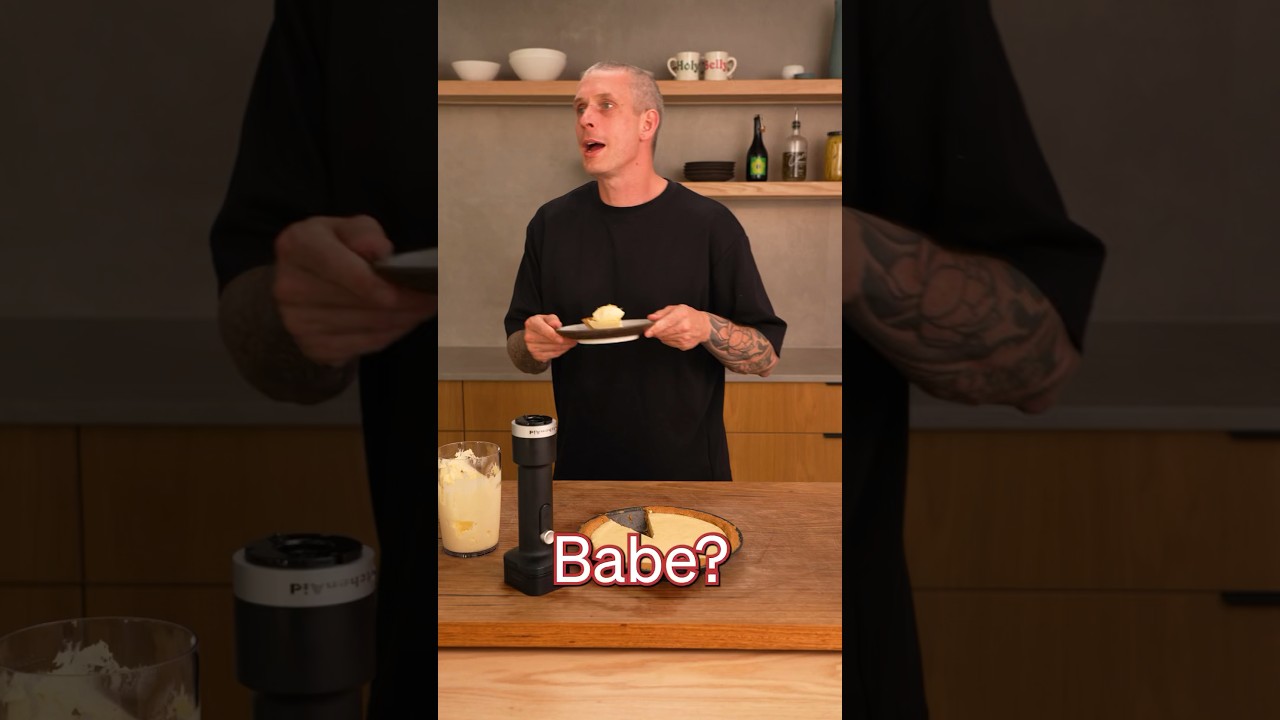
“Most key lime pie failures aren't failures of skill. They're failures of patience. People rush the chill, skip the zest, or use bottled lime juice and wonder why their pie tastes like green candy instead of actual citrus. Three things separate a forgettable key lime pie from a genuinely great one: fresh juice, the acid-cure understanding, and enough time in the refrigerator to let physics finish the job.”
Why This Recipe Works
Key lime pie is one of the most technically interesting desserts in American cooking, and almost nobody explains why. It looks simple — crumbs, juice, eggs, condensed milk — and that simplicity is deceptive. The filling doesn't set because of heat. It sets because of chemistry. Understanding that chemistry is the difference between a pie that slices cleanly and one that slides off the spatula in a citrus avalanche.
The Acid-Curing Principle
This is the whole secret. When you combine fresh key lime juice with egg yolks and sweetened condensed milk, the citric acid in the juice begins denaturing the proteins in the yolks. This is the same process that makes ceviche "cook" raw fish — acid unfolds and restructures proteins just as heat does, without any thermal energy required. The result is a custard-like texture that firms in the refrigerator over four-plus hours.
Two things disrupt this reaction. First: bottled lime juice. Pasteurization kills the volatile compounds and alters the acid profile. The reaction still technically occurs, but the flavor is chemical and flat, and the texture is slightly off. Second: adding the juice too fast. Dump half a cup of acid into an egg-protein mixture all at once and the proteins seize before the condensed milk can buffer them. You get curdled streaks and an uneven set. Slow addition, gentle folding.
The Crust Architecture
Graham cracker crust fails for one reason: insufficient compression before baking. The crumbs need to be pressed into a unified slab — not a pile of loose sand with butter running through it. Use the flat bottom of a measuring cup and press with real force, especially at the corners where the base meets the sides. Then bake at 350°F until the kitchen smells like toasted butter and the edges are visibly golden. Under-baking leaves you with structural crumble. Over-baking burns the butter and turns the crust bitter. Eight to ten minutes is exactly right.
The one upgrade worth making: brown the butter before mixing it with the crumbs. Nutty, caramelized butter fat against sharp lime filling is a combination that makes people stop mid-bite. It takes an extra two minutes and improves the pie significantly.
The Greek Yogurt Addition
The yogurt here is not a wellness compromise — it's a flavor decision. Plain Greek yogurt adds a second, distinct layer of tartness that sits behind the lime and lengthens the finish. The condensed milk's sweetness, the egg yolks' richness, the lime's bright sharpness, and the yogurt's lactic tang create four separate flavor notes that resolve together cleanly. The version without yogurt is one-dimensional by comparison.
It also improves texture. The yogurt's proteins contribute to the set, giving the filling slightly more body than condensed milk and yolks alone.
The Temperature Rule
Everything in this filling must be at room temperature before it's mixed. Cold Greek yogurt added to cold condensed milk creates an uneven emulsion that separates during the chill into a greasy surface film and a grainy interior. Forty-five minutes on the counter for all dairy components is not optional. It's the unsexy infrastructure that makes the pie work.
A 9-inch pie pan in glass or ceramic is the right vessel. Metal conducts heat too aggressively at the crust edges during the short bake and doesn't hold cold as evenly during the long set. A citrus press is worth the counter space — key limes are notoriously stingy with their juice and hand-squeezing a dozen of them produces juice and frustration in roughly equal measure.
The Zest Is Not Optional
Lime zest and lime juice are not the same ingredient. Juice is acidic liquid. Zest is aromatic oil from the skin — floral, intensely fragrant, and carrying flavor compounds that are destroyed by the acid in the juice if they were mixed together before the crust. Zest first, juice second. Stir the zest into the filling separately. This is where the characteristic key lime perfume comes from, and skipping it produces a pie that tastes like citrus-flavored sugar rather than actual key lime.
The recipe is simple. The details are not.
Where Beginners Mess This Up
Before we start, read this. These are the 4 reasons your perfect key lime pie (the no-bake florida classic done right) will fail:
- 1
Using bottled lime juice: Bottled key lime juice is pasteurized, which kills the volatile aromatic compounds that make fresh key lime taste floral and tart instead of flat and chemical. The difference is not subtle. Fresh juice is non-negotiable — the acid-curing reaction with the egg yolks depends on those live compounds behaving correctly.
- 2
Adding lime juice too fast: Pouring the acid in all at once causes the proteins in the egg yolks to seize and curdle before the condensed milk can buffer them. Add the juice slowly while folding with a spatula — give the proteins time to denature gradually and evenly.
- 3
Underbaking the crust: An underbaked graham cracker crust stays sandy and crumbles when you slice. Eight to ten minutes at 350°F is the minimum — you want the crust to smell nutty and toasted and hold together when pressed. Let it cool before adding filling or the butter re-melts and the whole structure softens.
- 4
Slicing before the fill fully sets: Four hours is the minimum chill time. Less than that and the filling is technically liquid held in suspension — it slides when cut. Overnight is better. The acid-curing reaction continues in the refrigerator; more time means cleaner slices and a firmer, more custard-like texture.
The Video Reference Library
Want to see it in action? Here are the exact videos we analyzed and combined to build this foolproof recipe translation:
The source video for this technique. Clear breakdown of the acid-curing principle and exactly what consistency the filling should be before it goes into the crust.
🛠️ Core Equipment
- 9-inch pie panStandard size for this recipe. Glass or ceramic distribute heat evenly for the short crust bake and conduct cold well during the refrigerator set. Metal pans work but tend to conduct heat too aggressively at the edges.
- Citrus juicer or pressKey limes are small and dense — squeezing by hand yields about half the juice and twice the effort. A handheld citrus press extracts cleanly and keeps the seeds out. You need approximately 10-12 key limes for half a cup of juice.
- Electric hand mixerFor the whipped cream topping. Whipping by hand to stiff peaks takes 8-10 minutes and fatigues your arm before the cream cooperates. Two minutes with a hand mixer gets there cleanly.
- Fine-mesh sieveOptional but useful for straining the filling before pouring. Catches any bits of curdled egg protein or rogue lime seeds that sneak through. Produces a glassy-smooth top layer.
Perfect Key Lime Pie (The No-Bake Florida Classic Done Right)
🛒 Ingredients
- ✦1½ cups graham cracker crumbs
- ✦3 tablespoons unsalted butter, melted
- ✦2 tablespoons granulated sugar
- ✦¼ teaspoon fine sea salt
- ✦1 can (14 ounces) sweetened condensed milk, room temperature
- ✦½ cup fresh key lime juice, freshly squeezed
- ✦4 large egg yolks, room temperature
- ✦½ cup plain Greek yogurt, room temperature
- ✦2 tablespoons fresh lime zest
- ✦½ teaspoon vanilla extract
- ✦½ cup heavy whipping cream, chilled
- ✦2 tablespoons powdered sugar
- ✦Thin lime slices for garnish (optional)
👨🍳 Instructions
01Step 1
Preheat your oven to 350°F. Combine graham cracker crumbs, melted butter, granulated sugar, and salt in a medium bowl. Stir until the mixture resembles coarse sand and holds together when pressed between your fingers.
02Step 2
Press the crumb mixture firmly into a 9-inch pie pan, covering the bottom and sides evenly. Use the flat bottom of a measuring cup to compress the base.
03Step 3
Bake the crust for 8 to 10 minutes until lightly golden and fragrant. Remove from the oven and let cool for at least 10 minutes before adding the filling.
04Step 4
Zest the limes before juicing them — it's nearly impossible to zest a squeezed lime. Use a microplane and avoid the white pith, which is bitter.
05Step 5
Whisk the room-temperature egg yolks and sweetened condensed milk together in a large bowl for about 1 minute until slightly thickened and well combined.
06Step 6
Fold in the Greek yogurt and vanilla extract with a spatula until no streaks remain. Do not overmix — you're folding, not beating.
07Step 7
Slowly pour the fresh key lime juice into the filling while folding gently with a spatula. Add it in a thin stream over 20-30 seconds, not all at once.
08Step 8
Stir in 1½ tablespoons of the lime zest, reserving the rest for garnish.
09Step 9
Pour the filling into the cooled crust. Spread level with a spatula.
10Step 10
Refrigerate uncovered for at least 4 hours, or overnight. Do not cover until fully set or condensation will drip onto the surface.
11Step 11
Remove the pie from the refrigerator 15 minutes before serving to take the chill off. This softens the filling slightly and improves flavor.
12Step 12
Whip the chilled heavy cream and powdered sugar with an electric mixer on medium-high until stiff peaks form, about 2 to 3 minutes.
13Step 13
Top each slice with a dollop of whipped cream, a pinch of reserved lime zest, and a thin lime slice if desired. Serve immediately.
Nutrition Per Serving
Estimates based on standard preparation. Adjustments alter macros.
🔄 Substitutions
Instead of Heavy whipping cream topping...
Use Whipped coconut cream
Chill a can of full-fat coconut milk overnight, scoop the solids, and whip. Slightly lighter mouthfeel with subtle tropical notes. Works well with the lime profile and keeps the dessert dairy-free.
Instead of Sweetened condensed milk...
Use Evaporated milk mixed with 3 tablespoons honey
Reduces refined sugar by approximately 25%. The filling becomes slightly less sweet with more pronounced lime tartness. Texture remains smooth and custard-like.
Instead of Graham cracker crust with butter...
Use Almond flour crust (1 cup almond flour, 4 tbsp melted coconut oil, 2 tbsp maple syrup, pinch of salt)
Nuttier, less sweet crust. Slightly crumbly texture but pairs well with the bright filling. Press very firmly — almond flour crusts need more compression than graham.
Instead of 4 large egg yolks...
Use 2 large whole eggs plus 2 tablespoons cornstarch
Filling remains creamy and sets properly through refrigeration. Slightly less rich but the texture holds. Reduces cholesterol if that's a concern.
🧊 Storage & Reheating
In the Fridge
Store covered with plastic wrap for up to 4 days. The flavor actually improves on day two as the lime and condensed milk continue to meld.
In the Freezer
Freeze without the whipped cream topping for up to 1 month. Wrap tightly in plastic wrap then foil. Thaw overnight in the refrigerator.
Reheating Rules
Key lime pie is served cold — no reheating needed or recommended. If it's been frozen, let it thaw fully in the fridge before slicing.
❓ Frequently Asked Questions
Why is my key lime pie not setting?
Either the chill time was too short or the lime juice ratio is off. The filling firms through acid-curing — a chemical reaction between citric acid and egg proteins that requires time and correct proportions. Four hours minimum. If it's still runny after 6 hours, the juice measurement was probably short.
Can I use Persian limes instead of key limes?
Yes. Persian limes are larger, less floral, and slightly less tart than true key limes. The pie will still be excellent — just a touch milder. Use the same volume of juice.
Does key lime pie need to be baked?
Only the crust needs baking. The filling sets through acid-curing, not heat. Pouring the filling into a hot crust is fine — the filling is not affected. The refrigerator does all the actual cooking.
Why does my filling taste flat?
Bottled lime juice is the most common culprit. Pasteurization kills the aromatic volatile compounds that give fresh key lime its floral sharpness. Fresh juice tastes entirely different. The second cause is skipping the zest — the zest contains citrus oils that carry a different, more intense flavor than the juice.
Can I make this ahead of time?
Yes, and you should. The pie is better after an overnight chill than after four hours. Make it the day before, leave the whipped cream topping for the last moment, and you have a stress-free dessert that's already at its peak.
Why is my crust falling apart when I slice?
The crust wasn't compressed firmly enough before baking, or it was underbaked. You need structural density from compression and a short bake to bind the butter into the crumbs. Press hard, bake until fragrant and visibly toasted, and let it cool fully before the filling goes in.
The Science of
Perfect Key Lime Pie (The No-Bake Florida Classic Done Right)
We turned everything on this page into a beautiful, flour-proof PDF cheat sheet. Print it out, stick it to your fridge, and never mess up your perfect key lime pie (the no-bake florida classic done right) again.
*We'll email you the high-res PDF instantly. No spam, just perfectly cooked meals.
AlmostChefs Editorial Team
We translate the internet's most popular cooking videos into foolproof, beginner-friendly written recipes. We analyze multiple methods, test them in our kitchen, and engineer a single "Master Recipe" that gives you the best possible result with the least possible stress.