Easy Keema (The Weeknight Curry That Punches Way Above Its Weight)
A South Asian minced meat curry with bold warming spices, caramelized onions, and fresh herbs cooked into a rich, aromatic sauce. We broke down the technique to deliver authentic depth in under an hour — no shortcuts, no compromise.

“Keema is one of the most underrated dishes in the South Asian canon. A one-pot minced meat curry that builds real complexity in under an hour — if you understand what each step is actually doing. Most home versions end up either greasy or flat because the meat gets dumped into raw spices and the whole thing stews without structure. The fix is sequence: caramelized onions first, then meat, then spices bloomed in fat, then tomatoes. That's the difference between a curry that tastes like it cooked all day and one that tastes like it cooked for thirty-five minutes.”
Why This Recipe Works
Keema is proof that ground meat, handled correctly, can be as complex and satisfying as any slow-braised cut. It is also proof that ground meat, handled incorrectly, produces gray mush in watery tomato liquid. The gap between those two outcomes is entirely about sequence and temperature — and most recipes don't explain either.
The Onion Foundation
Everything starts with the onions. Finely diced — not roughly chopped, not sliced — because smaller pieces caramelize faster and integrate into the sauce rather than remaining as distinct chunks. They go into hot ghee over medium-high heat for a full 8-10 minutes, stirring occasionally, until they're genuinely golden. Not translucent. Not softened. Golden-brown, collapsed, and sweet.
The chemistry here is identical to biryani: sustained heat converts the natural sugars and sulfur compounds in the onion into hundreds of new flavor molecules through the Maillard reaction. Undercooked onions taste sharp and one-dimensional. Properly caramelized onions taste like they've been cooking all day. This is why your onions need the full ten minutes — there is no substitute and no shortcut.
Browning the Meat
Once the onions are done, the meat goes into the center of the pot — not stirred in, but crumbled into a layer and left alone for sixty seconds. This is the step most cooks skip, and it's why most home keema tastes boiled rather than roasted. Contact with the hot surface creates the Maillard reaction in the meat too. The fond that develops on the bottom of the pot — those dark, sticky bits — is concentrated flavor that gets scraped up and dissolved when the tomatoes go in.
A Dutch oven or heavy stainless pot handles this better than anything thin. Hot spots in cheap pans mean some meat browns while the rest steams in the moisture released by the sections that are burning.
The Spice Bloom
This is the sixty seconds that separates flat curry from fragrant curry. After the meat is cooked through and the ginger-garlic paste has been stirred in and the raw smell has cooked off, the ground spices go directly onto the meat — cumin, coriander, turmeric, cayenne — and you stir constantly for one full minute. The fat left in the pan from the ghee and the meat carries the spice volatiles and distributes them throughout the dish. Add the spices to wet tomatoes instead and you get flat, raw-tasting powder suspended in liquid. Bloom them in fat first and the whole dish smells alive.
Garam masala is the exception. It goes in at the end because its volatile aromatic compounds — cardamom, cinnamon, cloves — break down with extended heat and turn bitter. Add it in the final seasoning step, not with the other spices.
Sauce Structure and the Finish
The uncovered simmer is structural. Keema is not a soup — the sauce needs to reduce until it coats the meat thickly. Fifteen to eighteen minutes uncovered at medium-low does this without evaporating everything. The finished consistency should be thick and glossy, clinging to rice rather than flooding it.
The yogurt and lemon juice at the end are not optional. The yogurt adds creaminess and cuts the intensity of the cayenne. The lemon lifts the whole dish with acidity, which is the thing that makes a one-dimensional curry taste three-dimensional. Stir in the yogurt off heat, add the lemon, taste, then fold in the raw jalapeño and fresh cilantro. The raw heat of the jalapeño and the herbaceous freshness of cilantro added at the very end provide a counterpoint to the deep, cooked flavors below. That contrast — raw against cooked, bright against rich — is what makes you want a second bowl.
Where Beginners Mess This Up
Before we start, read this. These are the 4 reasons your easy keema (the weeknight curry that punches way above its weight) will fail:
- 1
Undercooking the onions: Finely diced onions need 8-10 minutes of active heat before they're ready for the meat. Pull them too early and you get a sharp, acrid base instead of sweet, savory depth. The onions should be fully golden and soft — not translucent, not blonde. Golden.
- 2
Not browning the meat properly: Keema fails when the ground meat steams instead of browns. This happens when you add too much meat at once to a pan that isn't hot enough. Break it into the center of the pot, leave it alone for a minute, then break it apart. You need contact with the hot surface, not a pile that generates steam.
- 3
Rushing the spice bloom: Ground spices need 60 seconds of direct heat in fat to open up. Add them to wet ingredients immediately and they taste raw and flat. Coat the meat with the spices first, stir constantly for one minute, then add the tomatoes. That one minute is doing a lot of work.
- 4
Skipping the final yogurt and lemon: The yogurt adds creaminess and tempers the heat. The lemon juice brightens and lifts the entire dish. Without both, keema tastes heavy and one-dimensional. These are not optional garnishes — they are structural finish ingredients.
The Video Reference Library
Want to see it in action? Here are the exact videos we analyzed and combined to build this foolproof recipe translation:
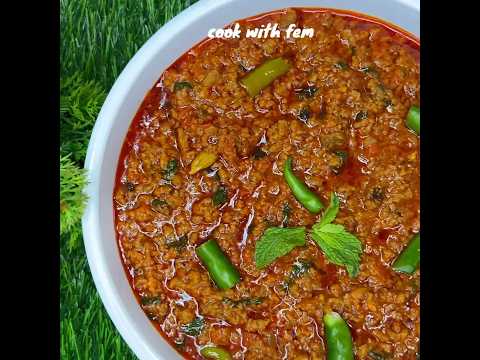
The source video for this recipe. Covers the full technique from onion caramelization through the final yogurt finish. Best reference for understanding the correct consistency before adding liquid.
2. How to Brown Ground Meat Properly
Essential technique breakdown for getting a proper sear on ground meat rather than steaming it. Directly relevant to the most common keema failure point.
3. Spice Blooming — The Technique That Changes EverythingA clear demonstration of why 60 seconds of spice blooming in fat transforms ground spices from flat to fragrant. Watch this before you cook.
🛠️ Core Equipment
- Large heavy-bottomed pot or Dutch oven ↗Even heat distribution is critical for browning onions and meat without burning. A thin pan creates hot spots that scorch the bottom while the top stays pale. A [Dutch oven](/kitchen-gear/review/dutch-oven) handles both the high-heat browning phase and the low simmer without drama.
- Wooden spoon or sturdy spatula ↗You need something strong enough to break apart ground meat and scrape the browned bits (fond) off the bottom when you add the tomatoes. That fond is flavor — don't leave it behind.
- Fine grater or microplane ↗Fresh ginger added at the end needs to be fine enough to meld into the sauce, not chunky. A [microplane](/kitchen-gear/review/microplane) makes this effortless and prevents the texture of stringy raw ginger in the finished dish.
Easy Keema (The Weeknight Curry That Punches Way Above Its Weight)
🛒 Ingredients
- ✦2 tbsp ghee or clarified butter
- ✦2 medium yellow onions, finely diced
- ✦1 lb lean ground lamb or beef
- ✦2 tbsp ginger-garlic paste
- ✦3 cloves garlic, minced
- ✦2 tsp ground cumin
- ✦1 tsp ground coriander
- ✦1 tsp ground turmeric
- ✦1/2 tsp cayenne pepper
- ✦1 can (14 oz) crushed tomatoes
- ✦1/2 cup beef or vegetable broth
- ✦1 tsp ground garam masala
- ✦1 tsp salt, or to taste
- ✦1/2 tsp black pepper
- ✦2 tbsp plain yogurt
- ✦1 tbsp fresh lemon juice
- ✦1/4 cup diced fresh ginger
- ✦1/2 cup fresh spinach, chopped
- ✦1 jalapeño, minced
- ✦1/4 cup fresh cilantro, chopped
👨🍳 Instructions
01Step 1
Heat ghee in a large heavy-bottomed pot over medium-high heat until shimmering, about 1 minute.
02Step 2
Add the diced onions and sauté, stirring occasionally, until golden brown and completely soft, approximately 8-10 minutes.
03Step 3
Push the onions to the sides of the pot and crumble the ground lamb into the center. Cook over medium-high heat, breaking the meat apart, until no pink remains — about 5-7 minutes.
04Step 4
Stir in the ginger-garlic paste and cook for 1-2 minutes until the raw scent disappears and the mixture becomes fragrant.
05Step 5
Sprinkle the ground cumin, coriander, turmeric, and cayenne over the meat. Stir constantly to coat everything evenly and bloom the spices, about 1 minute.
06Step 6
Pour in the crushed tomatoes with their juices, scraping up any browned bits from the bottom of the pot.
07Step 7
Add the broth and stir to combine. Bring to a gentle simmer over medium heat.
08Step 8
Reduce heat to medium-low and simmer uncovered, stirring occasionally, for 15-18 minutes until the sauce thickens and the flavors meld.
09Step 9
Stir in the chopped fresh spinach and diced fresh ginger, cooking 2-3 minutes until the spinach fully wilts.
10Step 10
Season with garam masala, salt, and black pepper. Taste and adjust.
11Step 11
Swirl in the plain yogurt until just combined. Add the fresh lemon juice.
12Step 12
Fold in the minced jalapeño and fresh cilantro. Simmer for 2 more minutes, then remove from heat.
13Step 13
Taste one final time, adjust seasoning, and serve warm over basmati rice or alongside warm naan.
Nutrition Per Serving
Estimates based on standard preparation. Adjustments alter macros.
🔄 Substitutions
Instead of Ghee...
Use Extra virgin olive oil
Loses the nutty dairy flavor but maintains savory depth. Use the same quantity — the smoke point difference is manageable at medium-high heat for this duration.
Instead of Ground lamb or beef...
Use Ground turkey or chicken breast
Milder and leaner — the spice blend compensates for the reduced richness. Don't go past 90% lean or the keema will be dry. Turkey thigh is a better choice than turkey breast for this reason.
Instead of Plain yogurt...
Use Greek yogurt or coconut yogurt
Greek yogurt is thicker and adds more protein. Coconut yogurt adds a subtle sweetness and keeps the dish dairy-free. Both work equally well in the finish.
Instead of Crushed tomatoes...
Use Fresh tomato puree or San Marzano tomatoes
Brighter, fresher tomato flavor with slightly more complexity. Blend 4-5 fresh roma tomatoes or use whole San Marzanos crushed by hand. Adjust cook time by an extra 3-5 minutes to reduce the extra water.
🧊 Storage & Reheating
In the Fridge
Store in an airtight container for up to 4 days. The flavor improves noticeably after the first day.
In the Freezer
Freeze in portions for up to 3 months. Thaw overnight in the refrigerator before reheating.
Reheating Rules
Reheat on the stovetop over medium-low heat with a splash of broth or water, stirring occasionally. Microwave works in a pinch — cover loosely and use 70% power to avoid drying out the meat.
❓ Frequently Asked Questions
What meat is best for keema?
Traditionally lamb or goat, which deliver a richer, more assertive flavor that holds up to the bold spice profile. Ground beef is the most common substitution and works well. Avoid extra-lean ground meat regardless of which protein you choose — the fat is essential for both the spice bloom and the final texture of the sauce.
Why is my keema greasy?
Too much fat in the meat combined with insufficient reduction time. If the sauce looks oily after simmering, tilt the pot and spoon off the excess fat from the surface. Alternatively, use a slightly leaner grind next time and extend the uncovered simmer by 5 minutes to drive off more moisture.
Can I make keema in advance?
Yes — and you should if possible. Keema is significantly better the next day after the spices have had time to meld and the sauce has tightened. Make it up through the final seasoning step, cool completely, refrigerate, and reheat gently before serving. Add the fresh cilantro and lemon juice when reheating, not when making it ahead.
What do I serve with keema?
Basmati rice and warm naan are the classics. Keema also works exceptionally well stuffed into a paratha, spooned over a baked potato, or used as a filling for samosas. It's versatile enough that leftover keema on toast with a fried egg is a legitimate breakfast.
Is keema gluten-free?
This recipe is naturally gluten-free as written. Check your broth label — some commercial broths contain wheat-based additives or are processed in facilities with gluten cross-contamination. Use a certified gluten-free broth if this matters for your situation.
How do I make keema less spicy?
Reduce the cayenne to 1/4 tsp or eliminate it entirely. Omit the jalapeño, or remove the seeds before mincing to keep the fresh pepper flavor without the heat. The garam masala and other spices are aromatic rather than spicy — those can stay as written.
The Science of
Easy Keema (The Weeknight Curry That Punches Way Above Its Weight)
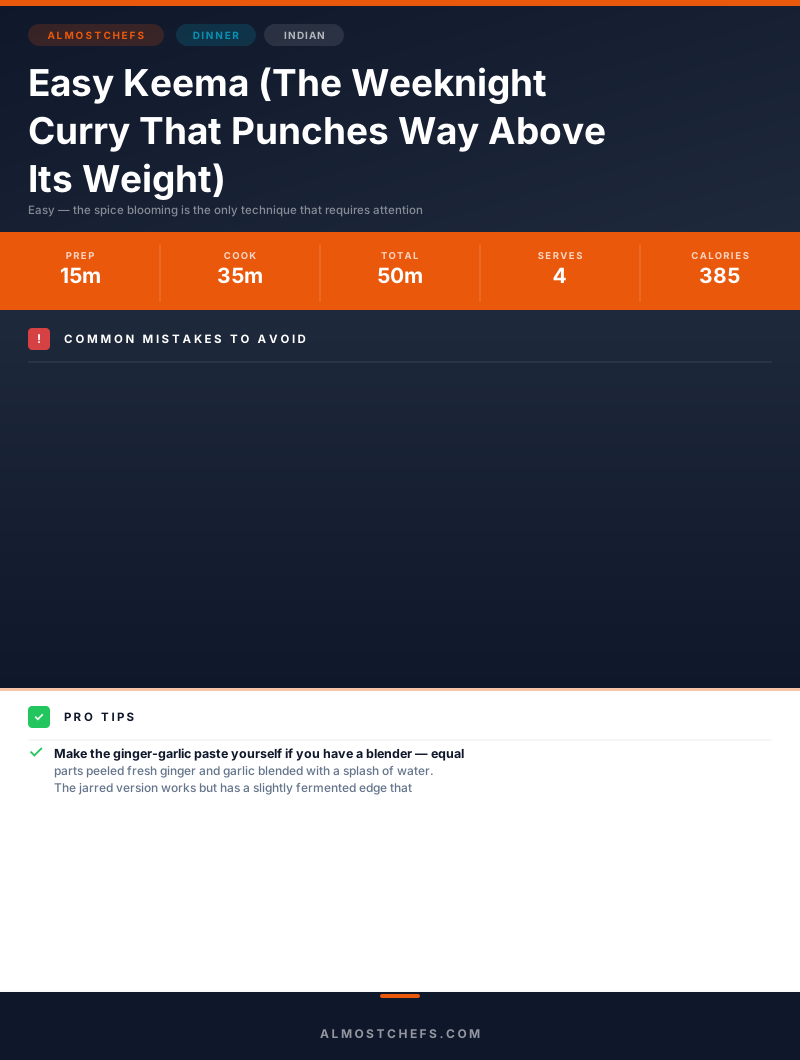
We turned everything on this page into a beautiful, flour-proof PDF cheat sheet. Print it out, stick it to your fridge, and never mess up your easy keema (the weeknight curry that punches way above its weight) again.
*We'll email you the high-res PDF instantly. No spam, just perfectly cooked meals.
AlmostChefs Editorial Team
We translate the internet's most popular cooking videos into foolproof, beginner-friendly written recipes. We analyze multiple methods, test them in our kitchen, and engineer a single "Master Recipe" that gives you the best possible result with the least possible stress.