Massaged Kale Salad That Actually Tastes Good (The Technique Changes Everything)
A nutrient-dense kale salad with massaged lacinato greens, crisp vegetables, toasted seeds, and a bright lemon-Dijon vinaigrette. We tested every shortcut and found one technique that transforms kale from tough and bitter to tender and craveable — and it takes three minutes.
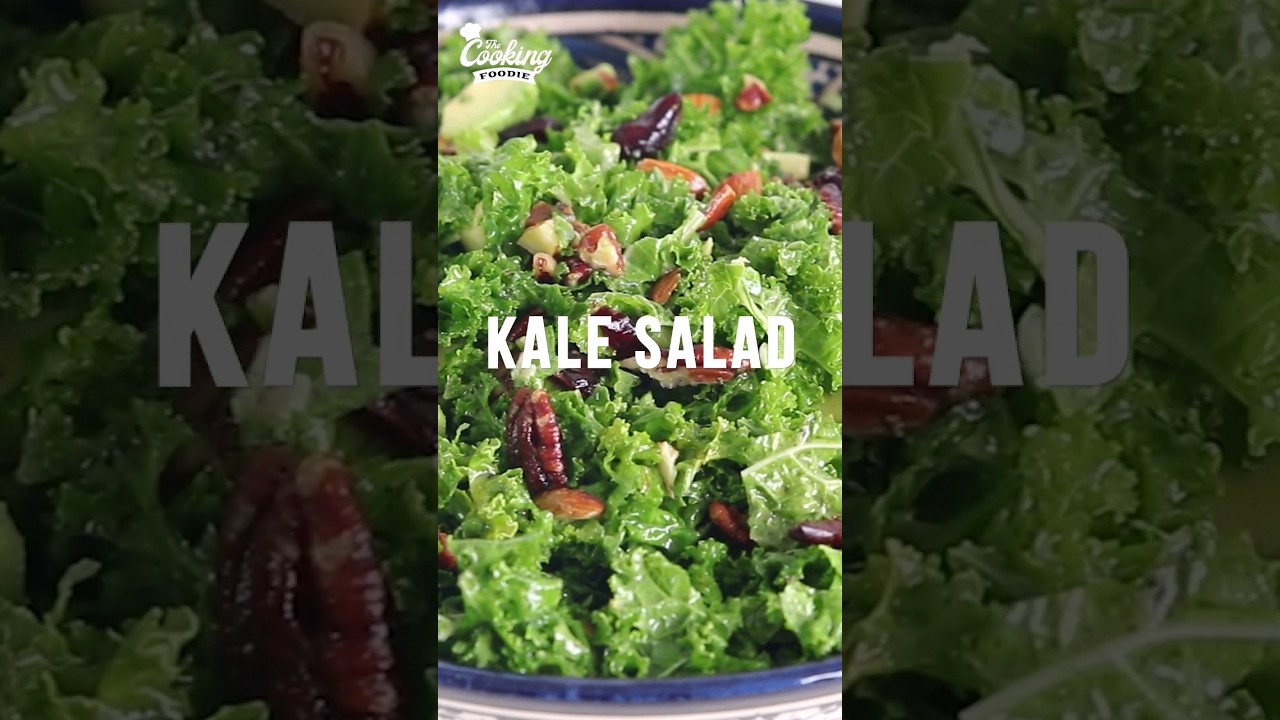
“Most kale salads taste like eating a houseplant. The greens are tough, the dressing pools at the bottom, and you end up chewing for thirty seconds per bite. The fix is not a better dressing. It's understanding that kale is not lettuce — it requires a sixty-second massage with salt and oil before anything else touches it. That one step changes the texture, the flavor, and the entire eating experience. Here's how to do it right.”
Why This Recipe Works
Kale became a punchline because most people eat it wrong. The vegetable is not the problem. The problem is treating it like romaine — rinsing, chopping, dressing, and expecting something edible. Kale is not lettuce. It is a fibrous, waxy, glucosinolate-dense brassica that requires a specific intervention before it is ready to eat raw. That intervention is the massage, and once you understand why it works, you will never skip it.
The Cellular Science of Massaging
Kale's toughness and bitterness are related problems with a single solution. The toughness comes from cellulose fibers in the cell walls — the same structural material that makes kale stand upright in the field. The bitterness comes from glucosinolates, sulfur-based compounds that evolved as a pest deterrent and concentrate in those same cell walls.
When you massage kale with salt and olive oil, you are doing two things mechanically. The salt draws moisture out of the cells through osmosis, which softens them from the inside. The physical pressure of massaging ruptures the cell walls entirely, collapsing the cellulose structure and releasing the glucosinolates into the air rather than onto your tongue. The result: leaves that have reduced in volume by a third, turned a deeper green, and lost most of their aggressive bitterness. Two to three minutes of real massage — not a gentle pat — is the difference between a salad people avoid and one they request.
The Dressing Architecture
This vinaigrette is built around Dijon mustard, and that is not a flavor decision — it is a structural one. Oil and acid do not naturally want to combine. Left alone, they separate within seconds, and your dressing pools at the bottom of the bowl while the top leaves stay dry. Mustard contains lecithin, an emulsifier that creates a bridge between the oil molecules and acid molecules, holding them in suspension. The result is a dressing that clings to each kale leaf rather than sliding off.
The acid itself comes from two sources: fresh lemon juice and apple cider vinegar. They are not interchangeable. Lemon juice provides sharp, citrusy brightness that registers immediately. Apple cider vinegar provides a deeper, slightly fermented base note with a gentler finish. Together they build a dressing that has dimension. Either alone is flatter and less interesting.
Texture Is the Point
A good kale salad is not just about flavor — it is about contrast. The massaged kale provides a tender, slightly chewy base. The raw bell pepper and cucumber provide sharp crunch. The sunflower and pumpkin seeds (better still if you toast them in a dry skillet for three minutes first) provide a denser, more sustained crunch. The dried cranberries provide a soft, chewy counterpoint. The avocado provides fat and creaminess. The feta provides salt and tang in small concentrated bursts.
Every element serves a specific textural role. This is not a coincidence — it is why this salad is satisfying in a way that a single-texture bowl of dressed greens is not. You are engineering an eating experience where each bite contains multiple sensations simultaneously.
Why Lacinato, Always
Lacinato kale — also sold as Tuscan kale or dinosaur kale, identifiable by its dark, bumpy, relatively flat leaves — has a milder flavor and more consistent cell structure than curly kale. When you massage it, the flat leaves break down evenly. Curly kale has thicker ribs, more surface variation, and higher glucosinolate density. It requires nearly double the massage time to reach the same tenderness, and even then the result is less uniform.
Use a sharp chef's knife to strip the central rib from each leaf before chopping. The rib is pure fiber — it will never tenderize — and leaving it in forces you to chew around it on every bite. Strip it, discard it, and chop what remains.
The Avocado Rule
Avocado is a finishing topping, not a toss-in ingredient. Once sliced, avocado begins oxidizing within minutes — the cut surface turns gray and tastes faintly metallic by the time it hits the table. Add it immediately before serving. If you are meal-prepping, store the sliced avocado separately with a squeeze of lemon over the cut surface to slow oxidation, and add it at the last possible moment.
This is not fussiness. It is the difference between a salad that looks and tastes finished and one that looks like it has been sitting out since morning.
Where Beginners Mess This Up
Before we start, read this. These are the 4 reasons your massaged kale salad that actually tastes good (the technique changes everything) will fail:
- 1
Skipping the massage: Raw kale is reinforced with rigid cellulose fibers and a waxy cuticle that repels dressing and resists chewing. Massaging with salt and oil physically breaks down these fibers, reducing bitterness by rupturing the cells that contain glucosinolates. Undressed, unmassaged kale is a punishment. Properly massaged kale is something else entirely.
- 2
Dressing kale too early — or too late: Kale needs the dressing to penetrate the leaves, which takes a few minutes after massaging. But unlike romaine, it can sit dressed for 20-30 minutes without wilting — the fibers are too strong to collapse quickly. The window is forgiving. The mistake is adding dressing to unmassaged kale and expecting it to absorb.
- 3
Using curly kale instead of lacinato: Curly kale is fibrous, bitter, and difficult to massage evenly. Lacinato (also called Tuscan or dinosaur kale) has a flatter leaf structure that breaks down more uniformly and has a milder, slightly nuttier flavor. It makes a measurably better salad. This is not a preference — it's physics.
- 4
Adding avocado and feta too early: Both avocado and crumbled feta are finishing toppings. Avocado browns within 10 minutes of exposure. Feta dissolves into the dressing if tossed too aggressively. Add both immediately before serving, not before.
The Video Reference Library
Want to see it in action? Here are the exact videos we analyzed and combined to build this foolproof recipe translation:
The source video for this recipe. Clear demonstration of the massage technique and the visual difference between undermassaged and properly broken-down kale.
🛠️ Core Equipment
- Large mixing bowlYou need room to massage the kale vigorously without launching leaves across the counter. A bowl that is too small forces you to be timid, and timid massaging produces timid results.
- Small whisk or forkThe vinaigrette is an oil-and-acid emulsion that requires mechanical agitation to come together. A fork works. A lid-sealed jar works. Stirring with a spoon does not produce a stable emulsion — you end up with separated dressing that coats unevenly.
- Sharp chef's knifeLacinato kale has a thick central rib that needs to be stripped or cut out before chopping. A dull knife tears the leaves and bruises them before you even begin.
- Salad spinner or clean kitchen towelWet kale dilutes the dressing. Even a light rinse leaves enough surface moisture to throw off the salt-to-oil ratio in the massage. Dry the leaves before they hit the bowl.
Massaged Kale Salad That Actually Tastes Good (The Technique Changes Everything)
🛒 Ingredients
- ✦8 cups fresh lacinato kale, roughly chopped
- ✦2 tablespoons extra-virgin olive oil
- ✦1 teaspoon sea salt
- ✦1 medium red bell pepper, thinly sliced
- ✦1 cup shredded purple cabbage
- ✦1 large English cucumber, diced
- ✦1/2 cup raw sunflower seeds
- ✦1/3 cup dried cranberries
- ✦1/4 cup raw pumpkin seeds
- ✦3 tablespoons fresh lemon juice
- ✦2 tablespoons Dijon mustard
- ✦1 tablespoon raw honey
- ✦2 cloves garlic, minced very fine
- ✦1/4 teaspoon black pepper
- ✦1 avocado, sliced
- ✦1/2 cup crumbled feta cheese
- ✦2 tablespoons apple cider vinegar
- ✦1/4 teaspoon red pepper flakes
👨🍳 Instructions
01Step 1
Place the chopped kale into a large mixing bowl and sprinkle with sea salt.
02Step 2
Drizzle the extra-virgin olive oil over the kale and massage vigorously with your hands for 2-3 minutes until the leaves become noticeably tender and darken slightly.
03Step 3
Whisk together the lemon juice, apple cider vinegar, Dijon mustard, minced garlic, honey, black pepper, and red pepper flakes in a small bowl until emulsified.
04Step 4
Pour the vinaigrette dressing over the massaged kale and toss thoroughly to ensure every leaf is coated.
05Step 5
Add the sliced red bell pepper, shredded purple cabbage, diced cucumber, sunflower seeds, and pumpkin seeds to the kale mixture.
06Step 6
Toss all ingredients together gently for about one minute, combining everything evenly throughout the salad.
07Step 7
Divide the kale salad among four serving bowls or plates, distributing the vegetables and seeds equally.
08Step 8
Top each portion with sliced avocado and crumbled feta cheese just before serving.
09Step 9
Taste and adjust seasoning with additional salt, pepper, or lemon juice as needed.
Nutrition Per Serving
Estimates based on standard preparation. Adjustments alter macros.
🔄 Substitutions
Instead of Feta cheese...
Use Chickpeas or hemp seeds
Provides plant-based protein and eliminates dairy. Chickpeas add bulk and a mild earthiness; hemp seeds add a nuttier finish. Neither replicates feta's tang, but both work in the bowl.
Instead of Dried cranberries...
Use Fresh blueberries or pomegranate seeds
Lower sugar, brighter flavor, better blood sugar response. Pomegranate seeds add a satisfying pop that dried cranberries can't match.
Instead of Honey in dressing...
Use Pure maple syrup or date paste
Both maintain the dressing's sweet-acid balance while offering a lower glycemic impact. Maple syrup is the easiest swap at a 1:1 ratio.
Instead of Sunflower and pumpkin seeds...
Use Walnuts and ground flaxseeds
Shifts the fat profile toward omega-3s with measurable anti-inflammatory benefits. Walnuts are softer than seeds — add them last to prevent over-crushing during tossing.
🧊 Storage & Reheating
In the Fridge
Store undressed in an airtight container for up to 3 days. Dressed (without avocado or feta) keeps well for up to 24 hours — the kale toughens rather than wilts. Add avocado and feta fresh each time.
In the Freezer
Not recommended. The cell structure breaks down completely on thaw and produces watery, unpleasant greens.
Reheating Rules
This is a cold salad. No reheating. If the dressed salad has been refrigerated, let it come to room temperature for 10 minutes before serving.
❓ Frequently Asked Questions
Why does kale taste bitter in some salads but not others?
Bitterness in raw kale comes from glucosinolates — sulfur-based compounds concentrated in the cell walls. Massaging with salt physically ruptures these cells, releases and dissipates the bitter compounds, and simultaneously breaks down the rigid fiber structure. Unmassaged kale retains both the bitterness and the toughness. The massage addresses both problems simultaneously.
Can I make this salad ahead of time?
Yes — and it's better for it. Massage and dress the kale up to 24 hours in advance. Store the avocado separately and add feta and avocado right before serving. The kale absorbs the dressing overnight and becomes noticeably more tender and flavorful.
Is this salad actually filling enough as a meal?
At 355 calories per serving with 13g protein and 9g fiber, it's on the lighter end for a main. Add a soft-boiled egg, a scoop of white beans, or grilled chicken to push it into full meal territory. As written, it's best as a lunch or a substantial side.
Do I have to use lacinato kale?
Technically no, but curly kale is significantly tougher, more bitter, and harder to massage evenly. Lacinato has a flatter structure that breaks down uniformly and tastes milder. If curly kale is your only option, extend the massage to 4-5 minutes and let the salad rest dressed for 15 minutes before serving.
Can I use bottled lemon juice instead of fresh?
You can, but the dressing will taste flatter. Fresh lemon juice contains volatile aromatic compounds that evaporate quickly after squeezing — bottled juice has lost most of them. The acid level is similar; the brightness is not. For a 15-minute recipe this simple, fresh lemon is worth it.
Why add both lemon juice and apple cider vinegar?
They do different things. Lemon juice provides sharp, citrusy top-note acidity that hits immediately. Apple cider vinegar provides a rounder, slightly funky base-note acidity with a gentler finish. Together they create a layered dressing. Using only one produces a one-dimensional result — either too sharp or too mellow.

The Science of
Massaged Kale Salad That Actually Tastes Good (The Technique Changes Everything)
We turned everything on this page into a beautiful, flour-proof PDF cheat sheet. Print it out, stick it to your fridge, and never mess up your massaged kale salad that actually tastes good (the technique changes everything) again.
*We'll email you the high-res PDF instantly. No spam, just perfectly cooked meals.
AlmostChefs Editorial Team
We translate the internet's most popular cooking videos into foolproof, beginner-friendly written recipes. We analyze multiple methods, test them in our kitchen, and engineer a single "Master Recipe" that gives you the best possible result with the least possible stress.