Crispy Kale Chips (The Snack That Actually Stays Crunchy)
Baked kale leaves transformed into delicate, crispy chips with minimal oil and smart seasoning. We broke down the technique failures behind soggy kale chips so you can nail the crunch every single time — no dehydrator required.
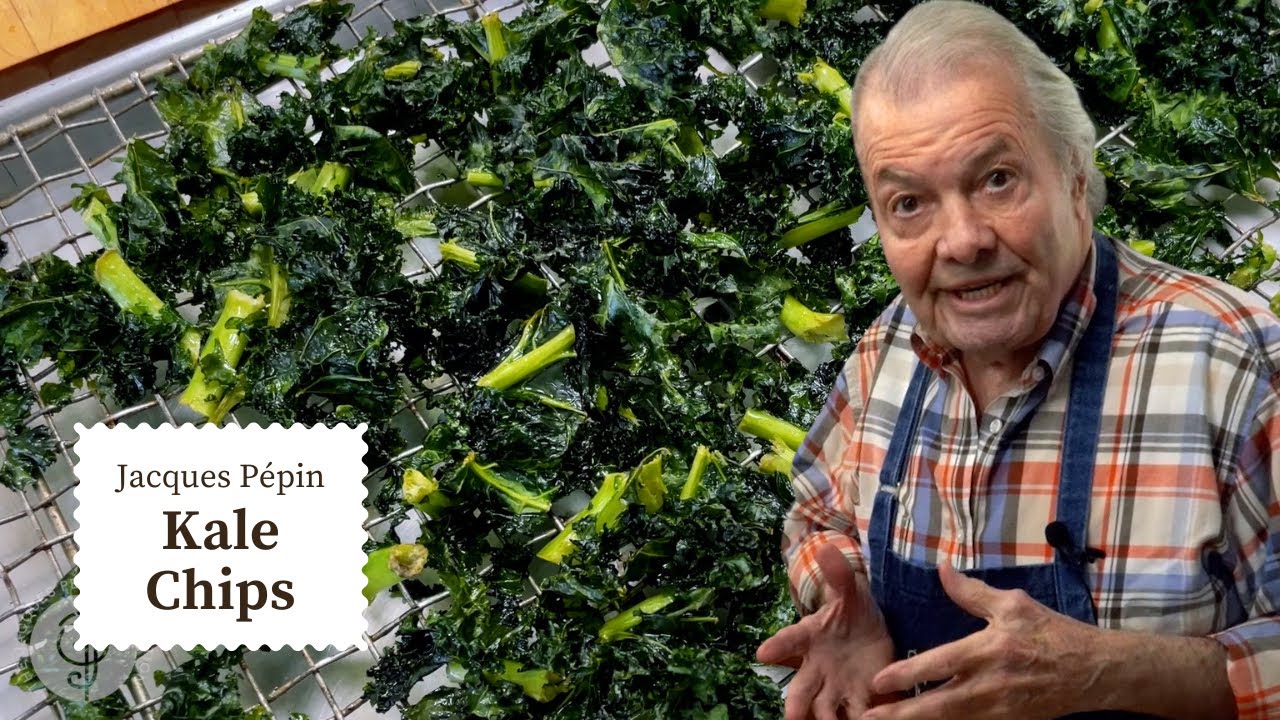
“Kale chips have a reputation problem. Most people make them once, get a limp, half-steamed pan of sad greens, and write the whole thing off. That's not a kale problem. That's a moisture problem. Get the water off the leaves, keep them from touching each other on the pan, and bake low and slow — and you'll get chips so crispy they shatter. We dug into every major failure point so you don't have to learn the hard way.”
Why This Recipe Works
Kale chips are not difficult. They are unforgiving. The gap between a pan of crispy, shatteringly good chips and a pan of wilted, chewy disappointment is not a matter of skill — it's a matter of understanding two physical principles: moisture and airflow. Get those right and the seasoning choices are almost irrelevant.
The Moisture Problem
Kale is roughly 84% water by weight. That's more water than a cucumber by percentage, hidden inside tightly curled leaves that look dry from the outside. When you put wet kale in a hot oven, the oven doesn't crisp it — it steams it. The water on the surface converts to steam, the steam gets trapped against the pan, and the kale poaches in its own moisture. What you pull out 25 minutes later isn't a chip. It's warm braised kale.
The fix is obsessive drying. A salad spinner removes the bulk water after washing. Paper towels remove the surface film. Letting the torn leaves sit on a clean kitchen towel for 10 minutes removes the last traces. Only when the leaves feel almost papery to the touch — when there's no coolness from evaporating moisture — are they ready for oil.
This is also why lemon zest works here but lemon juice doesn't. Zest delivers citrus flavor through aromatic oils. Juice delivers citrus flavor through water. One belongs on kale chips. The other undoes your entire drying process.
The Airflow Problem
Kale is a bulky vegetable. A single bunch, torn into chip-sized pieces, looks like a massive pile before it goes in the oven. The instinct is to push it all onto one baking sheet. Resist this. Crowded kale creates its own microclimate — the leaves trap steam between them, preventing the hot oven air from reaching every surface. You get the chips on the outside edges and soft, half-cooked kale everywhere in the middle.
Two large baking sheets with visible space between each leaf is the correct answer. It feels inefficient. It produces dramatically better results. If your oven can't fit two sheets at once, bake in batches. The second batch takes 25 minutes. The cost of patience is worth it.
The Temperature Logic
Three hundred degrees sounds too low for a baking recipe. Most roasted vegetables go in at 400°F or higher. Kale is different because of its structure — the leaves are paper-thin at the tips and much thicker near the rib. High heat burns the thin edges to carbon before the thicker sections have lost enough moisture to crisp. Low heat gives the entire leaf time to dehydrate evenly.
The 300°F bake is essentially controlled dehydration with a light browning effect at the very end. You're removing water, not applying intense direct heat. This is also why convection works well here — the moving air accelerates moisture removal without raising the effective surface temperature enough to burn.
The Seasoning Window
Season after the oil massage, not before. Oil-coated leaves grip spices efficiently — the fat acts as an adhesive. Seasoning dry kale first creates uneven distribution because the spices just slide off until oil is added, and by then your massage has knocked most of them to the bottom of the bowl.
The smoked paprika-cayenne combination in this recipe adds heat and complexity without any added moisture. Nutritional yeast is worth including if you have it — it adds a savory, almost parmesan-like depth that makes these chips taste deliberate rather than just healthy. It's the difference between a snack you eat because it's good for you and one you actually want.
Where Beginners Mess This Up
Before we start, read this. These are the 4 reasons your crispy kale chips (the snack that actually stays crunchy) will fail:
- 1
Not drying the kale completely: This is the number one reason kale chips come out chewy and wilted instead of crispy. Any surface moisture on the leaves turns to steam in the oven, effectively steaming the kale instead of crisping it. After washing, dry the leaves obsessively — paper towels, a salad spinner, then a second round with paper towels if needed. The leaves should feel almost papery before any oil touches them.
- 2
Overcrowding the baking sheet: Kale chips need hot circulating air around every surface. When leaves overlap or crowd together, they steam each other into submission. Use two large baking sheets even if it seems excessive. The difference between one packed sheet and two spacious sheets is the difference between chips and wilted kale salad.
- 3
Using too much oil: More oil does not mean more flavor or better crispiness — it means greasy, soggy chips. Two tablespoons for a full bunch of kale is the ceiling. Massage the oil in thoroughly so every leaf has a thin, even coat. If leaves are pooling oil, you've gone too far.
- 4
Baking at too high a temperature: High heat burns the edges before the center crisps. 300°F is the correct temperature — it sounds low, but kale is thin and delicate. At 375°F or higher, you get black edges and raw-tasting centers in the same chip. Low and slow is the only way.
The Video Reference Library
Want to see it in action? Here are the exact videos we analyzed and combined to build this foolproof recipe translation:
The source technique behind this recipe. Clear demonstration of the drying process, oil massage, and spacing principles that separate crispy from soggy.
🛠️ Core Equipment
- Two large rimmed baking sheetsSingle-layer spacing across two sheets is mandatory for even crisping. Rimmed edges prevent chips from sliding off during the halfway stir. If you only have one sheet, bake in two batches rather than crowding.
- Salad spinnerThe fastest way to remove bulk surface moisture from kale before the final paper towel dry. Skipping this step and relying only on paper towels leaves residual water in the leaf's natural crevices.
- Large mixing bowlYou need room to massage the oil into the kale without leaves flying off the counter. A bowl that's too small forces you to under-massage, which leads to uneven coating and patchy seasoning.
- Wire cooling rack (optional)Setting the finished chips on a [wire rack](/kitchen-gear/review/wire-cooling-rack) instead of leaving them on the hot baking sheet prevents the residual pan heat from steaming the bottom of the chips as they cool.
Crispy Kale Chips (The Snack That Actually Stays Crunchy)
🛒 Ingredients
- ✦1 large bunch fresh curly kale, about 10 ounces
- ✦2 tablespoons extra-virgin olive oil
- ✦1 teaspoon fine sea salt
- ✦1/2 teaspoon garlic powder
- ✦1/2 teaspoon onion powder
- ✦1/4 teaspoon black pepper
- ✦1/4 teaspoon smoked paprika
- ✦1/8 teaspoon cayenne pepper (optional)
- ✦1 tablespoon nutritional yeast (optional)
- ✦1 teaspoon fresh lemon zest
👨🍳 Instructions
01Step 1
Rinse the kale thoroughly under cold running water. Use a salad spinner to remove bulk moisture, then pat completely dry with paper towels. The leaves should feel nearly papery — no visible water anywhere.
02Step 2
Remove the thick central ribs from each kale leaf by holding the stem firmly and stripping the leafy portion away with your other hand. Discard the stems.
03Step 3
Tear the dried kale into bite-sized pieces, about 2-3 inches across. Place them in a large mixing bowl.
04Step 4
Drizzle the olive oil evenly over the kale and massage gently with your hands for about one minute, coating every surface until the leaves glisten with a thin, even layer of oil.
05Step 5
Combine the sea salt, garlic powder, onion powder, black pepper, smoked paprika, cayenne pepper, nutritional yeast, and lemon zest in a small bowl. Mix well, then sprinkle the seasoning mixture over the oiled kale.
06Step 6
Continue massaging gently for another 30-60 seconds until all pieces are evenly coated with the spice blend.
07Step 7
Divide the seasoned kale between two large baking sheets. Arrange pieces in a strict single layer with space between each chip — no overlapping, no stacking.
08Step 8
Bake at 300°F for 20-25 minutes, stirring gently once at the halfway mark.
09Step 9
Check at the 20-minute mark. Chips are done when completely crispy and very slightly darkened at the edges. No soft or pliable areas should remain.
10Step 10
Remove from the oven and cool on the baking sheets for 5 minutes before transferring to an airtight container.
Nutrition Per Serving
Estimates based on standard preparation. Adjustments alter macros.
🔄 Substitutions
Instead of Extra-virgin olive oil...
Use Avocado oil
Higher smoke point and more neutral flavor. Chips may come out slightly crunchier. A good choice if you find olive oil's flavor too pronounced in the finished chip.
Instead of Sea salt...
Use Himalayan pink salt or potassium salt blend
Lower sodium with a similar level of perceived saltiness. The mineral profile is slightly different but not noticeable in the finished chip.
Instead of Smoked paprika and cayenne...
Use Nutritional yeast and turmeric
Completely different flavor direction — umami-forward with earthy depth instead of smoky heat. Both work well. The turmeric adds a vivid golden color.
Instead of Garlic powder and onion powder...
Use Fresh minced garlic and shallots, dried thoroughly
More complex flavor with brighter aromatics. Requires additional drying time before the oil massage to prevent moisture from steaming the chips. Use sparingly — fresh garlic burns faster than powder.
🧊 Storage & Reheating
In the Fridge
Not recommended. Refrigerator humidity makes kale chips go soft within hours. They are a room-temperature snack.
In the Freezer
Not suitable for freezing. The texture does not survive thawing.
Reheating Rules
If chips go soft, spread on a baking sheet and bake at 300°F for 5-7 minutes to restore crunch. This works once — don't repeatedly reheat the same batch.
❓ Frequently Asked Questions
Why are my kale chips chewy instead of crispy?
The leaves weren't dry enough before baking, or they were crowded on the pan. Both problems cause steaming instead of crisping. Start over with completely dry leaves arranged in a strict single layer.
Can I use a convection oven?
Yes, and it works slightly better. The circulating air removes moisture more efficiently. Reduce the temperature to 275°F and check at 18 minutes — convection crisps kale chips faster than conventional heat.
How long do kale chips stay crispy?
At room temperature in an airtight container: 1-2 days in a dry climate, a few hours in humid conditions. They don't last long — plan to make them within a day of eating them.
Is curly kale better than lacinato for chips?
Both work. Curly kale has more surface area and crisps into lighter, airier chips. Lacinato (dinosaur) kale produces sturdier, slightly chewier chips that hold up better to heavier seasonings and dips.
Can I make these without oil?
Technically yes, but the chips will taste flat and the seasoning won't adhere properly. The oil is doing structural work here, not just adding fat. A very light coating is non-negotiable for both flavor and texture.
Why do my chips burn on the edges but stay soft in the middle?
Your oven temperature is too high. Drop it to 300°F. High heat chars the thin edges before the thicker center sections have time to lose their moisture and crisp up.

The Science of
Crispy Kale Chips (The Snack That Actually Stays Crunchy)
We turned everything on this page into a beautiful, flour-proof PDF cheat sheet. Print it out, stick it to your fridge, and never mess up your crispy kale chips (the snack that actually stays crunchy) again.
*We'll email you the high-res PDF instantly. No spam, just perfectly cooked meals.
AlmostChefs Editorial Team
We translate the internet's most popular cooking videos into foolproof, beginner-friendly written recipes. We analyze multiple methods, test them in our kitchen, and engineer a single "Master Recipe" that gives you the best possible result with the least possible stress.