Viral Cabbage and Eggs (The 20-Minute Meal That Actually Delivers)
Tender sautéed cabbage caramelized with garlic and onion, then folded with fluffy scrambled eggs in a single skillet. We broke down exactly why this went viral — and what most people miss when they try to recreate it at home.

“A head of cabbage and five eggs sounds like desperation cooking. It went viral because it tastes nothing like it looks on paper. The secret is not the ingredients — it's the sequence. Cabbage that's properly caramelized before the eggs arrive transforms from a watery, sulfurous liability into something sweet, nutty, and deeply savory. Most people skip that step and wonder why their version is bland. This recipe doesn't skip it.”
Why This Recipe Works
Cabbage is one of the most disrespected vegetables in home cooking. It gets boiled into submission, stuffed with meat and forgotten, or shredded raw into coleslaw. What almost nobody does is let it caramelize properly in a hot pan — and that one change is the entire reason this dish exists.
The Caramelization Problem
Raw cabbage is about 92% water. That's both the problem and the solution. When you drop cabbage into a hot, oiled skillet at medium-high heat, the first thing that happens is rapid moisture expulsion. The water flashes off as steam, and if you have enough heat, the pan stays hot enough to immediately brown the exposed surface. If you don't have enough heat, the water pools in the pan and the cabbage steams instead of browns.
This is why the recipe specifies medium-high heat and why you do not stir constantly. Caramelization requires sustained contact between vegetable and hot surface. Each time you stir, you break that contact. The move is to let the cabbage sit for 30-40 seconds, stir, let it sit again, and repeat for the full 7-8 minutes. By the end, you should see golden-brown edges and smell something closer to roasted vegetables than anything raw or sulfurous.
The sulfur issue is real. Cabbage contains glucosinolates — sulfur-bearing compounds that, when broken down by heat, produce the distinctly unpleasant smell associated with overboiled cabbage. High, dry heat from a hot pan converts these differently than wet heat from boiling. The result is sweet and mellow rather than sharp and offensive. This is not a minor difference. It's the difference between a dish people avoid and one that generates 50 million views.
The Egg Integration Logic
The well technique — pushing the cabbage to the sides and cracking the eggs into the center — is not theater. It serves a specific function. The center of the pan, cleared of cabbage, is the hottest zone. Eggs dropped there begin setting immediately from the bottom while the top is still raw. That 1-2 minute undisturbed window allows the whites to firm up while the yolks stay soft.
When you then fold the eggs into the cabbage, you're combining semi-set egg with hot cabbage. The residual heat finishes the eggs gently, producing large, soft curds that coat the cabbage rather than drying out into rubbery bits. If you scrambled the eggs separately and combined them, you'd lose this layered cooking and end up with two separate textures sharing a pan. The well method creates a unified dish.
The Spice Architecture
Smoked paprika and cumin added to hot, oiled vegetables bloom immediately in the fat. Their volatile aromatic compounds — the ones responsible for that deep, slightly smoky fragrance — are fat-soluble, not water-soluble. This means they disperse throughout the entire dish via the cooking fat, rather than sitting as dry powder that clings unevenly to individual cabbage shreds.
The garlic goes in 30 seconds before the cabbage, not at the start with the onion, because garlic burns fast. Thirty seconds in hot oil is enough to turn raw garlic fragrant and golden. Any longer and it starts to bitter. Timing the garlic entry correctly is the difference between a dish that smells incredible and one that smells like a mistake.
Why It Actually Works as a Full Meal
Five eggs across four servings sounds minimal. It works because the cabbage bulk carries it. Each serving has 14g of protein, 2g of fiber, and only 9g of carbohydrates — a macronutrient profile that produces genuine satiety without the blood sugar spike of a grain-heavy breakfast. The fat from the olive oil and egg yolks slows gastric emptying further.
This is budget cooking that happens to be metabolically intelligent. The fact that it tastes good is almost incidental.
Where Beginners Mess This Up
Before we start, read this. These are the 4 reasons your viral cabbage and eggs (the 20-minute meal that actually delivers) will fail:
- 1
Adding the eggs too early: Raw cabbage releases a lot of water as it cooks. If you add the eggs before the cabbage is tender and slightly caramelized, that liquid bleeds into the eggs and you get a watery, steamed mess. The cabbage must go in first and cook down fully — 7 to 8 minutes — before the eggs touch the pan.
- 2
Cooking on too low heat: Cabbage needs medium-high heat to caramelize. Low heat just steams it, producing that distinctly sulphurous flavor that makes people dislike cooked cabbage. High heat drives off moisture fast and triggers the Maillard reaction, turning raw cabbage into something that tastes almost sweet.
- 3
Scrambling the eggs too aggressively: This dish works because the eggs fold into the cabbage, not the other way around. Once you crack the eggs into the well, let them set for 1-2 minutes before stirring. Rushing produces dry, rubbery curds that sit on top of the cabbage instead of integrating with it.
- 4
Skipping the spice bloom: Smoked paprika and cumin added directly to cabbage after the onions and garlic are already fragrant creates a completely different flavor than tossing them in cold. The residual fat in the pan toasts the spices instantly, releasing their volatile oils in a way that raw powder sprinkled at the end never achieves.
The Video Reference Library
Want to see it in action? Here are the exact videos we analyzed and combined to build this foolproof recipe translation:
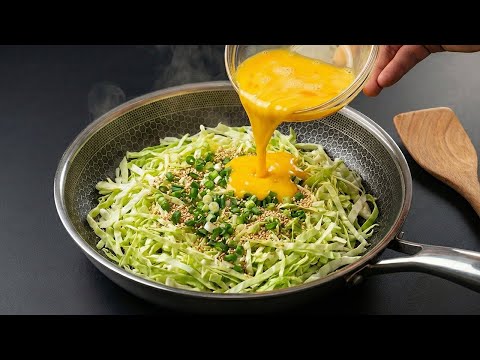
The source video that sparked the trend. Watch the caramelization phase closely — notice how long the cabbage actually cooks before the eggs are added. Most imitators cut this short.
2. How to Caramelize Vegetables Without Burning Them
The technique behind getting cabbage to the right color without scorching. Applies directly to this recipe's most important step.
3. One-Pan Egg TechniquesCovers the well method for cooking eggs into an existing pan component — the exact technique used in this recipe.
🛠️ Core Equipment
- Large skillet (12-inch) ↗A full head of cabbage is a lot of volume before it cooks down. A 10-inch pan causes crowding, which traps steam and prevents caramelization. You need surface area. A [12-inch skillet](/kitchen-gear/review/cast-iron-skillet) is the minimum.
- Wooden spoon or silicone spatula ↗You need to toss heavy, wet cabbage without scratching your pan, and then gently fold eggs without breaking them apart. A thin metal spatula does neither job well.
- Sharp chef's knife ↗Uniform cabbage pieces cook at the same rate. Ragged, uneven chunks give you half-raw and half-burnt in the same pan. A [sharp knife](/kitchen-gear/review/chefs-knife) makes the prep take two minutes instead of eight.
Viral Cabbage and Eggs (The 20-Minute Meal That Actually Delivers)
🛒 Ingredients
- ✦1 medium head green cabbage, chopped into bite-sized pieces
- ✦5 large eggs
- ✦3 tablespoons extra virgin olive oil
- ✦3 cloves garlic, minced
- ✦1 medium yellow onion, finely diced
- ✦1 teaspoon fine sea salt, divided
- ✦1/2 teaspoon freshly ground black pepper
- ✦1/2 teaspoon smoked paprika
- ✦1/4 teaspoon ground cumin
- ✦2 tablespoons fresh parsley, chopped
- ✦1/4 teaspoon red pepper flakes, optional
- ✦2 tablespoons low-sodium vegetable broth, optional
👨🍳 Instructions
01Step 1
Chop the cabbage into uniform, bite-sized pieces. Mince the garlic and finely dice the onion.
02Step 2
Heat the olive oil in a large skillet over medium-high heat until it shimmers, about 1 minute.
03Step 3
Add the diced onion and sauté for 3 minutes, stirring occasionally, until translucent and beginning to soften.
04Step 4
Stir in the minced garlic and cook for 30 seconds until fragrant and golden. Add the chopped cabbage and toss to coat evenly with the oil.
05Step 5
Season with 1/2 teaspoon salt, the black pepper, smoked paprika, and cumin. Cook over medium-high heat for 7-8 minutes, stirring frequently, until the cabbage is tender and showing caramelized edges.
06Step 6
Push the cabbage to the sides of the skillet, creating a well in the center. Crack all 5 eggs directly into the well.
07Step 7
Gently break the yolks with a fork and let the eggs cook undisturbed for 1-2 minutes until the whites begin to set.
08Step 8
Stir the eggs gently into the cabbage mixture, combining everything until eggs are fully cooked and no raw egg remains, about 2-3 minutes.
09Step 9
Taste and add remaining salt and pepper as needed.
10Step 10
Garnish with fresh parsley and red pepper flakes if using. Serve immediately.
Nutrition Per Serving
Estimates based on standard preparation. Adjustments alter macros.
🔄 Substitutions
Instead of Extra virgin olive oil...
Use Avocado oil or ghee
Avocado oil is neutral and handles high heat better. Ghee adds a nutty, dairy richness that pairs beautifully with the eggs. Either is an upgrade for high-heat caramelization.
Instead of Green cabbage...
Use Purple cabbage or napa cabbage
Purple cabbage holds its texture longer, adds striking color, and brings higher anthocyanin content. Napa cabbage is more delicate and slightly sweeter — it cooks about 2 minutes faster.
Instead of 5 large eggs...
Use 4 large eggs plus 2 egg whites
Reduces saturated fat and cholesterol by about 25% while keeping the texture nearly identical. The yolk ratio is slightly lower so the result is a touch less rich.
Instead of Smoked paprika and cumin...
Use Turmeric and black pepper
Earthier, warmer profile with significantly enhanced anti-inflammatory properties. The black pepper is not optional — it dramatically increases turmeric's bioavailability through piperine.
🧊 Storage & Reheating
In the Fridge
Store in an airtight container for up to 3 days. The flavor actually deepens overnight as the spices continue to meld into the cabbage.
In the Freezer
Not recommended. Cooked cabbage releases water on thawing and the eggs become rubbery. Make only what you'll eat within a few days.
Reheating Rules
Reheat in a dry skillet over medium heat for 3-4 minutes, stirring occasionally. Add a tablespoon of water to the pan if it looks dry. Avoid the microwave — it steams the cabbage and toughens the eggs.
❓ Frequently Asked Questions
Why does my cabbage and eggs taste bland?
Two reasons. First, you probably didn't caramelize the cabbage long enough — it needs a full 7-8 minutes at medium-high heat to develop any sweetness. Second, cabbage is dense and absorbs salt slowly. Season in layers: half the salt when the cabbage goes in, the rest at the end after tasting.
Can I add other vegetables?
Yes, but add them in order of cook time. Bell peppers and mushrooms go in with the onions. Spinach or kale gets added in the last 2 minutes before the eggs. Adding anything wet (tomatoes, zucchini) releases extra liquid that competes with caramelization — if you use them, cook them separately and fold in at the end.
Is this actually good for blood sugar?
Yes, genuinely. Cabbage has a glycemic index of around 10 and is high in fiber, which slows glucose absorption. Eggs contain zero carbohydrates. The entire dish clocks in at 9g of carbs per serving with 2g of fiber — a net carb load that has minimal impact on blood sugar for most people.
Why create a well in the pan instead of just scrambling the eggs separately?
The well technique lets the eggs set slightly before you stir them, which produces larger, softer curds that integrate into the cabbage rather than breaking down into dry flecks. Scrambling separately and then adding is fine, but you lose some of the cohesion that makes the dish satisfying rather than just two components sharing a pan.
Can I make this ahead for meal prep?
Yes. It holds in the fridge for 3 days and reheats quickly in a skillet. The texture is about 90% as good as fresh. For meal prep purposes, slightly undercook the eggs when you make it — they'll finish cooking during reheating without going rubbery.
Why did this recipe go viral?
Because it breaks the expectation. People see cabbage and eggs and expect a joyless health-food dish. What they get is something caramelized, savory, and genuinely satisfying for under $3 in ingredients and 20 minutes of work. The gap between expectation and reality is exactly what gets shared.
The Science of
Viral Cabbage and Eggs (The 20-Minute Meal That Actually Delivers)
We turned everything on this page into a beautiful, flour-proof PDF cheat sheet. Print it out, stick it to your fridge, and never mess up your viral cabbage and eggs (the 20-minute meal that actually delivers) again.
*We'll email you the high-res PDF instantly. No spam, just perfectly cooked meals.
AlmostChefs Editorial Team
We translate the internet's most popular cooking videos into foolproof, beginner-friendly written recipes. We analyze multiple methods, test them in our kitchen, and engineer a single "Master Recipe" that gives you the best possible result with the least possible stress.