One-Skillet Ground Beef and Potatoes (The Weeknight Dinner That Actually Delivers)
Lean ground beef and Yukon gold potatoes come together in one pan with smoked paprika, garlic, and beef broth for a hearty weeknight dinner that's ready in 40 minutes. We broke down the technique so the potatoes actually cook through and the beef actually browns — two things most versions get wrong.
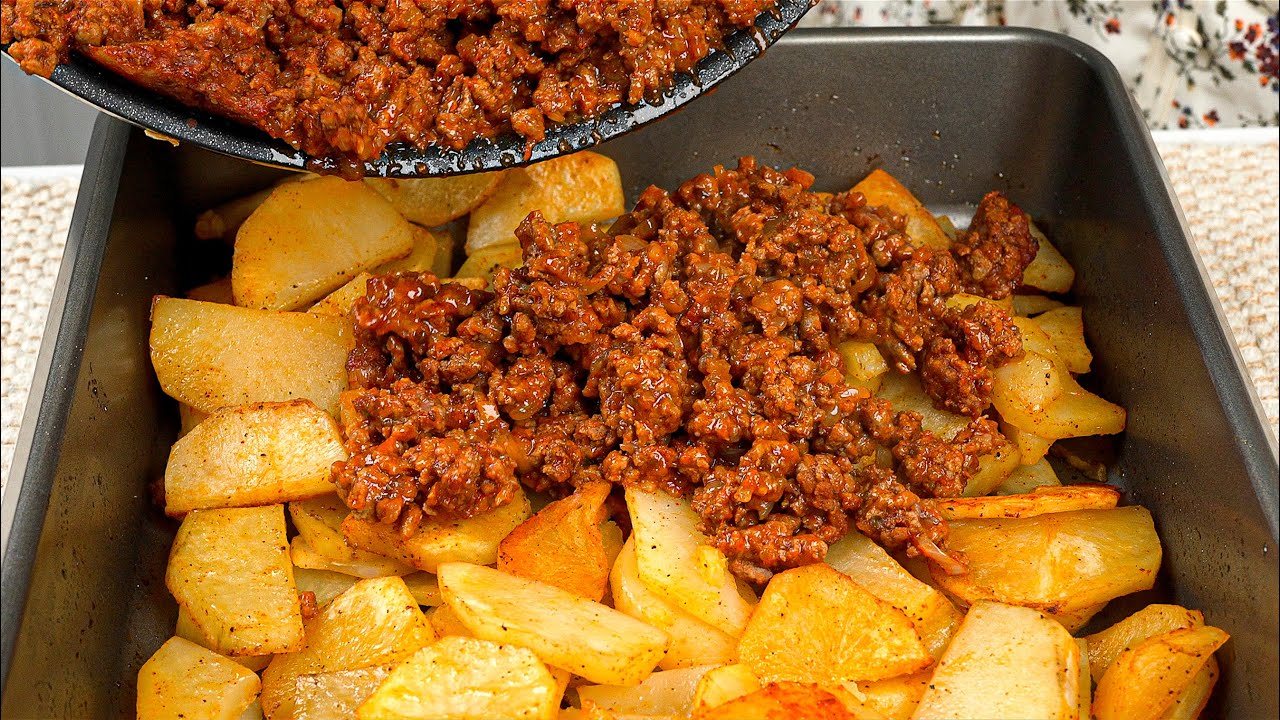
“Ground beef and potatoes is the kind of dinner that shouldn't need a recipe. But most versions produce gray, steamed meat and half-cooked potato cubes floating in watery liquid. Two technique failures cause both problems: crowding the beef so it steams instead of browns, and adding broth before the potatoes have any chance to build fond. Fix those two things and this becomes a genuinely satisfying dinner that's actually done in 40 minutes.”
Why This Recipe Works
Ground beef and potatoes is the kind of meal that predates written recipes. Every culture that had access to both ingredients figured out this combination independently, which should tell you something: the fundamentals are correct. The problem is that most modern executions treat it as background cooking — something to throw together while doing other things. That inattention is why so many versions produce gray, flavorless meat and potato cubes that are simultaneously waterlogged and undercooked.
The Browning Problem
Maillard reaction is the chemistry term, but the practical reality is simple: wet meat does not brown. Ground beef releases a significant amount of moisture as it heats, and if that moisture can't evaporate fast enough, you get meat simmering in its own liquid rather than searing against hot metal. The two factors that prevent this are a properly preheated pan and enough surface area that the moisture can escape.
A 12-inch heavy skillet is not optional here — it's the difference between a browned, flavorful crust and a gray, steamed pile. Get the oil shimmering before the beef goes in, and then leave it alone for two to three minutes before breaking it up. That initial undisturbed contact is where the crust forms. Once you see the bottom layer going brown, break and stir. Not before.
Sequencing the Vegetables
The order in which vegetables enter the pan is determined by how long each one takes to cook and how much moisture each one releases. Onions and carrots go in first because they need four to five minutes of direct heat to soften and sweeten. Garlic goes in last among the aromatics because it burns in under two minutes if left unattended. Bell peppers go in last of all — at the very end — because they need only three minutes to soften at the edges while retaining their color and slight crunch.
Add the peppers too early and they release excess water that turns your sauce into soup. Add them at the right time and they contribute brightness and texture that keeps the dish from feeling heavy.
The Dry Contact Step
Most skillet dinner recipes go directly from "add potatoes" to "add liquid." This recipe inserts a two-minute dry contact phase where the seasoned potatoes and beef cook together with no added moisture. During those two minutes, the sugars on the potato surface begin caramelizing and the spices toast against the hot pan. The brown layer that builds up — called fond — is the flavor foundation that the broth then lifts when you deglaze.
Skip this step and you get a dish that tastes like beef soup with potatoes. Include it and you get a dish that tastes like it took an hour.
The Partial Cover
Fifteen to eighteen minutes of simmering with the lid partially offset sounds like a small detail. It isn't. A fully sealed lid traps all the steam and prevents the broth from reducing, leaving you with watery liquid at the end. No lid at all lets too much moisture escape and the potatoes cook unevenly, with the top surface drying out before the interior softens. The partial cover — lid offset by about an inch — lets enough steam stay in to cook the potato cubes through while allowing enough evaporation that the broth reduces into a light sauce that coats everything.
Why Yukon Golds
Yukon gold potatoes have a waxy, low-starch structure that holds shape during wet cooking. Russets are the opposite — high starch, high moisture, built for baking and mashing. Put russets in a simmering skillet and they dissolve into starchy clouds within ten minutes, turning the broth into paste and the potato pieces into formless mush.
Yukon golds stay intact. They become completely tender and creamy inside while maintaining enough structural integrity to hold a cube shape. That contrast — crisp fork entry, creamy interior, intact form — is what makes this dish feel like a proper dinner rather than a meat-and-starch scramble.
Where Beginners Mess This Up
Before we start, read this. These are the 4 reasons your one-skillet ground beef and potatoes (the weeknight dinner that actually delivers) will fail:
- 1
Crowding the beef and getting gray meat: Ground beef releases significant moisture as it cooks. If your skillet is too small or you add the beef while the pan is cold, that moisture can't evaporate fast enough and the meat steams in its own liquid. You need a large skillet, high heat, and patience — let the beef sit undisturbed for 2-3 minutes before breaking it up so a proper brown crust forms on the bottom.
- 2
Adding broth too early: If you pour in the liquid before the potatoes have had any contact with the hot pan, you get boiled potatoes in beef-flavored water — not a skillet dinner. Let the seasoned potatoes and beef cook together for at least 2 minutes before adding broth. That brief dry contact builds flavor on the pan surface that the broth then lifts and distributes.
- 3
Overcooking the bell peppers: Bell peppers need only 3 minutes in residual heat to soften while keeping their color and slight bite. Add them too early and they turn gray and limp, releasing excess water that dilutes the sauce and makes everything taste flat. They go in during the last 3 minutes of simmering — not before.
- 4
Cutting the potatoes unevenly: One-inch cubes sounds arbitrary until you've eaten a skillet dinner with a mix of walnut-sized and marble-sized pieces where half are crunchy and half are falling apart. Consistent cube size is the only way to guarantee everything finishes cooking at the same time in the same pan.
The Video Reference Library
Want to see it in action? Here are the exact videos we analyzed and combined to build this foolproof recipe translation:
The source video for this recipe. Watch for how the beef is browned before any liquid is added — the sequence is everything.
🛠️ Core Equipment
- Large (12-inch) heavy skillet with lidSurface area is everything. A 12-inch skillet gives the beef room to brown rather than steam and fits the full pound of potatoes without crowding. A lid that partially covers without fully sealing lets moisture escape while the potatoes simmer through.
- Wooden spoon or stiff silicone spatulaFor breaking up the beef into small, even crumbles as it cooks. Metal utensils work but can scrape seasoned cast iron. The goal is consistent crumble size so every bite has beef, not alternating chunks and fine dust.
- Sharp chef's knife and cutting boardThe prep time on this recipe is entirely cutting time. A sharp knife cuts through Yukon gold potatoes cleanly — a dull one crushes and tears, giving you ragged edges that disintegrate during simmering. Consistent 1-inch cubes are the foundation of the whole dish.
One-Skillet Ground Beef and Potatoes (The Weeknight Dinner That Actually Delivers)
🛒 Ingredients
- ✦2 tablespoons extra-virgin olive oil
- ✦1 pound lean ground beef (93/7)
- ✦1 medium yellow onion, finely diced
- ✦4 cloves garlic, minced
- ✦1.5 pounds Yukon gold potatoes, cut into 1-inch cubes
- ✦1 cup low-sodium beef broth
- ✦1 cup diced bell peppers (red and yellow mix)
- ✦1 teaspoon dried thyme
- ✦1 teaspoon smoked paprika
- ✦2 tablespoons fresh parsley, chopped
- ✦1 teaspoon sea salt
- ✦0.5 teaspoon black pepper
- ✦0.25 teaspoon red pepper flakes
- ✦2 medium green onions, sliced
- ✦0.5 cup diced carrots
👨🍳 Instructions
01Step 1
Heat the olive oil in a large skillet over medium-high heat until shimmering, about 2 minutes.
02Step 2
Add the ground beef to the hot skillet. Let it sit undisturbed for 2-3 minutes before breaking it into crumbles, then continue cooking until golden-brown with no pink remaining, about 6-8 minutes total.
03Step 3
Drain excess fat if needed, leaving about 1 tablespoon in the pan.
04Step 4
Add the diced onion and carrots. Sauté over medium-high heat until the onion turns translucent, about 4 minutes.
05Step 5
Add the minced garlic and cook for 1 minute, stirring constantly, until fragrant.
06Step 6
Add the cubed potatoes to the skillet and stir to combine with the beef and aromatics.
07Step 7
Sprinkle the smoked paprika, dried thyme, sea salt, black pepper, and red pepper flakes over the mixture. Stir to coat everything evenly.
08Step 8
Let the seasoned mixture cook dry for 2 minutes, stirring once, to build a light fond on the pan surface.
09Step 9
Pour in the beef broth and bring to a gentle boil, about 2-3 minutes. Scrape up any browned bits from the bottom of the pan.
10Step 10
Reduce heat to medium-low, partially cover the skillet, and simmer for 15-18 minutes, stirring occasionally, until the potatoes are fork-tender.
11Step 11
Add the diced bell peppers during the last 3 minutes of cooking. Stir them in and leave the lid off.
12Step 12
Taste and adjust seasoning. Remove from heat.
13Step 13
Stir in the fresh parsley and sliced green onions. Serve immediately.
Nutrition Per Serving
Estimates based on standard preparation. Adjustments alter macros.
🔄 Substitutions
Instead of Lean ground beef (93/7)...
Use Ground turkey (99/1) or plant-based ground meat
Lighter texture and milder flavor. Ground turkey browns slightly faster and releases less fat, so watch the pan heat. Plant-based grounds vary widely — season more aggressively to compensate for their blander base.
Instead of Yukon gold potatoes...
Use Sweet potatoes or a 50/50 mix of sweet and regular
Sweet potatoes cook slightly faster and add natural sweetness that pairs well with smoked paprika. Cut them slightly larger — about 1.25 inches — to match the cooking time of Yukon golds.
Instead of Low-sodium beef broth...
Use Homemade bone broth or vegetable broth
Bone broth adds body and richness from collagen. Vegetable broth works for a lighter result but won't have the depth of beef-based liquid. Adjust salt accordingly since homemade broths vary.
Instead of Dried thyme...
Use Fresh rosemary or a mix of fresh thyme and oregano
Fresh herbs have brighter, more volatile flavor than dried. Use 1 tablespoon fresh for every 1 teaspoon dried. Add fresh herbs in the last 5 minutes of cooking — they don't need the full simmer time.
🧊 Storage & Reheating
In the Fridge
Store in an airtight container for up to 4 days. The potatoes continue to absorb the seasoned broth overnight and the flavor improves.
In the Freezer
Freeze in portions for up to 2 months. The potatoes will soften slightly upon thawing but the dish holds together well. Thaw overnight in the fridge.
Reheating Rules
Add 2-3 tablespoons of beef broth or water to the portion before reheating in a covered skillet over medium-low heat for 5-7 minutes. Microwave works in a pinch but dries out the potatoes.
❓ Frequently Asked Questions
Why are my potatoes still hard after the full cook time?
Two likely causes: the cubes are too large, or the heat is too low for the simmer. The broth needs to maintain a gentle but active simmer — not just warm — to cook through a 1-inch potato cube in 15-18 minutes. Check that your lid is only partially covering to let some steam escape while still trapping enough heat.
Can I use russet potatoes instead of Yukon gold?
Technically yes, but the result is inferior. Russets are starchy and high-moisture — they break down during simmering and cloud the broth with starch. Yukon golds are waxy enough to hold their shape while becoming completely tender. If russets are all you have, cut them larger and reduce the simmer time by 3-4 minutes.
How do I prevent the beef from being gray and steamed?
Two things: hot pan and no crowding. The oil should be shimmering before the beef goes in, and you should leave the beef undisturbed for the first 2-3 minutes to let a crust form. If your skillet is smaller than 12 inches, brown the beef in two batches rather than crowding it.
Can I add cheese on top?
Sharp cheddar or Monterey Jack works well — add 0.5 cup shredded over the top in the last 2 minutes of simmering with the lid on to melt. It pushes the dish into casserole territory but it's a good call for a crowd.
Is this dish spicy?
Mildly. The red pepper flakes add background warmth, not heat. For a genuinely spicy version, double the flakes and add a diced jalapeño with the onions. For no heat at all, omit the red pepper flakes entirely — the smoked paprika gives flavor without spice.
Can I make this in a cast iron skillet?
Yes, and it's the preferred vessel. Cast iron holds heat more evenly than stainless, which helps the potatoes cook uniformly rather than getting hot spots. Season it well before use and make sure it has a lid or use a baking sheet as a cover during the simmer phase.
The Science of
One-Skillet Ground Beef and Potatoes (The Weeknight Dinner That Actually Delivers)
We turned everything on this page into a beautiful, flour-proof PDF cheat sheet. Print it out, stick it to your fridge, and never mess up your one-skillet ground beef and potatoes (the weeknight dinner that actually delivers) again.
*We'll email you the high-res PDF instantly. No spam, just perfectly cooked meals.
AlmostChefs Editorial Team
We translate the internet's most popular cooking videos into foolproof, beginner-friendly written recipes. We analyze multiple methods, test them in our kitchen, and engineer a single "Master Recipe" that gives you the best possible result with the least possible stress.