Authentic Jjimdak (The Andong Braised Chicken You've Been Missing)
A slow-braised Korean chicken dish from Andong, loaded with glass noodles, potatoes, and carrots in a deeply savory soy-based sauce with a slow-building heat. We broke down the essential technique to get fall-apart chicken and perfectly glazed noodles in a single pot.

“Jjimdak started as a street food workaround in Andong, South Korea, invented to compete with the KFC invasion of the 1980s. The solution was brilliant: take cheap chicken pieces, braise them low and slow in a soy-chili sauce that goes thick and glossy, add glass noodles to absorb every bit of that sauce, pack in vegetables, and charge less than fried. The result is one of Korea's most craveable dishes — and almost nobody outside Korea makes it at home because they think it's complicated. It isn't. It's a braise. You just need to understand what you're braising and why.”
Why This Recipe Works
Jjimdak is a dish born from economic necessity and competitive pressure, which means every element was stress-tested by market forces before it ever made it into a recipe. When American fast food arrived in South Korea in the 1980s, the traditional chicken vendors in Andong's covered market faced a real problem: they couldn't compete on speed or novelty. Their answer was to go in the opposite direction entirely — slow down, add depth, build a dish that required patience and rewarded it with flavor that no fried chicken could match. That tension between urgency and slowness is still cooked into every version made today.
Why Bone-In Is Non-Negotiable
The braising liquid is the whole point of this dish, and the braising liquid depends on collagen. Collagen lives in connective tissue around bones. As the chicken braises for 25-30 minutes, that collagen slowly hydrolyzes into gelatin, which dissolves into the sauce and gives it body, richness, and the glossy, lip-coating quality that makes jjimdak immediately recognizable. Boneless chicken breast contributes none of this. It sits in the sauce rather than enriching it, produces a thinner, waterier result, and dries out before the sauce has time to develop.
Drumsticks and thighs are the workhorses here. Wings add collagen and surface area for sauce absorption. If you can only find one cut, use thighs — they have the most fat and connective tissue, and they tolerate overbaking more graciously than anything else on the bird.
The Sauce Architecture
The sauce in jjimdak runs on three flavor pillars: umami, sweetness, and heat. Soy sauce and oyster sauce build the umami base — the dark soy sauce adds color and a deeper, slightly molasses-like complexity that regular soy sauce alone can't provide. Mirin contributes fermented sweetness that rounds out the salt without making the dish taste sugary. The gochugaru brings slow, warming heat rather than the sharp spike of fresh chili — it blooms in the fat and liquid over a long cook, releasing its orange-red pigment and building layered heat that stays consistent from the first bite to the last.
Sesame oil goes in at the end, not the beginning. High heat destroys the aromatic compounds that make sesame oil worth using. A drizzle over the finished dish adds a nutty, roasted note that threads through the whole thing. Think of it as a finishing perfume, not a cooking medium.
The Glass Noodle Problem
Dangmyeon — sweet potato starch glass noodles — are the most technically demanding ingredient in this dish, and the most commonly mishandled. They have an extraordinary capacity to absorb liquid, which is exactly what you want, until it isn't. Added too early, they absorb so much of the braising liquid that the sauce disappears and the chicken finishes dry. Added too late, they don't get enough time to hydrate properly and stay rigid in the middle.
The window is the final 8-10 minutes of uncovered cooking, added right before the reduction phase begins. At that point they soften, soak up the concentrated sauce, and enter the reduction stage already saturated — which means they stop competing with the sauce for liquid and start becoming part of it.
The Reduction That Finishes Everything
The last 5-7 minutes on high heat, uncovered, is where the dish transforms. The sauce goes from a thin braising liquid to a thick, glossy lacquer that clings to every piece of chicken and noodle. Starches from the noodles concentrate. Gelatin from the chicken bones reaches its final consistency. The sugars caramelize slightly around the edges of the pot. You will smell the shift before you see it — the scent goes from savory and liquid to something deeper, almost smoky.
Use a wide heavy-bottomed braising pot for this. The wide surface area accelerates evaporation, which is exactly what you need during reduction. A narrow, deep pot traps steam and takes twice as long to reduce, with far less control over the final consistency.
Stir frequently during reduction. The sauce is high in sugar from the mirin and brown sugar, and it will catch on the bottom of the pot in the final minute if left unattended. Caught means burned. Burned means starting over.
Where Beginners Mess This Up
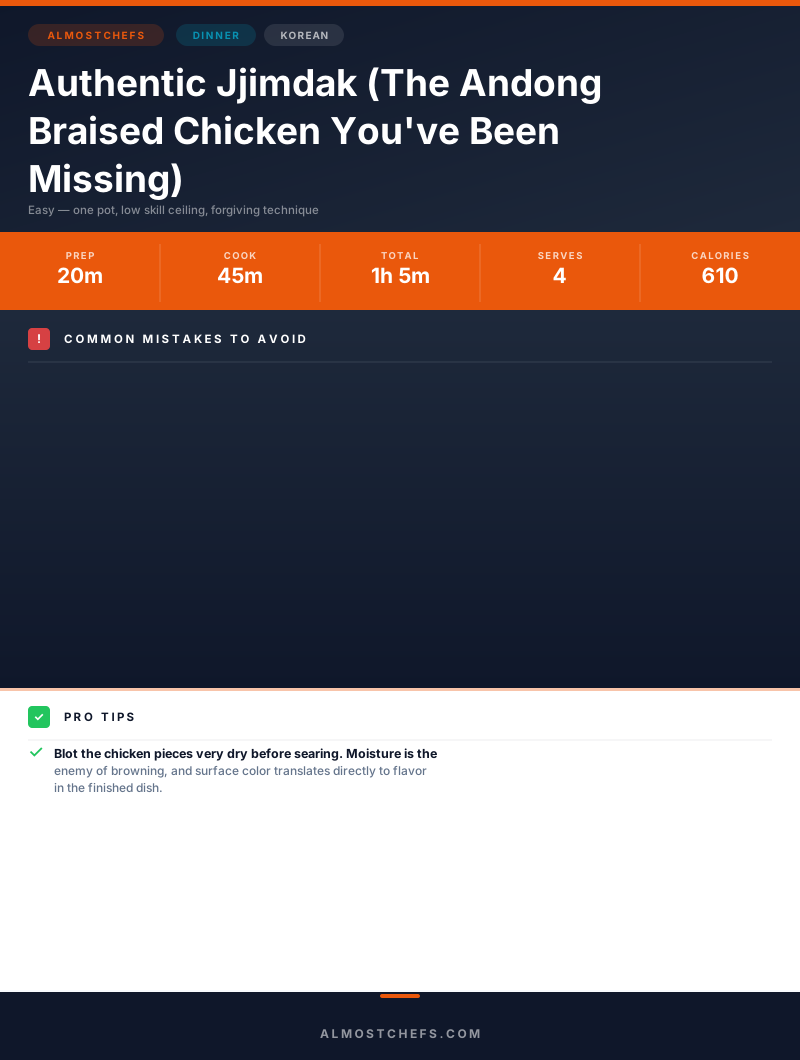
Before we start, read this. These are the 4 reasons your authentic jjimdak (the andong braised chicken you've been missing) will fail:
- 1
Using boneless chicken breast only: Breast meat dries out and turns stringy during the extended braise. Jjimdak demands bone-in pieces — drumsticks, thighs, and wings — where collagen slowly dissolves into the sauce, thickening it naturally and keeping the meat moist. Breast meat alone produces a dry, bland result that no amount of sauce can rescue.
- 2
Adding the glass noodles too early: Dangmyeon (sweet potato glass noodles) absorb liquid aggressively. Add them in the final 10 minutes of cooking or they'll soak up your entire braising liquid and turn mushy before the chicken is done. They should finish silky and slightly chewy, not bloated and soft.
- 3
Not reducing the sauce at the end: The braising liquid starts thin and needs 5-7 minutes of uncovered high-heat reduction to become the glossy, clinging sauce that defines jjimdak. Skipping this step leaves you with watery broth over chicken instead of a lacquered, restaurant-quality glaze.
- 4
Overcrowding the pot: Too many chicken pieces steam each other instead of braising. Use a wide, heavy-bottomed pot where the chicken sits in a single layer in the liquid. If pieces are stacked, the ones on top dry out while the bottom layer becomes overcooked.
🛠️ Core Equipment
- Wide heavy-bottomed braising pot or Dutch ovenEven heat distribution is essential for a long braise. A thin pot scorches the bottom and creates hot spots that unevenly cook the chicken. The wide base keeps chicken in a single layer.
- Kitchen shearsFor cutting whole chicken pieces into smaller, sauce-friendly chunks quickly and cleanly. Far more precise than a knife on bone-in chicken.
- Fine-mesh sieve or colanderFor draining the soaked glass noodles before adding them. Wet noodles dripping excess water will thin your sauce at the critical reduction stage.
Authentic Jjimdak (The Andong Braised Chicken You've Been Missing)
🛒 Ingredients
- ✦2.5 pounds bone-in chicken pieces (drumsticks, thighs, and wings)
- ✦3.5 ounces dangmyeon (Korean sweet potato glass noodles), soaked in cold water 30 minutes
- ✦2 medium Yukon Gold potatoes, cut into 1.5-inch chunks
- ✦2 medium carrots, cut into 1-inch diagonal slices
- ✦1 large yellow onion, cut into wedges
- ✦6 dried red chilies (whole)
- ✦4 scallions, cut into 2-inch pieces
- ✦5 cloves garlic, minced
- ✦1 tablespoon fresh ginger, grated
- ✦1/3 cup soy sauce
- ✦2 tablespoons dark soy sauce
- ✦2 tablespoons oyster sauce
- ✦2 tablespoons mirin
- ✦1 tablespoon gochugaru (Korean chili flakes)
- ✦1 tablespoon brown sugar
- ✦1 teaspoon sesame oil
- ✦1 cup water or unsalted chicken stock
- ✦1 tablespoon neutral oil (avocado or canola)
- ✦1 teaspoon toasted sesame seeds, for garnish
- ✦Freshly ground black pepper to taste
👨🍳 Instructions
01Step 1
Soak the dangmyeon noodles in cold water for 30 minutes. Drain and set aside. Pat the chicken pieces dry with paper towels.
02Step 2
In a small bowl, whisk together soy sauce, dark soy sauce, oyster sauce, mirin, gochugaru, and brown sugar until the sugar dissolves. Set the sauce aside.
03Step 3
Heat neutral oil in a wide heavy-bottomed pot over medium-high heat. Sear the chicken pieces in a single layer for 2-3 minutes per side until lightly golden. Work in batches if needed.
04Step 4
Add garlic, ginger, onion wedges, and dried chilies to the pot. Stir and cook for 1-2 minutes until fragrant.
05Step 5
Pour the prepared sauce over the chicken. Add water or chicken stock. Bring to a boil over high heat.
06Step 6
Add potato chunks and carrot slices. Reduce heat to medium-low, cover, and braise for 25 minutes.
07Step 7
Add the drained glass noodles and scallion pieces. Stir gently to submerge the noodles in the braising liquid. Cook uncovered for 8-10 minutes.
08Step 8
Increase heat to high and cook uncovered for 5-7 minutes, stirring frequently, until the sauce reduces and becomes thick and glossy.
09Step 9
Turn off heat. Drizzle sesame oil over the top. Taste and adjust seasoning with black pepper or a small splash of soy sauce if needed.
10Step 10
Transfer to a wide serving platter or serve directly from the pot. Garnish with toasted sesame seeds and extra scallion greens.
Nutrition Per Serving
Estimates based on standard preparation. Adjustments alter macros.
🔄 Substitutions
Instead of Dangmyeon (sweet potato glass noodles)...
Use Mung bean glass noodles (cellophane noodles)
Similar texture but slightly more neutral in flavor. Reduce soaking time to 15 minutes. Available in most Asian grocery stores.
Instead of Oyster sauce...
Use Soy sauce plus 1 teaspoon of honey
Loses some depth and umami but keeps the sweet-savory balance. For a fully vegan version, use mushroom-based oyster sauce.
Instead of Gochugaru...
Use Crushed red pepper flakes (half the quantity)
Western chili flakes are hotter and less complex than Korean gochugaru. Use half and taste. The fruity smokiness of gochugaru is irreplaceable, but this works in a pinch.
Instead of Mirin...
Use Dry sherry plus 1 teaspoon sugar
Mirin provides fermented sweetness that plain sugar cannot replicate. Dry sherry bridges the gap with its own mild fermented character.
🧊 Storage & Reheating
In the Fridge
Store in an airtight container for up to 3 days. The noodles continue absorbing sauce overnight — this is normal, not a failure.
In the Freezer
Freeze without the noodles for up to 2 months. Add fresh soaked noodles when reheating. Frozen noodles turn mushy.
Reheating Rules
Add 3-4 tablespoons of water and a splash of soy sauce. Cover and reheat on medium-low for 8-10 minutes, stirring halfway. The sauce will reconstitute as the liquid heats.
❓ Frequently Asked Questions
What does Jjimdak mean?
Jjim (찜) means steamed or braised, and dak (닭) means chicken. The dish originates from Andong, a city in North Gyeongsang Province, where it was developed in the 1980s as an affordable alternative to Western-style fried chicken. Andong jjimdak became famous nationally in the early 2000s after the dish spread through Korean food culture.
Can I use boneless chicken?
Technically yes, but the dish loses significant depth of flavor. Bone-in pieces release collagen and marrow into the braising liquid as they cook — this is what thickens the sauce naturally and gives it body. With boneless chicken, you get a thinner sauce and drier meat. If you must use boneless, reduce the cook time to 18-20 minutes and watch the sauce reduction carefully.
How spicy is jjimdak?
Traditional Andong jjimdak is mildly to moderately spicy — noticeably warm but not aggressive. The heat comes from both gochugaru and dried whole chilies working together over a long braise, which mellows them considerably. For less heat, reduce the gochugaru to 1 teaspoon and remove the dried chilies after 15 minutes. For more heat, add 1 tablespoon of gochujang.
Where do I find dangmyeon noodles?
Any Korean grocery store carries them — look for the label '당면' or 'sweet potato starch noodles.' Most large Asian supermarkets stock them as well. Online retailers are a reliable fallback. Do not substitute with rice noodles or Italian pasta — the texture and absorption properties are completely different.
Why is my sauce too thin?
The reduction step at the end was either skipped or rushed. After the noodles are cooked, the pot must go uncovered on high heat for at least 5-7 minutes. If the sauce is still thin after 7 minutes, continue reducing. The sauce naturally thickens as the starch from the glass noodles and the collagen from the chicken concentrate.
Can I make jjimdak in a slow cooker?
You can braise it in a slow cooker on high for 3-4 hours, but you'll lose the critical sauce reduction stage that creates the glossy finish. Transfer the cooked chicken and vegetables to a wide pan, add the noodles, and reduce the sauce on the stovetop for the final 10-15 minutes. The slow cooker cannot replicate high-heat reduction on its own.
The Science of
Authentic Jjimdak (The Andong Braised Chicken You've Been Missing)
We turned everything on this page into a beautiful, flour-proof PDF cheat sheet. Print it out, stick it to your fridge, and never mess up your authentic jjimdak (the andong braised chicken you've been missing) again.
*We'll email you the high-res PDF instantly. No spam, just perfectly cooked meals.
AlmostChefs Editorial Team
We translate the internet's most popular cooking videos into foolproof, beginner-friendly written recipes. We analyze multiple methods, test them in our kitchen, and engineer a single "Master Recipe" that gives you the best possible result with the least possible stress.