Authentic Jerk Chicken (The Marinade Is Everything)
A fiery Jamaican classic featuring bone-in chicken marinated in a bold paste of Scotch bonnet peppers, allspice, thyme, and warm spices, then grilled until charred and smoky. We broke down the technique so the complex heat, citrus brightness, and herbaceous aromatics all land in the right order.
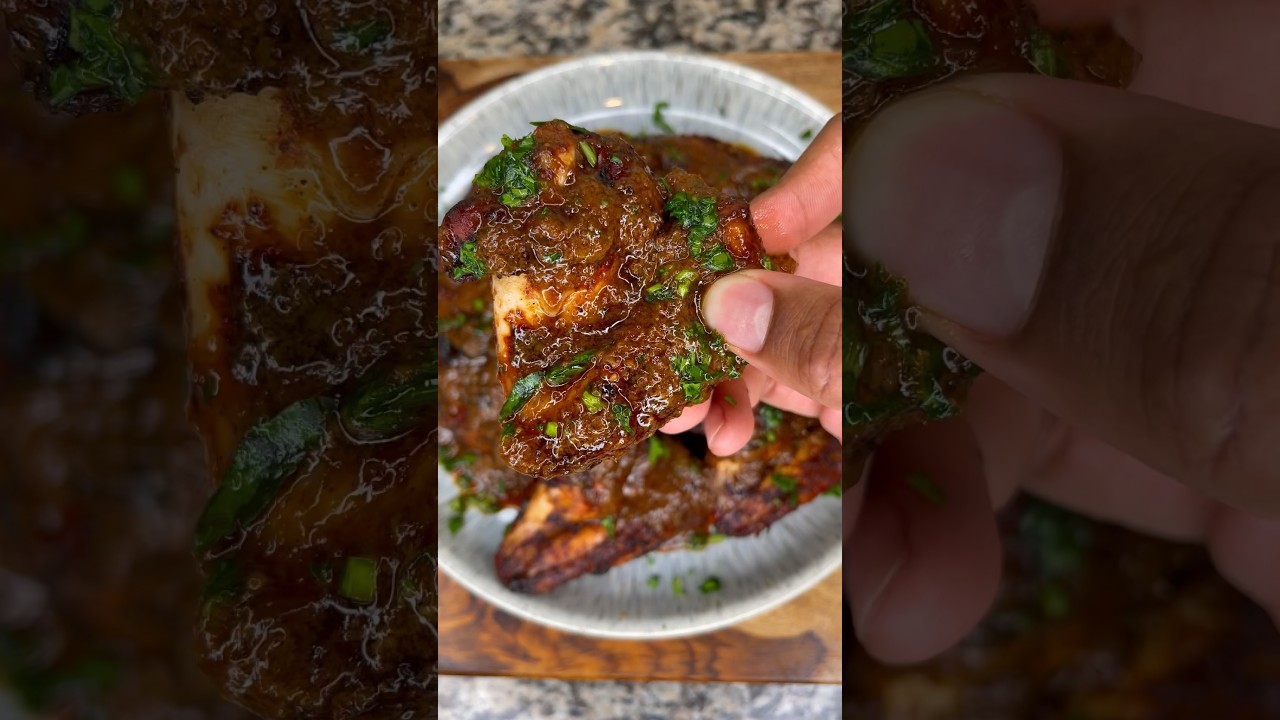
“Jerk chicken has one job: hit you with a wave of heat, smoke, spice, and citrus that keeps building with every bite. Most homemade versions produce something that's just spicy grilled chicken — the jerk character is missing. The difference is always the same thing: not enough time in the marinade, and a grill that's doing the wrong job at the wrong moment. This recipe fixes both.”
Why This Recipe Works
Jerk chicken is not spicy grilled chicken with a Jamaican name. The distinction matters, and most home cooks don't understand it until they've eaten the real thing — that layered hit of heat, smoke, allspice, citrus, and char that arrives in sequence rather than all at once. Building those layers requires three things: a marinade that actually penetrates the meat, a grill technique that doesn't destroy the skin before the interior cooks, and enough time to let the chemistry do its work.
Allspice Is the Architecture
Every jerk marinade starts with Scotch bonnet peppers, and those get all the attention because they're dramatic. But allspice is the structural material of jerk flavor. It's not a background note — it's the reason jerk tastes like jerk and not like any other spiced chicken preparation on earth. Ground allspice provides the warm, clove-forward foundation that the ginger, thyme, and citrus build on. Stale allspice is the single most common reason homemade jerk tastes flat. If your jar has been open for more than six months, the volatile aromatics have already evaporated. Buy fresh and use 3 full tablespoons. It's not too much.
The other underrated architectural element is the green onion. Scallions blended into the paste add a sharp, grassy note that bridges the sweetness of the brown sugar and the heat of the peppers. They're not garnish. They're structure.
The Marinade Window
Four hours is the floor. The chicken must marinate for at least 4 hours because bone-in pieces with skin present a genuine barrier to flavor penetration. The skin, even when slashed, acts as a moisture-resistant layer. The marinade needs sustained contact time to migrate past it and into the muscle fibers. Overnight — 12 to 24 hours — is where the flavor goes from good to memorable.
Getting paste under the skin directly onto the meat compounds this dramatically. Use your fingers to work the paste through the skin at the thickest point of each piece. This is the move that separates people who make jerk chicken from people who make jerk-flavored chicken.
Two-Zone Grilling Is the Method
Bone-in thighs and drumsticks need 25-30 minutes total cook time. Direct heat alone will burn the skin black and leave the interior raw. The solution is a two-zone grill: one hot side, one cool side. The chicken starts on the cool side — indirect heat — for 15-20 minutes to bring the interior up to temperature. Then it moves to direct heat for the final char, which takes 8-12 minutes with the reserved marinade basting every few minutes.
This sequence matters because char is not the same as burning. Genuine jerk char is caramelized sugar and rendered fat from the marinade hitting high heat — the Maillard reaction in its most dramatic form. It produces a bittersweet, deeply smoky crust. Burning is charcoal-black skin from raw chicken over direct flame for 30 minutes straight. The indirect-to-direct sequence is the only way to get the first and avoid the second.
A reliable instant-read thermometer is mandatory here. Pull at 165°F in the thickest part of the thigh, measured away from the bone. The bone retains heat differently than muscle — thermometer readings near bone read high while the surrounding meat is still undercooked.
The Reserved Marinade Rule
Divide the marinade before the chicken touches it. Half goes onto the raw chicken. Half goes into a separate bowl and never comes near raw meat. This reserved portion is what you baste with during the final direct-heat phase — it caramelizes onto the skin and builds the glossy, deeply flavored crust that finished jerk chicken is known for. Using marinade that touched raw chicken to baste cooked food is a food safety failure that happens in home kitchens constantly. Two bowls. Different spoons. Every time.
Rest Before Serving
Five minutes off the grill, loosely tented, lets the juices redistribute from the center outward. Bone-in chicken cut immediately loses a significant amount of moisture to the cutting board. The rest is not optional downtime — it's the last step in the recipe.
Where Beginners Mess This Up
Before we start, read this. These are the 4 reasons your authentic jerk chicken (the marinade is everything) will fail:
- 1
Under-marinating the chicken: Four hours is the absolute minimum. The allspice, Scotch bonnet, and ginger need time to penetrate past the skin into the meat. Anything under 4 hours produces seasoned skin on bland chicken. Twelve to 24 hours is where authentic jerk flavor lives — plan ahead or don't bother.
- 2
Skipping indirect heat and going straight to direct flame: Bone-in chicken takes 25-30 minutes to cook through. If you start over direct heat, the skin chars and burns before the meat reaches 165°F. Start on indirect heat to bring the interior up to temperature, then move to direct heat for the final char. The order matters.
- 3
Contaminating the basting marinade: If you baste the cooked chicken with marinade that touched raw meat, you're introducing raw chicken bacteria to finished food. Divide the marinade before the chicken touches it. This is non-negotiable food safety, not optional.
- 4
Pulling the chicken too early: Bone-in thighs and drumsticks can look done — deeply charred, beautifully colored — and still be raw at the bone. Use an instant-read thermometer every time. Pull at exactly 165°F in the thickest part of the thigh, not at the bone.
The Video Reference Library
Want to see it in action? Here are the exact videos we analyzed and combined to build this foolproof recipe translation:
The source video for this recipe's technique. Clear breakdown of the marinade ratios, indirect-to-direct grilling method, and what deeply charred jerk chicken should actually look like before you pull it off.
🛠️ Core Equipment
- Food processor or high-powered blenderThe jerk paste needs to be blended into a thick, textured marinade. A knife and cutting board will get you chopped ingredients, not paste. The processor emulsifies the oil, soy sauce, and lime juice with the solids into a cohesive coating that clings to the chicken.
- Instant-read meat thermometerBone-in chicken has an uneven geometry. The only reliable way to know it's cooked through without being dry is a thermometer in the thickest part of the thigh. Visual cues and timing are too imprecise for dark meat with bones.
- Two-zone grill setup or cast iron grill panYou need an indirect heat zone to cook the chicken through and a direct heat zone to finish the char. On a gas grill, this means one side on, one side off. On charcoal, bank the coals to one side. Without two zones, you cannot execute this recipe correctly.
- Zip-top bag or covered non-reactive containerThe Scotch bonnet and lime juice marinade will react with aluminum foil and some metal bowls. Use glass, ceramic, or plastic to marinate. A zip-top bag is ideal — it lets you massage the marinade into the meat without getting it on your hands.
Authentic Jerk Chicken (The Marinade Is Everything)
🛒 Ingredients
- ✦4 to 6 pounds bone-in, skin-on chicken pieces (thighs, drumsticks, breasts)
- ✦3 Scotch bonnet peppers, seeded and roughly chopped (or 4 habanero peppers for milder heat)
- ✦3 tablespoons ground allspice
- ✦2.5 tablespoons fresh thyme leaves (or 1.5 teaspoons dried thyme)
- ✦5 cloves garlic, peeled
- ✦2 tablespoons fresh ginger root, peeled and chopped
- ✦4 tablespoons low-sodium soy sauce
- ✦3 tablespoons fresh lime juice
- ✦2.5 tablespoons extra virgin olive oil
- ✦5 green onions (scallions), cut into 1-inch pieces
- ✦1.5 teaspoons kosher salt
- ✦1.5 teaspoons freshly cracked black pepper
- ✦1.5 tablespoons dark brown sugar
- ✦0.5 teaspoon ground cinnamon
- ✦0.25 teaspoon freshly grated nutmeg
👨🍳 Instructions
01Step 1
Combine the Scotch bonnet peppers, allspice, thyme, garlic, ginger, green onions, cinnamon, and nutmeg in a food processor and pulse until roughly broken down.
02Step 2
Add the soy sauce, lime juice, olive oil, brown sugar, salt, and black pepper to the food processor and blend until a thick, textured marinade paste forms, about 2 to 3 minutes.
03Step 3
Transfer half of the marinade to a small bowl and reserve separately for basting during cooking. Keep this portion completely separate from anything that touches raw chicken.
04Step 4
Pat the chicken pieces completely dry using paper towels.
05Step 5
Rub the remaining marinade all over each chicken piece, coating both skin and exposed flesh, and working the paste under the skin where possible.
06Step 6
Place the coated chicken in a large zip-top bag or covered non-reactive container and refrigerate for at least 4 hours, though 12 to 24 hours develops the best flavor.
07Step 7
Remove the chicken from the refrigerator 30 minutes before cooking to allow it to approach room temperature for more even cooking.
08Step 8
Preheat your grill to medium-high heat (350 to 400°F) with a two-zone setup — one side on, one side off. Oil the grates lightly with a high-heat oil.
09Step 9
Arrange chicken pieces skin-side up over indirect heat (the cooler side of the grill) and cook for 15 to 20 minutes without moving them.
10Step 10
Move the chicken to direct heat and cook for 8 to 12 minutes, turning occasionally and brushing with the reserved marinade, until the skin is deeply charred and blistered.
11Step 11
Check the internal temperature in the thickest part of the thigh using an instant-read thermometer. Pull at exactly 165°F.
12Step 12
Transfer to a clean serving platter and rest for 5 minutes before serving.
13Step 13
Drizzle any remaining pan juices over the chicken and serve with lime wedges, rice and peas, or roasted vegetables.
Nutrition Per Serving
Estimates based on standard preparation. Adjustments alter macros.
🔄 Substitutions
Instead of Scotch bonnet peppers...
Use Habanero or serrano peppers
Habaneros are slightly fruitier and nearly identical in heat. Serranos are grassier and cooler. Both preserve the jerk character — habaneros are the closer approximation.
Instead of Dark brown sugar...
Use Coconut sugar or maple syrup
Coconut sugar provides similar caramel sweetness. Maple syrup adds subtle woodiness that actually complements the smoke. Use equal amounts for coconut sugar; reduce by a teaspoon for maple syrup since it's more liquid.
Instead of Soy sauce...
Use Tamari or coconut aminos
Tamari is gluten-free and nearly identical. Coconut aminos are lower-sodium with a slight fruity sweetness — the umami depth remains, the salt level drops. Both work well.
Instead of Fresh thyme...
Use Dried thyme (use 40% of the fresh quantity)
Dried thyme is more concentrated. 2.5 tablespoons fresh becomes 1 teaspoon dried. Oregano works in a pinch but shifts the flavor profile toward Mediterranean.
🧊 Storage & Reheating
In the Fridge
Store in an airtight container for up to 4 days. The spice flavor deepens overnight — day two is often the best eating.
In the Freezer
Freeze cooked chicken for up to 3 months. Freeze raw marinating chicken for up to 2 months. Thaw overnight in the refrigerator.
Reheating Rules
Reheat in a 350°F oven covered with foil for 12-15 minutes, or in a covered skillet over medium-low heat with a tablespoon of water. Microwave dries it out fast — use it only as a last resort.
❓ Frequently Asked Questions
How long should I marinate jerk chicken?
At minimum 4 hours, ideally 12 to 24. The Scotch bonnet, allspice, and ginger need significant contact time to penetrate bone-in chicken past the skin. Anything under 4 hours produces well-seasoned skin on bland meat — which is not jerk chicken.
Can I make this in the oven instead of on a grill?
Yes. Roast at 400°F for 35-40 minutes, then broil on high for the final 5-7 minutes to char the skin. You won't get smoke flavor, but the marinade char and spice profile will be authentic. Baste with the reserved marinade halfway through.
How do I reduce the heat without losing jerk flavor?
Remove all seeds and membranes from the Scotch bonnets — that's where the majority of the capsaicin lives. The fruity, floral character of the pepper stays in the flesh. You can also substitute one Scotch bonnet for one habanero and reduce total pepper count.
Why is my jerk chicken not charring properly?
Two likely causes: the chicken was too wet going on the grill (pat it completely dry), or you didn't let it sit on indirect heat long enough before moving to direct flame. The skin needs to be dry and partially set before it can char. Wet skin steams instead of sears.
What should I serve with jerk chicken?
Traditional Jamaican sides are rice and peas (kidney beans cooked in coconut milk with thyme), fried plantains, or festival (a sweet fried dough). Coleslaw with a lime dressing cuts the heat well. Roasted sweet potatoes also complement the warm spice profile.
Can I use boneless skinless chicken breasts?
You can, but the results will be inferior. Boneless breasts have no fat to protect them at high grill heat and will dry out before the exterior chars properly. If you must use them, reduce grill time to 6-8 minutes per side over direct heat and watch the temperature closely.
The Science of
Authentic Jerk Chicken (The Marinade Is Everything)
We turned everything on this page into a beautiful, flour-proof PDF cheat sheet. Print it out, stick it to your fridge, and never mess up your authentic jerk chicken (the marinade is everything) again.
*We'll email you the high-res PDF instantly. No spam, just perfectly cooked meals.
AlmostChefs Editorial Team
We translate the internet's most popular cooking videos into foolproof, beginner-friendly written recipes. We analyze multiple methods, test them in our kitchen, and engineer a single "Master Recipe" that gives you the best possible result with the least possible stress.