The Only Jambalaya Recipe You Need (One-Pot Louisiana Masterclass)
A bold, smoky Cajun one-pot classic with andouille sausage, browned chicken, the holy trinity of vegetables, and long-grain rice simmered in seasoned broth. We dissected the most-watched Louisiana cooking videos to find the technique that gets the rice right and the flavor deep every single time.
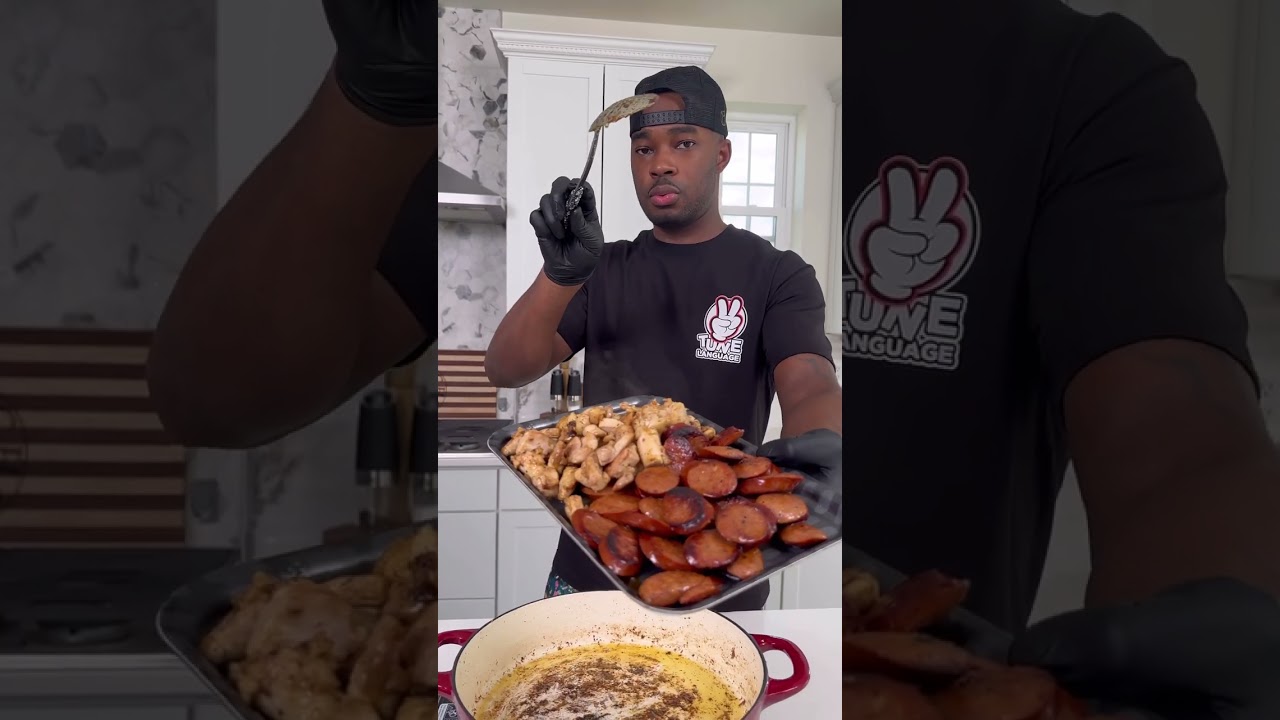
“Jambalaya has one job: make a room smell like New Orleans and feed a table without wrecking your evening. Most versions fail because cooks either rush the holy trinity, skip the browning, or crack the lid during the simmer. All three of those decisions are why the rice is wet and the flavor is flat. We tested every major technique to find the path that consistently delivers — deep crust on the sausage, a real fond on the pot, and rice that absorbs rather than floats.”
Why This Recipe Works
Jambalaya is the most misunderstood easy recipe in American cooking. People call it simple — one pot, common ingredients, ready in an hour — and then produce something that tastes like seasoned rice with protein floating in it. The dish is not hard, but it has physics, and those physics are unforgiving if you skip steps.
The Fond Is the Flavor
Everything in this recipe points toward one goal: building the deepest possible base before the rice goes in. It starts with the andouille. Andouille is a fermented, smoked sausage with a high fat content — when you slice it into rounds and sear it in a Dutch oven, the cut edges caramelize and the fat renders out into the pot. That fat is Cajun gold. It carries flavor compounds that olive oil cannot replicate, and it coats the bottom of the pot with a thin layer of seasoned grease that becomes the substrate for everything that follows.
The chicken goes next, searing in that rendered fat. By the time you remove the chicken, the bottom of your pot should look like a crime scene — dark, sticky, and slightly alarming. This is exactly right. This is the fond, and it is the backbone of your jambalaya's flavor.
When the broth hits that fond and you scrape with a wooden spoon, every dark bit dissolves back into the liquid. You've just made a Cajun broth from scratch in thirty seconds. No amount of Cajun seasoning compensates for skipping this step.
The Holy Trinity Is Not Optional
Onion, celery, and bell pepper are the aromatic foundation of essentially all Cajun cooking. What matters is time. Eight to ten minutes at medium heat, stirring occasionally, until the vegetables are completely soft and their edges are translucent. What you're after is the point at which they've lost their structural water, their sugars have begun to caramelize slightly, and they've stopped tasting raw.
The tomato paste goes in after the trinity — two tablespoons cooked briefly until it darkens at the edges. This is called "pinçage" in classical technique: cooking tomato paste in fat until it concentrates and the raw acidity burns off. It adds an umami depth that no amount of canned tomatoes can replace.
The Rice Problem
Long-grain white rice is a steam-absorption machine. The entire simmer phase — 25 to 30 minutes under a tight lid on low heat — is about creating a controlled steam environment where the rice hydrates uniformly from the broth below. This is similar in principle to the dum technique in biryani, and it fails for the same reason: people lift the lid.
Every time you break the seal, you drop the internal temperature and release accumulated steam. The rice on top stalls. The bottom continues cooking. You end up with a dish that is simultaneously underdone and overdone, with wet patches and crunchy patches and an overall texture that feels like a mistake.
Set the timer. Walk away. Check it once at 25 minutes and not before.
Shrimp: The Most Abused Ingredient in Jambalaya
If you are adding shrimp, understand that they are a finishing ingredient, not a co-star. They go in during the last five minutes, folded gently into the dish, covered until pink and opaque. Overcooked shrimp are one of the most common and unnecessary failures in seafood cooking — a shrimp that has been simmering for 20 minutes alongside the rice has the texture of a pencil eraser and is actively making your dish worse.
The optional nature of the shrimp in this recipe is intentional. Chicken and andouille jambalaya is complete as written. Shrimp is an addition, not a requirement.
Why the Rest Period Matters
Five minutes off heat, lid removed. This resting step lets the residual steam finish any remaining absorption, allows the temperature to equalize across the pot, and gives the starch a moment to set before you serve. Dishes that skip the rest are always wetter and looser than they should be. The five minutes costs you nothing and guarantees a better plate.
Jambalaya is, at its core, an exercise in sequential patience — browning when browning is required, softening when softening is required, and doing nothing when doing nothing is required. The technique is not complex. It just demands that you follow the sequence and resist the instinct to rush.
Where Beginners Mess This Up
Before we start, read this. These are the 4 reasons your the only jambalaya recipe you need (one-pot louisiana masterclass) will fail:
- 1
Not browning the meat properly: Andouille and chicken both need real color before anything else goes in the pot. That crust on the bottom is not a mistake — it is the flavor foundation of the entire dish. When the broth goes in later and you scrape the fond, all of that caramelized residue dissolves into the base and becomes the backbone of your jambalaya. Skip the browning and you're making seasoned rice soup.
- 2
Undercooking the holy trinity: Onion, celery, and bell pepper are not garnishes. They need 8-10 full minutes over medium heat until completely soft and translucent. If you rush them, they stay sharp and raw-tasting in the final dish. The vegetables need to essentially dissolve into the base and become part of the broth's body.
- 3
Stirring the rice during the simmer: Once the rice goes in and the lid goes on, do not touch it. Stirring activates the starch, makes the rice gummy, and disrupts the even absorption. Set the timer for 25-30 minutes and commit to ignoring it. The rice will hydrate uniformly as long as you leave it alone.
- 4
Adding shrimp too early: Shrimp cook in 4-5 minutes. Add them at the very end, fold gently, and cover for exactly that long. Shrimp that cook for 20 minutes alongside the rice turn into expensive rubber erasers.
The Video Reference Library
Want to see it in action? Here are the exact videos we analyzed and combined to build this foolproof recipe translation:
The source video for this recipe's core technique. Strong focus on layering flavor through proper browning and fond development — the approach that separates authentic jambalaya from shortcut versions.
🛠️ Core Equipment
- Large Dutch oven or heavy-bottomed potEven heat distribution is essential for browning without scorching, and the wide base accommodates all the rice and broth without piling everything too deep. A thin pot creates hot spots that burn the bottom before the rice is done.
- Wooden spoon or flat-edged spatulaFor deglazing. When you add the broth, you need to scrape every bit of the browned fond off the bottom. A wooden spoon is firm enough to lift it without scratching.
- Tight-fitting lidThe rice simmer is a steam-absorption process. A loose lid loses too much moisture and leaves you with crunchy, undercooked rice. If your lid is not snug, place a sheet of aluminum foil between the pot and lid as a seal.
The Only Jambalaya Recipe You Need (One-Pot Louisiana Masterclass)
🛒 Ingredients
- ✦3 tablespoons olive oil, divided
- ✦1 pound andouille sausage, sliced into ¼-inch rounds
- ✦1.25 pounds boneless skinless chicken breast, cut into 1-inch cubes
- ✦2 medium yellow onions, finely diced
- ✦3 stalks celery, diced
- ✦2 large bell peppers (1 red, 1 green), diced
- ✦4 cloves garlic, minced
- ✦2 tablespoons tomato paste
- ✦2.5 cups long-grain white rice, uncooked
- ✦5 cups low-sodium chicken broth
- ✦1 can (14.5 ounces) diced tomatoes with juice
- ✦2 tablespoons Cajun seasoning blend
- ✦1 tablespoon Worcestershire sauce
- ✦1 teaspoon dried thyme
- ✦2 bay leaves
- ✦¾ teaspoon cayenne pepper
- ✦1 pound large shrimp, peeled and deveined (optional)
- ✦Salt and freshly ground black pepper to taste
👨🍳 Instructions
01Step 1
Heat 1 tablespoon of olive oil in a large Dutch oven over medium-high heat. Add the andouille sausage and cook until edges are deeply browned and fat has rendered, about 4-5 minutes. Transfer to a plate with a slotted spoon.
02Step 2
Add the remaining 2 tablespoons of olive oil to the same pot. Add the chicken cubes and brown on all sides for 6-7 minutes until golden. Season lightly with salt and pepper, then transfer to the plate with the sausage.
03Step 3
Add the diced onions, celery, and bell peppers to the pot. Sauté over medium heat, stirring occasionally, until completely soft and translucent, about 8-10 minutes.
04Step 4
Stir in the minced garlic and tomato paste. Cook for 1-2 minutes until fragrant and the paste darkens slightly at the edges.
05Step 5
Pour in the chicken broth slowly while scraping the bottom of the pot with a wooden spoon to release all browned bits. Every dark bit coming off the bottom is flavor.
06Step 6
Return the sausage and chicken to the pot along with any accumulated juices from the plate.
07Step 7
Add the diced tomatoes with juice, Cajun seasoning, Worcestershire sauce, dried thyme, bay leaves, and cayenne. Stir well to combine.
08Step 8
Bring to a gentle boil, then reduce heat to medium-low. Stir in the uncooked rice, pressing to submerge it in the liquid.
09Step 9
Cover with a tight-fitting lid and simmer without stirring for 25-30 minutes, until the rice is tender and has absorbed most of the liquid.
10Step 10
If using shrimp, fold them gently into the jambalaya during the last 5 minutes of cooking. Cover and cook until shrimp are pink and opaque, about 4-5 minutes.
11Step 11
Remove from heat and let rest uncovered for 5 minutes. Remove and discard the bay leaves. Taste and adjust seasoning with salt, pepper, or cayenne before serving.
Nutrition Per Serving
Estimates based on standard preparation. Adjustments alter macros.
🔄 Substitutions
Instead of Andouille sausage...
Use Smoked turkey sausage
Saves about 80 calories and 7g of fat per serving. The smoke is lighter but the texture holds. Acceptable weeknight trade-off — not a substitute for a dinner party.
Instead of Long-grain white rice...
Use Brown rice or wild rice blend
Add ¾ cup extra broth and 5-7 additional minutes of cook time. Nuttier, chewier result with more fiber. Check doneness before pulling off heat.
Instead of Low-sodium chicken broth...
Use Homemade bone broth
Deeper umami, more body, less sodium. If your bone broth is unsalted, you will need to season the dish more aggressively at the end.
Instead of Boneless skinless chicken breast...
Use Boneless skinless chicken thighs
More forgiving texture — thighs don't dry out if the simmer runs long. Slightly richer flavor. The single best swap in this recipe.
🧊 Storage & Reheating
In the Fridge
Store in an airtight container for up to 4 days. The rice will continue absorbing liquid and the flavors deepen significantly by day two.
In the Freezer
Freeze in portioned containers for up to 2 months. Thaw overnight in the refrigerator before reheating.
Reheating Rules
Add 2-3 tablespoons of broth or water per serving, cover tightly, and reheat on low on the stovetop for 8-10 minutes. Microwaving without added liquid dries the rice out badly.
❓ Frequently Asked Questions
Why is my jambalaya rice mushy?
Either the liquid ratio was off or you stirred during the simmer. Stirring releases starch and turns everything gummy. Measure your rice and broth precisely, don't touch it during cooking, and let it rest uncovered for 5 minutes after coming off heat.
What's the difference between Cajun and Creole jambalaya?
Cajun jambalaya (also called 'brown jambalaya') does not use tomatoes — it gets its color from the deeply browned meat and caramelized fond. Creole jambalaya includes tomatoes and is more common in New Orleans proper. This recipe is Creole-style. Both are correct. Neither is inferior.
Can I make jambalaya without sausage?
Technically yes, but it will be a different dish. The sausage fat renders into the pot and becomes part of the flavor base. If you omit it entirely, add an extra tablespoon of olive oil and a teaspoon of smoked paprika to compensate for some of what you're losing.
Do I need to rinse the rice before using it?
Do not rinse it. The surface starch helps the rice absorb the broth and binds the dish slightly. Rinsed rice produces a looser, more separated result that doesn't hold together when served.
When do I add the shrimp?
Last 5 minutes only. Shrimp are fully cooked when pink and opaque — that happens fast. Adding them earlier produces tough, rubbery shrimp that are a waste of money.
My jambalaya is too spicy. How do I fix it?
Add a squeeze of fresh lemon juice to cut the heat perception, or stir in a tablespoon of butter to coat the palate and mellow the burn. Serving with cornbread or plain white rice on the side also helps balance heat at the table.
The Science of
The Only Jambalaya Recipe You Need (One-Pot Louisiana Masterclass)
We turned everything on this page into a beautiful, flour-proof PDF cheat sheet. Print it out, stick it to your fridge, and never mess up your the only jambalaya recipe you need (one-pot louisiana masterclass) again.
*We'll email you the high-res PDF instantly. No spam, just perfectly cooked meals.
AlmostChefs Editorial Team
We translate the internet's most popular cooking videos into foolproof, beginner-friendly written recipes. We analyze multiple methods, test them in our kitchen, and engineer a single "Master Recipe" that gives you the best possible result with the least possible stress.