Homestyle Italian Wedding Soup (The Meatball Marriage That Actually Works)
A classic Northern Italian broth-based soup with tender seared meatballs, fresh spinach, and whole wheat pastina in a deeply savory double-broth base. We broke down the most common mistakes home cooks make and built one clean, foolproof method that nails the texture and balance every single time.
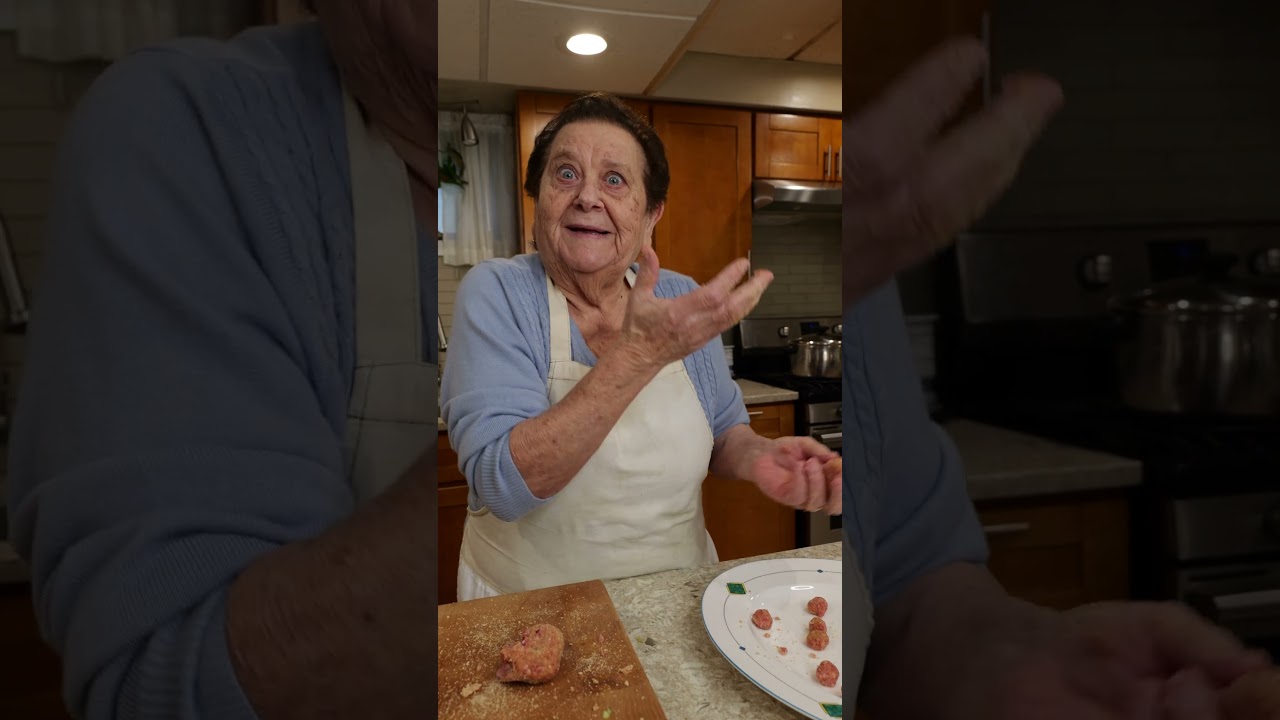
“Italian Wedding Soup is one of those dishes that sounds effortless until you make it and end up with gray, waterlogged meatballs swimming in muddy broth. The name has nothing to do with weddings — it's about the marriage of ingredients, and like any good marriage, the chemistry only works when each element is handled correctly before it meets the others. Sear the meatballs. Build the broth properly. Add the pasta last. In that order, every time.”
Why This Recipe Works
Italian Wedding Soup has a reputation as easy comfort food — the kind of thing you throw together on a Tuesday without thinking. That reputation is why most homemade versions are quietly mediocre. The dish is simple, but simple does not mean forgiving. Every component either adds to the marriage or undermines it, and the two most common mistakes happen before the broth even hits the pot.
The Meatball Problem
A meatball dropped raw into simmering liquid does not cook into anything interesting. It poaches. The exterior stays soft and pale, the interior stays dense, and the whole thing contributes almost nothing to the broth it swims in for the next twenty minutes. The Maillard reaction — the cascade of chemical changes that happen when protein-rich surfaces meet dry heat above 300°F — cannot occur in liquid. No crust forms. No flavor develops. You get a gray protein sphere in soup.
Searing the meatballs first in a heavy-bottomed pot solves both problems simultaneously. The crust that forms in hot oil is structurally important — it holds the meatball together during the simmer — and chemically important, because the browned surface dissolves slowly into the broth, adding complexity that cannot be replicated by any spice addition. Six to eight minutes in batches. Don't crowd the pan. Don't touch them until the crust has formed and releases naturally.
The meatball mix itself follows a simple rule: the less you handle it, the better. Ground beef that's been overworked develops cross-linked protein networks that produce a texture closer to sausage than to a tender meatball. Combine the ingredients, fold them together with your hands just until the mixture is uniform, and stop. This is not bread dough. It does not benefit from kneading.
The Broth Architecture
Ten cups of liquid is a lot of broth to get right. A single-broth approach always falls short — all chicken produces something that tastes like elevated ramen, all beef produces something that tastes like French onion soup without the cheese. The 60/40 blend (beef to chicken) creates a base with the savory depth of the beef and the clean, light finish of the chicken. It sounds fussy until you taste the difference, at which point it becomes non-negotiable.
The diced tomatoes are not an afterthought. Their acidity balances the richness of the meat and browned fat, and their liquid extends the broth without diluting it. No-sugar-added is the specification because canned tomatoes with added sugar tip the flavor profile in a direction that fights with the Pecorino Romano and the savory meatballs. Read the label.
The Vegetable Foundation
The soffritto — onions, carrots, celery — is not decoration. It is the flavor infrastructure of the entire soup. Five to seven minutes over medium-high heat allows the onions to turn translucent and begin to sweeten, the carrots to release their natural sugars, and the celery to soften from a raw crunch into something that will dissolve quietly into the broth over the following twenty minutes. Rushing this step produces a soup that tastes flat in the middle register — it has the meatball flavors up top and the broth beneath, but nothing tying them together.
The Pasta Window
Pastina is unforgiving. Add it too early and it swells beyond al dente while the meatballs are still firming up. Leave it in the broth after the heat is off and it absorbs two cups of liquid before your bowls are on the table. The window between perfect and ruined is about four minutes, which means you have to cook it with intention: add it only after the meatballs have simmered for their full 12-15 minutes, and pull the pot off heat while the pasta still has the faintest bite left. It finishes in the residual heat on the way to the bowl.
The spinach goes in last because it has no time requirement — it wilts in 90 seconds of contact with hot broth. Adding it early turns it from bright, fresh green to dark, bitter, and murky. Two to three minutes before serving, folded in gently. That is the entirety of the spinach technique.
This soup is not difficult. It is sequential. Respect the order, respect the heat, and the marriage works every time.
Where Beginners Mess This Up
Before we start, read this. These are the 4 reasons your homestyle italian wedding soup (the meatball marriage that actually works) will fail:
- 1
Adding the meatballs raw to the broth: Dropping raw meatballs directly into simmering liquid produces gray, dense, flavorless spheres. The Maillard reaction — the browning that happens only in dry, high heat — creates the crust that locks in fat and flavor. Without that sear, the meatballs contribute nothing to the broth and get nothing back from it. Six to eight minutes in hot oil, in batches, is non-negotiable.
- 2
Overcrowding the pot during the sear: Too many meatballs in the pan at once drops the surface temperature instantly and traps steam. Instead of searing, they poach. You lose the crust, the color, and the flavor compounds that would otherwise dissolve into the broth during the simmer. Work in batches, give each meatball space, and do it right the first time.
- 3
Adding the pasta too early: Pastina — or any small pasta — continues absorbing liquid even after you turn off the heat. If you add it while the vegetables are still firming up, by the time you serve the soup the pasta will be a swollen, starchy paste that has drunk half your broth. Add it only after the meatballs have simmered back in for at least 12 minutes, and pull the pot off heat the moment it hits al dente.
- 4
Skipping the double-broth base: Using only chicken broth produces a soup that tastes light but thin. Beef broth alone is too heavy and obscures the delicate flavors of the meatballs and greens. The combination — six parts beef to four parts chicken — creates a rounded, savory base that has depth without being aggressive. This ratio is why restaurant versions taste different from single-broth home attempts.
The Video Reference Library
Want to see it in action? Here are the exact videos we analyzed and combined to build this foolproof recipe translation:
The foundational walkthrough that covers meatball technique, broth layering, and the critical pasta timing window. Essential viewing before your first attempt.
🛠️ Core Equipment
- Large heavy-bottomed pot or Dutch ovenYou need enough volume for 10 cups of broth plus vegetables, meatballs, and pasta without overflow. A [Dutch oven](/kitchen-gear/review/dutch-oven) also holds heat evenly during the sear, preventing the temperature drop that causes meatballs to steam instead of brown.
- Wide skillet or sauté panSearing the meatballs in a separate, wide pan gives you more surface area and better control of browning. A [stainless steel skillet](/kitchen-gear/review/stainless-steel-skillet) is ideal — it develops fond (the browned bits) that you can deglaze back into the soup pot for extra flavor.
- Small cookie scoop or tablespoon measureConsistent meatball size means consistent cooking time. Irregularly sized meatballs will have some that are overcooked while others are still pink inside. A scoop takes the guesswork out entirely.
- Fine-mesh sieve or ladleFor skimming any foam that rises in the first few minutes of simmering. A clear, clean broth is the difference between a soup that looks homemade-good and one that looks like you gave up halfway through.
Homestyle Italian Wedding Soup (The Meatball Marriage That Actually Works)
🛒 Ingredients
- ✦1 pound lean ground beef
- ✦1/2 cup whole wheat breadcrumbs
- ✦1 large egg
- ✦1/4 cup grated Pecorino Romano cheese
- ✦3 cloves garlic, minced (divided)
- ✦2 medium yellow onions, finely diced
- ✦3 medium carrots, cut into small dice
- ✦3 celery stalks, cut into small dice
- ✦6 cups low-sodium beef broth
- ✦4 cups low-sodium chicken broth
- ✦1 can (14.5 ounces) diced tomatoes, no sugar added
- ✦2 tablespoons extra virgin olive oil
- ✦3 cups fresh spinach, roughly chopped
- ✦1 cup whole wheat pastina pasta
- ✦2 teaspoons dried Italian seasoning
- ✦1 teaspoon kosher salt
- ✦1/2 teaspoon black pepper
- ✦1/4 teaspoon red pepper flakes
- ✦2 bay leaves
- ✦Fresh flat-leaf parsley, chopped, for garnish
👨🍳 Instructions
01Step 1
Combine the ground beef, breadcrumbs, egg, Pecorino Romano, and 1 minced garlic clove in a medium bowl. Mix gently with your hands until just incorporated — do not overwork the mixture.
02Step 2
Roll the mixture into walnut-sized meatballs, roughly 1 inch in diameter, and arrange on a plate. You should get approximately 24-28 meatballs.
03Step 3
Heat the olive oil in a large heavy-bottomed pot or Dutch oven over medium-high heat until shimmering. Working in batches, sear the meatballs until golden brown on all sides, 6-8 minutes per batch. Transfer to a clean plate.
04Step 4
In the same pot over medium-high heat, add the diced onions, carrots, and celery. Sauté, stirring occasionally, until the onions turn translucent and the vegetables begin to soften, about 5-7 minutes.
05Step 5
Add the remaining minced garlic and cook until fragrant, about 1 minute.
06Step 6
Pour in both broths and the canned tomatoes with their juices. Stir to combine, scraping up any browned bits from the bottom of the pot.
07Step 7
Add the Italian seasoning, salt, pepper, red pepper flakes, and bay leaves. Return the seared meatballs to the pot.
08Step 8
Bring to a gentle boil, then reduce heat to medium-low. Simmer uncovered for 12-15 minutes to allow the flavors to meld and the meatballs to cook through.
09Step 9
Increase heat to medium. Stir in the whole wheat pastina and cook for 8-10 minutes until just al dente.
10Step 10
Add the chopped fresh spinach and stir gently until fully wilted, about 2-3 minutes.
11Step 11
Taste and adjust seasoning. Remove and discard the bay leaves.
12Step 12
Ladle into bowls, garnish with fresh parsley, and serve immediately.
Nutrition Per Serving
Estimates based on standard preparation. Adjustments alter macros.
🔄 Substitutions
Instead of Lean ground beef...
Use Ground turkey or ground chicken breast
Leaner and more delicate in flavor. The sear is even more important with poultry — without good browning, turkey meatballs taste flat. Season slightly more aggressively to compensate.
Instead of Whole wheat pastina...
Use Chickpea or lentil pasta
Higher fiber and protein, lower glycemic impact. Cooks in a similar time window but may require an extra minute. Adds a slightly nuttier, heartier texture to the soup.
Instead of Pecorino Romano...
Use Parmigiano-Reggiano or nutritional yeast
Parmigiano is milder and slightly less salty — a direct swap. Nutritional yeast (3 tablespoons) works for dairy-free versions and provides a similar umami punch without the cheese flavor.
Instead of Fresh spinach...
Use Swiss chard or lacinato kale, chopped
Both are sturdier greens that hold up better in the broth during reheating. Add them 3-4 minutes earlier than you would spinach, as they take longer to wilt down.
🧊 Storage & Reheating
In the Fridge
Store in an airtight container for up to 3 days. The pasta will continue to absorb broth — if you plan on leftovers, store the pasta separately and add it fresh when reheating.
In the Freezer
Freeze the soup base (without pasta) for up to 3 months. Thaw overnight in the fridge and cook fresh pastina directly into the reheated broth.
Reheating Rules
Reheat over medium-low heat with a splash of broth or water to loosen the consistency. Stir gently to avoid breaking the meatballs. Do not boil — a hard boil will toughen the meat and make the pasta mushy.
❓ Frequently Asked Questions
Why is it called Italian Wedding Soup if it has nothing to do with weddings?
The name is a mistranslation. The original Italian phrase is 'minestra maritata' — 'married soup' — referring to the marriage of meat and leafy greens in the same broth. The combination was considered harmonious, like a well-matched couple. It became 'wedding soup' in English through linguistic drift, not culinary tradition.
My meatballs keep falling apart in the broth. What went wrong?
Two likely causes: the mixture was overworked (toughens the outside but leaves the inside fragile) or the meatballs were added raw without searing. The sear creates a structural crust that holds the meatball together during the simmer. Raw meatballs poached directly in broth will always be more fragile.
Can I use store-bought frozen meatballs?
You can, and it cuts the prep time significantly. Look for smaller-format Italian-style meatballs and thaw them first before adding to the broth. Skip the searing step if they're already cooked through, but know that you'll lose some of the flavor complexity the homemade sear contributes.
The pasta absorbed all my broth. How do I fix it?
Add more broth — that's the only fix. This is why the pasta storage tip matters: if you're making this ahead, keep the pasta separate. For a batch you're eating right now, add 1 cup of warm broth at a time until you reach the consistency you want, then taste and adjust seasoning.
Can I make this vegetarian?
Yes. Replace the meatballs with chickpea-and-ricotta dumplings (1 can chickpeas mashed with 1/2 cup ricotta, breadcrumbs, and Pecorino). Use all vegetable broth. The flavor profile shifts substantially — it's a different soup — but the technique is the same.
How do I know when the meatballs are cooked through during the simmer?
After 12-15 minutes of simmering in the broth, a meatball cut in half should show no pink in the center. If you used a consistent walnut-sized roll, this timing is reliable. Larger meatballs may need an additional 5 minutes. When in doubt, cut one open.
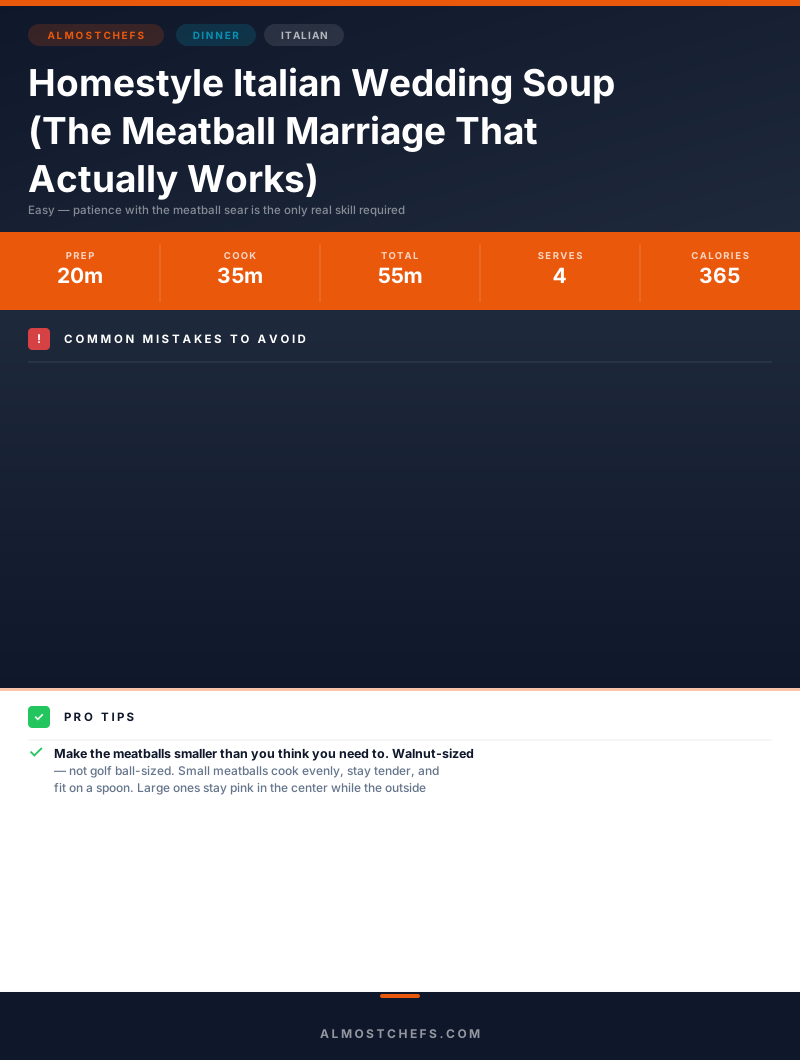
The Science of
Homestyle Italian Wedding Soup (The Meatball Marriage That Actually Works)
We turned everything on this page into a beautiful, flour-proof PDF cheat sheet. Print it out, stick it to your fridge, and never mess up your homestyle italian wedding soup (the meatball marriage that actually works) again.
*We'll email you the high-res PDF instantly. No spam, just perfectly cooked meals.
AlmostChefs Editorial Team
We translate the internet's most popular cooking videos into foolproof, beginner-friendly written recipes. We analyze multiple methods, test them in our kitchen, and engineer a single "Master Recipe" that gives you the best possible result with the least possible stress.