The Only Italian Tomato Sauce (Everything Else Is a Shortcut)
A slow-cooked, deeply flavored Italian tomato sauce built on whole San Marzano tomatoes, soffritto, and patience. We broke down the most-watched YouTube methods to isolate the three decisions that separate a forgettable red sauce from the one people ask you for every time.
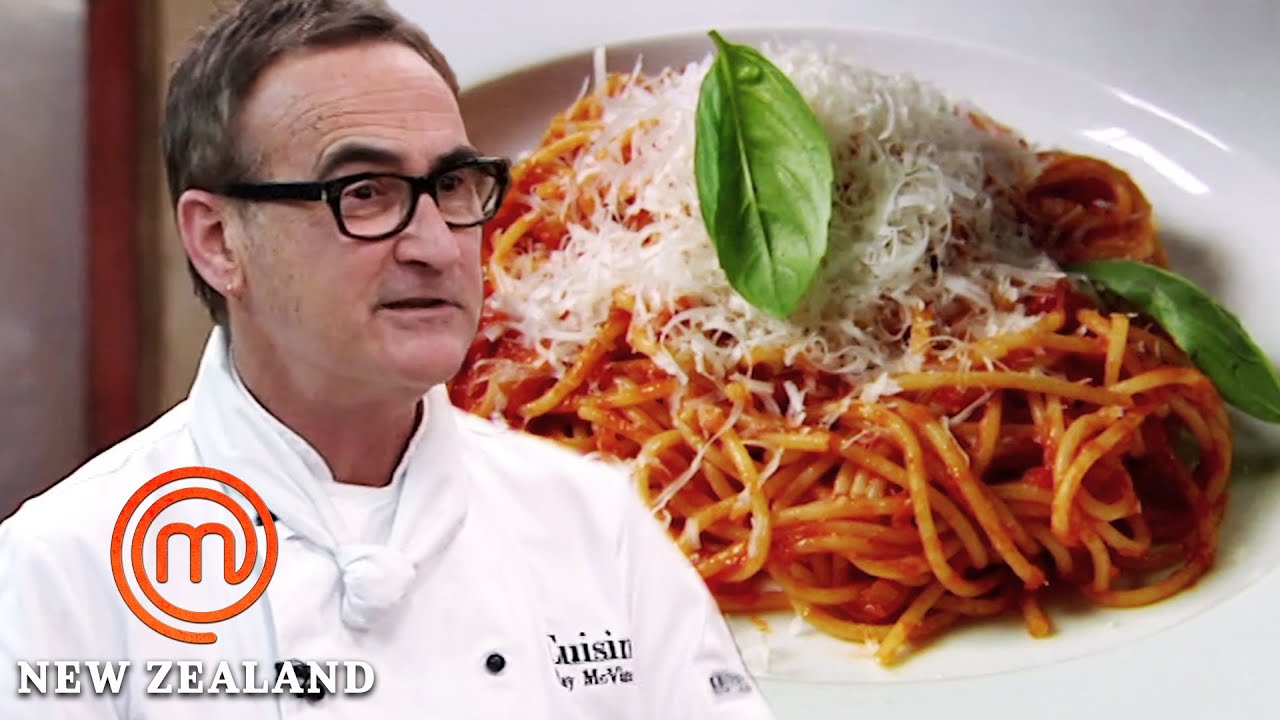
“Everyone thinks they know how to make tomato sauce. Pour a can, add garlic, simmer for twenty minutes, done. That version is fine. But fine is not what you want when the sauce is the entire point of the dish. The difference between a jar of Rao's and a sauce that makes someone put down their fork and say 'what did you do to this' comes down to three things: the tomato, the fat, and whether you gave it time. We tested every major method to find the version that actually delivers.”
Why This Recipe Works
Tomato sauce is the dish that home cooks are most confident about and most consistently get wrong. The confidence comes from simplicity — it's tomatoes, fat, aromatics, heat. The failure comes from the same place. When a recipe looks simple, it's easy to assume the details don't matter. They are, in fact, the only thing that matters.
The Tomato Is the Argument
Every other decision in this recipe is downstream of the tomato you open. San Marzano tomatoes, grown in the volcanic alluvial plains of the Sarno River valley south of Naples, are categorically different from standard canned tomatoes. The volcanic soil produces fruit with lower water content, higher sugar concentration, fewer seeds, and thicker flesh. When reduced, they produce a sauce with a natural sweetness and body that cheap tomatoes physically cannot replicate — not because of technique, but because of soil chemistry. You cannot out-cook a bad tomato.
Look for the DOP certification (Denominazione di Origine Protetta) on the can. This is not marketing. It is a European Union-enforced designation that verifies the tomatoes were grown in the specific geographic zone and processed to specific standards. Counterfeit "San Marzano style" tomatoes fill American supermarket shelves. They are not the same product. The DOP seal is the only guarantee.
The Soffritto Is the Foundation
Italian cooking has a phrase: il soffritto è la base — the soffritto is the base. It is not metaphorical. The slow-cooked mixture of onion, carrot, and celery is the structural foundation that every other flavor is built on. Rush it and the whole structure is compromised.
The carrot is doing specific work here. Its natural sugars — roughly 5-6g per medium carrot — caramelize during the extended cooking time and provide a counterweight to the tomato's acidity. This is why Italian tomato sauce doesn't taste as sharp as a quick twenty-minute version even when using the same can of tomatoes. The carrot is quietly balancing the acid the entire time it's in the pan. Remove it, and the acid wins.
Ten minutes over medium-low heat, stirring regularly, until the onion is completely translucent and the entire mixture smells sweet and savory rather than sharp and raw. That is the target. A wide, heavy-bottomed skillet gives the soffritto maximum contact with the heat source, ensuring even cooking without hot spots that scorch the edges while the center stays raw.
Low Heat, Long Time
The science of tomato sauce reduction is simple: water out, flavor concentration up. The question is how fast you drive off that water. High heat evaporates water faster than the Maillard reactions can develop, leaving you with a sauce that's concentrated but harsh — all the acid, none of the complexity. Low heat allows the simultaneous processes of evaporation, caramelization, and acid mellowing to happen at compatible speeds.
At a gentle simmer — small bubbles breaking the surface every few seconds, not a rolling boil — the sauce reduces in about 35-40 minutes while developing the deep brick-orange color that signals properly caramelized tomato sugars. This color change is your visual confirmation that the chemistry worked. Bright red sauce is undercooked sauce.
A heavy-bottomed pan or enameled skillet matters here for the same reason it matters in biryani: even heat distribution prevents scorching on the bottom while the top layer still needs time. Thin, cheap pans create hot spots that burn the sauce at the contact points and produce bitter, dark patches that taint the entire batch.
The Finishing Fat Principle
The final drizzle of extra-virgin olive oil, added off-heat, is the step that separates cooks who understand emulsification from cooks who think they're being fancy. When the sauce is just below boiling temperature, the olive oil and the water-based tomato liquid can be gently stirred into a semi-stable emulsion — fat droplets suspended in the sauce rather than floating on top. The result is a silky, glossy texture and a dramatically richer mouthfeel.
Add the oil while the pan is still on the burner and the heat destroys the aromatic compounds in the oil — the polyphenols, the volatile esters — before they can contribute anything. You get fat without flavor. Remove the pan from heat first, then drizzle, then stir. It takes eight seconds and it changes the sauce.
This is the entire recipe in one sentence: good tomatoes, patient soffritto, low heat for long enough, and finishing fat off the flame. Master those four principles and every tomato sauce you make for the rest of your life will be better than anything you could open from a jar.
Where Beginners Mess This Up
Before we start, read this. These are the 4 reasons your the only italian tomato sauce (everything else is a shortcut) will fail:
- 1
Using the wrong tomatoes: Not all canned tomatoes are equal. Generic crushed tomatoes are often packed with citric acid preservatives that create a sharp, one-dimensional acidity that no amount of sugar or basil can mask. San Marzano DOP tomatoes — grown in volcanic soil near Naples — have higher sugar content, lower water content, and fewer seeds. They reduce into a sauce that tastes cooked and complex rather than raw and bright. This is not a preference. It is a structural difference in the ingredient.
- 2
Rushing the soffritto: The onion, celery, and carrot base (soffritto) needs to cook for at least 8-10 minutes over medium-low heat until it's completely soft, translucent, and starting to turn pale gold. If you rush past this stage, the raw sharpness of the onion carries through into the finished sauce. The soffritto is the flavor scaffolding that everything else is built on. Underdeveloped scaffolding means an underdeveloped sauce.
- 3
Cooking on high heat: High heat causes the water in the tomatoes to evaporate too quickly, concentrating the acid before the sugars have time to develop. You end up with a thick sauce that's harsh rather than rich. Low-and-slow lets the sugars caramelize gradually while the acid mellows, producing a sauce that tastes like it cooked for hours — because it did, and that's the point.
- 4
Skipping the finishing fat: A drizzle of good extra-virgin olive oil added off-heat at the very end is not decoration. The fat emulsifies into the sauce and creates a silky, coating texture that carries flavor directly to the palate. Add it while the pan is still on the burner and the heat will destroy the delicate aromatic compounds in the oil. Remove from heat first, then drizzle.
The Video Reference Library
Want to see it in action? Here are the exact videos we analyzed and combined to build this foolproof recipe translation:
A clean, methodical walkthrough that focuses on the soffritto foundation and low-heat reduction. Excellent demonstration of what properly cooked onions look like before the tomatoes go in.
Covers the San Marzano sourcing question in depth and explains why hand-crushing whole tomatoes produces better texture than buying pre-crushed. Good visual reference for sauce consistency at different stages.
The long-cook method — 90 minutes over very low heat. Shows the dramatic color shift from bright red to deep brick-orange that signals proper caramelization. Useful if you want to see the endpoint before you've ever made it.
🛠️ Core Equipment
- Wide, heavy-bottomed skillet or sauté panMore surface area means faster, more even evaporation. A narrow saucepan traps steam and makes it harder to reduce the sauce to the right consistency. Stainless steel or enameled cast iron are ideal — reactive pans like bare aluminum can cause off-flavors with acidic tomatoes.
- Wooden spoon or heatproof silicone spatulaFor breaking up the tomatoes and scraping the fond from the bottom of the pan. Metal utensils scratch nonstick surfaces and can damage enameled cookware. A flat-edged wooden spoon reaches corners more effectively.
- Fine-mesh sieve or food millOptional but transformative. Passing the finished sauce through a sieve removes seeds and skins and produces a restaurant-quality silky texture. A food mill gives you more control over final consistency — from rustic and chunky to smooth and glossy.
- LadleFor portioning onto pasta directly from the pan. Pouring from a heavy skillet causes splashing and uneven distribution. A ladle gives you control.
The Only Italian Tomato Sauce (Everything Else Is a Shortcut)
🛒 Ingredients
- ✦2 cans (28 oz each) whole San Marzano DOP tomatoes
- ✦1 large yellow onion, finely diced
- ✦4 cloves garlic, thinly sliced
- ✦1 medium carrot, finely diced
- ✦1 stalk celery, finely diced
- ✦4 tablespoons extra-virgin olive oil, divided
- ✦1/2 teaspoon red pepper flakes
- ✦1 teaspoon granulated sugar (optional, to taste)
- ✦6 fresh basil leaves, torn
- ✦1 sprig fresh oregano, or 1/2 teaspoon dried
- ✦Sea salt and freshly ground black pepper to taste
👨🍳 Instructions
01Step 1
Empty the canned tomatoes into a bowl and crush them by hand, squeezing each tomato through your fingers until no large chunks remain. Reserve all juices.
02Step 2
Heat 3 tablespoons of olive oil in a wide, heavy-bottomed skillet over medium-low heat. Add the diced onion, carrot, and celery. Cook, stirring occasionally, for 8-10 minutes until fully softened, translucent, and just beginning to turn pale gold.
03Step 3
Add the sliced garlic and red pepper flakes. Cook for 2 more minutes, stirring frequently, until the garlic is fragrant and just starting to turn golden at the edges. Do not let it brown.
04Step 4
Pour in the crushed tomatoes and all their juices. Stir to combine with the soffritto. Add the oregano sprig or dried oregano. Season generously with salt and a few grinds of black pepper.
05Step 5
Increase heat to medium until the sauce comes to a gentle simmer, then immediately reduce to low. Cook uncovered, stirring every 5-7 minutes, for 35-40 minutes until the sauce has reduced by roughly one-third and the color has deepened from bright red to a rich brick-orange.
06Step 6
Taste the sauce. If it's sharper than you'd like, add the teaspoon of sugar and stir. This is not cheating — it's balancing acidity the way every professional kitchen does.
07Step 7
Remove the oregano sprig. Tear the basil leaves and stir them in. Remove the pan from the heat entirely.
08Step 8
Drizzle the remaining tablespoon of extra-virgin olive oil over the sauce and stir gently to incorporate. The residual heat will emulsify it without destroying its aromatic compounds.
09Step 9
For a smoother texture, pass the sauce through a fine-mesh sieve or food mill before serving. For rustic texture, serve as-is.
10Step 10
Toss immediately with hot pasta, adding a splash of pasta cooking water to help the sauce coat each strand. Serve with additional torn basil and a final drizzle of olive oil.
Nutrition Per Serving
Estimates based on standard preparation. Adjustments alter macros.
🔄 Substitutions
Instead of San Marzano DOP tomatoes...
Use Mutti Polpa or Bianco DiNapoli whole peeled tomatoes
Not all premium tomatoes carry the DOP designation. Mutti and Bianco DiNapoli are widely considered the best non-DOP alternatives. Avoid store-brand crushed tomatoes — the citric acid content is noticeably higher.
Instead of Extra-virgin olive oil...
Use Avocado oil for cooking, olive oil for finishing
Avocado oil has a higher smoke point for the soffritto phase if your stove runs hot. Always finish with real EVOO — the finishing fat is where the flavor lives.
Instead of Fresh basil...
Use Fresh flat-leaf parsley
A different flavor profile but works well — parsley is brighter and more herbaceous. Avoid dried basil added at the end; it adds bitterness without aroma.
Instead of Yellow onion...
Use Shallots (use 4, finely minced)
Shallots are sweeter and more delicate. They build a lighter, more refined soffritto — excellent if you're making this sauce for fish or seafood dishes.
🧊 Storage & Reheating
In the Fridge
Store in an airtight container for up to 5 days. The flavor genuinely improves after 24 hours.
In the Freezer
Freeze in 1-cup or 2-cup portions for up to 4 months. Leave headspace in the container — tomato sauce expands when frozen.
Reheating Rules
Reheat gently in a saucepan over low heat with a splash of water or stock to loosen. Do not microwave in a sealed container — the pressure buildup causes uneven heating and splashing.
❓ Frequently Asked Questions
Why does my tomato sauce taste acidic no matter what I do?
Two causes: wrong tomatoes or insufficient cooking time. Generic canned tomatoes are packed with citric acid that doesn't cook off. Switch to San Marzano DOP and cook the sauce for at least 35 minutes — the extended low heat allows the sugars to develop and the acid to mellow naturally. A pinch of baking soda (not sugar) can neutralize acidity chemically without adding sweetness, but fix the root cause first.
Do I have to use the soffritto vegetables, or can I just use garlic?
You can make a garlic-only aglio e pomodoro sauce, and it's excellent. But it's a different sauce. The carrot and celery in soffritto add body, sweetness, and complexity that garlic alone cannot replicate. The carrot's natural sugars help balance acidity. If you omit them, you're making a simpler sauce — which is fine, but adjust your expectations accordingly.
What pasta shape works best with this sauce?
Rigatoni, penne, spaghetti, and linguine all work well. The rule is: smooth sauces cling to ridged pasta (rigatoni, penne rigate), and chunkier sauces work with wider, flatter shapes (pappardelle, tagliatelle). For a smooth, strained version of this sauce, spaghetti is classic. For a rustic chunky version, rigatoni catches the pieces in its ridges.
Can I add meat to this sauce?
Yes. Brown 200g of Italian sausage, ground beef, or guanciale in the pan before starting the soffritto. Remove, build the sauce, then return the meat for the last 15 minutes of simmering. Do not add raw meat directly to the tomatoes — it doesn't brown, it poaches, and you lose all the Maillard flavor from searing.
Why do some Italian recipes use whole peeled tomatoes instead of crushed?
Control. Whole peeled tomatoes let you decide the final texture by hand-crushing to your preference. Pre-crushed tomatoes are already processed to a uniform fine texture that you can't change. Whole tomatoes also tend to be the highest-quality tomatoes in a brand's lineup — processors use premium fruit for whole packs and lesser fruit for crushed.
How do I know when the sauce is done?
Three signals: the color has shifted from bright fire-engine red to a deeper brick-orange or burgundy, the raw tomato smell has been replaced by a sweet, cooked, concentrated aroma, and the sauce holds a line on a spoon for 2-3 seconds before running. If it runs immediately, keep reducing. If the line holds indefinitely, you've gone too far — add a splash of water.

The Science of
The Only Italian Tomato Sauce (Everything Else Is a Shortcut)
We turned everything on this page into a beautiful, flour-proof PDF cheat sheet. Print it out, stick it to your fridge, and never mess up your the only italian tomato sauce (everything else is a shortcut) again.
*We'll email you the high-res PDF instantly. No spam, just perfectly cooked meals.
AlmostChefs Editorial Team
We translate the internet's most popular cooking videos into foolproof, beginner-friendly written recipes. We analyze multiple methods, test them in our kitchen, and engineer a single "Master Recipe" that gives you the best possible result with the least possible stress.