10-Minute Skillet Tortillas (The Weeknight Dinner You'll Actually Make)
A Mexican-inspired ground turkey skillet with sautéed peppers, onions, and whole spices served in warm whole wheat tortillas with sharp cheddar and Greek yogurt. We analyzed the fastest reliable technique to build deep flavor in the time it takes to set the table.
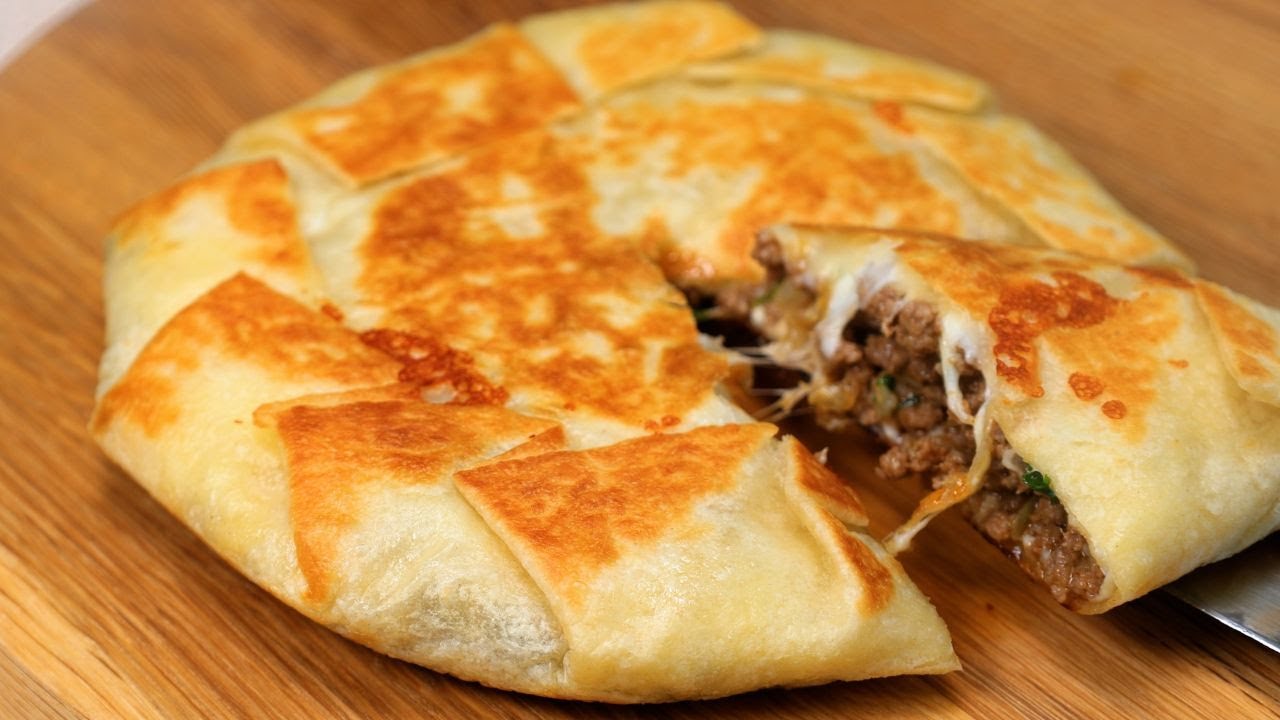
“Most 10-minute dinner claims are lies. They don't count the chopping, the cleanup, or the 20 minutes of staring at the fridge before you start. This one is actually 10 minutes — because everything happens in a single skillet in a specific sequence that builds real flavor without waiting for it. The secret is blooming your spices in the fat before anything else touches the pan.”
Why This Recipe Works
Ten minutes is a real number here, not a marketing claim dressed up as convenience. But it only holds if you execute a specific sequence — and understanding why that sequence matters is the difference between a filling that tastes like something you'd pay twelve dollars for and one that tastes like you panicked and threw it together ten minutes before someone arrived.
Most fast dinner recipes fail at the same place: they trade flavor development for speed and pretend you won't notice. This one doesn't. It compresses the timeline by doing multiple flavor-building operations simultaneously and front-loading the high-return steps. The sequence is engineered. Follow it.
Spice Blooming Is the Whole Game
Ground spices are volatile aromatic compounds locked inside desiccated plant material. To release them, they need direct contact with hot fat — not water, not steam, not a simmering broth. The chemistry is straightforward: fat is a solvent for fat-soluble flavor molecules, and heat accelerates the volatilization of the compounds responsible for aroma and perceived taste depth.
Add cumin to a wet, liquid-filled pan and it disperses into the broth, distributing its flavor thinly and never fully activating. Add it to the hot rendered fat left behind after browning the meat — stir for thirty seconds — and the aroma doubles in intensity immediately. The color deepens from pale tan to copper. The flavor profile shifts from raw and dusty to rounded, deep, and coherent.
This is why the spices go in after the meat has browned and before any liquid enters the pan. The window is brief. It is also the single highest-leverage step in this recipe.
The Maillard Math
Ground turkey has a structural problem: high moisture content. As it heats, it releases water before it reaches the temperature required for Maillard browning. That moisture creates a steam environment in the pan, which means the meat cooks through before it ever sears. The result is grey, texturally uniform, flavonoid-poor protein with no crust and no contrast.
The fix requires three things acting simultaneously. First, a 12-inch cast iron or stainless skillet — surface area is load-bearing here, not optional. A pan that's too small forces the meat to crowd, which traps released moisture and guarantees steaming over searing. Cast iron's thermal mass means the temperature doesn't crash when cold meat hits the surface. Stainless works nearly as well if it's preheated properly. Second, high heat — oil shimmering, not smoking, before anything goes in. Third, restraint: no stirring for the first two minutes. Let the moisture cook off the bottom surface. Let the Maillard reaction happen. Then use a wooden spoon or fish spatula to break it into small, irregular pieces. The thin edge of a spatula does this more efficiently than a spoon and maintains the browned surfaces on individual pieces rather than grinding them smooth.
Irregular crumbles are better than uniform ones. More surface area means more of that crust. More crust means more concentrated flavor in every forkful.
Garlic Timing Is Not a Preference, It's Chemistry
Garlic contains allicin and its precursors, which are highly volatile and extremely susceptible to heat degradation. Thirty seconds in hot fat converts them into the rounded, savory compounds you want. Sixty seconds starts burning the sugars. Ninety seconds ruins the pan.
This is why garlic goes in after the onion and pepper have already softened — the pan temperature is stable, the fat is hot but not screaming, and you have a predictable thirty-second window to manage. Add it at the beginning and you're gambling on timing for the next eight minutes of cooking. Don't gamble. Sequence it correctly.
The Tortilla Argument
A cold tortilla is a structural failure mode, not a food. It cracks at the fold line, offers zero textural contribution, and competes with the filling in the worst possible way — distracting the palate with cardboard while the filling is doing all the work. There is no version of this recipe that works with cold tortillas. None.
Thirty seconds over a gas flame does three distinct things simultaneously: it makes the tortilla pliable enough to fold without cracking, it develops light char marks that add genuine toasted bitterness as a counterpoint to the spiced filling, and it warms the surface so the shredded cheddar inside begins to soften on contact rather than sitting cold. Use tongs for rotation control and to keep your hands clear of the flame. Stack finished tortillas under a kitchen towel so the residual steam keeps them soft while you work through the batch. If you're on an electric stove, a dry cast iron skillet on high heat gets close enough — the char won't be identical, but the pliability and warmth are achievable.
Why Greek Yogurt Wins This Argument
Sour cream is approximately 18–20% fat by weight, with minimal protein structure. When it contacts a hot filling, the fat-water emulsion destabilizes slightly and it liquefies at the edges, pooling beneath the filling rather than sitting on top of it. It contributes richness but loses its textural identity within seconds.
Greek yogurt is strained, which removes most of the whey and concentrates both fat and protein. The higher protein content means it holds its structure when it contacts heat. It contributes the same tang as sour cream — sharper, actually — without collapsing into the filling. The result is a cleaner, more cohesive bite where every component maintains its individual character rather than merging into a single wet mass.
That distinction matters more than most people realize until they make both versions back to back.
The Actual Reason This Takes Ten Minutes
It's not a shortcut. The prep is genuinely minimal because the ingredient list is built around things that don't require elaborate prep — sliced pepper, diced onion, pre-ground spices, canned tomatoes. The technique is fast because the sequence eliminates waiting: while the meat browns, the vegetables are prepped. While the filling simmers, the tortillas warm. Nothing idles. The ten minutes is real because the recipe was designed around that constraint from the start — not retrofitted to a claim after the fact.
Where Beginners Mess This Up
Before we start, read this. These are the 4 reasons your 10-minute skillet tortillas (the weeknight dinner you'll actually make) will fail:
- 1
Adding spices at the end: Ground cumin, smoked paprika, and chili powder dumped into a wet, simmering pan taste raw and flat. They need direct contact with hot fat to bloom — which releases their volatile oils and transforms them from dusty powder into the deep, rounded flavor that makes this taste like it cooked for an hour.
- 2
Overcrowding the pan: If your skillet isn't large enough, the ground turkey steams instead of browns. Steam produces grey, waterlogged meat with no Maillard crust. Use a 12-inch skillet minimum and resist stirring for the first 2 minutes so the meat can actually sear.
- 3
Skipping the tortilla warming step: Cold tortillas crack when you fold them and taste like cardboard. Thirty seconds over an open flame or in a dry skillet transforms them — they become pliable, slightly charred at the edges, and contribute their own toasted flavor to every bite.
- 4
Adding garlic too early: Garlic goes in after the onion and pepper are soft, not at the beginning. Thirty seconds in hot fat is all it needs. Any longer and it burns — and burnt garlic ruins an entire pan no matter how much else is in it.
The Video Reference Library
Want to see it in action? Here are the exact videos we analyzed and combined to build this foolproof recipe translation:
The source video that inspired this recipe. Demonstrates the single-skillet technique and shows exactly how fast this dinner comes together on a real stovetop.
🛠️ Core Equipment
- 12-inch cast iron or stainless skilletSurface area matters. A wide pan gives the ground turkey room to brown instead of steam. Cast iron retains heat well so the temperature doesn't crash when cold meat hits the pan.
- Wooden spoon or fish spatulaFor breaking the meat into small, irregular pieces while it browns. Uniform crumbles cook evenly and pick up more sauce later. A spatula with a thin edge does this faster than a spoon.
- TongsFor charring tortillas directly over a gas flame. Tongs let you rotate quickly and prevent burning. If you're using an electric stove, a dry cast iron skillet works — tongs still help for flipping.
10-Minute Skillet Tortillas (The Weeknight Dinner You'll Actually Make)
🛒 Ingredients
- ✦1 tablespoon extra virgin olive oil
- ✦1 pound lean ground turkey or beef
- ✦1 large red bell pepper, thinly sliced
- ✦1 large yellow onion, finely diced
- ✦3 cloves garlic, minced
- ✦2 teaspoons ground cumin
- ✦1 teaspoon smoked paprika
- ✦1/2 teaspoon chili powder
- ✦1/4 teaspoon cayenne pepper
- ✦1 cup low-sodium chicken or vegetable broth
- ✦1 cup diced tomatoes with green chiles
- ✦8 whole wheat flour tortillas
- ✦1 cup shredded sharp cheddar cheese
- ✦2 tablespoons fresh cilantro, roughly chopped
- ✦1 lime, cut into wedges
- ✦Sea salt and black pepper to taste
- ✦1/4 cup plain Greek yogurt for serving
👨🍳 Instructions
01Step 1
Heat extra virgin olive oil in a large 12-inch skillet over medium-high heat until shimmering.
02Step 2
Add the ground turkey and cook, breaking it into small pieces with a wooden spoon, until completely browned — about 4-5 minutes. Do not stir for the first 2 minutes.
03Step 3
Add the diced onion and sliced red bell pepper. Sauté together for 3 minutes until the onion is translucent and the pepper softens.
04Step 4
Push everything to the edges of the pan to create a clear hot center. Add garlic to the center and cook for 30 seconds, stirring constantly, until fragrant.
05Step 5
Sprinkle the cumin, smoked paprika, chili powder, and cayenne directly over the hot fat and meat. Stir thoroughly to coat everything evenly and cook for 30 seconds.
06Step 6
Pour in the broth and diced tomatoes with green chiles. Stir well to scrape up any browned bits from the bottom of the pan.
07Step 7
Bring to a gentle simmer and cook for 2-3 minutes until slightly reduced and the flavors have melded. Season with salt and pepper.
08Step 8
Warm the tortillas directly over a gas flame for 20-30 seconds per side until pliable with light char marks. Alternatively, use a dry skillet over high heat.
09Step 9
Divide the filling evenly among the warm tortillas. Top with shredded cheddar, fresh cilantro, and a squeeze of lime.
10Step 10
Serve immediately with lime wedges and a dollop of Greek yogurt on the side.
Nutrition Per Serving
Estimates based on standard preparation. Adjustments alter macros.
🔄 Substitutions
Instead of Ground turkey...
Use Plant-based ground meat (Beyond or Impossible)
Behaves almost identically in the skillet. Brown it the same way. The spice blend covers any flavor difference entirely. Reduce cook time by 1 minute.
Instead of Whole wheat tortillas...
Use Corn tortillas
More authentic, slightly more fragile. Use two stacked per serving to prevent splitting. Better char flavor over an open flame.
Instead of Sharp cheddar...
Use Oaxacan cheese or Monterey Jack
Melts faster and more evenly than cheddar. Oaxacan pulls into strands for a more dramatic presentation. Both work equally well flavor-wise.
Instead of Diced tomatoes with green chiles...
Use Fresh diced roma tomatoes plus one roasted poblano pepper, diced
Brighter, less processed flavor. The poblano adds smokiness that canned chiles can't match. Add an extra splash of broth to compensate for less liquid.
🧊 Storage & Reheating
In the Fridge
Store the filling (not assembled) in an airtight container for up to 4 days. The flavors improve overnight.
In the Freezer
Freeze the filling in a zip-lock bag for up to 2 months. Flatten the bag before freezing so it thaws quickly.
Reheating Rules
Reheat the filling in a skillet over medium heat with 2-3 tablespoons of broth to loosen it. Warm fresh tortillas to order — never store assembled wraps.
❓ Frequently Asked Questions
Can I make this with ground beef instead of turkey?
Yes, and it's slightly richer. Use 90/10 lean ground beef to keep the fat content similar. Drain any excess fat after browning before adding the vegetables.
Why does my filling taste flat even though I used all the spices?
The spices weren't bloomed properly. They need to hit hot fat — not liquid — to activate. If you added them after the broth, the dish will taste raw and powdery. Pull the filling off heat, drain most of the liquid, add a small splash of oil, toast the spices for 30 seconds, then add the liquid back.
How do I keep the tortillas from getting soggy?
Two things: reduce the filling until it holds its shape without pooling, and assemble right before eating. Never pre-assemble and let them sit — the steam from the filling migrates into the tortilla within minutes.
Is this actually anti-inflammatory?
The cumin, smoked paprika, and chili powder all contain compounds with documented anti-inflammatory properties. The whole wheat tortillas add fiber which supports gut health. It's not a cure — but compared to a drive-through burrito, yes, meaningfully better.
Can I prep any of this ahead of time?
The filling is actually better made 1-2 days ahead. Reheat in a skillet. The only thing to do fresh is warm the tortillas — which takes 90 seconds. This is genuinely one of the best weeknight meal-prep targets in this recipe collection.
What sides work with this?
Nothing complicated. A simple avocado sliced with lime and salt, a handful of corn chips, or a cup of black beans from a can. The filling is already a complete meal — sides should be low-effort counterpoints, not another production.
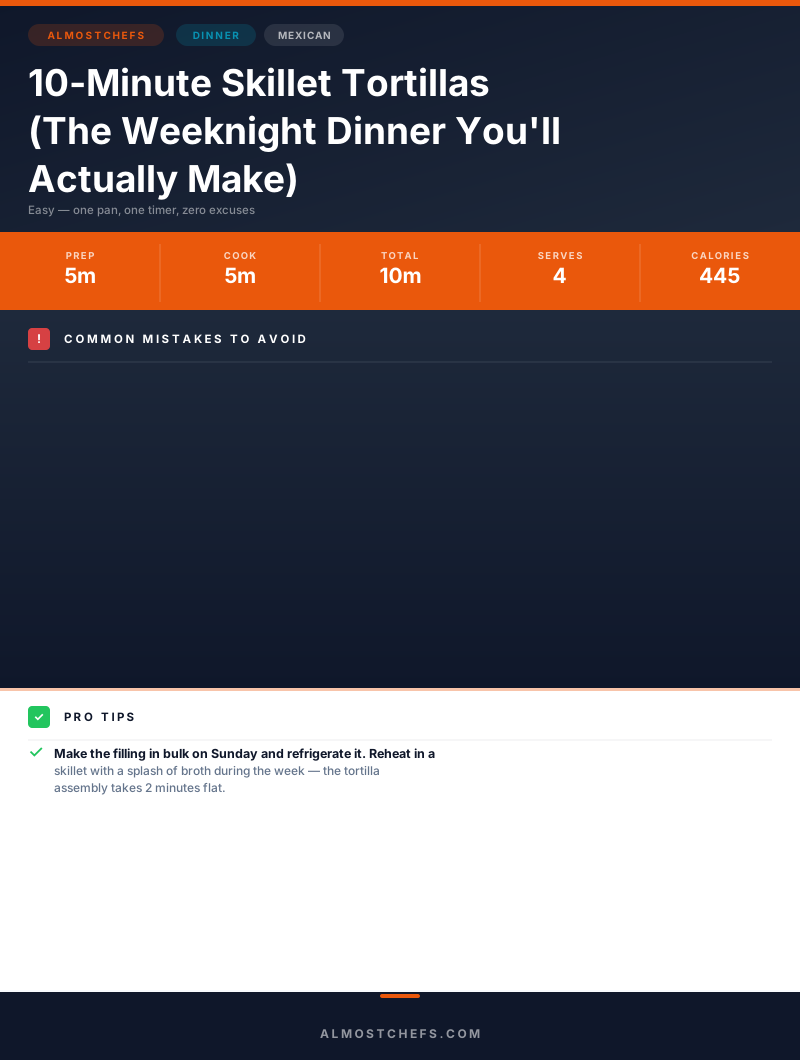
The Science of
10-Minute Skillet Tortillas (The Weeknight Dinner You'll Actually Make)
We turned everything on this page into a beautiful, flour-proof PDF cheat sheet. Print it out, stick it to your fridge, and never mess up your 10-minute skillet tortillas (the weeknight dinner you'll actually make) again.
*We'll email you the high-res PDF instantly. No spam, just perfectly cooked meals.
AlmostChefs Editorial Team
We translate the internet's most popular cooking videos into foolproof, beginner-friendly written recipes. We analyze multiple methods, test them in our kitchen, and engineer a single "Master Recipe" that gives you the best possible result with the least possible stress.