The Ultimate Iftar Spread (One Platter, Zero Stress)
A complete Ramadan iftar appetizer spread featuring silky homemade hummus, herbed yogurt dip, caramelized onion and spinach topping, and fresh vegetable crudités. We synthesized the most popular Middle Eastern, Mediterranean, and South Asian methods into one make-ahead platter that breaks the fast with nutrition and intention.
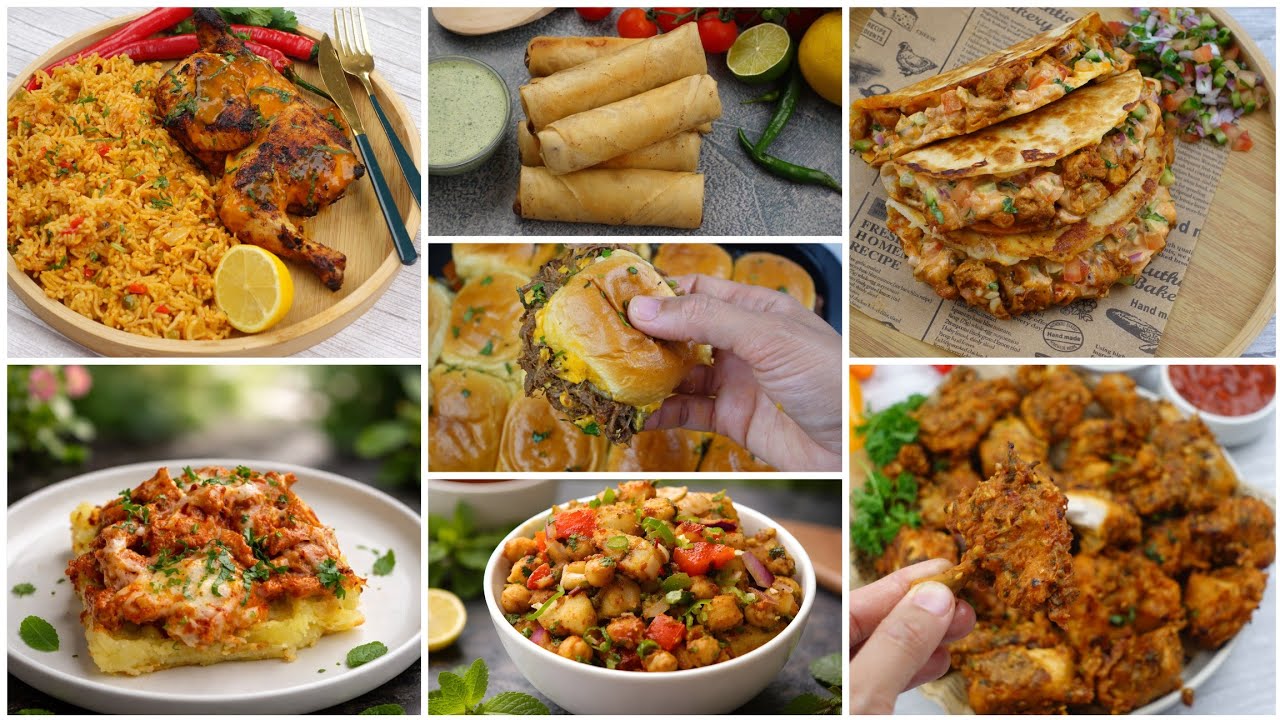
“Breaking a fast is not the time for complexity. After hours without food or water, your body needs something that delivers nutrients fast, sits well on an empty stomach, and actually tastes like it was made with care. Most iftar spreads fail because they try to do too much — fussy pastries, last-minute frying, components that only work hot. This platter is different. Every element can be made before the sun goes down, arranged beautifully, and served the moment the call to prayer sounds.”
Why This Recipe Works
An iftar spread is one of the most pressure-loaded meals in the culinary calendar. It has to be ready at a specific minute — not approximately, not "whenever it's done." Everyone at the table has been fasting since before sunrise. The food needs to arrive right as the fast breaks, hot where it should be hot, fresh where it should be fresh, arranged like someone cared. Most cooks panic. They start too late, the hummus goes in cold, the pita sits out for an hour, and the whole thing lands as a flat version of what it was supposed to be.
The solution is not more effort. It's better sequencing.
Build the Base First
Hummus is the anchor of this spread, and it improves with time. Make it the day before if you can. The garlic mellows, the lemon rounds out, the tahini fully integrates into the chickpea base. The key that most recipes skip: blend it for three full minutes. Not until it looks smooth — three minutes by the clock. At thirty seconds, most food processors produce what looks like finished hummus but is actually grainy paste that hasn't yet emulsified. At three minutes, something changes — the texture becomes almost whipped, the color lightens slightly, and the fat from the tahini and olive oil fully incorporates into a stable emulsion. That's the hummus you want.
Temperature is the other hummus variable nobody talks about. Cold chickpeas straight from the fridge produce dense, slightly bitter hummus. Room-temperature chickpeas and food processor work produce lighter results. If you refrigerate your hummus ahead of time — and you should — pull it out 20 minutes before the spread goes on the table.
The Onion Topping Is the Surprise
Most guests will eat the hummus first and stop paying attention. The people who notice the warm spinach and caramelized onion topping spooned into the well are the ones who come back for seconds and ask what you put in it. The answer is time. Twelve minutes of active attention over medium-high heat, stirring the onions constantly so they color evenly rather than burning at the edges while staying pale in the center.
A wide cast iron skillet does this better than anything else — the heat distribution is even enough that you're not constantly chasing hot spots. Add the spinach at the end, off the heat or barely on it. Spinach wilts in ninety seconds and then immediately starts releasing water. The goal is wilted but not waterlogged.
The Yogurt Dip as Counterpoint
The herbed yogurt creates a cool, acidic counterpoint to the warm, earthy hummus — and it functions as a palate reset between bites. Mint and cilantro are not interchangeable here. Mint provides the cool, clean note that makes the yogurt feel refreshing. Cilantro provides the slightly savory, citrusy edge that connects it back to the hummus. Both together produce something better than either alone.
Make the yogurt dip at least 30 minutes before serving. Given an hour, the herbs will infuse the yogurt with noticeably more depth than if you mix and immediately plate.
The Architecture of the Platter
This is the part that separates a memorable iftar spread from a bowl of dip with some carrots next to it. Use a platter large enough to create real distance between components — 14 inches minimum. Hummus in the center. Yogurt in a defined section to the side. Vegetables radiating outward, color separated: orange carrot batons here, red bell pepper strips there. Warm pita fanned at the edge.
The arrangement is not decorative theater. It communicates that each component is distinct and worth experiencing separately before combining. It signals intention. And after a long day of fasting, intention is exactly what the table is supposed to hold.
Where Beginners Mess This Up
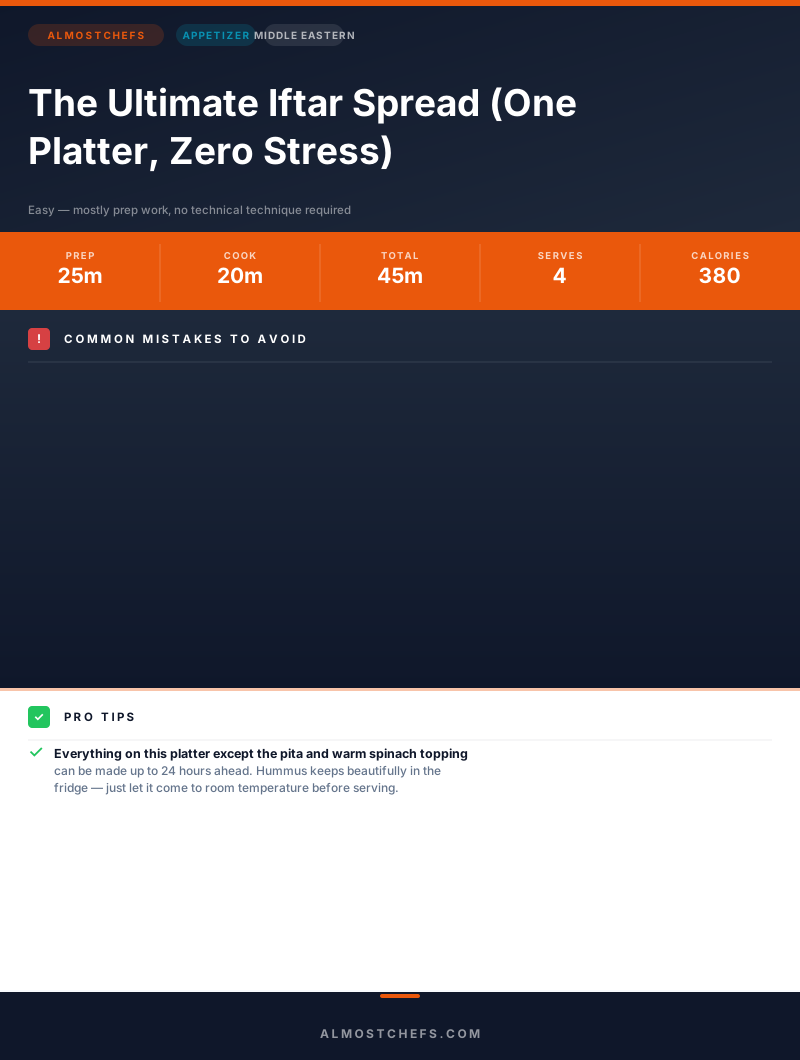
Before we start, read this. These are the 4 reasons your the ultimate iftar spread (one platter, zero stress) will fail:
- 1
Under-processing the hummus: Hummus that tastes gritty or grainy wasn't blended long enough. Three full minutes in the food processor is the minimum — not thirty seconds. The chickpea skins need time to fully break down. If your machine is weak, peel the chickpeas by hand first. It's tedious but produces silkier results than any other method.
- 2
Rushing the caramelized onions: Eight minutes over medium-high heat is the floor, not the target. Onions that are pale gold contribute almost no flavor to the hummus topping. You want deep amber with slightly crispy edges — that's where the sweetness and depth lives. Turn the heat down rather than pulling them early.
- 3
Serving everything cold from the fridge: Cold hummus tastes flat. Cold pita tastes like cardboard. The spread should be served at room temperature with warm pita. Pull the hummus out 20 minutes before serving. Toast the pita last, right before the table is set. Temperature is flavor.
- 4
Neglecting the visual architecture: An iftar spread is a table centerpiece. If everything gets dumped into one bowl, half the joy disappears. Use distinct zones — hummus in the center, yogurt beside it, vegetables radiating outward. The arrangement signals abundance and care, which is exactly what breaking a fast deserves.
The Video Reference Library
Want to see it in action? Here are the exact videos we analyzed and combined to build this foolproof recipe translation:
The source video for this recipe — covers the full spread assembly and demonstrates the platter arrangement technique used for a modern iftar table.
🛠️ Core Equipment
- Food processorNon-negotiable for silky hummus. A blender works in a pinch but produces inferior texture — it can't circulate the mixture efficiently enough to fully emulsify the tahini and chickpeas. A [food processor](/kitchen-gear/review/food-processor) with at least a 7-cup bowl gives you the room to run it long enough.
- Large skilletWide surface area for caramelizing onions without steaming them. A crowded pan traps moisture and produces soft, pallid onions instead of deeply browned ones. Use the biggest [skillet](/kitchen-gear/review/cast-iron-skillet) you have.
- Large serving platterThe spread only works visually if you have the real estate. A 14-inch oval or round platter gives you room to create distinct zones. Small bowls crammed together on a cutting board look chaotic.
- Citrus juicerThree lemons produce very different juice volumes depending on how you extract them. A handheld [citrus juicer](/kitchen-gear/review/citrus-juicer) maximizes yield and keeps seeds out of the hummus.
The Ultimate Iftar Spread (One Platter, Zero Stress)
🛒 Ingredients
- ✦2 cups chickpeas, cooked and drained
- ✦4 tablespoons tahini paste
- ✦3 medium lemons, juiced
- ✦6 cloves garlic, minced
- ✦4 tablespoons extra virgin olive oil
- ✦1 teaspoon ground cumin
- ✦1 teaspoon smoked paprika
- ✦2 medium red bell peppers, finely diced
- ✦3 large carrots, cut into thin batons
- ✦2 cups fresh spinach, roughly chopped
- ✦1 medium yellow onion, thinly sliced
- ✦8 ounces plain Greek yogurt
- ✦2 tablespoons fresh mint leaves, chopped
- ✦2 tablespoons fresh cilantro, minced
- ✦1 teaspoon sea salt
- ✦1/2 teaspoon black pepper
- ✦1/4 teaspoon cayenne pepper
- ✦2 whole wheat pita breads, cut into triangles
👨🍳 Instructions
01Step 1
Blend the cooked chickpeas with tahini, fresh lemon juice, minced garlic, and 2 tablespoons of olive oil in a food processor for 3 full minutes until completely smooth.
02Step 2
Season the hummus with ground cumin, smoked paprika, sea salt, and black pepper. Pulse five more times to incorporate fully.
03Step 3
Transfer the hummus to a large serving bowl. Drizzle with remaining olive oil and create a shallow well in the center using the back of a spoon.
04Step 4
Heat a large skillet over medium-high heat and add the sliced onions with a pinch of salt. Sauté for 10-12 minutes, stirring frequently, until deep amber and caramelized.
05Step 5
Add the fresh spinach to the skillet with the caramelized onions. Stir until completely wilted, about 2 minutes. Remove from heat.
06Step 6
Mix the Greek yogurt with fresh mint and minced cilantro in a small bowl. Season with salt and black pepper to taste.
07Step 7
Arrange the bell pepper strips and carrot batons on a large platter around the hummus bowl, radiating outward to fill the space.
08Step 8
Place the herbed yogurt in a separate section of the platter, creating a distinct zone next to the hummus.
09Step 9
Spoon the warm spinach and caramelized onion mixture into the well of the hummus. Let it settle slightly before serving.
10Step 10
Sprinkle cayenne pepper and additional fresh cilantro across the spinach topping.
11Step 11
Toast the whole wheat pita triangles in a dry skillet over medium heat for 3-4 minutes per side until crispy and lightly charred in spots.
12Step 12
Arrange the warm pita triangles alongside the spread and serve immediately.
Nutrition Per Serving
Estimates based on standard preparation. Adjustments alter macros.
🔄 Substitutions
Instead of Tahini paste...
Use Unsalted almond butter
Slightly nuttier with less earthy undertone. Maintains the creamy texture and emulsification. Works especially well if sesame is a sensitivity issue.
Instead of Greek yogurt...
Use Coconut yogurt or cashew cream
Dairy-free alternative with a lighter, slightly tropical finish. Cashew cream (soaked cashews blended with water) is richer and more neutral — closer to the original.
Instead of Whole wheat pita...
Use Vegetable crudités or sprouted grain crackers
Lower glycemic impact, more fiber, and better blood sugar stability after breaking a fast. Persian cucumber spears and endive leaves also work well as scoop vessels.
Instead of Canned chickpeas...
Use Home-cooked dried chickpeas
Fresher taste, firmer texture, and approximately 400mg less sodium per serving. Soak overnight and cook for 90 minutes. The difference in the hummus is noticeable.
🧊 Storage & Reheating
In the Fridge
Store hummus and yogurt dip separately in airtight containers for up to 4 days. The vegetable crudités keep for 3 days in cold water in the fridge.
In the Freezer
Hummus freezes well for up to 3 months. Freeze in portioned containers and thaw overnight in the fridge. Stir and re-season after thawing as the texture can shift slightly.
Reheating Rules
Bring hummus to room temperature before serving — do not microwave. For the spinach and onion topping, reheat briefly in a dry skillet over medium heat for 2 minutes.
❓ Frequently Asked Questions
Why is my hummus grainy instead of silky?
You didn't blend it long enough. Three full minutes is the minimum — most people stop at 30 seconds. Also check your tahini: old or separated tahini produces grainy hummus regardless of technique. Use fresh tahini and stir it thoroughly before measuring.
Can I make this spread the night before?
Yes — and it's actually better that way. The hummus deepens in flavor overnight and the herbed yogurt becomes more fragrant as the mint and cilantro infuse. Make everything except the pita and spinach topping the night before. Toast pita and reheat the spinach fresh.
How do I keep the vegetable crudités from going limp?
Store cut carrots and bell peppers in cold water in the fridge. The water keeps cell walls turgid and the vegetables stay crisp for up to 3 days. Drain and pat dry before arranging on the platter.
Is this enough food to break a full day's fast?
As an appetizer spread, yes — especially paired with dates and water as is traditional. The protein from chickpeas and yogurt, fat from olive oil and tahini, and fiber from vegetables create a balanced entry point that won't spike blood sugar dramatically. For a fuller meal, serve alongside soup or a main dish.
Can I use canned chickpeas instead of cooking from scratch?
Absolutely. Rinse them thoroughly under cold water to remove the canning liquid, which carries excess sodium and a metallic flavor. The texture will be softer than home-cooked chickpeas, but three minutes of blending smooths that out entirely.
What's the best way to serve this for a large group?
Scale the hummus and yogurt dip by 2.5x for every 10 guests. Use multiple platters rather than one large one — it allows guests to access the spread from both sides of the table without reaching over each other, which matters when the room is full and everyone is hungry at the same moment.
The Science of
The Ultimate Iftar Spread (One Platter, Zero Stress)
We turned everything on this page into a beautiful, flour-proof PDF cheat sheet. Print it out, stick it to your fridge, and never mess up your the ultimate iftar spread (one platter, zero stress) again.
*We'll email you the high-res PDF instantly. No spam, just perfectly cooked meals.
AlmostChefs Editorial Team
We translate the internet's most popular cooking videos into foolproof, beginner-friendly written recipes. We analyze multiple methods, test them in our kitchen, and engineer a single "Master Recipe" that gives you the best possible result with the least possible stress.