Perfect Iced Matcha Latte (Stop Wasting Good Powder)
A vibrant, creamy iced matcha latte built on properly whisked ceremonial-grade matcha dissolved in a small amount of hot water before hitting cold milk. We broke down the most-watched matcha tutorials to give you one technique that eliminates clumping, bitterness, and the sad gray-green color that plagues most homemade versions.
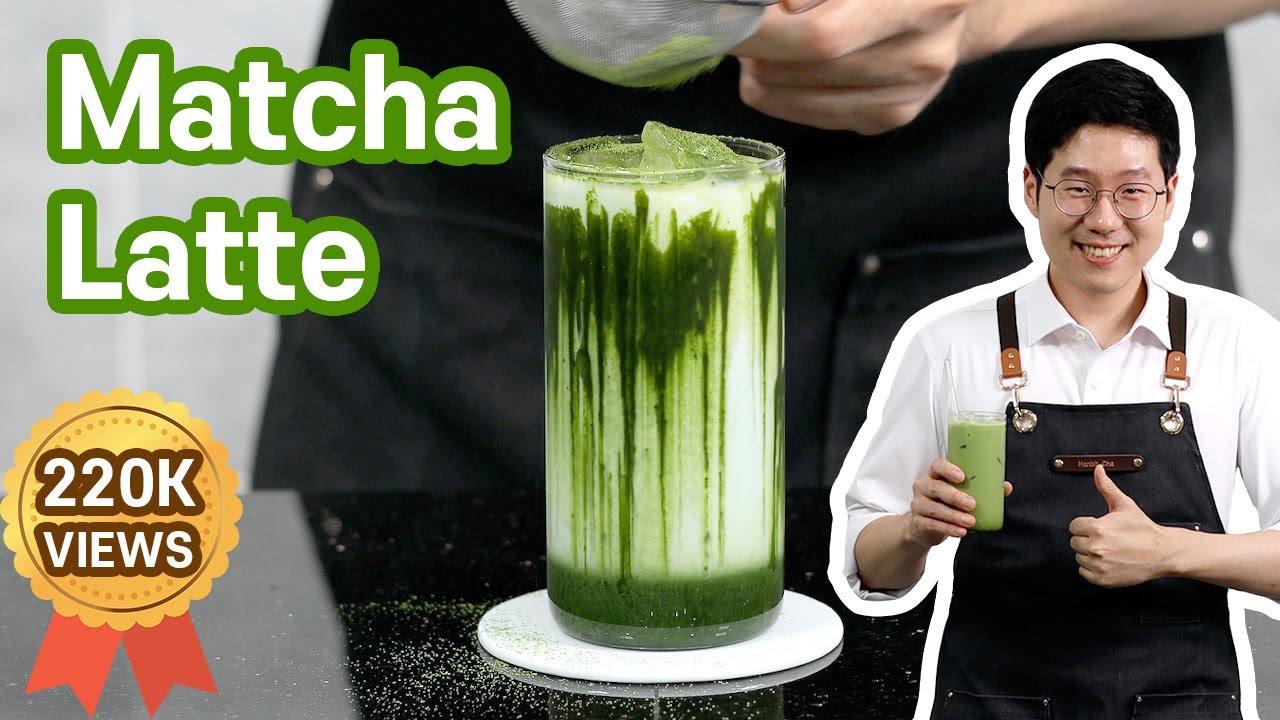
“Most homemade iced matcha lattes are greenish-gray, slightly gritty, and taste like grass clippings. The store version costs six dollars and tastes clean, vivid, and slightly sweet. The gap between those two outcomes is not the matcha — it's the two minutes of technique that happen before any milk or ice enters the equation. We tested every popular method to isolate exactly what separates a stunning latte from a disappointing one.”
Why This Recipe Works
Matcha is one of the most technically unforgiving ingredients in any morning drink ritual, which is remarkable given that the final recipe is three components: powder, water, and milk. The reason most homemade versions fail is not the quality of the matcha — it's the complete absence of technique applied to a powder that demands precision at every step. Understand the physics and chemistry behind the process, and you will never make a bad cup again.
The Emulsification Problem
Matcha powder is hydrophobic. Its fine particles — ground to a mesh size of around 10 microns — resist water in the same way that flour resists incorporating into a sauce without a fat intermediary. When you drop matcha directly into cold milk and stir with a spoon, you are watching hydrophobic particles cluster together to minimize their contact with liquid. The result is a lumpy, gritty, unevenly colored drink where most of the powder either floats on the surface or sinks to the bottom undissolved.
The solution is a chasen bamboo whisk, which is not a piece of artisanal theater — it is the only tool with the geometry to solve this problem. The chasen's 80-120 fine tines create an enormous amount of surface area contact in a very small volume of liquid, rapidly breaking the surface tension that causes clumping and forcing the matcha particles into a stable colloidal suspension. The distinctive M or W whisk motion is equally important: it drives the tines across the entire floor of the chawan bowl, leaving no dry powder pockets undisturbed. A circular motion merely pushes particles around the perimeter. Two minutes of proper whisking technique — applied every single time, without exception — is the entire difference between a café-quality drink and a gritty disappointment.
Water Temperature Is Not Optional
The amino acid L-theanine is what makes high-quality matcha taste sweet rather than bitter. It is also thermally fragile. At temperatures above 175°F, L-theanine and the chlorophyll responsible for matcha's vivid green color begin to degrade rapidly — the same degradation that happens when you overcook green vegetables and they turn from bright green to army drab. At boiling temperature (212°F), you destroy a significant portion of the compounds that make ceremonial-grade matcha worth buying in the first place, leaving behind the bitter tannins that make people assume all matcha is an acquired taste.
The 160-175°F window exists because it's hot enough to fully dissolve the powder and hot enough to denature the surface proteins that cause clumping — but cool enough to preserve the volatile aromatics and amino acids intact. A kitchen thermometer costs less than one bag of ceremonial matcha, and it will save you from destroying every subsequent bag you ever buy.
The Two-Stage Method
Adding matcha directly to cold milk is a structural error, not a stylistic shortcut. Cold liquid lacks the kinetic energy needed to break matcha's hydrophobic surface tension. You must create a warm concentrate first — dissolving the powder in two tablespoons of precisely tempered water — and then introduce that concentrate to the cold environment. The warm concentrate suspends the matcha in solution; the cold milk and ice arrest further degradation of the flavor compounds. These are two separate physical processes, and they must happen in sequence.
This two-stage method also gives you control over sweetness. Stirring your sweetener directly into the warm concentrate fully dissolves it before the cold milk dilutes its effectiveness. Maple syrup added to cold milk pools at the bottom of the glass regardless of how long you stir. The concentrate stage is where all flavor calibration happens — adjust the powder amount, sweetness, and water ratio in that small bowl before committing to the full drink.
Grade Is Not Marketing
The matcha industry has complicated its own messaging, but the ceremonial-versus-culinary distinction is genuinely meaningful for this application. Ceremonial-grade matcha is produced from the youngest, most heavily shaded tea leaves, picked before the plant has converted significant chlorophyll to more bitter compounds. The shading — typically 20-30 days of covered growth before harvest — forces the plant to produce more L-theanine as a stress response, which is precisely what gives good matcha its characteristic umami sweetness. Culinary grade uses later harvests where bitterness is an accepted trade-off because the powder is destined for baked goods where sugar and fat absorb it. Using culinary-grade matcha in a latte is like making a vinaigrette with cooking wine — technically functional, categorically wrong.
Where Beginners Mess This Up
Before we start, read this. These are the 4 reasons your perfect iced matcha latte (stop wasting good powder) will fail:
- 1
Using boiling water to dissolve the matcha: Boiling water (212°F) scorches the delicate catechins and chlorophyll in matcha powder, producing a bitter, dull-colored drink. The correct temperature is 160-175°F — hot enough to fully dissolve the powder but cool enough to preserve the grassy sweetness and vivid green color. This single variable explains most of the bitterness people blame on 'bad matcha.'
- 2
Skipping the whisk and just stirring: Matcha is hydrophobic — it resists water. A spoon cannot break the surface tension that causes clumping. You need a chasen (bamboo whisk) or a small electric frother to create the emulsification that disperses the powder into a smooth, uniform concentrate. Unwhisked matcha produces gritty pockets that sink to the bottom of your glass.
- 3
Adding matcha directly to cold milk: Cold liquid cannot dissolve matcha powder. The particles immediately clump and float on the surface. Always dissolve matcha in a small amount of hot water first to create a concentrate, then pour that concentrate over ice and milk. This two-stage process is non-negotiable.
- 4
Using culinary-grade matcha for drinking: Culinary-grade matcha is designed for baking, where its bitterness is masked by sugar and fat. Ceremonial-grade matcha has a sweeter, more complex flavor profile that stands up on its own in a latte. Using the wrong grade is the single biggest reason homemade matcha tastes inferior to café versions.
The Video Reference Library
Want to see it in action? Here are the exact videos we analyzed and combined to build this foolproof recipe translation:
The clearest walkthrough of the two-stage dissolve technique. Excellent close-ups showing the correct whisk motion and what fully emulsified matcha concentrate should look like before adding milk.
A thorough comparison of culinary versus ceremonial grade matcha side by side, with tasting notes. Useful for understanding why the powder grade makes such a significant flavor difference.
Covers the full spectrum of matcha preparation from traditional to modern iced formats. Good foundational context if you want to understand the source material behind the latte technique.
🛠️ Core Equipment
- Chasen (bamboo matcha whisk)The fine tines create micro-bubbles that emulsify matcha into water without clumping. A standard whisk has too few tines and the wrong geometry. A chasen is a five-dollar investment that transforms the drink.
- Small ceramic matcha bowl or chawanThe wide, shallow shape gives the chasen room to move in the M or W motion needed to properly emulsify the powder. Whisking in a tall glass creates resistance and leaves clumps at the bottom.
- Kitchen thermometerThe difference between 160°F and 212°F is the difference between a sweet, vibrant latte and a bitter disappointment. Until you can eyeball it reliably, measure it.
- Fine-mesh sieveSifting the matcha powder before whisking breaks up any compacted lumps that form in storage. One pass through a fine-mesh sieve adds ten seconds and eliminates the most common source of grittiness.
Perfect Iced Matcha Latte (Stop Wasting Good Powder)
🛒 Ingredients
- ✦1 teaspoon ceremonial-grade matcha powder
- ✦2 tablespoons hot water (160-175°F)
- ✦1 cup oat milk or whole milk
- ✦1 tablespoon maple syrup or simple syrup (adjust to taste)
- ✦1/2 cup ice cubes
- ✦Pinch of sea salt (optional, amplifies sweetness)
👨🍳 Instructions
01Step 1
Sift 1 teaspoon of matcha powder through a fine-mesh sieve into a small bowl or chawan.
02Step 2
Heat water to 160-175°F. If you don't have a thermometer, bring water to a boil and let it sit for 2-3 minutes.
03Step 3
Add the hot water to the sifted matcha. Using a chasen, whisk vigorously in a rapid M or W motion — not circular — for 30-45 seconds until the concentrate is smooth, frothy, and free of visible powder particles.
04Step 4
Fill a tall glass with ice cubes.
05Step 5
Pour your milk over the ice, then add sweetener and a pinch of sea salt if using. Stir briefly to combine.
06Step 6
Pour the matcha concentrate slowly over the back of a spoon held just above the milk surface to create a layered effect.
07Step 7
Serve immediately. Stir before drinking to combine the layers.
Nutrition Per Serving
Estimates based on standard preparation. Adjustments alter macros.
🔄 Substitutions
Instead of Oat milk...
Use Coconut milk (canned, thinned with water)
Richer and creamier than oat milk, with a subtle coconut flavor that pairs well with matcha. Use a 50/50 split of canned coconut milk and water for the right consistency.
Instead of Maple syrup...
Use Honey or agave nectar
Honey adds floral notes that complement matcha's grassiness. Agave is neutral and dissolves cleanly in cold liquid. Avoid granulated sugar — it doesn't dissolve in cold milk.
Instead of Ceremonial-grade matcha...
Use High-quality culinary-grade matcha
Use 25% more powder to compensate for the lower flavor concentration. Expect a slightly more bitter, less sweet result. Add a touch more sweetener to balance.
Instead of Whole milk...
Use Barista-blend oat milk
Barista oat milk is formulated to stay emulsified in cold drinks and creates a creamier mouthfeel than standard oat milk. It's the closest plant-based equivalent to whole milk in this application.
🧊 Storage & Reheating
In the Fridge
The matcha concentrate can be refrigerated in a sealed jar for up to 24 hours. The assembled latte does not store well — ice dilutes and the matcha settles. Build it fresh.
In the Freezer
Freeze matcha concentrate in ice cube trays for up to 1 month. Drop a cube directly into cold milk for an instant latte.
Reheating Rules
This is a cold drink. To convert to a hot latte, dissolve matcha in 6 ounces of 165°F milk using a frother and omit the ice.
❓ Frequently Asked Questions
Why does my matcha taste bitter?
The most likely cause is water that was too hot. Temperatures above 175°F destroy the amino acids (particularly L-theanine) responsible for matcha's sweetness and amplify the bitter tannins. Let boiled water cool for 2-3 minutes before using, or use a kettle with temperature control.
What is the difference between ceremonial and culinary grade matcha?
Ceremonial grade uses the youngest, most shaded tea leaves ground to an ultra-fine powder. It has a naturally sweeter, more complex flavor and vivid green color. Culinary grade uses more mature leaves and is designed for cooking where sweetness and fat mask its bitterness. For drinking, always use ceremonial grade.
Can I use a regular whisk instead of a chasen?
A small electric milk frother works reasonably well. A standard wire whisk has too few contact points to properly emulsify matcha and will leave clumps. A chasen costs around five dollars and lasts years with proper care — it's worth owning if you make matcha more than occasionally.
Why does my matcha sink to the bottom of the glass?
The matcha was not fully emulsified in the hot water before adding it to the cold milk. Properly whisked matcha concentrate stays in suspension because the whisk creates a colloidal mixture. Return to the bowl, add a few drops of hot water, and re-whisk until the concentrate is uniformly frothy.
Is oat milk the best milk for matcha lattes?
Barista-blend oat milk is the most popular choice for texture and neutrality. It doesn't overpower the matcha flavor the way sweetened almond milk can. Full-fat dairy milk produces the creamiest result. The worst choice is low-fat dairy milk — it tastes thin and watery against matcha's intensity.
How much caffeine is in an iced matcha latte?
One teaspoon of matcha contains approximately 70mg of caffeine — roughly the same as a shot of espresso, less than a drip coffee. Matcha's caffeine is released more slowly due to L-theanine binding, which produces sustained alertness without the spike-and-crash pattern of coffee.

The Science of
Perfect Iced Matcha Latte (Stop Wasting Good Powder)
We turned everything on this page into a beautiful, flour-proof PDF cheat sheet. Print it out, stick it to your fridge, and never mess up your perfect iced matcha latte (stop wasting good powder) again.
*We'll email you the high-res PDF instantly. No spam, just perfectly cooked meals.
AlmostChefs Editorial Team
We translate the internet's most popular cooking videos into foolproof, beginner-friendly written recipes. We analyze multiple methods, test them in our kitchen, and engineer a single "Master Recipe" that gives you the best possible result with the least possible stress.