Silky Hummus from Scratch (The Tahini-First Method Changes Everything)
A creamy, restaurant-quality Middle Eastern chickpea dip made with tahini, fresh lemon juice, and garlic — ready in 12 minutes. We reverse-engineered the technique behind impossibly smooth hummus: blend the tahini first, and the texture takes care of itself.
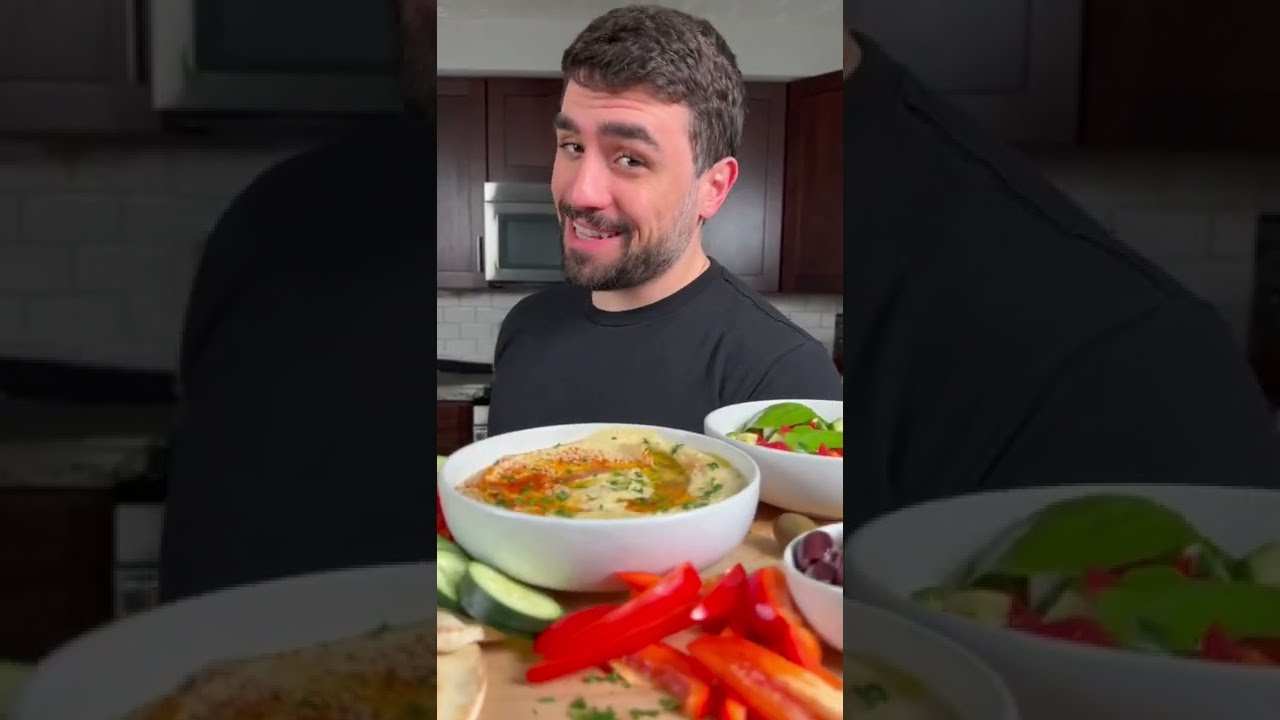
“Most homemade hummus is grainy, heavy, and tastes like it came out of a can anyway. The difference between that and something you'd serve without apologizing for is one technique shift: you blend the tahini and lemon juice before the chickpeas ever touch the bowl. The emulsification that happens in those 60 seconds is what creates the pale, airy, silky base that no amount of extra blending can achieve after the fact.”
Why This Recipe Works
Hummus has the worst reputation among homemade dips: everyone's tried it, almost no one nails it, and the gap between what comes out of your food processor and what the restaurant plates in front of you is wide enough that most people quietly go back to buying the plastic tub. That gap isn't about ingredients. It's about order of operations.
The Tahini-First Principle
The entire texture of this recipe hinges on one step that most recipes bury in a subordinate clause: you blend the tahini and lemon juice before anything else touches the bowl. Sixty seconds alone, high speed. The mixture transforms from an oily, dark paste into something pale, thick, and aerated — closer to whipped cream cheese than condiment. This is emulsification. The lemon juice's water phase is incorporating into the tahini's fat phase, stabilized by the sesame proteins. Once that emulsion is established, it forms the structural matrix that the chickpeas will disperse into. Add chickpeas before building that matrix and you're mixing fat into starch instead of the reverse. The texture you get tells you immediately which order things went in.
The Ice Water Mechanism
Cold water isn't a preference — it's a temperature management tool. A food processor generates friction heat during long blend cycles. Tahini fat has a relatively low melting point, and if the bowl heats up past roughly 70°F internally, the emulsion you built breaks. The fat separates from the water phase, the aeration collapses, and you're back to dense beige paste. Ice water counteracts the heat buildup and also mechanically loosens the texture as it incorporates, giving you that creamy, yielding consistency that makes people lean over the bowl involuntarily.
What Aquafaba Actually Does
The chickpea liquid is not a garnish and it's not a hack. Aquafaba contains a specific mix of proteins — mostly legumins and vicilins — along with soluble starches that function as powerful natural emulsifiers. They bind oil and water at a molecular level more effectively than water alone. Drizzled in at the end while the processor runs, aquafaba essentially re-emulsifies the finished hummus and tightens the texture into something closer to what a high-powered food processor achieves mechanically. It also adds a subtle depth to the chickpea flavor that cold water can't replicate, because it is, functionally, very dilute chickpea stock.
The Spice Geometry
Cumin and smoked paprika do different things here and should be understood as such. The cumin blends into the body of the hummus and contributes earthy warmth that's present in every bite without being identifiable as a distinct note. The smoked paprika goes on top, as a finish — and that placement is intentional. The smoky compounds hit your nose before your mouth, setting up a flavor expectation that the creamy chickpea base then satisfies. Mixing paprika into the blend buries that aromatic signal. Keep it on the surface.
The Garlic Question
Raw garlic is polarizing in hummus. Used at full quantity — three fresh cloves — it produces sharp, almost aggressive heat that overwhelms the tahini and lemon balance. The recipe calls for minced garlic blended from the start, which integrates it through the emulsion and softens its edge compared to leaving it in larger pieces. If your garlic is very fresh or very strong, start with one clove and taste before adding more. This is the most common source of "my hummus is too spicy" complaints, and it's entirely within your control.
Twelve minutes. No cooking. One food processor and a citrus juicer. The technique is everything.
Where Beginners Mess This Up
Before we start, read this. These are the 4 reasons your silky hummus from scratch (the tahini-first method changes everything) will fail:
- 1
Adding the chickpeas first: If you dump everything into the food processor together, the chickpeas overwhelm the tahini before it has a chance to emulsify. The result is dense, starchy, and beige. Tahini and lemon juice need 60 seconds alone to become a pale, whipped base — that step is non-negotiable.
- 2
Using warm or room-temperature water: The ice water serves a specific mechanical purpose: it keeps the fat in the tahini cold enough to maintain the emulsion as the processor heats up from friction. Warm water breaks the emulsion and collapses the texture you just built. Use water cold enough to hurt your hand.
- 3
Under-processing the final blend: Two minutes feels excessive until you taste the difference. Most home cooks stop at 60 seconds when the hummus looks 'done.' It isn't. The chickpea cell walls need sustained mechanical force to fully break down. Stop early and you keep the grainy texture you were trying to escape.
- 4
Skipping the aquafaba finish: The reserved chickpea liquid — aquafaba — is a superior emulsifier that, drizzled in at the end, elevates the texture from smooth to silken. Pouring it out with the can is one of the most common small mistakes in hummus-making.
The Video Reference Library
Want to see it in action? Here are the exact videos we analyzed and combined to build this foolproof recipe translation:
The primary reference for this recipe. Demonstrates the tahini-first method in real time and shows exactly what the pale, whipped emulsion should look like before the chickpeas are added.
🛠️ Core Equipment
- Food processor (not a blender)A high-speed blender is too aggressive and runs too hot — it can heat the tahini fat past its emulsification point. A food processor gives you precise control over texture and keeps friction heat lower during the long blend.
- Rubber spatulaYou will need to scrape down the sides at least twice. Tahini streaks left on the bowl walls won't incorporate, and you'll taste them as bitter pockets in the finished dip.
- Citrus juicerFresh lemon juice behaves differently from bottled. The volatile oils released when you juice a fresh lemon are part of the flavor architecture here. A cheap handheld juicer is sufficient — you just need fresh juice, not convenience.
Silky Hummus from Scratch (The Tahini-First Method Changes Everything)
🛒 Ingredients
- ✦1 (15 oz) can chickpeas, drained and rinsed
- ✦4 tablespoons tahini (sesame paste)
- ✦4 tablespoons freshly squeezed lemon juice
- ✦3 cloves garlic, minced
- ✦3 tablespoons extra virgin olive oil
- ✦3 tablespoons ice water
- ✦3/4 teaspoon fine sea salt
- ✦1/2 teaspoon ground cumin
- ✦1/4 teaspoon smoked paprika
- ✦1/4 teaspoon black pepper
- ✦Pinch of cayenne pepper (optional)
- ✦2 tablespoons reserved chickpea liquid (aquafaba), for finishing
- ✦Extra paprika for garnish
- ✦1 tablespoon toasted pine nuts for garnish (optional)
👨🍳 Instructions
01Step 1
Drain and rinse the canned chickpeas under cold running water for 30 seconds, washing away excess surface starch.
02Step 2
Add the tahini, fresh lemon juice, and minced garlic to a food processor. Blend on high for 60 seconds until the mixture turns pale, thick, and emulsified — it should look almost like whipped cream cheese.
03Step 3
Scrape down the sides of the processor bowl with a rubber spatula. Tahini streaks left on the walls won't incorporate later.
04Step 4
Add the rinsed chickpeas and process on high for 2 minutes, pausing once to scrape the bowl sides again.
05Step 5
With the processor running, drizzle in the ice water one tablespoon at a time. The hummus will loosen and become noticeably creamier as each tablespoon incorporates.
06Step 6
Add the sea salt, ground cumin, black pepper, and smoked paprika. Blend for another 2-3 minutes until the texture resembles thick, whipped sour cream.
07Step 7
Taste and adjust: more lemon juice for brightness, more salt for depth, more cumin for warmth. Blend briefly after each addition.
08Step 8
Transfer the hummus to a serving bowl. Use the back of a spoon to create a shallow well in the center.
09Step 9
Drizzle the reserved aquafaba into the well, then swirl olive oil across the surface in a slow, circular motion.
10Step 10
Dust generously with smoked paprika and scatter toasted pine nuts across the top if using. Serve immediately with warm pita or vegetable crudités.
Nutrition Per Serving
Estimates based on standard preparation. Adjustments alter macros.
🔄 Substitutions
Instead of Tahini (sesame paste)...
Use Sunflower seed butter or pumpkin seed butter
Works for sesame allergies. Slightly earthier flavor profile with marginally less assertiveness. The emulsification step still functions — just blend as directed.
Instead of Extra virgin olive oil...
Use Avocado oil or walnut oil
Avocado oil adds subtle buttery notes and has a higher smoke point (less relevant here since there's no heat). Walnut oil contributes delicate earthiness and anti-inflammatory omega-3s.
Instead of Canned chickpeas...
Use Dried chickpeas cooked from scratch with a strip of kombu seaweed
Produces richer chickpea flavor and often creamier texture when properly cooked. Significantly lower sodium when you control the salt. The kombu aids mineral absorption and reduces the digestive heaviness some people experience from legumes.
Instead of Ground cumin...
Use Ground caraway seeds or fennel powder
More delicate and slightly sweet, replacing cumin's earthiness. Caraway and fennel both support digestion and reduce bloating — a meaningful upgrade if you're serving this as a gut-health focused dish.
🧊 Storage & Reheating
In the Fridge
Store in an airtight container for up to 5 days. Press plastic wrap directly onto the surface before sealing to prevent oxidation and the grey skin that forms on exposed hummus.
In the Freezer
Freeze in portions for up to 3 months. Thaw overnight in the refrigerator and stir well before serving — some separation is normal and corrects with mixing.
Reheating Rules
Hummus is best served at room temperature, not reheated. Pull from the fridge 20-30 minutes before serving and stir in a splash of cold water if the texture has tightened.
❓ Frequently Asked Questions
Why is my homemade hummus grainy instead of smooth?
Two likely causes: you added the chickpeas before emulsifying the tahini, or you didn't process long enough. The tahini-and-lemon step must come first, and the total blend time after adding chickpeas should be at least 2 full minutes. Most people stop too early.
Do I need to peel the chickpeas?
No, but it helps. The thin skins on canned chickpeas are the primary source of residual texture after blending. If you want truly silky hummus without a $500 food processor, peeling them first is the shortcut. Pinch each chickpea between your thumb and forefinger and the skin slips off.
Can I make this without a food processor?
Technically yes, with a high-powered blender, but the result will be slightly different. Blenders run hotter than food processors due to blade speed, which can affect the tahini emulsion. If using a blender, work in short bursts and let it cool between runs. A potato masher produces rustic, chunky hummus — not the same dish.
Why does my hummus taste bitter?
Almost certainly the garlic. Raw garlic straight into hummus can turn sharp and medicinal, especially if your cloves are older. Try using one clove instead of three, or roast all three cloves first. Alternatively, mince the garlic and let it sit in the lemon juice for 10 minutes before blending — the acid mellows the bite.
What's the aquafaba actually doing?
Aquafaba — the liquid from canned chickpeas — contains proteins and starches that function as an emulsifier. Drizzled in at the end, it binds the oil and water components together at a molecular level, creating a silkier, more cohesive texture than water alone produces. It also subtly reinforces the chickpea flavor.
How do I get the olive oil swirl to look right?
The hummus surface needs to be slightly concave — that's the shallow well you create with the spoon. Pour the olive oil slowly from the center outward in a spiral. If the hummus is too cold and stiff, the oil just pools; let it come to room temperature for 15 minutes first.
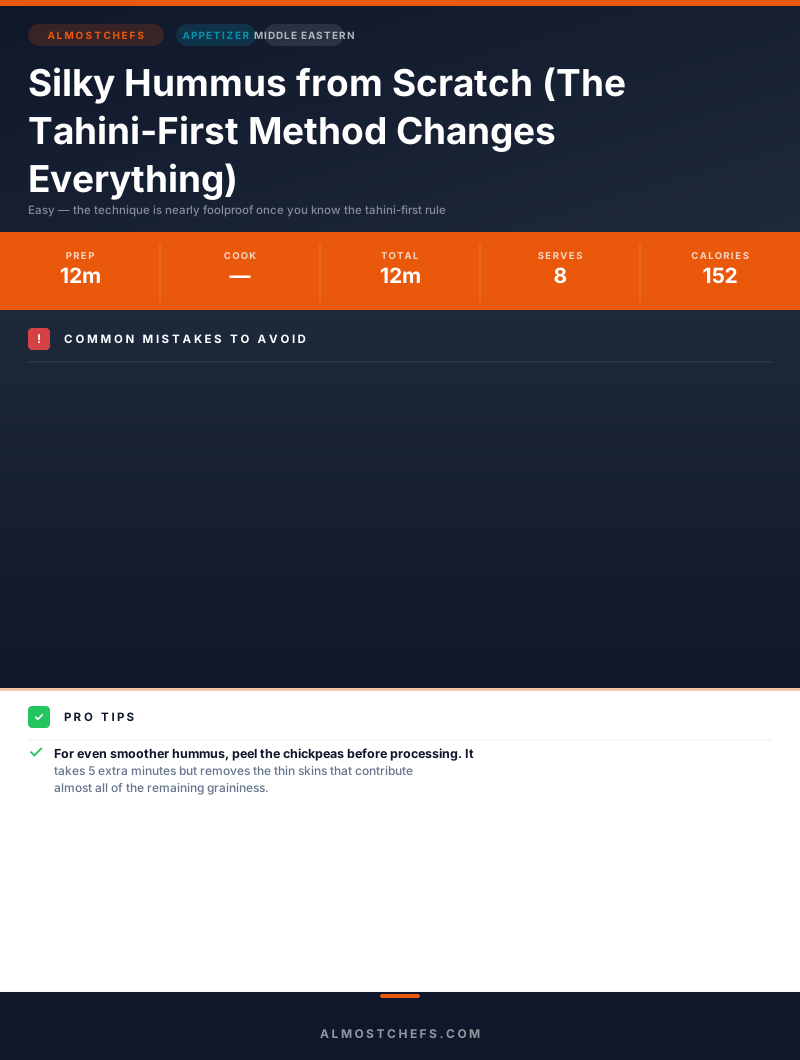
The Science of
Silky Hummus from Scratch (The Tahini-First Method Changes Everything)
We turned everything on this page into a beautiful, flour-proof PDF cheat sheet. Print it out, stick it to your fridge, and never mess up your silky hummus from scratch (the tahini-first method changes everything) again.
*We'll email you the high-res PDF instantly. No spam, just perfectly cooked meals.
AlmostChefs Editorial Team
We translate the internet's most popular cooking videos into foolproof, beginner-friendly written recipes. We analyze multiple methods, test them in our kitchen, and engineer a single "Master Recipe" that gives you the best possible result with the least possible stress.