Proper Homemade Hot Chocolate (No Packets, No Apologies)
Real hot chocolate built from unsweetened cocoa powder and chopped dark chocolate — not a foil packet. We break down the cocoa paste technique, the spice architecture, and the one step that prevents gritty, separated hot chocolate every single time.
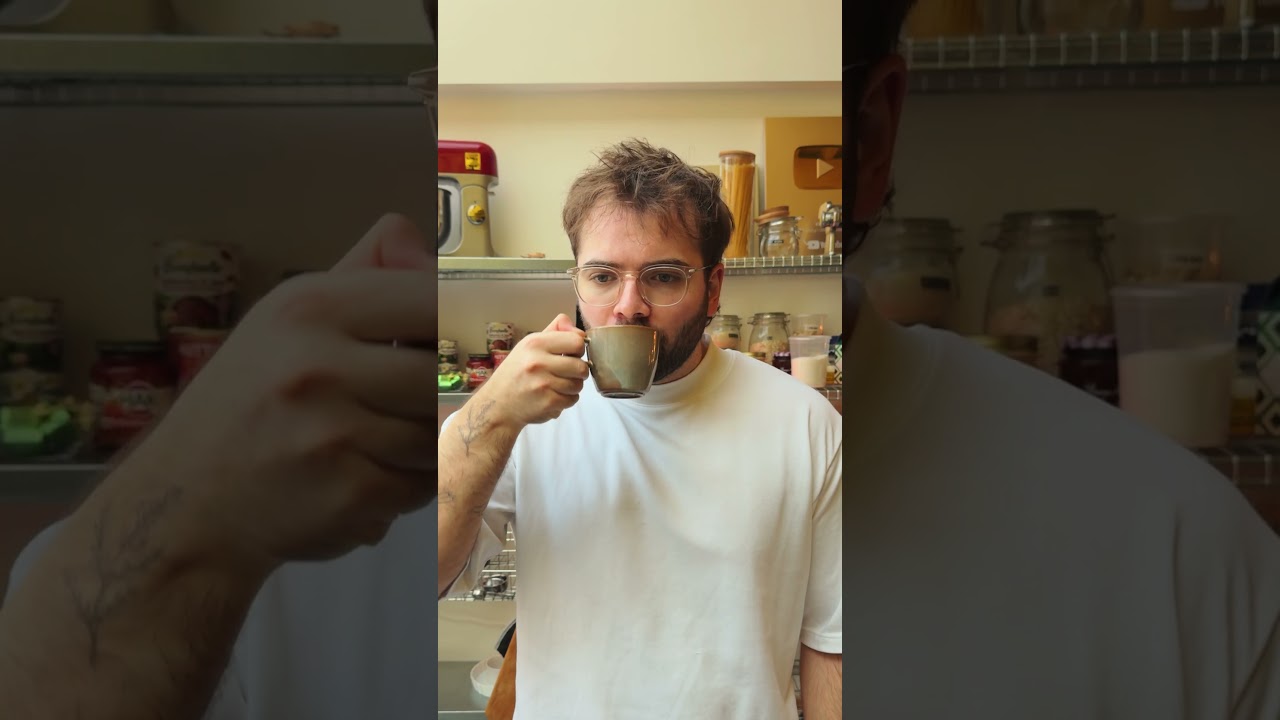
“Hot chocolate from a packet is hot brown sugar water. It coats your mouth and disappears. Real hot chocolate — built from unsweetened cocoa, chopped dark chocolate, and a cocoa paste base — has body, bitterness, and warmth that stays with you. The difference in preparation time is about six minutes. The difference in result is not subtle.”
Why This Recipe Works
Hot chocolate is an engineering problem disguised as a comfort drink. The goal is a smooth, glossy, deeply flavored beverage with no grit, no skin, no separation — and the window between undercooked and scorched is narrower than most people expect. This recipe solves it with two techniques that most home cooks skip entirely.
The Cocoa Paste
Unsweetened cocoa powder is hydrophobic in its dry state. Drop it into milk and it will float, cluster, and settle at the bottom as a gritty sludge no matter how long you whisk. The fix is a cocoa paste: combine the cocoa with hot water — minimum 170°F — before it ever touches the milk. Hot water forces full hydration of the cocoa particles, suspending them in a dense, smooth paste that disperses instantly when added to warm milk.
This is the same principle behind blooming spices in fat or dissolving cornstarch in cold water before adding it to a sauce. You pre-treat the ingredient to remove the structural barrier that would otherwise make it resist incorporation. Skip this step and you will be chasing lumps for the entire cooking time. Do it first, and the rest of the recipe is just stirring.
Two Chocolates, One Purpose
Using both cocoa powder and chopped dark chocolate is not redundancy — it's complementarity. Cocoa powder provides intense, clean chocolate flavor and deep color. Dark chocolate provides fat, body, and a long finish that lingers on the palate. Used alone, cocoa powder produces a thin drink. Dark chocolate alone produces richness without depth. Together, they build a complete flavor profile: bright on entry, round in the middle, warm at the finish.
Use dark chocolate at 70% cacao or higher. Below that threshold, the added sugar starts crowding out the chocolate flavor and you're back to a drink that tastes like a packet. The honey in this recipe provides all the sweetness you need — the chocolate should be working, not sweetening.
The Spice Architecture
Cinnamon and cayenne are not garnishes. They are structural. Cinnamon binds to the same receptors as chocolate flavor compounds and amplifies the perception of chocolatiness — this is why Mexican hot chocolate has tasted superior for centuries. Cayenne, at a pinch level, creates capsaicin warmth that travels from your throat to your chest and makes the chocolate feel richer than it is. Neither spice should be identifiable as itself in the final drink. If you can taste cinnamon distinctly, you used too much.
Salt closes the loop. A quarter teaspoon in four cups of liquid is below your detection threshold for saltiness but above the threshold for bitterness suppression. Remove it and the dark chocolate reads sharp and slightly harsh. Keep it and the chocolate rounds out and deepens.
Temperature Is Everything
The difference between 180°F and 212°F is the difference between velvety hot chocolate and a flat, slightly cooked milk drink with a rubbery skin. Use a heavy-bottomed saucepan and stay at the stove. The moment you see a ring of small bubbles forming at the edges and steady steam rising from the surface, you are done. Pull the pot immediately. Let it rest one minute before pouring.
A instant-read thermometer removes all ambiguity from this step. Pull at 180°F every time, and you will never produce scorched hot chocolate again. It takes three seconds to check and eliminates the one failure mode that ruins an otherwise perfect drink.
This is thirteen minutes of active cooking. There is no technique here that requires skill — only attention. Pay attention at the paste step, pay attention at the temperature, and the drink takes care of itself.
Where Beginners Mess This Up
Before we start, read this. These are the 4 reasons your proper homemade hot chocolate (no packets, no apologies) will fail:
- 1
Adding dry cocoa powder directly to cold milk: Dry cocoa powder does not disperse in liquid. It clumps, sits on the surface, and produces a gritty drink with uneven chocolate flavor. You must first combine the cocoa with hot water to form a paste — this fully hydrates the powder and suspends it before it ever touches the milk.
- 2
Boiling the milk: Vigorous boiling scalds the milk proteins, creating a thin skin on the surface and a slightly cooked, flat flavor. You want small bubbles at the edges and steam rising — that's 180°F, the perfect drinking temperature. The moment it starts rolling, the damage is done.
- 3
Using pre-sweetened chocolate or cocoa mixes: Pre-sweetened chocolate controls your final sugar level for you, badly. Use unsweetened cocoa powder and dark chocolate (70% or higher) so you control the ratio of bitter to sweet. Packets remove your agency and give you a drink calibrated to the lowest common denominator.
- 4
Skipping the salt: Salt does not make hot chocolate taste salty. It suppresses bitterness and amplifies the chocolate flavor across every sip. A quarter teaspoon of sea salt in four cups of liquid is functionally invisible but structurally essential.
The Video Reference Library
Want to see it in action? Here are the exact videos we analyzed and combined to build this foolproof recipe translation:
The source video that informed this recipe's cocoa paste technique and spice layering approach. Clear demonstration of target temperature and texture before pulling from heat.
🛠️ Core Equipment
- Medium heavy-bottomed saucepanEven heat distribution prevents scorching on the bottom while you're focused on whisking. Thin pans create hot spots that cook the milk unevenly.
- Small whiskFor forming the cocoa paste and for incorporating it smoothly into the warm milk. A spoon will leave lumps. A whisk will not.
- Instant-read thermometerTakes the guesswork out of 'don't boil.' Pull the pot at 180°F and you will never scald milk again. Optional but eliminates the most common failure point.
Proper Homemade Hot Chocolate (No Packets, No Apologies)
🛒 Ingredients
- ✦2 cups whole milk
- ✦1 cup unsweetened almond milk
- ✦3 tablespoons unsweetened cocoa powder
- ✦2 ounces dark chocolate (70% or higher), finely chopped
- ✦2 tablespoons natural honey
- ✦1 teaspoon vanilla extract
- ✦1/4 teaspoon sea salt
- ✦1/4 teaspoon ground cinnamon
- ✦Pinch of cayenne pepper
- ✦2 tablespoons hot water
- ✦Whipped cream for topping, optional
- ✦Mini marshmallows for garnish, optional
👨🍳 Instructions
01Step 1
Combine the cocoa powder with 2 tablespoons of hot water in a small bowl. Whisk vigorously until a completely smooth paste forms with no dry clumps.
02Step 2
Pour both the whole milk and almond milk into a medium saucepan over medium-high heat.
03Step 3
Add the finely chopped dark chocolate to the warming milk. Stir constantly until completely melted, about 3 minutes.
04Step 4
Add the cocoa paste to the saucepan and whisk thoroughly to incorporate it fully.
05Step 5
Stir in the honey, vanilla extract, sea salt, cinnamon, and cayenne pepper until evenly distributed.
06Step 6
Continue heating, stirring frequently, until small bubbles form at the edges and steam rises steadily from the surface. Do not allow it to boil.
07Step 7
Remove from heat and rest for 1 minute.
08Step 8
Pour into four mugs and top with whipped cream, marshmallows, or a dusting of cinnamon. Serve immediately.
Nutrition Per Serving
Estimates based on standard preparation. Adjustments alter macros.
🔄 Substitutions
Instead of Whole milk...
Use Coconut milk or oat milk
Equally creamy with a different character. Full-fat coconut milk produces a richer, slightly tropical result. Oat milk is the most neutral non-dairy swap and froths well if you want a topped version.
Instead of Natural honey...
Use Maple syrup or monk fruit sweetener
Maple syrup has a lower glycemic index and adds an earthy warmth that complements dark chocolate well. Monk fruit sweetener has zero blood sugar impact with minimal aftertaste — adjust quantity to taste as it is significantly sweeter than honey by volume.
Instead of Unsweetened cocoa powder...
Use Raw cacao powder
Slightly more bitter with a more complex, less processed chocolate flavor. Retains more antioxidants. Use the same quantity — the paste technique remains identical.
Instead of Ground cinnamon...
Use Ceylon cinnamon or turmeric
Ceylon cinnamon has a lighter, more floral flavor than standard Cassia cinnamon. Turmeric adds earthy warmth and golden color — use half the quantity and pair it with a tiny pinch of black pepper to activate the curcumin.
🧊 Storage & Reheating
In the Fridge
Store cooled leftovers in a sealed jar or container for up to 3 days. The drink will thicken as it chills — this is normal.
In the Freezer
Not recommended. Milk-based drinks separate and turn grainy when frozen and thawed.
Reheating Rules
Reheat gently over low heat in a small saucepan, whisking constantly as it warms. Do not microwave — uneven heat creates scorched spots and the top layer heats while the bottom stays cold. Two minutes on the stovetop produces a better result every time.
❓ Frequently Asked Questions
Why does my hot chocolate taste gritty?
You added dry cocoa powder directly to the milk without forming a paste first. Cocoa powder does not dissolve in liquid — it must be hydrated with hot water first. Make the paste, then add it to the warm milk, and the grittiness disappears entirely.
What's the difference between hot cocoa and hot chocolate?
Hot cocoa is made with only cocoa powder. Hot chocolate uses actual chopped chocolate — or a combination of both, which is what this recipe does. The combination gives you the deep color and clean flavor of cocoa powder plus the body and richness of melted chocolate.
Can I make this dairy-free?
Yes. Replace the whole milk with full-fat coconut milk and the almond milk with oat milk. The result is slightly richer in fat, equally creamy, and completely dairy-free. Use maple syrup or monk fruit sweetener in place of honey if you're also avoiding animal products.
Why add cayenne to hot chocolate?
Cayenne does not add spice — at a pinch level, it adds a low background warmth that makes the chocolate flavor feel deeper and more complex. This is the technique behind Mexican hot chocolate, which has been doing it for centuries. Try it once before deciding it's not for you.
Can I make a big batch ahead of time?
Yes. Scale the recipe up and refrigerate in a sealed container for up to 3 days. Reheat individual portions in a small saucepan over low heat, whisking until smooth and steaming. The flavor actually deepens after a day in the fridge.
Why shouldn't I boil the milk?
Boiling denatures the milk proteins and creates a flat, slightly cooked flavor. It also causes the milk to foam and overflow if you're not watching carefully. The target is 180°F — small bubbles at the edges, steady steam. That is a drinkable temperature and a flavor that has not been damaged by excessive heat.
The Science of
Proper Homemade Hot Chocolate (No Packets, No Apologies)
We turned everything on this page into a beautiful, flour-proof PDF cheat sheet. Print it out, stick it to your fridge, and never mess up your proper homemade hot chocolate (no packets, no apologies) again.
*We'll email you the high-res PDF instantly. No spam, just perfectly cooked meals.
AlmostChefs Editorial Team
We translate the internet's most popular cooking videos into foolproof, beginner-friendly written recipes. We analyze multiple methods, test them in our kitchen, and engineer a single "Master Recipe" that gives you the best possible result with the least possible stress.