Homemade Horchata (The Creamy Mexican Classic You've Been Missing)
A silky, cinnamon-kissed Mexican rice milk drink made with soaked rice, blanched almonds, and coconut milk. We broke down the most popular homemade methods to build one foolproof technique that nails the texture and sweetness every time — vegan, gluten-free, and better than any restaurant version.
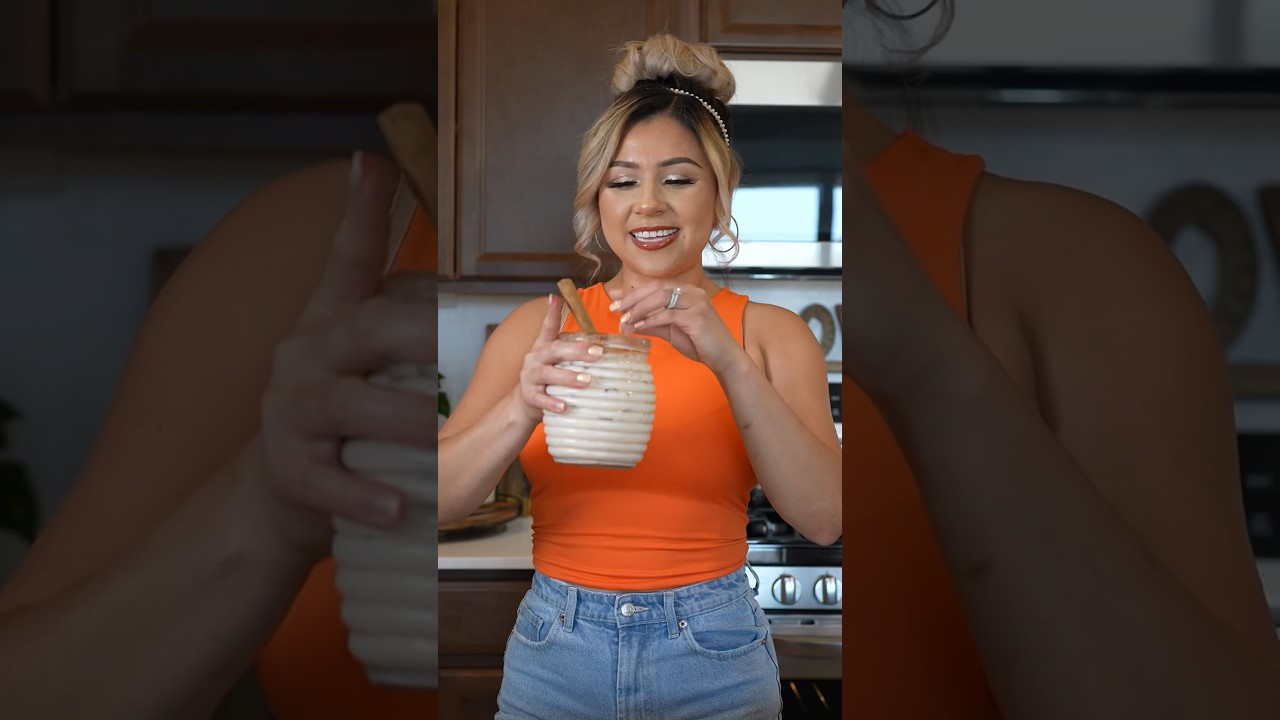
“Most horchata fails before the blender even turns on. The soak is the entire foundation — under-soaked rice produces gritty, chalky liquid that no amount of straining can fix. Get the soak right, strain properly, and what comes out is a drink so smooth it barely needs sweetener. We tested the method so you don't have to guess.”
Why This Recipe Works
Horchata is not complicated. It is, however, deeply misunderstood — and that misunderstanding almost always starts at the soak. Most rushed versions skip straight to the blender with barely-softened rice, then wonder why the result tastes like diluted breakfast cereal. The soak is not a suggestion. It is the entire foundation of the drink.
The Soak Does the Work
Long-grain white rice is dense. Raw almonds are denser. Without an extended soak in cold water, neither breaks down fully in a consumer blender — regardless of how powerful that blender claims to be. What you get from a two-hour minimum soak (and an overnight soak is what you actually want) is rice and almonds that have absorbed enough water to surrender their starches and fats to the blending process, producing a uniformly smooth liquid rather than a suspension of partially-ground particles.
The soaking water itself is discarded. This is counterintuitive — it looks like you're throwing away flavor — but that murky liquid contains the compounds responsible for the flat, starchy taste that plagues homemade horchata. Fresh water goes into the blender with the drained solids, and the result is cleaner and brighter.
Two-Stage Straining
A fine-mesh strainer alone catches the visible solids. It does not catch the fine rice flour that floats right through the mesh and settles at the bottom of your glass. This is the grit that makes you wonder if the blender malfunctioned. The fix is cheesecloth — one layer, laid into the strainer before you pour. The combination removes everything that doesn't belong in a drink.
Press gently when extracting the liquid. The temptation is to squeeze hard to maximize yield, but aggressive pressing forces fine particles through the cheesecloth and undoes everything you just accomplished. Gentle pressure, patience, let gravity do most of the work.
The Coconut Milk Decision
Traditional horchata uses only rice, almonds, and water. This version adds coconut milk, and the reasoning is textural rather than flavor-driven. The fat content in coconut milk gives the finished drink its body — that creamy mouthfeel that makes horchata feel like a beverage worth making from scratch. Without it, even a perfectly soaked and strained horchata can taste thin and watery.
A high-powered blender handles the second blend — the one that incorporates the coconut milk, maple syrup, and spices — in thirty seconds. The cinnamon stick goes in whole during this stage because it releases flavor into the liquid without leaving behind any fibrous solids. It comes out before chilling.
Cold Mutes Everything
Chilling is not optional. Neither is re-tasting after chilling. The horchata that tastes perfectly sweet and spiced at room temperature will taste flat and under-seasoned after an hour in the refrigerator — cold suppresses sweetness and mutes volatile aromatic compounds. This is not a flaw in the recipe. It's basic food science. Always taste the chilled drink and adjust sweetness before serving.
The lime juice goes in after straining and before chilling. Its job is brightness — it cuts through the richness of the coconut milk and keeps the drink from feeling heavy. It's not there to make horchata taste like limeade. Two tablespoons in four servings is a background note, not a feature.
Stir before every pour. This is the one rule that home cooks ignore and then blame on the recipe when their last glass tastes like sweetened water. Horchata separates. That's what it does. The pitcher needs a vigorous stir every single time.
Where Beginners Mess This Up
Before we start, read this. These are the 4 reasons your homemade horchata (the creamy mexican classic you've been missing) will fail:
- 1
Not soaking long enough: Two hours is the absolute minimum. Overnight is correct. Unsoaked or under-soaked rice and almonds don't break down fully in the blender — you get a sandy, starchy liquid that tastes like cold rice water instead of the smooth, creamy drink you're after. There is no shortcut here.
- 2
Skipping the cheesecloth: A fine-mesh strainer alone leaves behind gritty rice solids that settle at the bottom and ruin the mouthfeel. Lining the strainer with cheesecloth removes those fine particles and gives you the silky, opaque texture that defines good horchata. Do not skip this step.
- 3
Adding lime juice before chilling: Acid added to warm or room-temperature horchata can cause the coconut milk to curdle slightly, leaving unpleasant flecks floating in the drink. Stir in the lime juice after straining, then chill. The brightness holds perfectly and the texture stays clean.
- 4
Serving without stirring: Horchata separates. The rice solids and coconut milk settle within minutes of pouring. Always stir — don't just pour and hand it over. A quick stir before each serving brings the drink back together and ensures a consistent flavor from first sip to last.
The Video Reference Library
Want to see it in action? Here are the exact videos we analyzed and combined to build this foolproof recipe translation:
Detailed walkthrough of the soak, blend, and strain technique with clear close-ups on texture at each stage. Best reference for understanding what properly soaked rice and almonds look like before blending.
🛠️ Core Equipment
- High-powered blenderThe blender is doing the heavy lifting that the soak started. A weak blender leaves the rice and almonds partially intact, producing gritty liquid. A high-powered model breaks everything down completely in 2-3 minutes, maximizing yield from the straining step.
- Fine-mesh strainer lined with cheeseclothTwo-stage filtration. The strainer catches the bulk solids; the cheesecloth catches the fine particles that would otherwise make the finished drink feel grainy. Press gently — don't force the solids through.
- Large glass pitcherHorchata needs to chill for at least an hour before serving. A wide-mouth pitcher allows you to stir easily without spilling and makes pouring over ice clean and controlled.
Homemade Horchata (The Creamy Mexican Classic You've Been Missing)
🛒 Ingredients
- ✦1 cup long-grain white rice, uncooked
- ✦1/2 cup raw blanched almonds
- ✦5 cups filtered water, divided
- ✦1/4 cup unsweetened coconut milk
- ✦1/4 cup pure maple syrup
- ✦1 teaspoon pure vanilla extract
- ✦1 cinnamon stick (3-inch piece)
- ✦1/4 teaspoon ground nutmeg
- ✦1/4 teaspoon sea salt
- ✦2 tablespoons fresh lime juice
- ✦Ice cubes for serving
- ✦Ground cinnamon for garnish
👨🍳 Instructions
01Step 1
Combine the rice and almonds in a large bowl. Cover with 2 cups of filtered water and soak at room temperature for at least 2 hours, or overnight.
02Step 2
Drain the soaked rice and almonds thoroughly, discarding the soaking liquid entirely.
03Step 3
Transfer the drained rice and almonds to a high-powered blender with the remaining 3 cups of fresh filtered water. Blend on high for 2-3 minutes until smooth and milky.
04Step 4
Set a fine-mesh strainer lined with cheesecloth over a large bowl. Pour the blended mixture through slowly, pressing gently to extract all the liquid. Discard the solids.
05Step 5
Return the strained liquid to the blender. Add the coconut milk, maple syrup, vanilla extract, cinnamon stick, nutmeg, and sea salt. Blend on medium for 30 seconds until fully combined.
06Step 6
Remove the cinnamon stick. Stir in the fresh lime juice.
07Step 7
Transfer to a pitcher and refrigerate for at least 1 hour until thoroughly chilled.
08Step 8
Stir well before serving. Pour into tall glasses over ice. Dust each glass with a pinch of ground cinnamon.
Nutrition Per Serving
Estimates based on standard preparation. Adjustments alter macros.
🔄 Substitutions
Instead of White rice...
Use Brown rice
Earthier, nuttier flavor. Requires a longer soak — at least 4 hours, preferably overnight. Slightly higher fiber content and more nutritional value. Texture remains creamy.
Instead of Blanched almonds...
Use Raw cashews or macadamia nuts
Cashews produce a thicker, more buttery horchata. Macadamia nuts add richness and monounsaturated fats. Both blend more completely than almonds, which can sometimes leave faint graininess.
Instead of Maple syrup...
Use Monk fruit sweetener or coconut sugar
Monk fruit eliminates added sugars entirely with no aftertaste — ideal for blood sugar management. Coconut sugar adds subtle caramel notes and has a lower glycemic index than refined sugar.
Instead of Coconut milk...
Use Oat milk or cashew cream
Oat milk produces a lighter, more delicate drink. Cashew cream maintains the richness without the distinct coconut flavor. Both keep the recipe vegan and gluten-free.
🧊 Storage & Reheating
In the Fridge
Store in a sealed pitcher or airtight container for up to 4 days. Stir vigorously before each serving — separation is normal.
In the Freezer
Freeze in ice cube trays for up to 1 month. Blend the frozen cubes directly for a slushy horchata that requires no additional ice.
Reheating Rules
Not applicable — horchata is served cold. If it warms to room temperature, return it to the fridge for 30 minutes before serving over fresh ice.
❓ Frequently Asked Questions
Why is my horchata gritty?
Two possible causes: under-soaking or under-straining. The rice and almonds need to soak until fully softened — at least 2 hours, ideally overnight. After blending, strain through a fine-mesh sieve lined with cheesecloth. A strainer alone won't catch the fine rice particles that create grittiness.
Can I skip the almonds?
You can, but you'll lose significant body and creaminess. The almonds contribute fat and protein that give horchata its characteristic richness. Without them, you're essentially making rice water. If you need a nut-free version, add an extra 2 tablespoons of coconut milk to compensate.
Why does my horchata taste bland after chilling?
Cold suppresses sweetness and mutes spice. Always taste and adjust after chilling — not before. Add maple syrup in small increments and stir thoroughly between additions. A pinch more cinnamon and a splash more vanilla also help.
Is horchata the same as rice milk?
Similar process, different product. Rice milk uses only rice and water with minimal soaking and no additional fat source. Horchata adds nuts, spices, and often a dairy or plant-based fat component, which is why it's richer and more complex than commercial rice milk.
Can I make this without a high-powered blender?
A standard blender will work but requires a longer blend time — 4-5 minutes instead of 2-3 — and you'll need to be more diligent about straining. Extend the soak time to overnight to compensate for the blender's reduced power. The result will be slightly less smooth but still good.
How long does homemade horchata keep?
Four days refrigerated in a sealed container. Unlike commercial horchata, homemade has no preservatives, so it begins to sour around day 5. Smell before serving on day 4 — it should smell clean and faintly sweet, not fermented.
The Science of
Homemade Horchata (The Creamy Mexican Classic You've Been Missing)
We turned everything on this page into a beautiful, flour-proof PDF cheat sheet. Print it out, stick it to your fridge, and never mess up your homemade horchata (the creamy mexican classic you've been missing) again.
*We'll email you the high-res PDF instantly. No spam, just perfectly cooked meals.
AlmostChefs Editorial Team
We translate the internet's most popular cooking videos into foolproof, beginner-friendly written recipes. We analyze multiple methods, test them in our kitchen, and engineer a single "Master Recipe" that gives you the best possible result with the least possible stress.