Foolproof Honey-Glazed Ham (The Sticky, Caramelized Finish You've Been Chasing)
A bone-in ham lacquered with a deeply reduced honey-mustard glaze, scored to let the sugar penetrate, and roasted low then finished hot for a shell that cracks when you slice it. We broke down the most-watched YouTube methods to build one technique that eliminates dry meat and burnt glaze for good.

“Every year, millions of hams go into the oven and come out the same way: dry on the inside, pale on the outside, with a glaze that either burned in the first 20 minutes or slid straight off into the pan. The gap between a forgettable holiday ham and a lacquered centerpiece that gets talked about after the meal comes down to three decisions: how deep you score the skin, how many times you apply the glaze, and whether you finish at high heat or low. We tested the most-watched methods to find the one that delivers every time.”
Why This Recipe Works
Honey-glazed ham has a reputation as the no-effort holiday centerpiece — something you pull from the refrigerator, cover in bottled glaze, and slide into the oven while you attend to more complicated dishes. That reputation is why so many of them land on the table dry, pale, and forgettable. The truth is that ham rewards precision far more than it rewards improvisation, and the techniques that produce a lacquered, caramelized exterior with genuinely juicy interior meat are neither difficult nor time-consuming. They just require understanding what's actually happening inside the oven.
The Score Is Structural
Most cooks score the ham because the recipe says to. What the recipe rarely explains is why, and the omission matters. The diamond pattern of cuts through the rind and fat layer isn't decorative — it's a delivery system. Fat is hydrophobic, meaning liquid glaze applied to an unscored surface simply beads up and runs off. The score channels break the surface tension, giving the glaze a path to migrate inward as it heats. Each channel fills, bubbles, and caramelizes from the inside out, building color and flavor that reaches into the meat rather than sitting on top of it.
The depth of the score determines everything. A shallow score — one that only marks the surface — does almost nothing. You need the blade to travel half an inch into the fat layer to create genuine channels. Use a sharp chef's knife and don't hesitate. The fat layer on a bone-in ham is thick enough that you're in no danger of cutting into the meat on your first attempt.
Temperature Management Is the Whole Game
Ham is sold pre-cooked and technically only needs to reach 140°F — but how you get there determines the texture. Starting cold from the refrigerator produces uneven heat distribution, with the exterior climbing quickly while the interior near the bone lags behind. That lag means the outer layers overcook while you wait for the center to catch up. A one-hour rest at room temperature before the oven solves this entirely, and it costs nothing but time you'd be spending prepping anyway.
The two-temperature roasting method — low and slow covered, then uncovered with escalating heat and glaze — addresses the fundamental tension in glazed meats: sugar burns before protein finishes cooking. By keeping the ham covered and glazeless until it reaches 120°F, you give the interior a head start. The glaze enters a race it can win because it only has 20°F of climbing left to do when the real heat kicks in. The roasting pan with rack matters here — air circulating underneath the ham means the bottom rind caramelizes rather than steaming into a soft, pale layer.
Why the Glaze Needs Multiple Coats
The temptation is to apply one thick coat and step back. Resist it. A single thick application of honey glaze does two things: it burns on the raised portions of the score pattern while barely reaching the recessed channels, and it creates a surface so saturated with sugar that when the temperature increases, the outer layer chars before the interior sugar can set. Three or four thin coats, applied fifteen minutes apart, build a structure. Each layer reduces onto the surface, loses moisture, and bonds to the layer beneath it. The cumulative result is a shell — rigid when cool, crackled when sliced — that no single application can produce.
The final high-heat blast at 425°F is where that shell forms. Below 375°F, honey caramelizes slowly and remains tacky. At 425°F, the surface temperature of the ham climbs high enough to trigger deep Maillard browning — the same reaction that gives seared meat its crust — and the fructose in the honey crosses into actual caramelization territory. Ten minutes at high heat does what two hours at low heat cannot. Watch it closely with the instant-read thermometer at hand, because the window between perfect and burnt is genuinely narrow.
The Resting Imperative
Cutting into the ham immediately after pulling it from the oven is the single most common way to destroy the work you just put in. During roasting, the muscle fibers contract and force moisture toward the center of the meat. When you cut too soon, that liquid — every bit of the flavor and succulence you built over two and a half hours — runs out onto the cutting board and is gone. Twenty minutes of tented rest allows the fibers to relax, the liquid to redistribute, and the glaze shell to set into something that slices cleanly rather than smearing. It is not optional. The ham is not done when the thermometer reads 140°F. It's done twenty minutes after that.
Where Beginners Mess This Up
Before we start, read this. These are the 4 reasons your foolproof honey-glazed ham (the sticky, caramelized finish you've been chasing) will fail:
- 1
Shallow scoring that doesn't reach the fat: Scoring only the surface skin does nothing. The knife needs to cut through the rind and into the fat layer — about half an inch deep in a diamond pattern. The score channels are what allow the glaze to migrate inward and caramelize against the meat rather than pooling on the surface and burning into a bitter crust.
- 2
Applying all the glaze at once: A single thick coat of glaze early in the cook burns before the ham reaches temperature. The correct method is three to four thin applications in the final 45 minutes, each coat building on the last. Every layer reduces and adheres, and the cumulative effect is a deeply colored, sticky lacquer that doesn't crack or peel when sliced.
- 3
Skipping the resting liquid in the pan: Ham roasted on a dry rack in an empty pan loses surface moisture within the first 30 minutes. Adding apple juice or cider to the roasting pan creates a humid environment that keeps the exterior from drying out before the glaze even has a chance to set. The steam isn't visible, but the result absolutely is.
- 4
Skipping the high-heat finish: The Maillard reaction — the browning that produces complex, roasted flavor — doesn't happen at 325°F. It needs a 425°F blast in the final 10 minutes to drive the sugars in the glaze past caramelization into that crackled, amber shell. Skip this step and you have a pale, sweet ham. Do it right and you have something people fight over the slices from.
The Video Reference Library
Want to see it in action? Here are the exact videos we analyzed and combined to build this foolproof recipe translation:
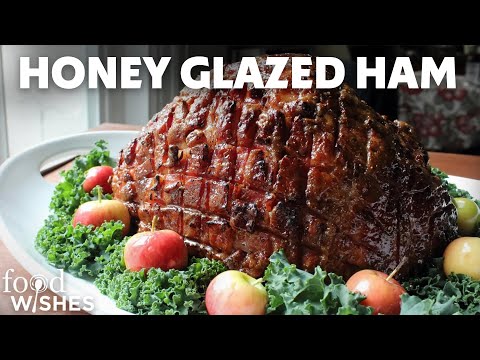
The reference video for this recipe. Clear demonstration of the scoring technique, multiple glaze applications, and the high-heat finish that produces the crackled exterior. Best single video for understanding the layering method.
2. How to Score and Glaze a Ham
Focused breakdown of the knife technique for scoring through rind and into fat. Useful for first-timers who are nervous about cutting too deep or too shallow.
3. Holiday Ham From Start to FinishCovers the full cook from room-temperature rest through final rest before slicing. Good companion video for understanding why the resting step matters as much as the cook itself.
🛠️ Core Equipment
- Large roasting pan with rackElevating the ham on a rack ensures hot air circulates underneath, cooking the bottom evenly. A pan without a rack leaves the underside steaming in its own juices rather than roasting, which produces uneven browning and a soggy bottom rind.
- Basting brushFor applying the glaze in thin, even coats. A silicone brush holds more liquid than a pastry brush and cleans easily. Every application should be quick and deliberate — stroke with the grain of the score marks to push glaze into the channels.
- Instant-read thermometerThe ham is done at 140°F internal temperature, not when the packaging timer says so. A pre-cooked ham will rise in temperature faster than expected if your oven runs hot. The only reliable indicator is a probe in the thickest part of the meat, away from bone.
- Small saucepanThe glaze must be made on the stovetop, not in the roasting pan. Reducing it properly — to a thick, syrupy consistency — concentrates the sugars and aromatics before they hit the ham. A thin glaze applied from a saucepan that never got hot enough will run straight off and smoke in the bottom of the pan.
Foolproof Honey-Glazed Ham (The Sticky, Caramelized Finish You've Been Chasing)
🛒 Ingredients
- ✦1 bone-in fully cooked ham (8-10 pounds), skin on
- ✦1 cup raw honey
- ✦3 tablespoons Dijon mustard
- ✦2 tablespoons whole-grain mustard
- ✦3 tablespoons unsalted butter
- ✦2 tablespoons apple cider vinegar
- ✦1 teaspoon ground cinnamon
- ✦1/2 teaspoon ground cloves
- ✦1/2 teaspoon smoked paprika
- ✦1/4 teaspoon black pepper
- ✦1 cup apple juice or dry hard cider (for the roasting pan)
- ✦20 whole cloves (optional, for studding the score intersections)
- ✦Sea salt to taste
👨🍳 Instructions
01Step 1
Remove the ham from the refrigerator 1 hour before cooking. Let it come to room temperature on the counter — this ensures even cooking from exterior to bone.
02Step 2
Preheat the oven to 325°F. Place the rack in the lower third of the oven.
03Step 3
Using a sharp knife, score the skin and fat layer of the ham in a diamond pattern — cuts approximately 1 inch apart, half an inch deep. Do not cut into the meat itself.
04Step 4
If using whole cloves, stud one into each intersection of the diamond score pattern.
05Step 5
Pour the apple juice into the bottom of the roasting pan. Place the ham cut-side down on the rack.
06Step 6
Cover the ham loosely with aluminum foil and roast at 325°F for approximately 15 minutes per pound — roughly 2 hours for a 8-pound ham — until the internal temperature reaches 120°F.
07Step 7
While the ham roasts, make the glaze. Combine honey, Dijon mustard, whole-grain mustard, butter, apple cider vinegar, cinnamon, ground cloves, smoked paprika, and black pepper in a small saucepan over medium heat.
08Step 8
Stir continuously and reduce the glaze for 8-10 minutes until it thickens enough to coat the back of a spoon. Remove from heat. It will thicken further as it cools.
09Step 9
When the ham reaches 120°F, remove the foil. Brush a generous first coat of glaze over the entire surface, pushing it into the score channels.
10Step 10
Increase oven temperature to 375°F. Roast uncovered for 15 minutes, then apply a second coat of glaze.
11Step 11
Roast another 15 minutes and apply a third coat. At this point the ham should be approaching 135-138°F internal temperature.
12Step 12
Increase oven to 425°F. Apply a final coat of glaze and roast for 8-10 minutes until the glaze is deeply caramelized, bubbling, and crackled. Watch closely — it can go from perfect to burnt in 2 minutes at this temperature.
13Step 13
Remove the ham from the oven. Internal temperature should read 140°F. Tent loosely with foil and rest for 20 minutes before slicing.
14Step 14
Slice against the grain, starting at the widest face and working toward the bone. Serve with any caramelized pan drippings spooned over the top.
Nutrition Per Serving
Estimates based on standard preparation. Adjustments alter macros.
🔄 Substitutions
Instead of Raw honey...
Use Maple syrup or dark brown sugar dissolved in 2 tablespoons of warm water
Maple syrup produces a slightly less sweet, earthier glaze. Brown sugar gives more caramel depth but less floral note. Both work structurally — they reduce and caramelize the same way.
Instead of Dijon mustard...
Use Yellow mustard
Yellow mustard is milder and less complex, but it provides the necessary acidity to balance the honey. Use 4 tablespoons to compensate for the lower flavor intensity.
Instead of Apple juice...
Use Pineapple juice, orange juice, or ginger beer
Any liquid with mild acidity and natural sugar works in the pan. Pineapple juice adds tropical brightness; ginger beer adds subtle heat that complements the cloves.
Instead of Whole cloves (for studding)...
Use Skip entirely
Purely decorative and aromatic. The ground cloves in the glaze deliver the same flavor. Omit the whole cloves without any impact on the final result.
🧊 Storage & Reheating
In the Fridge
Store sliced ham in an airtight container for up to 5 days. The glaze continues to permeate the meat as it sits — leftovers on day two are genuinely better than day one.
In the Freezer
Wrap tightly in plastic wrap then foil and freeze for up to 2 months. Thaw overnight in the refrigerator. Freeze in individual portions for easy weekday use.
Reheating Rules
Place sliced ham in a baking dish, add 2-3 tablespoons of water or apple juice, cover tightly with foil, and reheat at 300°F for 15-20 minutes. Avoid the microwave — it dries the exterior and destroys the glaze texture.
❓ Frequently Asked Questions
Does the ham need to be cooked or can I use a raw ham?
This recipe is designed for a fully cooked, bone-in ham — the kind sold in most grocery stores labeled 'ready to eat' or 'pre-cooked.' Raw (fresh) ham requires significantly longer cooking times, a different internal temperature target (160°F), and a different approach to the glaze application. If you have a raw ham, the scoring and glaze technique still applies, but the roast time will nearly double.
Why did my glaze burn before the ham was done?
You applied it too early. Honey-based glazes contain high concentrations of fructose, which caramelizes quickly at moderate oven temperatures. Glaze applied before the ham reaches 120°F will have 45+ minutes in the oven — plenty of time to go from caramelized to burnt. Start the first coat only after the ham hits 120°F and the foil comes off.
Can I make the glaze the day before?
Yes. The glaze stores in the refrigerator for up to 5 days in a sealed jar. Reheat it gently in the saucepan before applying — it firms up considerably when cold and won't brush evenly if used straight from the fridge.
My ham came out dry near the bone. What happened?
The most common cause is cooking past 140°F internal temperature. The bone heats unevenly and the meat closest to it can overcook even when the outer layers look correct. Use your thermometer probe in the thickest part of the meat well away from the bone. Pull at 140°F and trust the carryover to bring it the last few degrees.
Do I need to baste the ham during the low-temperature roasting phase?
No. During the covered phase at 325°F, the foil and the apple juice in the pan create a self-basting environment. Basting during this phase means removing the foil and losing the accumulated steam. Save the basting brush for the glaze application in the final 45 minutes — that's where it matters.
How do I keep the glaze from sliding off into the pan?
Two reasons glaze slides: it wasn't reduced enough, or the ham surface is too wet when you apply it. Make sure the glaze is thick and syrupy — it should coat a spoon without running. Pat the ham surface lightly with a paper towel before the first glaze application to remove excess moisture. Each subsequent coat adheres to the layer beneath it, so the first coat needs to grip.
The Science of
Foolproof Honey-Glazed Ham (The Sticky, Caramelized Finish You've Been Chasing)
We turned everything on this page into a beautiful, flour-proof PDF cheat sheet. Print it out, stick it to your fridge, and never mess up your foolproof honey-glazed ham (the sticky, caramelized finish you've been chasing) again.
*We'll email you the high-res PDF instantly. No spam, just perfectly cooked meals.
AlmostChefs Editorial Team
We translate the internet's most popular cooking videos into foolproof, beginner-friendly written recipes. We analyze multiple methods, test them in our kitchen, and engineer a single "Master Recipe" that gives you the best possible result with the least possible stress.