High-Protein Turkey Meatballs (38g Per Serving, No Cardboard)
Turkey meatballs upgraded with Greek yogurt and cottage cheese to hit 38g protein per serving without sacrificing moisture or texture. We broke down exactly what each dairy addition does structurally so you stop guessing and start cooking.
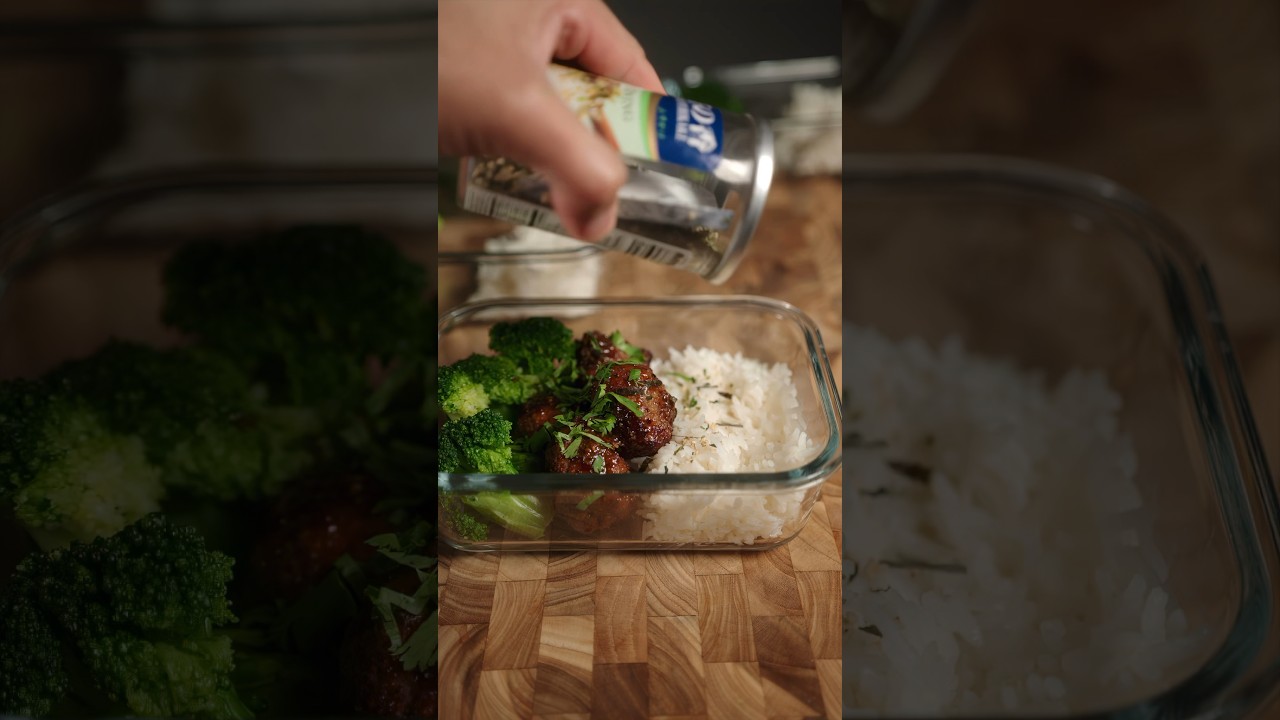
“Most high-protein recipes taste like compromise. These don't. By replacing the fat that normally keeps meatballs tender with Greek yogurt and cottage cheese, you get 38g of protein per serving and a meatball that's actually wetter than the original — not in spite of the swap, but because of the food science behind it. Here's exactly why it works.”
Why This Recipe Works
Turkey meatballs have a reputation problem. The assumption is that lean protein equals dry protein, and dry protein means you need to drown everything in sauce just to make it edible. That assumption is wrong, but it's wrong for a specific reason: most turkey meatball recipes simply remove the fat from a beef meatball recipe and call it a day. They don't replace the structural and moisture functions that fat was providing. The result is exactly what you'd expect — dense, dry, and apologetic.
This recipe solves the problem by understanding what fat actually does in a meatball and substituting for each function individually.
What Fat Does (And How to Replace It)
In a traditional beef or pork meatball, intramuscular fat serves three roles. It lubricates the protein strands during cooking so they don't seize into a tight, rubbery mass. It carries fat-soluble flavor compounds — particularly from garlic and dried herbs — and distributes them evenly through the meat. And it provides moisture, melting out slowly during cooking and keeping the interior wet even as the exterior browns.
Ground turkey at 93/7 has roughly a third of the fat of an 80/20 beef blend. That's a significant structural deficit, not just a nutritional one.
Greek yogurt addresses the lubrication problem. Its protein matrix — primarily casein — coats the turkey proteins during mixing and physically prevents them from bonding too tightly. This is why overmixing is so damaging here: the yogurt can only do its job if the turkey proteins haven't already cross-linked into a solid network. Mix gently, and the yogurt creates a buffer. Overmix, and you've already lost.
Cottage cheese handles moisture. The small-curd structure breaks down during cooking and distributes liquid fat and whey protein through the interior of the meatball, replicating what melting intramuscular fat does in a beef version. It also contributes protein — about 14g per half-cup at 2% milkfat — which is where the significant protein increase in this recipe comes from. The math on 38g per serving isn't magic. It's additive: turkey contributes roughly 22g, the dairy proteins add another 10g, and the egg and Parmesan cover the rest.
The Sear Is Not Optional
There is a temptation with high-protein recipes to skip the sear and bake everything on a sheet pan. Baking is easier, scales better, and produces no splatter. It also produces a uniformly pale meatball with no textural contrast and diminished flavor depth.
The Maillard reaction that occurs when the meatball surface hits a hot heavy-bottomed skillet at medium-high heat generates hundreds of new flavor compounds — the same reaction responsible for the flavor difference between raw and toasted bread. You cannot replicate this in an oven at any temperature below broiling. The crust also provides structural support that helps the meatball hold its shape when you roll it and when it simmers in sauce.
If you must bake for batch efficiency, finish under the broiler for two minutes. It's a compromise, not a replacement — but it's better than pale.
The Panko Function
Panko breadcrumbs exist in this recipe to absorb excess moisture from the yogurt and cottage cheese during the resting period. Without them, the dairy liquid pools at the bottom of the mixture and the meatballs spread flat in the pan instead of holding their sphere. The breadcrumbs are not filler — they're structural.
This is also why the make-ahead tip matters: refrigerating the mixture for up to 24 hours gives the panko time to fully hydrate and swell, which produces a more cohesive meatball with better shape retention. A mixture made and cooked immediately is workable. A mixture rested overnight is noticeably better.
Why the Thermometer Wins
Lean poultry is the protein least tolerant of guesswork. The window between undercooked (unsafe) and overcooked (dry) in a 93/7 ground turkey meatball is roughly 8-10 degrees Fahrenheit. Visual cues — color, firmness — don't get you within that window reliably. An instant-read thermometer does. Pull at 163°F if simmering in sauce. Pull at 165°F if serving immediately. That's the entire decision tree.
Everything else in this recipe is in service of that number. The dairy keeps the interior moist so you have room to hit 165°F without the texture collapsing. The sear builds a crust that slows heat penetration and gives you more time to react. The cookie scoop ensures uniform size so every meatball reaches the target temperature simultaneously.
Thirty minutes, one pan, 38 grams of protein. The technique does the work.
Where Beginners Mess This Up
Before we start, read this. These are the 4 reasons your high-protein turkey meatballs (38g per serving, no cardboard) will fail:
- 1
Overmixing the meat mixture: Ground turkey has less intramuscular fat than beef or pork. When you overwork the mixture, the proteins cross-link aggressively and the result is a dense, rubbery ball that no amount of sauce can rescue. Mix until the ingredients are just combined — streaks are fine. Stop there.
- 2
Crowding the pan: Meatballs touching each other in the skillet steam instead of sear. You lose the Maillard crust that provides texture contrast and flavor depth. Work in batches. Give each meatball at least half an inch of clearance so the surface temperature stays high enough to brown.
- 3
Skipping the thermometer: Turkey is not forgiving at the wrong internal temperature. Under 165°F and you have a food safety problem. Significantly over 165°F and the lean turkey dries out despite the yogurt. An instant-read thermometer is the only reliable way to pull them at the right moment.
- 4
Using low-fat Greek yogurt alternatives: Nonfat Greek yogurt works here specifically because the protein density is high and the moisture content is controlled. Thin yogurt or regular plain yogurt contains too much water, which steams the meatball from within and prevents crust formation. Use the nonfat Greek — not regular yogurt.
The Video Reference Library
Want to see it in action? Here are the exact videos we analyzed and combined to build this foolproof recipe translation:
The source video for this recipe. Covers the dairy-protein combination technique and searing method that produces consistent results across batch sizes.
🛠️ Core Equipment
- Large heavy-bottomed skilletA thin pan creates hot spots that brown two or three meatballs while leaving others pale. Cast iron or stainless steel distributes heat evenly across the entire base so every meatball develops the same crust.
- 1.5-tablespoon cookie scoopUniform meatball size is not about aesthetics — it's about food safety and texture. Meatballs of different sizes cook at different rates. The scoop eliminates the guesswork and guarantees every ball hits 165°F at the same time.
- Instant-read thermometerThe difference between 160°F and 165°F in lean ground turkey is the difference between a dry meatball and a tender one. Visual cues are unreliable with turkey. The thermometer is non-negotiable.
- Large mixing bowlYou need room to fold the mixture without compressing it. A bowl that's too small forces you to press the ingredients together rather than gently combining them, which triggers the overworking problem.
High-Protein Turkey Meatballs (38g Per Serving, No Cardboard)
🛒 Ingredients
- ✦1 lb ground turkey (93/7 lean)
- ✦1/2 cup nonfat Greek yogurt
- ✦1/3 cup cottage cheese (2% milkfat)
- ✦1/4 cup panko breadcrumbs
- ✦1 large egg
- ✦1/4 cup grated Parmesan cheese
- ✦3 medium cloves garlic, minced
- ✦2 tablespoons fresh parsley, finely chopped
- ✦1 teaspoon dried oregano
- ✦1/2 teaspoon red pepper flakes
- ✦1 teaspoon kosher salt
- ✦1/2 teaspoon black pepper
- ✦1 tablespoon olive oil
- ✦1 cup marinara sauce (for serving)
👨🍳 Instructions
01Step 1
Combine the ground turkey, Greek yogurt, cottage cheese, panko breadcrumbs, egg, Parmesan, minced garlic, fresh parsley, oregano, red pepper flakes, salt, and black pepper in a large mixing bowl.
02Step 2
Fold the mixture together gently with your hands until just combined — stop the moment you no longer see dry pockets. Streaks of yogurt are fine. Do not knead.
03Step 3
Scoop the mixture using a 1.5-tablespoon cookie scoop to form 16 evenly-sized meatballs. Roll each lightly between your palms to smooth the surface.
04Step 4
Heat olive oil in a large skillet over medium-high heat until shimmering, about 2 minutes.
05Step 5
Place the meatballs in the skillet, working in batches if needed to avoid crowding. Leave at least half an inch of space between each one.
06Step 6
Cook without moving them for 4-5 minutes until the bottoms develop a deep golden-brown crust. Resist the urge to nudge them early — they'll release naturally when the crust is set.
07Step 7
Gently roll each meatball to cook the remaining sides, another 5-6 minutes total, until all sides are browned and an instant-read thermometer inserted into the center reads 165°F.
08Step 8
Pour the marinara sauce into the skillet, reduce heat to medium-low, and simmer for 3-4 minutes to warm through and meld the flavors.
09Step 9
Taste and adjust seasoning with additional salt and pepper if needed.
10Step 10
Serve warm over pasta, rice, or with crusty bread for dipping.
Nutrition Per Serving
Estimates based on standard preparation. Adjustments alter macros.
🔄 Substitutions
Instead of Greek yogurt...
Use Nonfat sour cream or plain kefir
Kefir adds a subtler tang and slightly thinner consistency — drain it briefly before using. Sour cream is more neutral and produces nearly identical results. Do not use regular plain yogurt; it contains too much water.
Instead of Cottage cheese...
Use Part-skim ricotta
Ricotta is smoother and richer, producing a slightly creamier interior. Protein content is comparable. Drain ricotta well if it appears wet — excess moisture is the enemy of crust formation.
Instead of Panko breadcrumbs...
Use Finely crushed oats or almond flour
Oats produce a slightly softer crumb and are virtually tasteless. Almond flour makes the meatball denser and adds a subtle nuttiness. Both absorb moisture effectively. Use the same quantity.
Instead of Pan-searing method...
Use Baked at 400°F for 15-18 minutes
Baking is hands-off and scales easily for large batches. The exterior browns less aggressively than pan-searing, so finish under the broiler for 2 minutes if you want color. Saves roughly 2g of fat per serving.
🧊 Storage & Reheating
In the Fridge
Store in an airtight container with marinara for up to 4 days. The sauce keeps the meatballs from drying out during storage.
In the Freezer
Freeze cooked meatballs in a single layer until solid, then transfer to a freezer bag for up to 3 months. Freeze with or without sauce — both work.
Reheating Rules
Reheat in a covered skillet over medium-low with a splash of water or marinara for 6-8 minutes. Microwave reheating works but dries the surface — add a damp paper towel over the bowl and use 50% power.
❓ Frequently Asked Questions
Why add cottage cheese to meatballs?
Cottage cheese provides moisture and protein simultaneously. As it heats, the curds break down and distribute through the meat mixture, keeping the interior wet while the exterior sears. It contributes roughly 7g of additional protein per serving compared to a traditional recipe without meaningfully changing the flavor.
Will I taste the Greek yogurt or cottage cheese?
No. Both dairy ingredients are present in quantities that affect texture and protein content, not flavor. The garlic, Parmesan, oregano, and parsley dominate the flavor profile. If you did a blind taste test against a traditional meatball, you would not identify dairy as an ingredient.
Can I use ground chicken instead of turkey?
Yes. Ground chicken at 93/7 behaves nearly identically to ground turkey at this fat ratio. The flavor is slightly milder, which means the garlic and herbs become more prominent. Everything else — timing, temperature, technique — stays the same.
Why do my meatballs fall apart in the pan?
Two causes: the mixture was too wet (usually from undrained cottage cheese or watery yogurt), or the meatballs were moved before the crust set. Let them cook undisturbed for the full 4-5 minutes on the first side. A properly formed crust holds the meatball together structurally. If they're still falling apart, refrigerate the mixture for 20 minutes before forming.
Can I make these ahead for meal prep?
Yes — this is one of the best meal prep proteins you can make. Cook the full batch, cool completely, portion with marinara into meal prep containers, and refrigerate for up to 4 days. The texture holds up well to reheating, unlike chicken breast, which tends to dry out.
What's the internal temperature for turkey meatballs?
165°F, measured at the center of the largest meatball. This is the USDA-recommended safe temperature for all ground poultry. Pull them at 163°F if you plan to simmer in sauce — the carry-over and sauce heat will bring them to 165°F without overshooting into dry territory.
The Science of
High-Protein Turkey Meatballs (38g Per Serving, No Cardboard)
We turned everything on this page into a beautiful, flour-proof PDF cheat sheet. Print it out, stick it to your fridge, and never mess up your high-protein turkey meatballs (38g per serving, no cardboard) again.
*We'll email you the high-res PDF instantly. No spam, just perfectly cooked meals.
AlmostChefs Editorial Team
We translate the internet's most popular cooking videos into foolproof, beginner-friendly written recipes. We analyze multiple methods, test them in our kitchen, and engineer a single "Master Recipe" that gives you the best possible result with the least possible stress.