High-Protein Tuna Pasta (42g Per Bowl, No Gym Vibes)
Creamy tuna pasta that swaps heavy cream for Greek yogurt and cottage cheese — delivering 42g of protein per serving without tasting like a fitness meal. Ready in 35 minutes, meal-prep friendly, and legitimately satisfying.
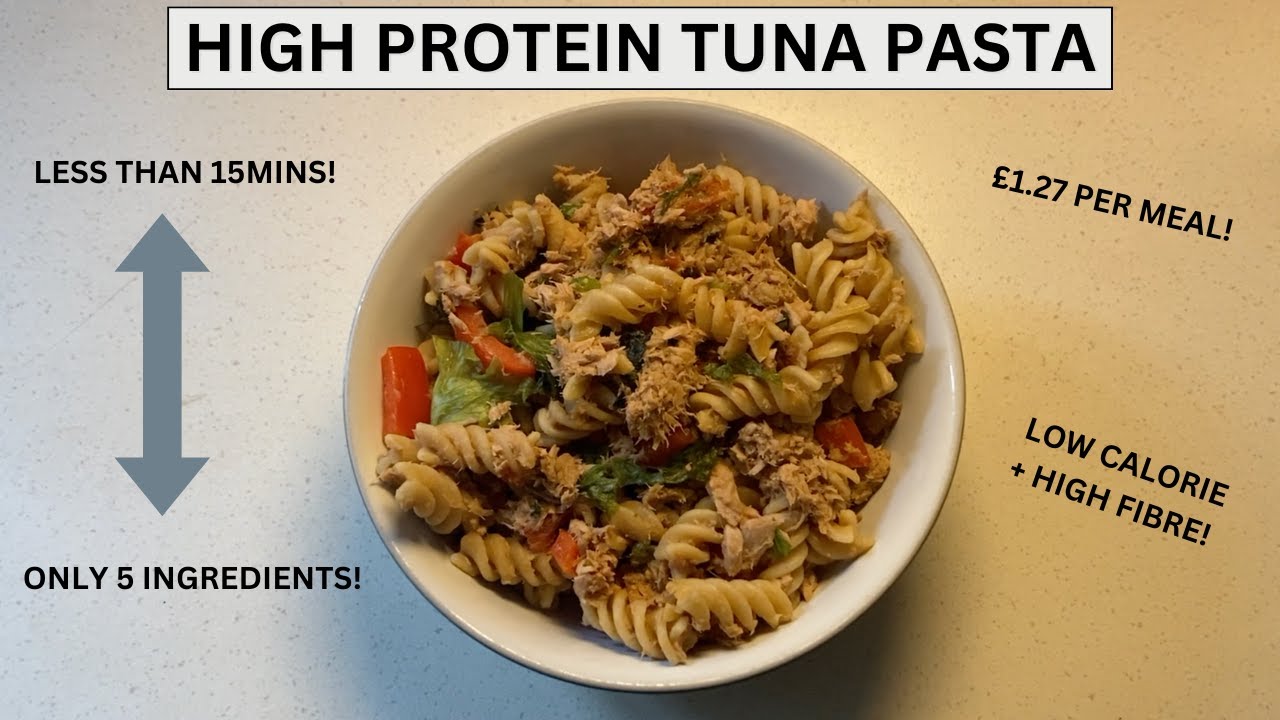
“Most high-protein pasta recipes taste like compromise. You can feel the nutrition label underneath every bite. This one doesn't. The trick is blending Greek yogurt and cottage cheese into a sauce that mimics the texture of a cream-based dish while quietly delivering 42 grams of protein per bowl. No protein powder. No weird substitutions. Just two dairy ingredients you probably already have.”
Why This Recipe Works
The high-protein meal category has a reputation problem, and it has earned every bit of it. Most dishes advertising 40-plus grams of protein per serving taste like they were engineered by someone who stopped caring about food the moment they hit their macro targets — dense, flavourless, aggressively purposeful in all the wrong ways. This pasta is a direct rebuttal to that premise, and the rebuttal is built on chemistry, not optimism.
The architecture is deliberately simple: replace the cream or butter that typically makes pasta sauce rich with a whipped blend of Greek yogurt and cottage cheese. Both ingredients are structurally similar to cream in the way they coat noodles when emulsified correctly. Both carry serious protein density — Greek yogurt delivers roughly 17g per ¾ cup, cottage cheese contributes another 14g per half cup. Combine those with two cans of albacore tuna flaked into the pan and you are sitting at 42 grams of protein per serving before the Parmesan, the peas, or anyone's feelings about "gym food" enter the picture.
The Sauce Problem (And How to Solve It)
Dairy proteins are not fats. This distinction is ignored in approximately 80 percent of high-protein pasta recipes currently circulating online, and those recipes are uniformly terrible. Heavy cream can simmer, reduce, concentrate, and generally absorb punishment without structural consequence. Greek yogurt cannot. Above medium heat, the whey proteins in yogurt coagulate and separate — your smooth, creamy sauce becomes a grainy, weeping mess inside of 90 seconds, and there is no coming back from it.
The solution is two-part and non-negotiable. First: everything gets blended smooth in a small mixing bowl with a whisk before it touches the pan. Cottage cheese has visible curds. If you fold it in unblended, those curds do not melt under gentle heat — they stay exactly as lumpy as they started, dispersed throughout your sauce in a way that reads as amateur and tastes worse. Whisk the yogurt, cottage cheese, Dijon mustard, lemon juice, and dill together until the mixture is completely uniform. This takes thirty seconds and eliminates the single most common failure mode.
Second: the sauce enters the large skillet or sauté pan (12-inch) only after the heat has been reduced to its lowest possible setting. The residual heat from the pasta and the warm vegetables does the actual work. The burner is there for insurance, not cooking.
The Dijon mustard in the sauce earns a specific mention because most people treat it as seasoning. It is not. Mustard contains mucilaginous compounds — long-chain molecules that actively stabilize the emulsion between protein-heavy dairy and starchy pasta water. One teaspoon keeps the sauce cohesive from pan to plate to reheated lunch two days later. Remove it and you get a sauce that tastes slightly flatter and separates faster. This is not a preference note. This is physics.
Pasta Water Is the Third Dairy Ingredient
Before you drain the pasta from your large pasta pot, pull a quarter cup of the cooking water. The water is cloudy with dissolved starch from the pasta surface — and that starch is the glue that binds the yogurt sauce to each noodle. Without it, the sauce pools at the bottom of the pan and the pasta sits dry on top, coated in nothing. With it, every strand is lacquered in a thin, even layer of protein-rich sauce from the moment you toss them together.
Reserve more than you think you need. The correct amount to use is between zero and the full quarter cup depending on how thick your sauce runs and how much moisture the tuna and vegetables contribute on a given day. Add it one tablespoon at a time. Starchy pasta water loosens a thick sauce without diluting flavor; plain tap water cannot make the same claim.
Tuna Selection Is Not Arbitrary
Albacore tuna packed in water is the correct choice. Skipjack — marketed as "chunk light" — has a sharper, more assertive fish character that competes with the yogurt's tang rather than complementing it. Albacore is milder, firmer in texture, and flakes into larger pieces that provide genuine structural contrast against the noodles. The sensory difference between "noticeable protein addition" and "paste distributed unevenly through sauce" comes down almost entirely to which can you reach for.
Drain it completely. Press it against the side of the can, let it sit over the sink, press it again. Residual tuna brine is thin, lightly fishy water that will dilute your emulsified sauce the moment it contacts heat. The pasta water you reserved is a calibrated tool for adjusting consistency. Tuna brine is not.
Equipment Does Actual Work Here
A 12-inch skillet is the minimum workable surface area for this quantity of pasta. A smaller pan forces you to pile everything on top of itself — the sauce coats the top layer and ignores the bottom, the tuna breaks down from over-stirring in a cramped space, and the heat distributes unevenly across a mound of food rather than a single layer. Wide, flat, and hot enough to respond instantly when you reduce the flame. That is what you need.
The large pot matters for the same reason surface area matters in the skillet: pasta needs to move. A pot that is too small keeps the noodles pressed against each other, creating the surface adhesion that makes pasta gummy before it even reaches the sauce. Use more water than you think is necessary. Salt it aggressively — it should taste like mild seawater, not a subtle suggestion of seasoning.
Drain through a fine-mesh colander and do it quickly. A wide colander with large holes lets steam escape so the pasta does not continue cooking in trapped heat while you wait. Every second the pasta sits in a closed colander is a second it is overcooking on residual steam, and this recipe already asks you to pull it a full minute before al dente to account for the 1–2 minutes it finishes in the skillet. There is no margin left to waste.
Pasta Variety as a Protein Variable
Whole wheat pasta delivers 42g per serving. Chickpea pasta pushes that to 47g with no other recipe changes, a lower glycemic index, and a firmer structure that survives reheating without collapsing into a soft, cohesive mass. The trade-off is precision: chickpea pasta overcooks in roughly 60 seconds and announces the fact immediately. Set a timer, check it early, and drain without hesitation.
Lentil-based pasta exists in this spectrum as well and behaves similarly to chickpea in both texture and protein contribution. Either is a defensible choice. Regular white pasta is also defensible if the protein target is not the point — it simply delivers a more neutral flavor and a less interesting nutritional outcome.
Vegetables as Structural Logic
Frozen peas and spinach are present for reasons beyond nutritional optics. The peas provide discrete textural interruption — firm, small, evenly sized — against the yielding pasta and flaked tuna. The spinach wilts to near-invisibility but contributes iron, a faint earthiness, and enough color that the finished dish reads as alive rather than beige. Neither ingredient requires more than three minutes of active attention.
Add the spinach last. Ninety seconds over medium heat is sufficient. Overcooked spinach releases water into the sauce, turns grey-green, and tastes of nothing in particular. It should be bright, slightly wilted, and structurally present when you pull the skillet from the burner. Every overcooked element in this recipe announces itself. The ones pulled at the correct moment disappear into something that tastes cohesive and deliberate — which is, in the end, the entire point.
Where Beginners Mess This Up
Before we start, read this. These are the 4 reasons your high-protein tuna pasta (42g per bowl, no gym vibes) will fail:
- 1
Adding the yogurt sauce over high heat: Greek yogurt and cottage cheese curdle when exposed to aggressive heat. The proteins seize and separate into grainy lumps suspended in watery liquid — the opposite of creamy. Add the sauce off direct heat or over the lowest setting, and toss quickly to coat. The residual heat from the pasta does the rest.
- 2
Skipping the pasta water: The starchy pasta water is the emulsifier that binds the yogurt sauce to the noodles. Without it, the sauce clumps at the bottom of the pan and the pasta sits dry on top. Reserve a full quarter cup before draining — you may not use it all, but you'll want it available.
- 3
Not blending the sauce smooth before adding it: Cottage cheese has visible curds. If you fold it in directly, you get a lumpy, uneven sauce. Whisking it thoroughly with the yogurt, mustard, and lemon juice before it hits the pan eliminates the texture issue entirely and produces a uniform, creamy coating.
- 4
Overcooking the pasta: The pasta finishes cooking in the skillet for 1-2 minutes after combining. If you drain it at perfectly al dente, it will be slightly overdone by serving. Pull it 1 minute early — it should still have a slight chew when it leaves the boiling water.
The Video Reference Library
Want to see it in action? Here are the exact videos we analyzed and combined to build this foolproof recipe translation:
The source video for this recipe. Covers the yogurt sauce technique and the exact moment to combine everything over low heat.
🛠️ Core Equipment
- Large skillet or sauté pan (12-inch)You need enough surface area to toss the pasta with the sauce without everything piling up. A cramped pan means uneven coating and spotty heat distribution.
- Large pot for pastaPasta needs to move freely in the water to cook evenly. A pot that's too small causes gummy, stuck noodles.
- Small mixing bowl and whiskBlending the yogurt sauce smooth before it hits the heat is the single step that separates a creamy result from a grainy one. Don't skip this.
- Fine-mesh sieve or colanderFor draining the pasta quickly. The faster you drain, the more control you have over the final texture. A wide colander lets steam escape so the pasta doesn't keep cooking in trapped heat.
High-Protein Tuna Pasta (42g Per Bowl, No Gym Vibes)
🛒 Ingredients
- ✦12 oz whole wheat pasta or chickpea pasta
- ✦2 cans (5 oz each) albacore tuna in water, drained
- ✦¾ cup non-fat Greek yogurt, plain
- ✦½ cup low-fat cottage cheese
- ✦3 cloves garlic, minced
- ✦2 tablespoons extra-virgin olive oil
- ✦1 medium yellow onion, finely diced
- ✦1 cup frozen peas
- ✦2 cups fresh spinach, roughly chopped
- ✦Juice of 1 lemon (about 3 tablespoons)
- ✦2 tablespoons fresh dill, chopped (or 1 teaspoon dried dill)
- ✦1 teaspoon Dijon mustard
- ✦½ teaspoon red pepper flakes
- ✦Sea salt and black pepper to taste
- ✦¼ cup reserved pasta water
- ✦2 tablespoons grated Parmesan cheese
👨🍳 Instructions
01Step 1
Bring a large pot of heavily salted water to a rolling boil over high heat.
02Step 2
Add pasta and cook according to package directions until just shy of al dente, about 7-9 minutes. Pull it 1 minute early.
03Step 3
Reserve ¼ cup of pasta water before draining, then drain thoroughly.
04Step 4
While the pasta cooks, heat olive oil in a large skillet over medium-high heat. Add diced onion and sauté for 4-5 minutes until softened and translucent.
05Step 5
Stir in minced garlic and red pepper flakes. Cook for about 1 minute until fragrant.
06Step 6
Add frozen peas and cook for 2-3 minutes, stirring, until heated through. Fold in chopped spinach and cook 1-2 minutes until wilted.
07Step 7
In a small bowl, whisk together Greek yogurt, cottage cheese, Dijon mustard, lemon juice, and dill until completely smooth with no visible curds.
08Step 8
Reduce skillet heat to low. Gently flake the drained tuna into the pan, breaking it into bite-sized pieces. Stir to combine with the vegetables.
09Step 9
Pour the yogurt-cottage cheese mixture over the tuna and vegetables. Stir gently to coat everything evenly.
10Step 10
Add the cooked pasta to the skillet and toss over low heat for 1-2 minutes until the sauce clings to every noodle.
11Step 11
Season generously with sea salt and black pepper. Taste and adjust lemon juice if the sauce needs brightness.
12Step 12
Divide among four bowls. Top each with Parmesan and an extra pinch of fresh dill.
Nutrition Per Serving
Estimates based on standard preparation. Adjustments alter macros.
🔄 Substitutions
Instead of Greek yogurt and cottage cheese...
Use ¾ cup plain non-fat Greek yogurt mixed with 2 tablespoons nutritional yeast
Slightly tangier with added umami depth. The nutritional yeast contributes a cheesy flavor that compensates for removing the cottage cheese. Protein stays around 38g per serving.
Instead of Canned tuna...
Use 1.5 cups canned white beans (drained) mixed with 1 can tuna
Milder fish flavor, creamier texture, more substantial mouthfeel. Boosts protein to 44g with added fiber and plant-based protein. Also stretches the recipe affordably.
Instead of Whole wheat pasta...
Use Chickpea pasta or lentil-based pasta
Slightly nuttier flavor and firmer texture that holds sauce better. Increases protein to 47g per serving while lowering net carbs and raising fiber.
Instead of Fresh dill and lemon juice...
Use 2 tablespoons fresh tarragon and 2 tablespoons white wine vinegar
More sophisticated, slightly floral flavor profile. Tarragon pairs beautifully with tuna. The vinegar adds brightness differently than lemon — sharper and less citrusy.
🧊 Storage & Reheating
In the Fridge
Store in an airtight container for up to 4 days. The flavors deepen overnight as the dill and lemon absorb into the pasta.
In the Freezer
Not recommended. The yogurt-based sauce separates and turns grainy after freezing and thawing. Make fresh batches instead.
Reheating Rules
Add 1-2 tablespoons of water or broth to the container before reheating. Microwave in 90-second intervals, stirring between each, or warm gently in a skillet over low heat. Do not overheat — the yogurt will curdle.
❓ Frequently Asked Questions
Why does my sauce look grainy or curdled?
Heat is the culprit. Greek yogurt and cottage cheese break apart when exposed to temperatures above medium-low. Make sure you reduce the heat to low before adding the yogurt mixture, and toss quickly. If it still curdles, the pan was too hot — let it cool for a minute off the burner before trying again.
Can I use regular pasta instead of whole wheat or chickpea?
Yes, but the protein per serving drops from 42g to around 32g. Regular pasta also has less fiber, which means the dish digests faster and provides less sustained fullness. The flavor is slightly more neutral, which some people prefer.
Is this actually good for meal prep?
Yes, with one caveat: store the sauce and pasta separately if you're prepping more than 2 days ahead. Pre-combined pasta absorbs the sauce overnight and the texture suffers. Combined day-of or day-after is ideal.
Can I use tuna in olive oil instead of water?
You can, but reduce the added olive oil to 1 tablespoon and drain the tuna thoroughly. Oil-packed tuna is richer and more flavorful, but adds about 40 extra calories per serving and can make the sauce feel heavy against the yogurt base.
How do I keep the spinach from going slimy?
Add it at the last possible moment and cook only until just wilted — 60 to 90 seconds max. Overcooked spinach releases water that thins the sauce and turns an unpleasant grey-green. It should be bright green when you pull it.
Can I make this dairy-free?
Replace the Greek yogurt with unsweetened coconut yogurt and the cottage cheese with blended silken tofu. The sauce texture will be similar but slightly less tangy. Protein drops to around 30g per serving. Skip the Parmesan or use a dairy-free alternative.
The Science of
High-Protein Tuna Pasta (42g Per Bowl, No Gym Vibes)
We turned everything on this page into a beautiful, flour-proof PDF cheat sheet. Print it out, stick it to your fridge, and never mess up your high-protein tuna pasta (42g per bowl, no gym vibes) again.
*We'll email you the high-res PDF instantly. No spam, just perfectly cooked meals.
AlmostChefs Editorial Team
We translate the internet's most popular cooking videos into foolproof, beginner-friendly written recipes. We analyze multiple methods, test them in our kitchen, and engineer a single "Master Recipe" that gives you the best possible result with the least possible stress.