High-Protein Salmon Bowl (48g Protein, No Gimmicks)
A grain-based power bowl built around baked wild salmon and a Greek yogurt dressing that replaces mayo without sacrificing richness. We analyzed the protein math and built the assembly strategy that makes this viable for meal prep five days a week.
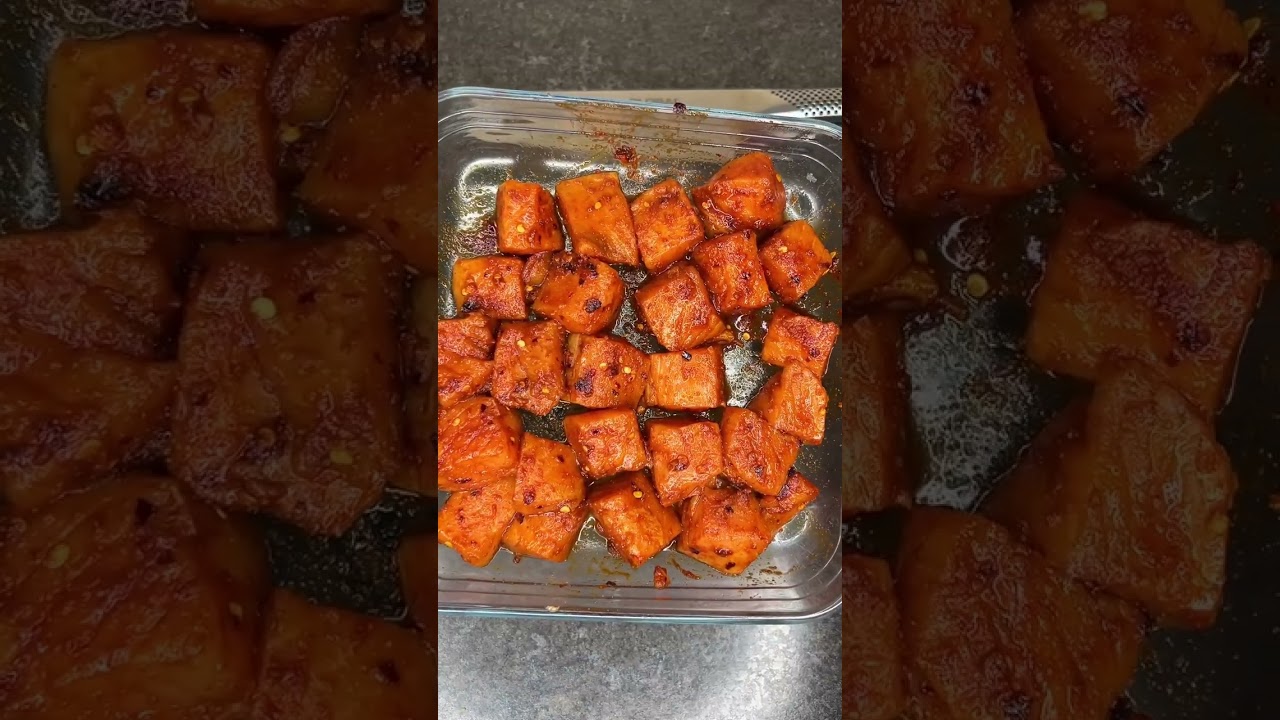
“Most salmon bowls are 28g of protein dressed up as a fitness meal. This one hits 48g per bowl through two deliberate protein stacks: a 5-ounce wild salmon fillet and a Greek yogurt dressing that replaces the watery vinaigrette that most recipes default to. The difference is not cosmetic. At 48g per bowl, this is a recovery meal. At 28g, it's a salad.”
Why This Recipe Works
Salmon bowls are everywhere. Most of them are 28 grams of protein in a trendy vessel, which is fine if you're not paying attention to the numbers. This one is engineered to 48 grams — not through protein powder poured into a dressing, but through deliberate stacking of three real food sources that each carry their weight independently.
The Protein Architecture
The math is straightforward. A 5-ounce wild salmon fillet delivers approximately 29 grams of protein. Three-quarters of a cup of nonfat Greek yogurt adds roughly 12 grams — and that yogurt isn't a condiment here, it's the dressing base. Quinoa, edamame, and cabbage push the remaining 7 grams. The total is not padded or optimistic. It's what the ingredients actually contain.
The reason this matters: muscle protein synthesis requires approximately 0.7–1.0 grams of protein per pound of body weight per day for active adults, distributed across meals. A 48-gram lunch or dinner contribution is a meaningful single-meal fraction of that target. A 28-gram bowl is a side dish.
The Bake Temperature Problem
Salmon is one of the most forgiving proteins in existence — until it isn't. At 400°F, the window between "perfectly flaky" and "dry and chalky" is approximately two to three minutes. The fix is not culinary instinct, it's an instant-read thermometer. Pull at 145°F. The carryover heat off a hot baking sheet will bring the center up another 3–5 degrees while you're assembling bowls.
The pat-dry step matters more than most recipes admit. Surface moisture on the fillets creates steam in the oven. That steam prevents browning, washes off half the seasoning, and gives you salmon that tastes as if it were poached rather than roasted. Thirty seconds with paper towels fixes this completely.
Why the Dressing Works
The Greek yogurt dressing is not a health swap for mayo — it's a genuinely better dressing for this application. Nonfat Greek yogurt has the viscosity of a thick aioli when whisked correctly. The Dijon adds emulsifying mustard compounds that bind the lemon juice and yogurt into a stable sauce. The dill and red pepper flakes provide brightness and heat that cut through the richness of the salmon.
The failure mode is over-thinning it. Add the lemon juice last, whisk just until combined, and stop. Greek yogurt is delicate — continued mechanical action breaks its protein network and turns it watery. The dressing should coat the back of a spoon when done.
Bowl Assembly Is an Engineering Problem
The layering order is quinoa base, vegetables arranged around the perimeter, salmon in the center, dressing over everything. This is not aesthetic preference. It ensures the dressing reaches the grain layer rather than pooling between vegetable pieces. The salmon positioned in the center means it picks up color and contrast against the purple cabbage and red tomatoes — visual eating matters for satiety signaling.
For meal prep, a rimmed baking sheet lets you cook all four fillets simultaneously without crowding. Crowded salmon steams instead of roasts. Keep the fillets at least an inch apart and they'll behave like individual roasts rather than a communal steam bath.
This bowl works because every component is pulling a specific job. The salmon provides protein and omega-3s. The quinoa provides complete protein and complex carbs. The yogurt dressing provides additional protein and satiety-extending fat. The vegetables provide fiber, volume, and the color contrast that makes this feel like a meal worth eating rather than a nutritional obligation.
Where Beginners Mess This Up
Before we start, read this. These are the 4 reasons your high-protein salmon bowl (48g protein, no gimmicks) will fail:
- 1
Overbaking the salmon: At 400°F, salmon goes from perfect to dry in under three minutes. Pull it at 145°F internal temperature — the flesh should flake with gentle pressure but still look slightly translucent in the thickest part. Carryover heat finishes the job. If it looks fully opaque in the oven, you've already lost moisture.
- 2
Making the dressing too thin: Greek yogurt dressing breaks if you over-whisk or add too much lemon juice. It should coat the back of a spoon. If it pools at the bottom of the bowl, it stops acting as a sauce and starts acting as liquid — and the bowl loses its cohesion entirely. Whisk until just combined, then stop.
- 3
Assembling everything hot: Hot salmon on cold spinach is fine. Hot salmon on hot quinoa in a sealed container is a meal-prep disaster — the steam wilts the greens into mush within an hour. If you're prepping ahead, cool the salmon and quinoa separately before combining, and always store the dressing on the side.
- 4
Skipping the pat-dry step on the salmon: Surface moisture on the fillets creates steam in the oven, which prevents browning and dilutes the seasoning. Thirty seconds with paper towels makes the difference between salmon that has a light crust and salmon that tastes poached.
The Video Reference Library
Want to see it in action? Here are the exact videos we analyzed and combined to build this foolproof recipe translation:
The source video for this recipe. Clear walkthrough of the bake, the dressing technique, and the bowl layering sequence that keeps textures distinct.
🛠️ Core Equipment
- Rimmed baking sheetCatches olive oil runoff and keeps the salmon fillets stable. A flat sheet lets the oil pool away from the fish, which dries out the skin side. The rim keeps everything contained.
- Instant-read thermometerThe 145°F pull temperature is non-negotiable for both food safety and texture. Guessing by color is how you overbake salmon. A thermometer is a two-second check that saves the entire bowl.
- Small whiskGreek yogurt dressing needs vigorous whisking to emulsify the mustard and lemon juice into a cohesive sauce. A fork leaves lumps. A large whisk splashes. A small balloon whisk is the right tool.
High-Protein Salmon Bowl (48g Protein, No Gimmicks)
🛒 Ingredients
- ✦4 salmon fillets, 5 oz each
- ✦2 tablespoons olive oil
- ✦1 teaspoon sea salt
- ✦½ teaspoon black pepper
- ✦2 cups cooked quinoa
- ✦2 cups fresh spinach, loosely packed
- ✦1 cup shredded purple cabbage
- ✦1 large cucumber, diced
- ✦1 cup cherry tomatoes, halved
- ✦½ cup edamame, shelled
- ✦¾ cup plain nonfat Greek yogurt
- ✦2 tablespoons fresh lemon juice
- ✦1 tablespoon Dijon mustard
- ✦1 clove garlic, minced
- ✦2 tablespoons fresh dill, chopped
- ✦¼ teaspoon red pepper flakes
- ✦Sesame seeds for garnish
- ✦Lemon wedges for serving
👨🍳 Instructions
01Step 1
Preheat oven to 400°F and line a rimmed baking sheet with parchment paper.
02Step 2
Pat salmon fillets completely dry with paper towels and arrange skin-side down on the prepared sheet.
03Step 3
Drizzle fillets with olive oil and season both sides generously with sea salt and black pepper.
04Step 4
Bake for 12–15 minutes until the flesh flakes easily and registers 145°F on an instant-read thermometer.
05Step 5
While the salmon bakes, whisk together Greek yogurt, lemon juice, Dijon mustard, minced garlic, fresh dill, and red pepper flakes in a small bowl until smooth.
06Step 6
Divide cooked quinoa evenly among four bowls as the base.
07Step 7
Arrange spinach, purple cabbage, cucumber, cherry tomatoes, and edamame around the quinoa in each bowl.
08Step 8
Remove salmon from the oven and gently flake into large bite-sized pieces, discarding the skin if desired.
09Step 9
Place one portion of flaked salmon in the center of each bowl.
10Step 10
Drizzle Greek yogurt dressing generously over each bowl.
11Step 11
Garnish with sesame seeds and serve with fresh lemon wedges.
Nutrition Per Serving
Estimates based on standard preparation. Adjustments alter macros.
🔄 Substitutions
Instead of Plain nonfat Greek yogurt dressing...
Use Blended cottage cheese dressing (½ cup cottage cheese + 2 tbsp Greek yogurt + lemon juice + garlic)
Adds 14g additional protein per serving. Texture stays smooth if blended properly. Slightly more savory and rich.
Instead of Quinoa...
Use Cooked white beans or cannellini beans (1½ cups)
Adds 8g more protein per serving, increases fiber, and creates a heartier bowl. Earthier flavor that pairs well with the salmon.
Instead of Edamame...
Use Hemp seeds or pumpkin seeds (¼ cup)
Maintains protein count while reducing carbs slightly. Adds crunch and delivers magnesium and zinc for recovery.
Instead of Salmon fillets...
Use Canned wild salmon in water, drained (two 5-oz cans)
Nutritionally equivalent in protein and omega-3s. Zero cook time. More budget-friendly for weekly meal prep. Slightly softer texture.
🧊 Storage & Reheating
In the Fridge
Store all components separately in airtight containers for up to 3 days. Dressing keeps for 4 days. Assemble fresh before eating — pre-assembled bowls go soggy within 2 hours.
In the Freezer
Baked salmon freezes well for up to 2 months. Quinoa freezes well in portioned bags. Vegetables and dressing do not freeze — prep those fresh.
Reheating Rules
Reheat salmon and quinoa gently in a covered skillet with a tablespoon of water over low heat for 3–4 minutes. Microwave works but dries out the salmon. Add fresh vegetables and dressing cold after reheating.
❓ Frequently Asked Questions
How do I get 48g of protein from this bowl?
The protein stacks come from three sources: a 5-oz wild salmon fillet (~29g), the Greek yogurt dressing (~12g per ¾ cup nonfat), and the edamame and quinoa base (~7g combined). Each source is doing meaningful work — this isn't padded with protein powder or artificial boosters.
Can I make this bowl ahead for meal prep?
Yes, but component-separate everything. Store salmon, quinoa, chopped vegetables, and dressing in separate containers. Assemble the night before at the earliest. If you pre-dress the bowl 24 hours in advance, the spinach and cabbage become waterlogged and the texture collapses.
What's the best way to tell when the salmon is done?
Internal temperature of 145°F at the thickest part. Visually, the flesh should flake when pressed gently with a fork but still look slightly translucent at the very center — carryover heat takes it the rest of the way off the heat. If it's fully opaque throughout in the oven, you've overshoot by 30–60 seconds.
Is the Greek yogurt dressing actually creamy or does it taste diet-food thin?
It tastes creamy if you use nonfat Greek yogurt with 0% fat — the natural density of strained yogurt gives it body. The Dijon and garlic add savory depth, and the dill adds freshness. If it still reads thin to you, add an extra tablespoon of yogurt and let it rest 5 minutes before serving.
Can I use a different fish?
Yes. Arctic char is the closest substitute — similar fat content, similar texture, slightly milder flavor. Tuna steaks work but need a slightly shorter bake time (10–12 minutes at 400°F). Avoid tilapia — it's too lean and dries out aggressively at this temperature.
Why quinoa instead of rice or farro?
Quinoa is the only grain in this list that's a complete protein — it contributes to the protein total rather than just adding carbs. Farro has more fiber but delivers incomplete protein. White rice adds glycemic load without protein benefit. For a bowl engineered around muscle recovery, the grain choice is not arbitrary.
The Science of
High-Protein Salmon Bowl (48g Protein, No Gimmicks)
We turned everything on this page into a beautiful, flour-proof PDF cheat sheet. Print it out, stick it to your fridge, and never mess up your high-protein salmon bowl (48g protein, no gimmicks) again.
*We'll email you the high-res PDF instantly. No spam, just perfectly cooked meals.
AlmostChefs Editorial Team
We translate the internet's most popular cooking videos into foolproof, beginner-friendly written recipes. We analyze multiple methods, test them in our kitchen, and engineer a single "Master Recipe" that gives you the best possible result with the least possible stress.