High-Protein Pasta Salad Meal Prep (42g Per Serving, No Excuses)
A cold pasta salad that actually builds muscle. Grilled chicken breast, chickpeas, and a tangy Greek yogurt dressing deliver 42g of protein per serving — meal-prepped in 45 minutes, fridge-stable for four days. We engineered the dressing to stay creamy without separating, so day four tastes as good as day one.
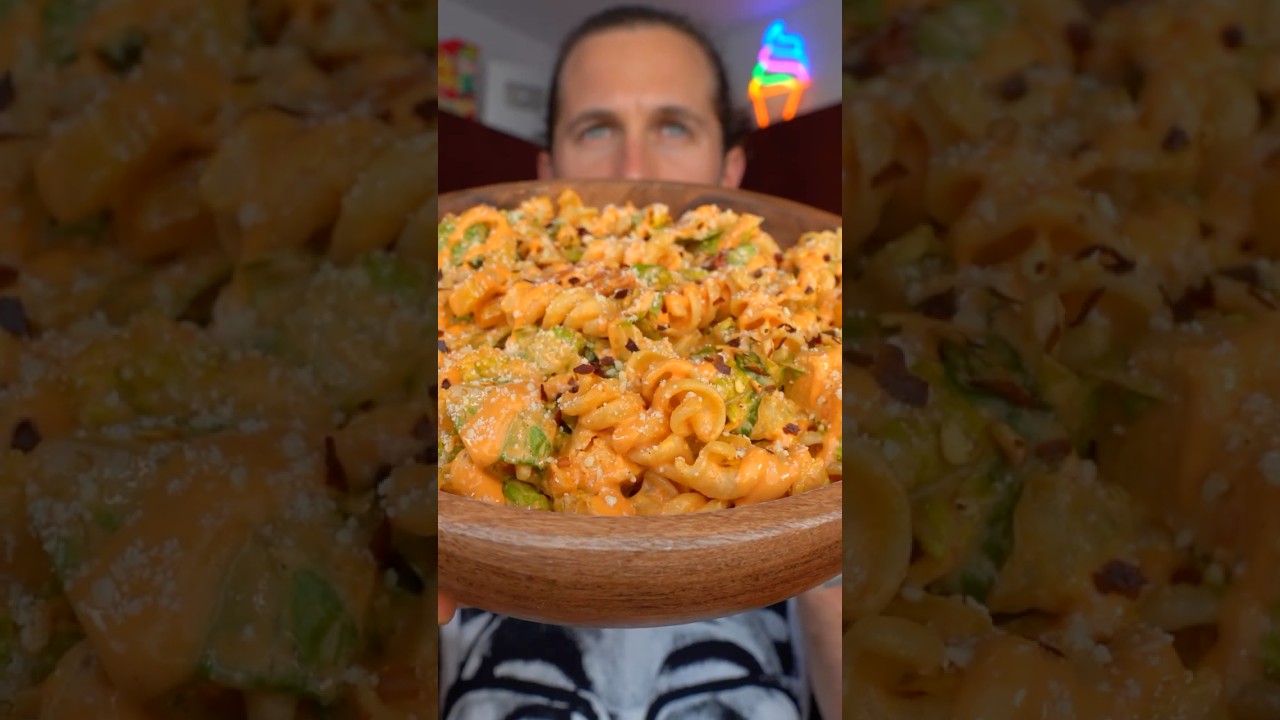
“Most pasta salads are carb delivery vehicles dressed up as meals. A cup of pasta, some cucumber, a handful of olives, and suddenly you're 'meal prepping' — except you're hungry again by 2pm. This version was built backwards from a protein target: 42 grams per serving, maintained across four days in the fridge without the dressing turning into paste. Greek yogurt replaces mayo, chickpeas replace dead calories, and grilled chicken does the heavy lifting. The result is a pasta salad that actually earns a place in a serious meal prep rotation.”
Why This Recipe Works
The pasta salad problem is a protein problem. The classic version — rotini, mayo, olives, a few sad vegetables — delivers somewhere around 8-10 grams of protein per serving and roughly 400 calories that your body processes in about ninety minutes. You've eaten a meal and you're back to hungry before the afternoon slump hits. This version solves that by treating pasta as a vehicle rather than the point.
The Three-Layer Protein Stack
Most high-protein recipes achieve their numbers by doing one thing aggressively — usually dumping in chicken until the macros hit. This recipe stacks protein from three independent sources: chicken breast (26g per serving), chickpeas (7g), and Greek yogurt in the dressing (6-7g). Each source contributes differently to the finished dish, and none of them are hiding.
The chicken provides complete protein with all essential amino acids — critical for muscle protein synthesis post-workout. The chickpeas add protein alongside fiber, which slows digestion and extends satiety well beyond what a pure animal protein source would achieve alone. The Greek yogurt does double duty as the dressing base, contributing protein at zero extra caloric cost compared to what a mayo base would add. The architecture is deliberate: you're not just hitting a macro target, you're hitting it in a way that serves actual satiety.
The Dressing That Holds
Greek yogurt dressings have a reputation for breaking — separating into watery pools at the bottom of the container by day two. The failure mode is almost always improper acid-to-fat ratio and warm ingredients. The Dijon mustard in this recipe acts as an emulsifier, binding the olive oil and yogurt into a stable, creamy base. The red wine vinegar provides sharpness without the harshness of lemon juice, which can cause yogurt to curdle slightly when stored cold for multiple days.
The ratio matters: three-quarters cup yogurt to three tablespoons olive oil to two tablespoons vinegar holds structural integrity through four full days in the fridge. Go heavier on the vinegar and it destabilizes. Use less oil and the dressing becomes gluey rather than creamy. This ratio was tested over multiple batches specifically for meal prep durability, not just day-one taste.
Al Dente Is Not Optional
Pasta absorbs moisture continuously while submerged in dressing. A noodle that is cooked to "perfect" restaurant softness on day one will be genuinely mushy by day three. Cook the rotini two minutes less than the package suggests and rinse it cold immediately after draining. At that firmness level, it will be exactly right on day two — the peak eating window — and still acceptable on days three and four.
This is the most counterintuitive instruction in the recipe and the one most people skip. Al dente pasta feels wrong when you taste it alone. It feels exactly right after two days in a cold, well-seasoned dressing.
Chickpeas Are Load-Bearing
A lot of recipes use chickpeas as filler. Here they're structural. Beyond their protein contribution, chickpeas provide 15 grams of fiber per cup — and fiber is the mechanism by which this meal keeps you full for four to five hours rather than two. The soluble fiber in chickpeas forms a slow-digesting gel in the gut, moderating glucose absorption from the pasta and extending satiety. This is the difference between a meal prep that works and one that just looks good in containers.
Use a large heavy skillet for the chicken sear. The crust you develop in the first 90 seconds of contact is what separates interesting cold chicken from rubbery protein you're eating out of obligation. Heat, dry surface, no touching until it releases naturally — that's the entire technique.
Forty-five minutes of active cooking. Four days of solved lunches. The math is hard to argue with.
Where Beginners Mess This Up
Before we start, read this. These are the 4 reasons your high-protein pasta salad meal prep (42g per serving, no excuses) will fail:
- 1
Not rinsing the pasta after draining: Hot pasta continues to cook from residual heat and will turn mushy before it even hits the dressing. Rinse it immediately under cold water to stop cooking and drop the surface temperature. This isn't optional — it's the difference between pasta that holds its shape for four days and a bowl of soft tubes.
- 2
Adding warm chicken to cold dressing: Warm chicken melts the Greek yogurt's protein structure, turning a creamy dressing into a watery pool. Let the seared chicken rest for at least five minutes, then slice it and let it cool to room temperature before combining. Cold ingredients go into cold dressing.
- 3
Under-seasoning the dressing: Greek yogurt has a natural tartness that requires more salt than mayo-based dressings to taste balanced. Season the dressing aggressively before adding the pasta — once everything is combined, fixing under-seasoning requires tossing the entire batch. Taste it alone first, then adjust.
- 4
Using freshly washed wet vegetables: Excess water from cucumber, tomatoes, and bell pepper dilutes the dressing over time and makes it watery by day two. Pat vegetables dry or let them drain on paper towels before adding them to the bowl. Surface moisture is the enemy of meal prep longevity.
The Video Reference Library
Want to see it in action? Here are the exact videos we analyzed and combined to build this foolproof recipe translation:
The source video that inspired this recipe. Covers the yogurt dressing technique and protein stacking strategy with clear macro callouts throughout.
🛠️ Core Equipment
- Large heavy skillet or cast iron panA proper sear on the chicken requires consistent, sustained high heat. Thin pans lose temperature the moment the chicken hits the surface, producing grey steamed meat instead of golden-brown crust. [Cast iron](/kitchen-gear/review/cast-iron-skillet) retains heat through the sear and finishes the cook evenly.
- Instant-read thermometerChicken breast has a narrow window between safe and dry. Pull it at exactly 165°F — not 170, not 175. An [instant-read thermometer](/kitchen-gear/review/instant-read-thermometer) eliminates the guesswork and saves you from rubbery protein.
- Large mixing bowlYou need room to fold without crushing the pasta. A bowl that's too small forces you to stir aggressively, which breaks up the chickpeas and tomatoes into a mush. Bigger is always better for pasta salad assembly.
- Airtight meal prep containersFour identical containers that seal completely. Oxygen exposure accelerates dressing breakdown and wilts the vegetables. [Glass containers](/kitchen-gear/review/meal-prep-containers) maintain flavor better than plastic over a four-day window.
High-Protein Pasta Salad Meal Prep (42g Per Serving, No Excuses)
🛒 Ingredients
- ✦8 oz rotini pasta, whole wheat preferred
- ✦1 lb boneless, skinless chicken breast
- ✦1 can (15 oz) chickpeas, drained and rinsed
- ✦1 cup cherry tomatoes, halved
- ✦1 medium red bell pepper, diced
- ✦1 cup English cucumber, diced
- ✦½ cup red onion, finely diced
- ✦¾ cup plain nonfat Greek yogurt
- ✦3 tablespoons extra virgin olive oil, divided
- ✦2 tablespoons red wine vinegar
- ✦2 cloves garlic, minced
- ✦1 teaspoon Dijon mustard
- ✦½ teaspoon dried oregano
- ✦¼ cup fresh basil, chopped
- ✦Salt and black pepper to taste
- ✦½ teaspoon red pepper flakes (optional)
👨🍳 Instructions
01Step 1
Bring a large pot of heavily salted water to a rolling boil. Add the rotini and cook until al dente, 9-11 minutes. Drain and immediately rinse under cold running water until the pasta is completely cold.
02Step 2
Pat chicken breasts completely dry with paper towels. Season both sides generously with salt, pepper, and the dried oregano.
03Step 3
Heat 1 tablespoon of olive oil in a large heavy skillet over medium-high heat until shimmering, about 1 minute. Add the chicken and sear for 6-7 minutes per side until golden brown and cooked through to 165°F internal temperature.
04Step 4
Transfer the chicken to a cutting board and let it rest for 5 minutes. Then slice or cube into bite-sized pieces and let cool completely to room temperature.
05Step 5
While the chicken rests, whisk together the Greek yogurt, remaining 2 tablespoons olive oil, red wine vinegar, minced garlic, and Dijon mustard in a large bowl until completely smooth.
06Step 6
Season the dressing with salt, black pepper, and red pepper flakes. Taste it on its own — it should be pleasantly tangy and well-salted before anything else touches it.
07Step 7
Fold the cold pasta into the dressing until every piece is evenly coated. Add the cooled chicken and chickpeas, folding gently to combine without breaking the chickpeas.
08Step 8
Add the diced bell pepper, cucumber, cherry tomatoes, and red onion. Fold once more until evenly distributed.
09Step 9
Stir in the fresh basil. Taste the assembled salad and adjust seasoning — this is the final window to fix salt and acid levels.
10Step 10
Divide evenly into 4 airtight containers. Refrigerate immediately. Stir each container before serving as the dressing may settle.
Nutrition Per Serving
Estimates based on standard preparation. Adjustments alter macros.
🔄 Substitutions
Instead of Plain nonfat Greek yogurt...
Use 2% Greek yogurt or plain skyr
Adds creaminess and 2-3g more protein per serving. Richer mouthfeel without sacrificing the tangy dressing character. The extra fat content also helps the dressing stay emulsified longer.
Instead of Rotini pasta...
Use Chickpea pasta or lentil pasta
Adds 8-10g protein per serving over regular pasta. Slightly nuttier flavor and firmer texture that holds dressing exceptionally well. Chickpea pasta can turn mushy if overcooked — pull it 1 minute before the package suggests.
Instead of Grilled chicken breast...
Use Grilled turkey breast or baked firm tofu
Turkey delivers identical protein (26g per 3 oz) with a milder flavor. Tofu makes this fully vegetarian — press it for 20 minutes before cubing and baking to remove excess moisture so it absorbs the dressing instead of diluting it.
Instead of Red wine vinegar and mustard dressing base...
Use Lemon juice, tahini, and garlic
Shifts the flavor profile to Mediterranean. Tahini adds 3g protein per tablespoon and a nuttier richness. Thin the tahini with water first before whisking with the yogurt or it will seize.
🧊 Storage & Reheating
In the Fridge
Store in airtight containers for up to 4 days. Stir before each serving as the dressing settles to the bottom. Flavor improves on day two as the pasta fully absorbs the seasoning.
In the Freezer
Not recommended. Greek yogurt-based dressings break on thawing and the vegetables turn to mush. This recipe is designed for the fridge, not the freezer.
Reheating Rules
Serve cold or at room temperature. If you prefer it slightly warm, remove from the fridge 20 minutes before eating and let it come up naturally. Do not microwave — it curdles the yogurt dressing and wilts the vegetables.
❓ Frequently Asked Questions
Why is my dressing watery after two days?
The vegetables are releasing moisture. Cucumber, tomatoes, and bell pepper all have high water content that bleeds into the dressing over time. Pat them dry before adding, and if you're planning a full week of prep, consider adding them fresh to each container on the day you eat it rather than pre-mixing everything.
Can I make this dairy-free?
Yes. Replace the Greek yogurt with a thick coconut yogurt or cashew cream (soaked cashews blended with water until smooth). The protein per serving will drop by roughly 8-10g, so compensate by adding edamame or white beans to the mix.
How do I keep the chicken from tasting dry on day four?
The main culprit is overcooking. Pull it at exactly 165°F and let it rest fully before slicing. Cubing instead of slicing gives more surface area for dressing absorption, which keeps it moister over time. Storing the chicken mixed into the dressed pasta — rather than on top — helps significantly.
Can I use canned chicken instead of cooking fresh?
You can, but the texture and flavor are meaningfully inferior. Canned chicken is fine for a shortcut but tends to shred rather than cube, and it carries a distinctive metallic flavor that the yogurt dressing doesn't fully mask. If time is the constraint, rotisserie chicken is a better middle-ground — better texture, no cooking required.
Is 42g of protein per serving realistic?
Yes, and here's the math: 1 lb chicken breast across 4 servings delivers roughly 26g protein per serving. Half a can of chickpeas adds about 7g. The Greek yogurt contributes another 6-7g. Whole wheat pasta adds roughly 5g for 2 oz. The total lands at 44g on the high end — 42g is a conservative figure accounting for variation in chicken size and exact yogurt brand.
What if I don't have red wine vinegar?
White wine vinegar works as a direct swap with no flavor difference most people will notice. Apple cider vinegar adds a faint sweetness that works well here. Lemon juice shifts the profile slightly brighter and is probably the best alternative if you want to lean into a Mediterranean direction.
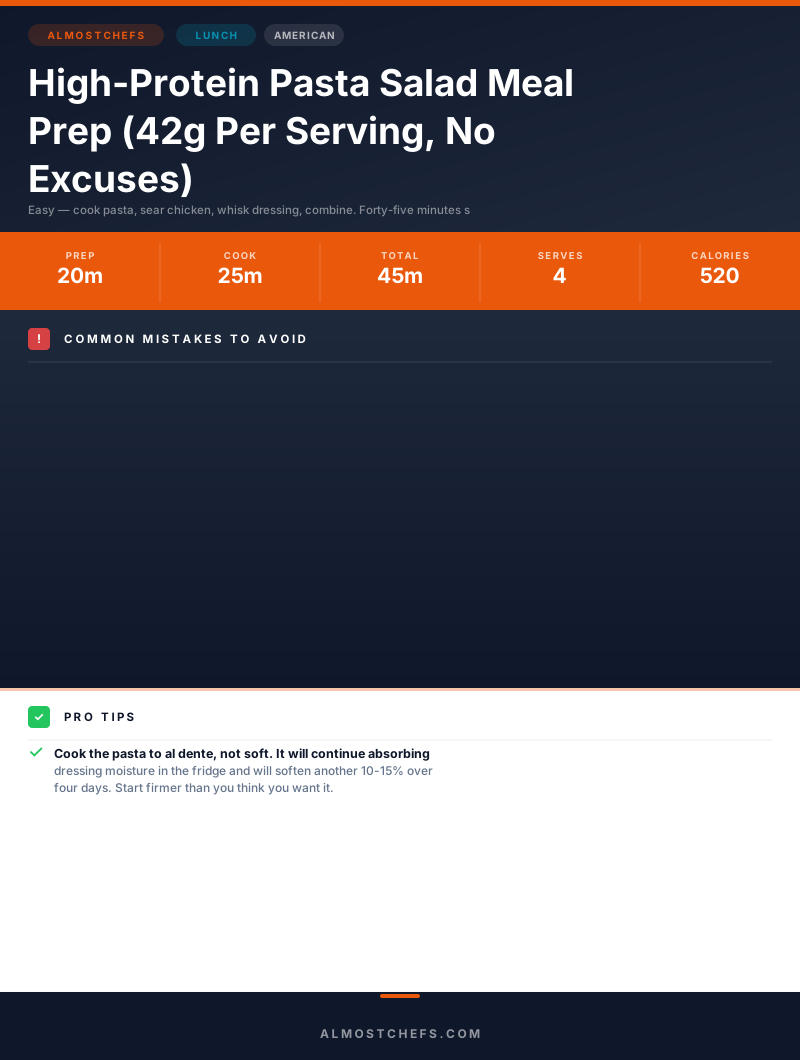
The Science of
High-Protein Pasta Salad Meal Prep (42g Per Serving, No Excuses)
We turned everything on this page into a beautiful, flour-proof PDF cheat sheet. Print it out, stick it to your fridge, and never mess up your high-protein pasta salad meal prep (42g per serving, no excuses) again.
*We'll email you the high-res PDF instantly. No spam, just perfectly cooked meals.
AlmostChefs Editorial Team
We translate the internet's most popular cooking videos into foolproof, beginner-friendly written recipes. We analyze multiple methods, test them in our kitchen, and engineer a single "Master Recipe" that gives you the best possible result with the least possible stress.