38g Protein Lentil Soup (The Greek Yogurt Trick Changes Everything)
A hearty, anti-inflammatory lentil soup supercharged with a Greek yogurt swirl that adds 8g of protein per serving without any heaviness. We broke down the technique to get tender lentils, deeply toasted spices, and a silky finish that tastes like it simmered all day — in under an hour.

“Most lentil soups top out at 18g of protein per bowl. This one hits 38g — without protein powder, without meat, and without tasting like something you're forcing yourself to eat. The mechanism is a Greek yogurt swirl stirred in off-heat, which adds 8g of protein per serving, thickens the broth naturally, and introduces a subtle tang that makes the whole thing taste brighter. One technique change. Twenty extra grams of protein. That's the entire point.”
Why This Recipe Works
Most lentil soups are fiber delivery vehicles with a protein problem. They're filling, they're cheap, they're undeniably good for you — and they max out at 18g of protein per bowl, which is fine if you're not tracking, and deeply frustrating if you are. This recipe solves the protein problem without adding meat, protein powder, or anything that changes what the soup fundamentally is.
The mechanism is Greek yogurt. Not stirred in during cooking, not dumped in cold on top — whisked with fresh lemon juice until smooth and pourable, then swirled into each bowl individually off-heat. This single technique change adds 8g of protein per serving, thickens the broth from the inside out, and introduces a subtle brightness that makes the whole dish taste like it was finished by someone who knows what they're doing. It's the difference between a soup and a meal.
The Spice Bloom Is Not Optional
Every lentil soup recipe tells you to add cumin and paprika. Almost none of them explain why the 30 seconds of toasting in hot fat matters so much. Cumin, smoked paprika, and red pepper flakes carry their flavor compounds in fat-soluble molecules — the same compounds that are completely insoluble in water. If you add spices directly to broth, those compounds float on the surface and never integrate. If you add them to hot oil or fat-coated vegetables and let them cook for 30 full seconds, the fat extracts the compounds and carries them throughout the entire dish.
The practical result: a soup with bloomed spices tastes like the spices are part of the structure. A soup where the spices went straight into the broth tastes like the spices are garnish. Same ingredients, radically different depth.
The Mirepoix Foundation
Onion, carrot, and celery sautéed for 8 full minutes isn't just a flavor base — it's the structural glue of the soup. Each of these vegetables contains different sugars and aromatics that develop during sustained heat. The onions undergo partial caramelization, contributing sweetness. The carrots soften and release beta-carotene, adding body to the broth. The celery's volatile oils mellow from sharp and grassy to something deeper and rounder.
The error most people make is sautéing for 4-5 minutes and calling it close enough. Four minutes produces crunchy carrot coins and raw onion flavor that no amount of simmering will fully fix. Eight minutes is when the vegetables collectively surrender — softened, beginning to color at the edges, smelling like the foundation of something good.
Lentil Selection and Simmer Control
Brown and green lentils are the right call here. Red lentils cook faster and break down into a smoother texture, which works in their favor for some dishes but produces a nearly uniform purée at the 25-minute mark. Brown and green lentils hold their shape, giving you a soup with actual texture — individual lentils in a thick, flavorful broth rather than a one-note slurry.
The simmer temperature matters as much as the simmer time. A hard boil forces hot liquid through the lentil skins before the interior is cooked, splitting the outside while leaving the center chalky. A true medium-low simmer — occasional bubbles, not churning — lets the heat penetrate evenly from the outside in. Use a heavy-bottomed pot that holds temperature without fluctuating every time you lift the lid to stir.
The Yogurt Swirl — Why It Works and When It Fails
Greek yogurt contains whey proteins that denature and seize above approximately 160°F. The result, when you add yogurt to hot soup directly, is curdling — white grainy flecks throughout what should be a smooth, creamy swirl. The fix is straightforward: pull the pot off heat completely, let it rest for 60 seconds, then add the yogurt slowly while stirring. The residual heat is enough to integrate it without triggering protein denaturation.
The lemon juice isn't decorative. Whisking yogurt with acid before it hits the soup does two things: it loosens the yogurt to a pourable consistency and slightly stabilizes the protein structure, making it marginally more heat-tolerant. Without the lemon juice, the yogurt sits in a dense cold mass that takes several stirs to incorporate. With it, you get an even, silky swirl in one motion.
Meal prep note: store the yogurt mixture separately and add it fresh per serving. Yogurt in a sealed container with hot soup for 3-4 days can separate and develop off flavors. Thirty seconds of whisking when you're ready to eat is a better trade than compromised texture all week.
Where Beginners Mess This Up
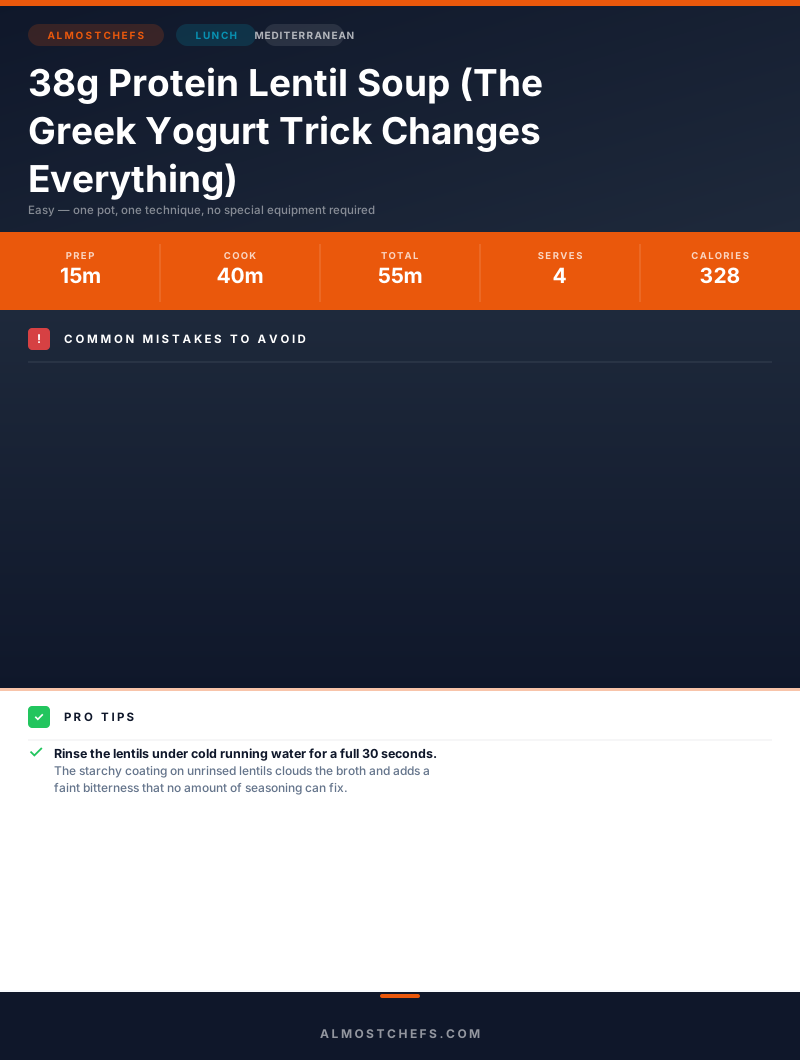
Before we start, read this. These are the 4 reasons your 38g protein lentil soup (the greek yogurt trick changes everything) will fail:
- 1
Adding yogurt over direct heat: Greek yogurt curdles when it hits a boiling or near-boiling liquid. You must remove the pot from heat before swirling it in, or the yogurt breaks into grainy white chunks floating in thin broth. Pull the pot off the burner, let it sit for 60 seconds, then add the yogurt slowly while stirring.
- 2
Undercooking the spices: Cumin, smoked paprika, and red pepper flakes need 30 full seconds of contact with hot oil before anything else goes in. This blooms the spices — releasing the fat-soluble flavor compounds that would otherwise just float on top of the broth. Rushing this step produces a soup that tastes flat no matter how long you simmer it.
- 3
Skipping the lemon juice in the yogurt: Plain yogurt on warm soup tastes chalky and heavy. The tablespoon of fresh lemon juice loosens the yogurt, brightens the flavor, and makes it pourable so it distributes evenly rather than sitting in a cold lump. It takes 10 seconds and it matters.
- 4
Simmering at too high a heat: Lentils need a gentle simmer — medium-low, with occasional bubbles breaking the surface. Hard boiling causes the outer skin to split before the center is cooked, producing a gritty texture and murky broth. If the liquid is churning, turn it down.
The Video Reference Library
Want to see it in action? Here are the exact videos we analyzed and combined to build this foolproof recipe translation:
The source video for this method. Covers the spice-blooming step and the Greek yogurt swirl technique in detail, including the exact off-heat timing for adding dairy without curdling.
🛠️ Core Equipment
- Large heavy-bottomed potEven heat distribution prevents the bottom from scorching during the long simmer. A [Dutch oven](/kitchen-gear/review/dutch-oven) is ideal — the thick walls hold temperature steady so you don't need to babysit the flame.
- Fine-mesh sieveFor rinsing the lentils before they go in. Lentils carry a significant amount of starchy dust that clouds the broth and can add a slightly bitter aftertaste. Thirty seconds under cold water solves both problems.
- Small whiskFor combining the Greek yogurt and lemon juice into a smooth, pourable consistency. A fork works but leaves lumps. The yogurt needs to be completely homogenous before it hits the hot soup.
- LadleLentil soup is thick enough that a ladle gives you control over portion size and prevents splashing when serving into bowls.
38g Protein Lentil Soup (The Greek Yogurt Trick Changes Everything)
🛒 Ingredients
- ✦2 tbsp extra-virgin olive oil
- ✦2 medium yellow onions, finely diced
- ✦3 large carrots, cut into ¼-inch rounds
- ✦3 celery stalks, thinly sliced
- ✦4 cloves garlic, minced
- ✦1½ cups dry brown or green lentils, rinsed
- ✦6 cups low-sodium vegetable or chicken broth
- ✦1 can (14.5 oz) diced tomatoes with juices
- ✦2 tsp ground cumin
- ✦1 tsp smoked paprika
- ✦½ tsp red pepper flakes
- ✦2 bay leaves
- ✦1 cup fresh spinach, roughly chopped
- ✦¾ cup plain nonfat Greek yogurt
- ✦1 tbsp fresh lemon juice
- ✦Sea salt and black pepper to taste
- ✦Fresh parsley or cilantro for garnish
👨🍳 Instructions
01Step 1
Heat olive oil in a large heavy-bottomed pot over medium-high heat until shimmering, about 2 minutes.
02Step 2
Add the diced onions, carrots, and celery. Sauté, stirring occasionally, until the onions turn translucent and the vegetables soften, about 8 minutes.
03Step 3
Stir in the minced garlic and cook for 90 seconds until fragrant. Do not let it brown.
04Step 4
Add the cumin, smoked paprika, and red pepper flakes. Stir constantly for 30 seconds to toast the spices and release their oils.
05Step 5
Pour in the rinsed lentils, broth, diced tomatoes with their liquid, and bay leaves. Bring to a rolling boil.
06Step 6
Reduce heat to medium-low and simmer uncovered for 25-30 minutes, stirring occasionally, until the lentils are tender but still hold their shape.
07Step 7
Fold in the fresh spinach and cook for 2 minutes until fully wilted.
08Step 8
Remove from heat. Discard the bay leaves. Season generously with sea salt and black pepper.
09Step 9
In a small bowl, whisk the Greek yogurt and fresh lemon juice together until smooth and pourable.
10Step 10
Ladle the soup into bowls and top each serving with a generous swirl of the yogurt mixture. Scatter fresh parsley or cilantro over the top.
Nutrition Per Serving
Estimates based on standard preparation. Adjustments alter macros.
🔄 Substitutions
Instead of Plain nonfat Greek yogurt...
Use Plain 2% Greek yogurt or Icelandic-style skyr
Richer mouthfeel and slightly higher calories, but more satisfying per spoonful. Skyr is particularly thick — whisk with extra lemon juice to loosen before adding.
Instead of Brown or green lentils...
Use Red lentils (use 1¼ cups, reduce simmer to 18-20 minutes)
Red lentils cook faster and break down into a naturally creamier, thicker soup. Slightly less fiber but faster weeknight cooking time.
Instead of Vegetable or chicken broth...
Use Bone broth or collagen peptide-enriched broth
Pushes total protein to 42-45g per serving and adds a subtle richness to the base. No technique changes required — straight swap.
Instead of Fresh spinach...
Use Frozen spinach (thawed and drained) or chopped kale
Frozen spinach is just as nutritious and more convenient for meal prep. Kale adds slight earthiness and more chew — add it 3-4 minutes earlier than spinach since it takes longer to soften.
🧊 Storage & Reheating
In the Fridge
Store in an airtight container for up to 4 days. The soup tastes better on day 2 after the spices have had time to meld. Store the yogurt mixture separately to prevent separation.
In the Freezer
Freeze the soup base (without yogurt) in portions for up to 3 months. Thaw overnight in the fridge and prepare fresh yogurt mixture when serving.
Reheating Rules
Add 2-4 tablespoons of broth or water per serving before reheating. Warm over low heat, stirring occasionally, until hot. Add the yogurt mixture only after reheating — never freeze or reheat the yogurt swirl.
❓ Frequently Asked Questions
Why did my Greek yogurt curdle in the soup?
The soup was still too hot when you added it. Greek yogurt breaks at temperatures above 160°F — the proteins seize and separate into grainy white solids. Remove the pot from heat completely, wait 60 seconds, then slowly stir the whisked yogurt in. If it still curdles, your pot is holding heat too efficiently. Let it cool for an extra minute before adding.
Can I blend part of the soup for a creamier texture?
Yes — and it's a useful technique. Remove about 2 cups of the cooked soup, blend it smooth, and stir it back in before adding the spinach. This gives you a thick, velvety base without making the whole thing uniform. The lentils that remain whole add texture contrast.
Is 38g of protein per serving realistic without adding meat?
Yes, but the number requires the Greek yogurt swirl — not just the lentils. Brown lentils deliver about 18g of protein per serving on their own. The ¾ cup of nonfat Greek yogurt adds roughly 15-18g across four servings. Together, with the broth contributing a small amount, you reach the 38g figure. Skip the yogurt and you're back to 18-20g.
Can I use canned lentils to save time?
Technically yes, but the texture suffers. Canned lentils are already fully cooked and tend to go mushy in a 25-minute simmer. If using canned, add them in the last 10 minutes of cooking only. Drain and rinse them first. The total time savings are minimal — maybe 15 minutes — but the texture trade-off is real.
Why does the soup taste flat even though I followed the recipe?
Almost always one of two causes: under-bloomed spices or under-seasoned broth. For spices, make sure they hit hot, fat-coated vegetables and cook for a full 30 seconds before any liquid goes in. For seasoning, lentil soups need more salt than you think — taste at the end and season aggressively. A final squeeze of fresh lemon juice before serving also brightens everything significantly.
How do I know when the lentils are done?
Press a single lentil between your tongue and the roof of your mouth. It should yield completely with no gritty resistance and no firm white center. Alternatively, press one between your fingers — a fully cooked lentil crushes easily into a smooth paste. If you feel any hard core, simmer for another 5 minutes and test again.
The Science of
38g Protein Lentil Soup (The Greek Yogurt Trick Changes Everything)
We turned everything on this page into a beautiful, flour-proof PDF cheat sheet. Print it out, stick it to your fridge, and never mess up your 38g protein lentil soup (the greek yogurt trick changes everything) again.
*We'll email you the high-res PDF instantly. No spam, just perfectly cooked meals.
AlmostChefs Editorial Team
We translate the internet's most popular cooking videos into foolproof, beginner-friendly written recipes. We analyze multiple methods, test them in our kitchen, and engineer a single "Master Recipe" that gives you the best possible result with the least possible stress.