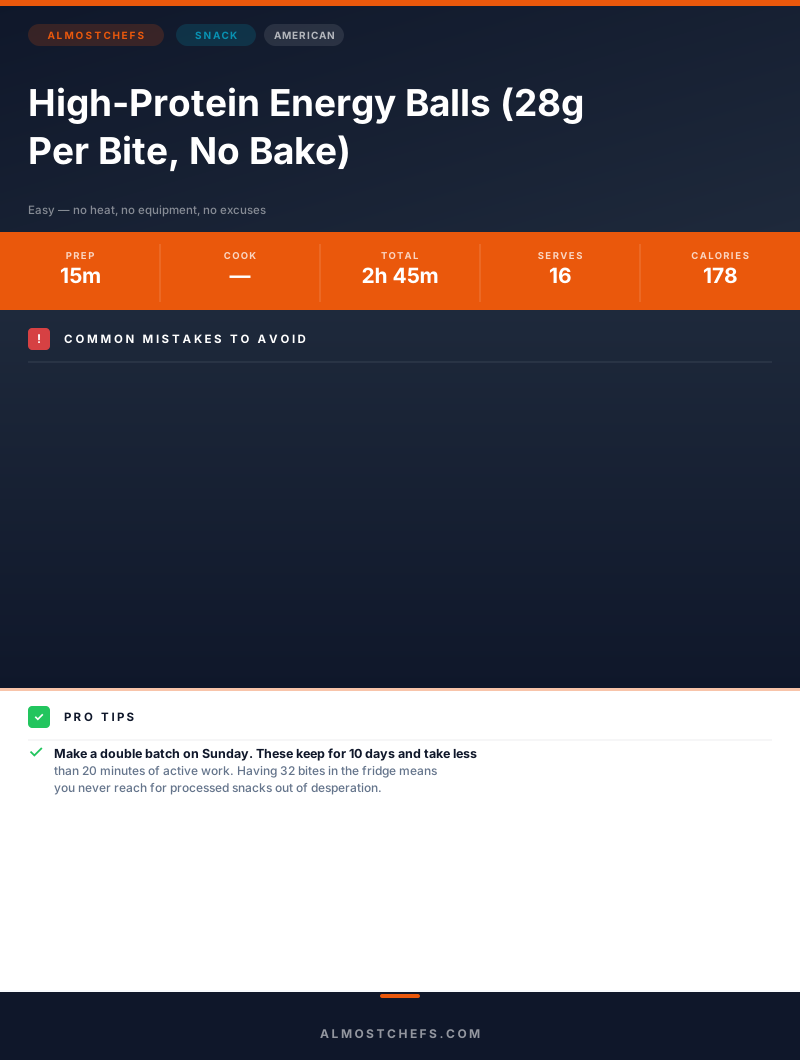
High-Protein Energy Balls (28g Per Bite, No Bake)
No-bake protein bites that pack 28g of protein per serving using Greek yogurt, whey protein, and almond butter. We stripped the sugar, kept the chocolate-peanut flavor, and built a snack you'll actually crave between meals — not just tolerate.

“Most energy balls are glorified candy — rolled oats, honey, and chocolate chips pretending to be fitness food. This version actually earns the protein claim: 28g per serving from Greek yogurt, whey protein powder, and almond butter working in combination. The texture is fudgy and rich. The flavor is deep chocolate with a slight nuttiness. And every single bite is doing real work on muscle recovery and satiety — not just coating your teeth in sugar.”
Why This Recipe Works
Energy balls have a marketing problem. The category is dominated by medjool dates, rolled oats, and a tablespoon of almond butter — which produces something that tastes like a compressed granola bar and delivers roughly the same protein as a glass of milk. Call it a snack, call it a treat, but don't call it a recovery food.
This version is built differently.
The Protein Stack
The 28g protein figure comes from three sources operating in parallel: Greek yogurt, vanilla whey protein powder, and almond butter. None of them alone would get you there. Together, they hit a number that rivals a chicken breast — in a cold, chocolate-covered ball you can eat while driving.
The reason this combination works nutritionally is amino acid complementarity. Whey protein is a complete protein with a particularly high leucine content, which is the amino acid most directly responsible for triggering muscle protein synthesis. Greek yogurt contributes casein — a slower-digesting protein that provides sustained amino acid release over 2-4 hours. Almond butter adds plant-based protein with a different amino acid profile. The stack covers fast, medium, and slow absorption windows in a single serving. Most commercial protein snacks use one source and pad the rest with maltodextrin. This uses three real sources and nothing fake.
Why the Texture Works
No-bake protein recipes fail on texture constantly. Too dry from excess protein powder. Too wet from yogurt that doesn't set. Too sticky to portion. The 2-hour chill solves all of it.
During chilling, the Greek yogurt firms up as its proteins tighten in the cold. The almond butter — which is mostly fat — transitions from fluid to semi-solid, acting as a binder. The oats hydrate slightly from the yogurt's moisture, swelling just enough to create structure without turning the whole thing into a dense brick. The result is a fudgy, cohesive texture that holds its shape when rolled and doesn't disintegrate when you bite in.
The small cookie scoop is not optional equipment for serious meal prep. Portioning by eye produces 20-gram variance between individual balls, which means your macros per serving are a fiction. A scoop standardizes every ball. When you're tracking protein gram-for-gram post-training, uniformity matters.
The Cocoa Architecture
Unsweetened cocoa powder does two things in this recipe: it adds flavor, and it absorbs moisture. The combination of cocoa and whey protein powder creates a batter that firms dramatically when chilled — more so than either ingredient alone. This is why you add both to the yogurt base before the honey: you want the dry ingredients fully hydrated into the wet mixture before adding the binding agent.
The honey goes in last among the wet ingredients for the same reason you add honey to bread dough last — it competes with water for hydration. If you add it before the protein powder and cocoa are fully incorporated, you end up with a paste that sets too fast and doesn't mix evenly.
The Coconut Oil Shell
The coconut oil coating is a finishing move, not a nutritional feature. At refrigerator temperature, coconut oil is solid — it sets within minutes of contact with a cold ball, creating a thin shell that accomplishes three things: it prevents the balls from sticking together in the container, it adds a subtle richness that smooths the bitterness of the cocoa, and it signals to your brain that this is a treat worth looking forward to. That last one is not nothing. A snack you dread eating doesn't get eaten.
The entire recipe takes 20 minutes of active work. Everything else is the refrigerator doing its job. Make a double batch.
Where Beginners Mess This Up
Before we start, read this. These are the 4 reasons your high-protein energy balls (28g per bite, no bake) will fail:
- 1
Not chilling the mixture long enough before rolling: The Greek yogurt and almond butter combination is soft at room temperature. If you skip or shorten the 2-hour chill, the mixture sticks to your hands, warms up fast, and produces misshapen balls that fall apart. Two hours minimum. Four is better. The cold sets the protein structure so the balls hold their shape when rolled.
- 2
Using sweetened or flavored yogurt: Any added sugar in the yogurt base pushes the total sugar count up and masks the clean protein flavor. Plain nonfat Greek yogurt only. The honey in the recipe provides all the sweetness you need — anything else tips this from a high-protein snack into a dessert with a marketing problem.
- 3
Folding in the chocolate chips too early: If the mixture is even slightly warm when you add the chips, they start to melt and bleed into the batter. That turns the whole thing a muddy grey-brown and you lose the texture contrast. Chill the base first, then fold in chips cold.
- 4
Rolling with warm hands for too long: Body heat is the enemy here. Work in small batches — roll 4 or 5 balls, then return the remainder to the fridge. If your kitchen is warm, chill your hands under cold water between batches. Speed and cold are everything.
The Video Reference Library
Want to see it in action? Here are the exact videos we analyzed and combined to build this foolproof recipe translation:
The source video for this recipe. Covers the mixing sequence, chilling technique, and rolling method with clear close-ups of the texture at each stage.
🛠️ Core Equipment
- Large mixing bowlYou need room to fold in the dry ingredients without the mixture climbing the sides. A cramped bowl means uneven distribution — some bites will be oat-heavy, others won't be.
- Small cookie scoop (1 tablespoon)Portioning by eye produces wildly inconsistent ball sizes, which means inconsistent macros. A scoop creates uniform 16-portion bites every time without over-handling the mixture.
- Parchment-lined baking sheetThe coconut oil coating needs a non-stick surface to set on. Wax paper works in a pinch but tends to stick at the edges. Parchment releases cleanly every time.
- Airtight containerExposure to air dries the surface of the balls and degrades the yogurt's texture over time. An airtight container keeps them fudgy for the full 10-day refrigerator window.
High-Protein Energy Balls (28g Per Bite, No Bake)
🛒 Ingredients
- ✦1 cup plain nonfat Greek yogurt
- ✦1/2 cup natural almond butter
- ✦1/3 cup vanilla whey protein powder
- ✦1/4 cup unsweetened cocoa powder
- ✦1/4 cup raw honey
- ✦1/2 cup old-fashioned rolled oats
- ✦1/3 cup chopped raw almonds
- ✦2 tablespoons ground flaxseed
- ✦1 teaspoon vanilla extract
- ✦1/4 teaspoon sea salt
- ✦1/4 cup dark chocolate chips (70% cacao or higher)
- ✦2 tablespoons coconut oil, for coating
👨🍳 Instructions
01Step 1
Combine the Greek yogurt, almond butter, and vanilla extract in a large mixing bowl. Stir until completely smooth with no streaks.
02Step 2
Add the vanilla whey protein powder and cocoa powder. Mix thoroughly until no lumps remain and the mixture turns a uniform deep chocolate brown.
03Step 3
Stir in the raw honey until the mixture becomes thick and fudgy, about 1 minute of consistent stirring.
04Step 4
Fold in the rolled oats, chopped almonds, ground flaxseed, and sea salt until evenly distributed throughout the base.
05Step 5
Fold in the dark chocolate chips gently so they stay intact rather than melting into the mixture.
06Step 6
Cover the bowl tightly with plastic wrap and refrigerate for at least 2 hours, or until the mixture is firm enough to roll without sticking to your hands.
07Step 7
Scoop the chilled mixture using a tablespoon or small cookie scoop to create roughly 16 equal portions.
08Step 8
Roll each portion between your palms into a compact ball, working quickly. Return the unrolled mixture to the fridge between batches if your kitchen is warm.
09Step 9
Melt the coconut oil in a small shallow bowl or use it at room temperature if slightly softened. Dip each ball lightly to coat, then place on a parchment-lined baking sheet.
10Step 10
Return the coated balls to the refrigerator for at least 30 minutes to set the coconut coating.
11Step 11
Transfer to an airtight container. Store in the refrigerator for up to 10 days, or freeze for up to 3 months.
Nutrition Per Serving
Estimates based on standard preparation. Adjustments alter macros.
🔄 Substitutions
Instead of Vanilla whey protein powder...
Use Chocolate whey protein powder
Creates a richer, more dessert-like flavor. Reduce the cocoa powder to 2 tablespoons to avoid bitterness. Protein content stays identical.
Instead of Natural almond butter...
Use Natural peanut butter or powdered peanut butter (PB2)
Peanut butter shifts the flavor to classic chocolate-peanut. PB2 reduces fat and calories significantly but makes the mixture slightly drier — add 1 extra tablespoon of Greek yogurt to compensate.
Instead of Plain nonfat Greek yogurt...
Use Nonfat cottage cheese (blended smooth) or Icelandic skyr
Cottage cheese must be blended for 1-2 minutes to remove all lumps before using. Both options increase protein density slightly and create a denser, creamier base.
Instead of Raw honey...
Use Allulose or monk fruit sweetener (use 3 tablespoons)
Keeps the recipe low-glycemic without the blood sugar spike. The texture changes slightly — allulose is slightly less viscous than honey, so the mixture may need an extra 15 minutes of chilling to firm up.
🧊 Storage & Reheating
In the Fridge
Store in an airtight container for up to 10 days. Layer between sheets of parchment paper if stacking to prevent sticking.
In the Freezer
Freeze individually on a baking sheet first, then transfer to a zip-lock bag or airtight container for up to 3 months.
Reheating Rules
No reheating needed. Pull from the freezer and let sit at room temperature for 10-15 minutes. They're best eaten cold or slightly chilled — warmth softens the coconut coating and makes them sticky.
❓ Frequently Asked Questions
How is 28g of protein per serving possible in a no-bake ball?
Three protein sources are working together: Greek yogurt (approximately 10g per serving), vanilla whey protein powder (approximately 12g per serving), and almond butter (approximately 6g per serving). The combination stacks amino acid profiles and drives the total far beyond what any single source could achieve. Most commercial energy balls use only oats and nut butter — which is why they cap out around 4-6g per serving.
Can I use a plant-based protein powder instead of whey?
Yes, with adjustments. Pea or brown rice protein powders absorb more moisture than whey, so the mixture will become significantly drier. Add 2-3 extra tablespoons of Greek yogurt and increase the chill time to 3-4 hours. The texture will be slightly grainier but still functional.
Why do my balls fall apart when rolling?
The mixture isn't cold enough. Two hours in the fridge is the minimum — four is better. If they're still falling apart after a full chill, add 1 tablespoon of almond butter to increase the fat-based binding. Fat is what holds these together, not flour or eggs.
Can I make these without oats to reduce carbs?
Yes. Omit the oats entirely or substitute with allulose-sweetened oats. The texture becomes creamier and slightly denser — closer to a truffle than a traditional energy ball. The carb count drops by roughly 4-5g per serving. The binding is unaffected since the protein and fat are doing most of the structural work.
Do I need the coconut oil coating?
No. It's cosmetic and textural, not structural. The balls hold together without it. The coating adds a thin shell that prevents sticking in the container and contributes about 1g of saturated fat per serving. Skip it if you're managing fat intake or simply don't want the extra step.
Are these actually good post-workout?
Yes — specifically because the protein is fast-digesting (whey) and the carbs are moderate (14g). Post-workout, your muscles need available amino acids within 30-60 minutes of training. Whey delivers that faster than any food-based protein source. The honey provides quick glycogen replenishment. Two to three balls immediately after training covers both bases without the bloat of a full meal.
The Science of
High-Protein Energy Balls (28g Per Bite, No Bake)
We turned everything on this page into a beautiful, flour-proof PDF cheat sheet. Print it out, stick it to your fridge, and never mess up your high-protein energy balls (28g per bite, no bake) again.
*We'll email you the high-res PDF instantly. No spam, just perfectly cooked meals.
AlmostChefs Editorial Team
We translate the internet's most popular cooking videos into foolproof, beginner-friendly written recipes. We analyze multiple methods, test them in our kitchen, and engineer a single "Master Recipe" that gives you the best possible result with the least possible stress.