Loaded Protein Egg Muffins (32g Protein Per Serving, Zero Excuses)
Egg muffins rebuilt from the ground up with Greek yogurt, cottage cheese, and lean turkey sausage to deliver 32g of protein per serving. We engineered the ratio so each muffin is structurally sound, not rubbery — and they meal prep like a dream for the entire week.
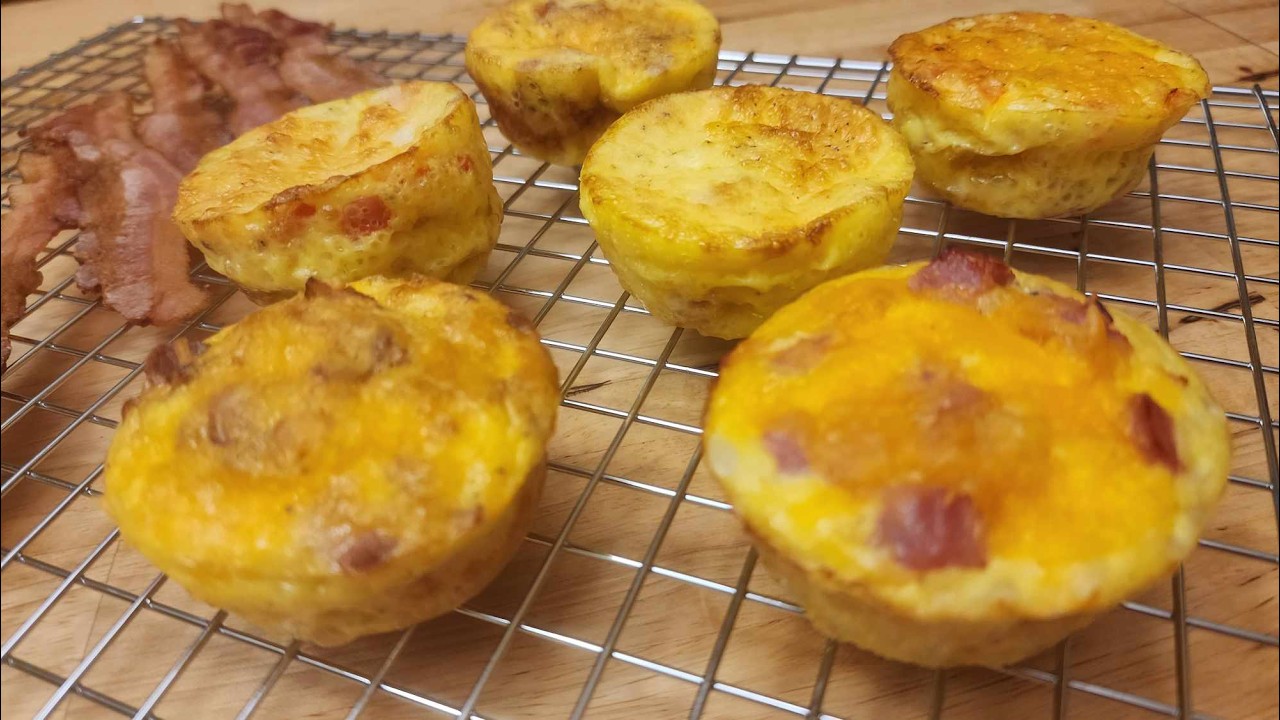
“Most egg muffin recipes are just baked omelettes in a tin. Fine, but forgettable. These are different. By folding Greek yogurt and cottage cheese directly into the egg base, you're not just adding protein — you're changing the structure. The curds create a slightly airy, custardy interior that standard egg muffins never achieve, and the protein count jumps to 32g per muffin without adding a single extra calorie you'll regret. This is the version worth actually making on Sunday night.”
Why This Recipe Works
Egg muffins exist in a culinary gray zone — too casual to be taken seriously by most food writers, too useful to be ignored by anyone who actually cooks for themselves. The standard version is fine. Ten eggs, some vegetables, a handful of cheese, done. But fine is not why you meal prep. You meal prep because you want something you'll actually reach for at 6:45 a.m. when the only alternative is a granola bar. That version needs to be built differently.
The Protein Architecture
The modification here is not aesthetic. Adding Greek yogurt and cottage cheese to the egg base is a structural decision. Both are concentrated sources of complete protein — Greek yogurt runs around 17g per cup, cottage cheese around 25g — and folding them into the batter distributes that protein uniformly across all twelve muffins without adding any perceptible dairy flavor.
More importantly, the curds from the cottage cheese and the slight acidity from the yogurt change the texture of the baked egg. Standard egg muffins bake into something firm and slightly dense — palatable, but forgettable. The yogurt-cottage cheese matrix creates a subtly custardy interior, closer to a baked frittata than a rubbery egg disc. The difference is small in description and significant in your mouth.
Why Turkey Sausage, Browned Properly
Ground turkey sausage is the most neutral vehicle for bringing meat protein into this format. Chicken breast is too lean and tends to dry out in a 22-minute bake. Whole sausage links have the wrong texture when crumbled. Ground turkey hits the middle: enough fat to stay moist under heat, enough surface area to brown properly in a skillet.
The browning step is not optional. Raw turkey mixed into egg batter produces pallid, steamed meat with a texture resembling wet paper. Two minutes in contact with a hot skillet — real contact, not shuffling it around constantly — develops the Maillard compounds that taste like breakfast rather than protein supplement. The paper towel drain after is equally non-negotiable. Excess fat in the batter is what separates a clean, structured muffin from one that pools grease at the bottom of your container by Tuesday.
The Vegetable Equation
Spinach and bell peppers are here for color, moisture, and micronutrients — but they require management. Spinach wilts dramatically when exposed to the heat and salt of the batter. Chop it small so it distributes evenly rather than clumping into a single soggy pocket. Bell peppers add crunch and sweetness without releasing excess moisture, which is why they're the structural vegetable in this recipe.
The onion — diced fine, not sautéed — softens fully during the 22-minute bake. Raw onion bite disappears. What you're left with is mellow sweetness threaded through the egg base, invisible in texture and essential in flavor.
The Muffin Tin as Precision Tool
A 12-cup muffin tin is doing more than just shaping here. The individual cups create the surface-to-volume ratio that allows the egg to set evenly from the outside in. Too much batter per cup and the center stays liquid while the edges overcook. Three-quarters full is the engineering spec, not a suggestion.
The 350°F temperature is also deliberate. Higher heat sets the edges too fast and leaves the center raw. Lower heat dries the exterior before the inside firms up. Thirty-five to fifty degrees in either direction and you're in problem territory. Trust the temperature.
What Meal Prep Actually Means
Five days in the fridge, two months in the freezer — but the real metric is whether they're worth reheating. These are. The yogurt-cottage cheese base retains moisture better than straight-egg muffins, which means they don't turn into hockey pucks on day four. Wrap them in a damp paper towel before microwaving and they come out tasting close enough to fresh that the distinction stops mattering at 6:45 a.m.
That's the whole point.
Where Beginners Mess This Up
Before we start, read this. These are the 4 reasons your loaded protein egg muffins (32g protein per serving, zero excuses) will fail:
- 1
Filling the muffin cups too full: Egg mixtures puff during baking and shrink as they cool. Fill each cup only three-quarters full. Any more and the muffins overflow, bond to the pan, and tear when you try to remove them. You'll also end up with a rubbery dense core that never quite sets in the center.
- 2
Skipping the nonstick spray — or using too little: Egg proteins are notoriously adhesive. A light mist of cooking spray is not enough. You need a thorough coat on the bottom and up the sides of every cup. Silicone muffin tins are more forgiving, but if you're using a standard metal tin, coat it like you mean it.
- 3
Not draining the cooked sausage: Ground turkey sausage releases fat as it browns. If you fold it into the egg mixture straight from the skillet, that fat disperses into the batter and the muffins turn greasy and weep liquid as they bake. Thirty seconds on a paper towel makes the difference between a clean muffin and a soggy one.
- 4
Pulling the muffins too early: The center should be fully set — no jiggle — before you pull the tin. Undercooked egg muffins collapse as they cool and turn watery. At 350°F, 20-24 minutes is the range depending on your oven. Check at 20 minutes, but if the center gives when you touch it, give it two more.
The Video Reference Library
Want to see it in action? Here are the exact videos we analyzed and combined to build this foolproof recipe translation:
The source video that inspired this version. Clear walkthrough of the mixing technique and a good visual reference for what properly set egg muffins look like before pulling from the oven.
🛠️ Core Equipment
- 12-cup muffin tinStandard size is non-negotiable. Mini muffin tins throw off the ratio of filling to egg and change the bake time significantly. A heavy tin distributes heat more evenly and reduces the chance of burnt bottoms.
- Large mixing bowlYou need room to fold the sausage and vegetables into the egg base without splashing. A too-small bowl means uneven distribution and some muffins getting more filling than others.
- Skillet for browning sausageGround turkey sausage needs direct contact with a hot surface to brown properly. Cooking it in the oven or microwave produces pale, steamed meat with none of the Maillard browning that drives flavor.
- Small offset spatula or paring knifeFor releasing the muffins cleanly from the tin. Running a thin blade around each cup before popping them out prevents torn edges and preserves the shape.
Loaded Protein Egg Muffins (32g Protein Per Serving, Zero Excuses)
🛒 Ingredients
- ✦10 large eggs
- ✦1/2 cup plain nonfat Greek yogurt
- ✦1/2 cup low-fat cottage cheese
- ✦4 oz lean ground turkey sausage, cooked and crumbled
- ✦1 cup fresh spinach, roughly chopped
- ✦1/2 cup diced bell peppers (red or yellow)
- ✦1/4 cup diced onion
- ✦1/3 cup shredded cheddar cheese
- ✦1/4 teaspoon garlic powder
- ✦1/4 teaspoon black pepper
- ✦1/4 teaspoon sea salt
- ✦2 tablespoons fresh chives, finely minced
- ✦Nonstick cooking spray
👨🍳 Instructions
01Step 1
Preheat your oven to 350°F and generously coat all 12 cups of a muffin tin with nonstick cooking spray, including the sides.
02Step 2
Brown the ground turkey sausage in a skillet over medium-high heat, breaking it into small crumbles as it cooks, until no pink remains — about 5 minutes.
03Step 3
Transfer the cooked sausage to a paper towel-lined plate and let it drain and cool for at least 3 minutes.
04Step 4
Whisk the eggs, Greek yogurt, and cottage cheese together in a large mixing bowl until the mixture is smooth and the cottage cheese curds are mostly broken up, about 1 minute of vigorous whisking.
05Step 5
Fold in the cooled sausage, spinach, bell peppers, onion, cheddar cheese, garlic powder, black pepper, sea salt, and fresh chives until evenly distributed.
06Step 6
Divide the mixture evenly among the 12 muffin cups, filling each approximately three-quarters full.
07Step 7
Bake at 350°F for 20-24 minutes, until the egg muffins are fully set in the center and lightly golden on top.
08Step 8
Remove from the oven and let cool in the tin for 5 minutes.
09Step 9
Run a small knife or offset spatula around each muffin to loosen, then pop them out onto a wire rack. Serve warm or cool completely before storing.
Nutrition Per Serving
Estimates based on standard preparation. Adjustments alter macros.
🔄 Substitutions
Instead of Greek yogurt and cottage cheese...
Use 1 cup total plain nonfat Greek yogurt only
Slightly smoother texture, same protein content around 28g per serving. Less tangy flavor. Good option if cottage cheese texture is unappealing.
Instead of Ground turkey sausage...
Use 4 oz cooked ground chicken breast or lean ground beef
Chicken is milder, beef is richer. Protein stays consistent at 32g per serving. Excellent for varying flavors across multiple meal prep batches.
Instead of Spinach and bell peppers...
Use 1 cup diced broccoli florets and 1/4 cup diced mushrooms
Earthier flavor with added umami from the mushrooms. Same fiber and micronutrient range. Broccoli should be very finely chopped so it distributes evenly.
Instead of Cheddar cheese...
Use Feta or Swiss cheese
Feta brings a tangier, saltier bite. Swiss adds nuttiness. Both melt similarly and work well in an egg-based bake. Reduce added salt slightly if using feta.
🧊 Storage & Reheating
In the Fridge
Store in an airtight container for up to 5 days. Layer with parchment paper if stacking to prevent sticking.
In the Freezer
Wrap individual muffins in plastic wrap and freeze for up to 2 months. Thaw overnight in the fridge or microwave directly from frozen.
Reheating Rules
Microwave wrapped in a damp paper towel for 45-60 seconds from refrigerated, or 90 seconds from frozen. The moisture barrier prevents the egg from turning rubbery.
❓ Frequently Asked Questions
Why are my egg muffins rubbery?
Overcooking is the primary cause. Egg proteins tighten dramatically past 165°F. Pull the muffins as soon as the center is just set — they continue cooking from residual heat in the tin. Also check that you're including the Greek yogurt and cottage cheese, which add moisture and create a softer interior texture.
Can I make these dairy-free?
Yes. Replace the Greek yogurt and cottage cheese with an equal volume of unsweetened plain coconut yogurt or blended silken tofu. The protein count will drop, but the structure holds. Skip the cheddar or use a dairy-free shredded cheese.
Why do my muffins shrink after baking?
All egg-based bakes shrink as they cool — it's physics, not a failure. The steam inside the muffin condenses as temperature drops, and the structure contracts slightly. This is normal. If they're collapsing significantly, you likely underbaked them or overfilled the cups.
Can I prep the batter the night before?
Yes, with one caveat: don't fold in the spinach until morning. Spinach releases moisture as it sits in the salt-seasoned batter overnight, which can make the mixture watery by the time you bake. Everything else can be combined, covered, and refrigerated overnight.
How do I get the protein up even higher?
Add 2 tablespoons of unflavored whey or egg white protein powder directly to the egg-yogurt-cottage cheese mixture before whisking. It blends in without affecting texture noticeably and can push each muffin above 35g of protein.
Can I use egg whites instead of whole eggs?
You can swap up to half the whole eggs for egg whites — a 2:1 ratio of whites to yolks is the practical limit. Beyond that, the muffins lose the fat-soluble binding that yolks provide and turn spongier. Full egg-white muffins are technically possible but noticeably less satisfying in texture.
The Science of
Loaded Protein Egg Muffins (32g Protein Per Serving, Zero Excuses)
We turned everything on this page into a beautiful, flour-proof PDF cheat sheet. Print it out, stick it to your fridge, and never mess up your loaded protein egg muffins (32g protein per serving, zero excuses) again.
*We'll email you the high-res PDF instantly. No spam, just perfectly cooked meals.
AlmostChefs Editorial Team
We translate the internet's most popular cooking videos into foolproof, beginner-friendly written recipes. We analyze multiple methods, test them in our kitchen, and engineer a single "Master Recipe" that gives you the best possible result with the least possible stress.