Creamy Cottage Cheese Ice Cream (28g Protein Per Scoop)
A legitimate high-protein frozen dessert built on strained cottage cheese, Greek yogurt, and almond butter. We reverse-engineered the texture science to deliver soft-serve creaminess at 28g protein per serving — no ice cream machine required.

“Most high-protein desserts taste like a punishment. This one doesn't. The trick is treating cottage cheese like a base ingredient rather than a compromise — strain it, blend it until every curd disappears, and fold in whipped cream for air. What you get is a soft-serve that legitimately tastes like ice cream and delivers 28g of protein per bowl. The fitness internet discovered this by accident. We figured out exactly why it works.”
Why This Recipe Works
Cottage cheese ice cream is not a trend. It is a solution to a problem that every person who has ever tried to eat well has faced: the frozen dessert problem. Ice cream satisfies something deep and specific — creamy, cold, sweet, rich — and no amount of frozen banana or protein bar is a convincing substitute. This recipe doesn't ask you to settle. It asks you to understand the food science well enough to build the real thing from better ingredients.
The Emulsification Problem
Raw cottage cheese is roughly 80% water bound in protein curds. Freeze it without modification and you get a block of flavored ice with an unpleasant grainy texture. The straining step removes the free whey — the liquid that doesn't contribute to flavor or texture and only creates iciness. Ten minutes through cheesecloth pulls out the problem before it starts.
The blending step does the structural work. At high speed, a high-powered blender shears the curd proteins apart and emulsifies them with the fat from the almond butter and yogurt. The result is not "blended cottage cheese" — it's a new substance, smooth and homogenous, with the protein density of cottage cheese and the texture potential of heavy cream. Ninety seconds is the minimum. Under that threshold, residual curds survive the blade and freeze into gritty pockets.
Why Air Is the Ingredient Nobody Lists
The whipped cream is not a richness add. It is an aeration system. Traditional ice cream gets its light, scoopable texture from a machine that churns air into the base continuously as it freezes. This recipe has no machine. The whipped cream carries those air bubbles in instead, suspended in a protein-fat foam that holds its structure through the freeze cycle.
This is why the fold matters. Aggressive stirring collapses the foam. A spatula working in wide, gentle arcs preserves it. The difference between two-minute ice cream and fifteen-minute ice cream is the person standing at the bowl deciding whether to stir or fold. Fold.
The Freeze Point Problem
Cottage cheese freezes harder than traditional ice cream because it has less dissolved sugar and less fat — two things that lower the freeze point of any liquid mixture. This is the entire reason the recipe includes monk fruit sweetener and optionally xanthan gum.
Sweeteners depress the freeze point, keeping more of the mixture in a semi-liquid state at serving temperature. Xanthan gum — a polysaccharide derived from fermented corn — binds free water molecules and physically prevents them from forming large ice crystals. One teaspoon costs you nothing nutritionally and buys you significantly smoother texture. The five-minute counter rest before serving does the rest, bringing the surface temperature just above the threshold where it becomes scoopable.
The 28g Protein Math
The combination of full-fat cottage cheese (14g per cup), Greek yogurt (17g per cup), and almond butter (7g per 2 tablespoons) creates a base with exceptional protein density before a single supplement enters the picture. There is no powder, no isolate, no additive. The protein comes from whole food sources with intact amino acid profiles and none of the chalky aftertaste that plagues protein-forward desserts.
For anyone using this as a post-training snack: the casein protein dominant in cottage cheese digests slowly — releasing amino acids over four to six hours. This makes it specifically well-suited as a late-night recovery food, which is exactly when most people want ice cream anyway.
The Chocolate Variation
Adding two tablespoons of unsweetened cocoa powder before blending does three things simultaneously: it deepens flavor, adds a small amount of fiber (about 1g), and introduces cocoa butter into the fat matrix, which improves creaminess and lowers the freeze point slightly. The bitterness of high-cacao cocoa also reduces the perception of sweetness needed — meaning you can cut the honey by a tablespoon without the result tasting less satisfying. This is the version worth making for anyone who finds the vanilla base too mild.
Where Beginners Mess This Up
Before we start, read this. These are the 4 reasons your creamy cottage cheese ice cream (28g protein per scoop) will fail:
- 1
Skipping the cottage cheese strain: Unstrained cottage cheese contains excess whey that dilutes the base and produces an icy, grainy freeze. Ten minutes through cheesecloth removes enough liquid to transform a loose curd mixture into a thick, blendable cream. Skip this and no amount of xanthan gum will save the texture.
- 2
Under-blending the base: Cottage cheese needs a full 90 seconds in a high-powered blender to fully emulsify. Stop at 30 seconds and you'll still have visible curds that freeze into unpleasant chunks. Run it until the mixture is completely silky with zero visible texture — then run it 15 more seconds.
- 3
Folding the whipped cream too aggressively: The whipped cream is your air source. Fold it in two additions with a wide spatula using sweeping bottom-to-top motions. Stir it like pancake batter and you deflate every bubble you spent two minutes building — the result is dense, almost gummy ice cream instead of light soft-serve.
- 4
Serving straight from the freezer: Cottage cheese ice cream freezes harder than traditional ice cream because of its lower fat content relative to dairy. Pull it from the freezer 5 minutes before serving. This is not optional — it's the difference between scoopable and shatterproof.
The Video Reference Library
Want to see it in action? Here are the exact videos we analyzed and combined to build this foolproof recipe translation:
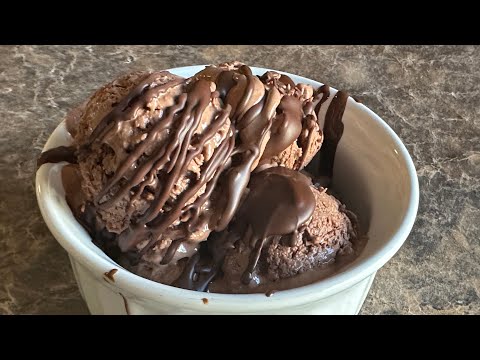
The source video that sparked the cottage cheese ice cream trend. Clear breakdown of the blend time and fold technique that determines final texture.
2. Protein Ice Cream Methods Compared
Side-by-side comparison of different high-protein frozen dessert bases. Useful for understanding why cottage cheese outperforms protein powder-based versions on texture.
3. The Science of No-Churn Ice CreamExplains the food science behind air incorporation and freeze point depression — the two principles that make this recipe work without an ice cream machine.
🛠️ Core Equipment
- High-powered blender ↗A regular blender won't fully emulsify cottage cheese curds. You need the blade speed of a [high-powered blender](/kitchen-gear/review/high-powered-blender) to break the curd proteins down completely into a smooth, uniform base.
- Cheesecloth or fine-mesh strainer ↗Straining removes the excess whey that causes iciness. A [fine-mesh strainer](/kitchen-gear/review/fine-mesh-strainer) works in ten minutes without requiring cheesecloth. This single step is responsible for half the texture improvement.
- Electric hand mixer ↗For whipping the heavy cream to soft peaks in two minutes. A [hand mixer](/kitchen-gear/review/electric-hand-mixer) is far faster and more consistent than trying to whip cream by hand, which often results in uneven aeration.
- Freezer-safe airtight container ↗A shallow, wide container freezes the mixture more evenly than a deep one. It also makes scooping dramatically easier. Avoid containers with loose lids — freezer burn starts forming within hours on exposed surface.
Creamy Cottage Cheese Ice Cream (28g Protein Per Scoop)
🛒 Ingredients
- ✦2 cups full-fat cottage cheese, strained through cheesecloth for 10 minutes
- ✦1 cup plain Greek yogurt (0% or 2% fat)
- ✦1/3 cup natural almond butter, creamy
- ✦1/4 cup pure vanilla extract
- ✦3 tablespoons raw honey or maple syrup
- ✦2 tablespoons unsweetened cocoa powder (optional, for chocolate variation)
- ✦1/4 teaspoon sea salt
- ✦1/2 cup heavy whipping cream, chilled
- ✦2 tablespoons monk fruit sweetener or erythritol
- ✦1 teaspoon xanthan gum (optional, for smoother texture)
- ✦1/2 cup dark chocolate chips (70% cacao or higher)
- ✦2 tablespoons chopped roasted almonds for topping
👨🍳 Instructions
01Step 1
Strain the cottage cheese through cheesecloth or a fine-mesh strainer for 10 minutes to remove excess whey.
02Step 2
Combine the strained cottage cheese, Greek yogurt, almond butter, vanilla extract, honey, and sea salt in a high-powered blender.
03Step 3
Blend on high speed for 90 seconds until completely smooth with no visible curds.
04Step 4
Pour the blended mixture into a large bowl and refrigerate for 15 minutes to chill.
05Step 5
Whip the chilled heavy cream in a separate bowl using an electric mixer until soft peaks form, about 2 minutes.
06Step 6
Fold the whipped cream into the cottage cheese mixture in two additions using a wide spatula with gentle sweeping motions.
07Step 7
Add the monk fruit sweetener and xanthan gum if using, folding until fully incorporated.
08Step 8
Transfer the mixture to a freezer-safe airtight container and spread evenly.
09Step 9
Freeze for 4 hours for soft-serve consistency, or overnight for a firmer, more traditional scoop.
10Step 10
Remove from the freezer 5 minutes before serving to allow slight softening.
11Step 11
Scoop into bowls and top with dark chocolate chips and chopped almonds.
Nutrition Per Serving
Estimates based on standard preparation. Adjustments alter macros.
🔄 Substitutions
Instead of Greek yogurt...
Use Icelandic skyr (2:1 ratio)
Slightly tangier flavor, creamier mouthfeel, and adds approximately 3g extra protein per serving. Skyr's naturally thicker consistency also reduces the need for xanthan gum.
Instead of Heavy whipping cream...
Use Cashew cream (soaked cashews blended with water)
Dairy-free option that maintains creaminess with less saturated fat. Flavor is more neutral. The protein content stays roughly the same.
Instead of Honey or maple syrup...
Use Allulose (3 tablespoons) or stevia blend
Reduces carbs by approximately 8g per serving. Allulose is the better choice here — it has a freeze point close to sugar, which helps with scoopability in a way most zero-calorie sweeteners do not.
Instead of Almond butter...
Use Vanilla collagen peptides (3 tablespoons) plus 2 tablespoons MCT oil
Adds 9g additional protein per serving and produces a smoother, more neutral-flavored base. MCT oil provides the fat content needed for creaminess. A meaningful upgrade if protein is the primary goal.
🧊 Storage & Reheating
In the Fridge
The unfrozen base can be refrigerated for up to 24 hours before freezing. Do not store the finished ice cream in the refrigerator — it will weep and separate.
In the Freezer
Store in an airtight container for up to 2 weeks. Press plastic wrap directly against the surface to prevent freezer burn and ice crystal formation on the top layer.
Reheating Rules
Not applicable. Remove from freezer 5 minutes before serving and scoop directly. If frozen solid overnight, 8-10 minutes at room temperature brings it to ideal scooping consistency.
❓ Frequently Asked Questions
Why does my cottage cheese ice cream taste grainy?
Two causes: you didn't strain long enough, or you didn't blend long enough. Straining removes excess whey and concentrates the proteins. Blending for a full 90 seconds emulsifies those proteins into a smooth base. Both steps are required — one without the other produces gritty results.
Can I make this without the heavy cream?
Yes, but the texture will be denser and icier. The whipped cream introduces air that keeps the final product light and scoopable. Without it, you get a frozen protein bar consistency rather than soft-serve. Cashew cream whipped to soft peaks is a reasonable dairy-free substitute.
Why is xanthan gum in the recipe?
Xanthan gum is a hydrocolloid — it binds water molecules and prevents them from forming large ice crystals during freezing. Even one teaspoon transforms the texture from icy-grainy to smooth-creamy. It's optional, but the improvement is noticeable enough to be worth keeping a bag in the pantry.
Can I use low-fat cottage cheese?
You can, but the results will be icier and less creamy. Fat is responsible for the smooth, rich mouthfeel in any frozen dessert. Low-fat cottage cheese has significantly more free water, which freezes into larger crystals. If you need to lower fat further, substitute half the cottage cheese with skyr rather than switching to a low-fat variety.
How do I prevent ice crystals on top?
Press plastic wrap directly against the surface of the mixture before sealing the container. The crystals form where air meets the frozen surface. Removing the air gap eliminates the problem almost entirely.
Can I add protein powder to boost the protein further?
Yes, but add it at the blending stage and reduce the honey slightly to compensate for sweetness. Casein protein works better than whey here — its slower-digesting protein structure blends more smoothly and contributes a slightly thicker, creamier texture without grittiness.
The Science of
Creamy Cottage Cheese Ice Cream (28g Protein Per Scoop)
We turned everything on this page into a beautiful, flour-proof PDF cheat sheet. Print it out, stick it to your fridge, and never mess up your creamy cottage cheese ice cream (28g protein per scoop) again.
*We'll email you the high-res PDF instantly. No spam, just perfectly cooked meals.
AlmostChefs Editorial Team
We translate the internet's most popular cooking videos into foolproof, beginner-friendly written recipes. We analyze multiple methods, test them in our kitchen, and engineer a single "Master Recipe" that gives you the best possible result with the least possible stress.