High-Protein Chicken Stir Fry (38g Per Serving, Done in 33 Minutes)
A muscle-building weeknight stir fry with chicken breast, edamame, and a creamy Greek yogurt sauce that replaces the traditional cornstarch slurry — adding protein instead of empty thickener. Crisp vegetables, savory umami depth, ready in 33 minutes.
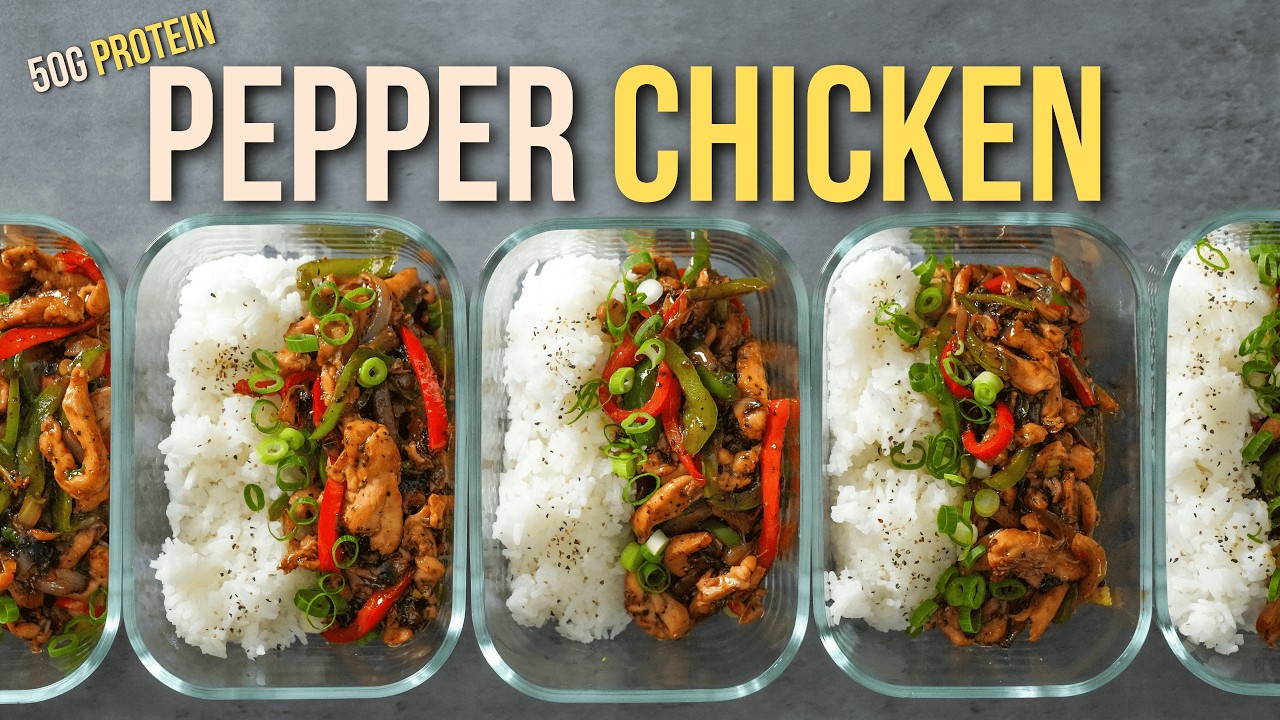
“Most high-protein recipes sacrifice flavor to hit a macro target. This one doesn't. By swapping the traditional cornstarch slurry for a Greek yogurt sauce and adding edamame alongside the chicken, you land at 38g of protein per serving without making the dish taste like a gym supplement. The Greek yogurt thickens the sauce, adds tang, and contributes protein simultaneously. It's not a compromise — it's an upgrade.”
Why This Recipe Works
Stir fry is the most abused meal category in home cooking. It has a reputation for being easy — and it is, technically — but the gap between a mediocre stir fry and a genuinely good one is enormous, and it comes down to three things most recipes don't explain: pan temperature, searing discipline, and sauce architecture.
The Protein Stack
This recipe hits 38g of protein per serving without using protein powder, egg whites, or any other supplement-aisle workaround. The source is two whole foods working together: chicken breast and edamame. Chicken breast contributes the bulk — roughly 25g per serving — while shelled edamame adds 11g of complete plant-based protein, meaning it contains all nine essential amino acids. That combination is unusual in a single dish, and it's why this stir fry sits closer to a post-workout meal than a standard weeknight dinner on every macro chart.
The Greek yogurt sauce is the third protein source and the part most stir fry recipes miss entirely. Traditional Chinese-American stir fry thickens the sauce with a cornstarch-water slurry — it's glossy, clingy, and nutritionally inert. Replacing it with Greek yogurt mixed with a small amount of cornstarch adds creaminess, a mild tang that cuts through the soy, and another 15-20g of protein across the batch. The sauce is doing structural work and nutritional work simultaneously.
The Sear Problem
The failure mode everyone encounters with chicken stir fry is grey, rubbery cubes. The cause is almost always one of two things: wet chicken or a crowded pan. Wet chicken — straight from the package or improperly dried — can't sear because the surface moisture converts to steam before the pan heat can trigger the Maillard reaction. You essentially boil the exterior of the chicken in its own evaporated liquid. The result is pale, textureless protein with no crust and no flavor.
A carbon steel wok or large skillet is the right tool here because surface area is the entire game. The chicken needs to sit in a single layer with space between each piece. Touching cubes create a steam environment between them — same problem as wet chicken, different mechanism. Three to four minutes of complete non-intervention builds the crust. The moment the chicken releases cleanly from the pan surface, it's ready to flip.
The Sauce Architecture
The soy-vinegar-sesame base is a standard stir fry flavor platform. It's not complex and it's not meant to be — it's a delivery vehicle for umami and acid. What makes the sauce in this recipe unusual is the Greek yogurt finish. Most cooks encounter this for the first time and assume it will curdle immediately. It does, if you add it wrong. The cornstarch slurried into the yogurt before cooking stabilizes the protein structure against heat shock. The medium-heat requirement is not a suggestion — it's the physics of dairy in a hot pan.
The result is a sauce that clings to every piece of chicken and vegetable rather than pooling at the bottom of the bowl. It has body, tang, and a slightly creamy texture that you don't get from a cornstarch-water slurry. It also reheats better than traditional stir fry sauce, which tends to thin out or disappear overnight in the fridge.
Vegetable Timing
The failure point no one discusses is vegetable sequencing. Dense vegetables and delicate ones cannot go into the pan at the same time. Broccoli and bell peppers have similar density and cook times, which is why this recipe uses only those two. Four to five minutes at high heat with constant tossing gets them to the tender-crisp stage — color intact, structure present, slight char at the edges from direct contact with the pan.
Edamame goes in last, with the returned chicken, because it's already cooked from frozen. It needs two minutes to heat through, not five minutes to cook. Add it with the raw vegetables and it turns mealy and loses its pleasant resistance. Sequencing isn't complexity — it's paying attention to what each ingredient actually needs.
Where Beginners Mess This Up
Before we start, read this. These are the 4 reasons your high-protein chicken stir fry (38g per serving, done in 33 minutes) will fail:
- 1
Not drying the chicken before searing: Wet chicken steams instead of searing. Surface moisture has to evaporate before the Maillard reaction can begin — and by the time it does, you've overcooked the interior. Pat every cube bone-dry with paper towels. This single step is the difference between golden-brown chicken and grey, rubbery cubes.
- 2
Crowding the pan: If the chicken cubes touch each other, they trap steam and braise rather than sear. Use a 12-inch skillet or wok and cook in a single layer, undisturbed, for 3-4 minutes. If your pan isn't large enough, cook in two batches. Crowded pans produce sad chicken.
- 3
Adding Greek yogurt over high heat: Greek yogurt curdles when introduced to aggressive heat. After returning the chicken to the pan, reduce to medium before drizzling in the yogurt mixture. Stir constantly while it goes in. The cornstarch mixed into the yogurt stabilizes it, but only if you control the temperature.
- 4
Overcooking the vegetables: Stir fry vegetables should be tender-crisp — with color, structure, and a slight bite. Four to five minutes of high-heat tossing is enough. Beyond that, bell peppers go limp, broccoli turns olive-drab, and you've made a sad steam situation instead of a stir fry.
The Video Reference Library
Want to see it in action? Here are the exact videos we analyzed and combined to build this foolproof recipe translation:
The source video for this recipe's core technique — covers the searing approach for chicken breast and the Greek yogurt sauce integration that makes this version stand apart from standard stir fry.
🛠️ Core Equipment
- 12-inch wok or large skilletSurface area is everything in stir fry. A [12-inch skillet](/kitchen-gear/review/carbon-steel-wok) allows the chicken to cook in a single layer and the vegetables to char rather than steam. Smaller pans force you to crowd ingredients and ruin the texture of everything.
- Instant-read thermometerChicken breast is done at 165°F and goes rubbery fast if it exceeds 170°F. Visual cues alone are unreliable — a [thermometer](/kitchen-gear/review/instant-read-thermometer) gives you the exact moment to pull it off heat.
- Small mixing bowls for sauce prepStir fry moves fast. Both sauces — the soy mixture and the yogurt mixture — need to be whisked and ready before the first ingredient hits the pan. There is no time to measure and whisk mid-cook at high heat.
High-Protein Chicken Stir Fry (38g Per Serving, Done in 33 Minutes)
🛒 Ingredients
- ✦1.5 lbs boneless, skinless chicken breast, cut into 1-inch cubes
- ✦1.5 cups frozen shelled edamame
- ✦3 medium bell peppers (1 red, 1 yellow, 1 orange), cut into 1-inch chunks
- ✦1 medium yellow onion, finely diced
- ✦3 cloves garlic, minced
- ✦1 tbsp fresh ginger, minced
- ✦2 tbsp low-sodium soy sauce
- ✦1 tbsp rice vinegar
- ✦1 tsp sesame oil
- ✦0.5 cup plain nonfat Greek yogurt
- ✦2 tbsp olive oil, divided
- ✦1 tsp cornstarch
- ✦0.25 tsp red pepper flakes
- ✦2 cups broccoli florets
- ✦3 green onions, sliced into 1-inch pieces
- ✦1 tsp sesame seeds
- ✦Salt and black pepper to taste
👨🍳 Instructions
01Step 1
Pat the chicken cubes completely dry with paper towels and season generously with salt and pepper on all sides.
02Step 2
Whisk together the soy sauce, rice vinegar, sesame oil, and red pepper flakes in a small bowl. Set aside.
03Step 3
In a separate small bowl, stir the Greek yogurt with the cornstarch until completely smooth with no lumps.
04Step 4
Heat 1 tablespoon olive oil in a large wok or 12-inch skillet over medium-high heat until shimmering, about 1 minute.
05Step 5
Add the chicken cubes in a single layer. Sear undisturbed for 3-4 minutes until deeply golden on the bottom, then stir and cook for another 3-4 minutes until cooked through. Transfer to a clean plate.
06Step 6
Add the remaining 1 tablespoon olive oil to the same pan. Sauté the diced onion over medium-high heat until translucent, about 2 minutes.
07Step 7
Add the minced garlic and ginger and cook until fragrant, about 30 seconds.
08Step 8
Add the bell pepper chunks and broccoli florets. Toss constantly over medium-high heat for 4-5 minutes until tender-crisp with some char at the edges.
09Step 9
Pour in the soy sauce mixture. Return the cooked chicken to the pan along with the edamame and stir everything together for 1-2 minutes.
10Step 10
Reduce heat to medium. Drizzle in the Greek yogurt mixture slowly while stirring constantly. Cook for 2-3 minutes, stirring, until the sauce thickens slightly and coats everything evenly.
11Step 11
Taste and adjust with additional salt and pepper as needed.
12Step 12
Divide among bowls and garnish with sliced green onions and sesame seeds. Serve over cauliflower rice or brown rice.
Nutrition Per Serving
Estimates based on standard preparation. Adjustments alter macros.
🔄 Substitutions
Instead of Greek yogurt...
Use Silken tofu blended smooth
Dairy-free option that handles heat better than most plant-based alternatives. Neutral flavor — add an extra teaspoon of rice vinegar for tang. Same cornstarch ratio applies.
Instead of Edamame...
Use Shelled peas or chickpeas
Peas are softer and add sweetness. Chickpeas hold up better to heat and add more fiber. Neither matches edamame's complete amino acid profile, but both work in a pinch.
Instead of Low-sodium soy sauce...
Use Coconut aminos
Slightly sweeter, noticeably less salty. Good for those avoiding soy entirely. Reduce to 1.5 tbsp as coconut aminos can overwhelm with sweetness at full volume.
Instead of Chicken breast...
Use Chicken thigh
More fat, more flavor, harder to overcook. Thighs are more forgiving than breast if you lose track of your sear time. Protein count drops slightly — roughly 35g per serving instead of 38g.
🧊 Storage & Reheating
In the Fridge
Store in an airtight container for up to 4 days. Keep the sauce integrated — it actually improves after a night in the fridge as the flavors meld.
In the Freezer
Freeze without the yogurt sauce for up to 2 months. The sauce does not freeze well — it separates on thaw. Make it fresh when reheating from frozen.
Reheating Rules
Reheat in a skillet over medium heat with a splash of water to loosen. Microwave works in a pinch — cover with a damp paper towel and use 70% power to avoid drying out the chicken.
❓ Frequently Asked Questions
Won't Greek yogurt curdle in a hot pan?
It can — which is why you mix it with cornstarch first and add it over medium heat while stirring constantly. The cornstarch stabilizes the protein structure of the yogurt and prevents it from seizing. Skip either step and yes, you'll get white clumps. Follow both and the sauce is silky.
Can I use frozen edamame straight from the bag?
Yes. Frozen shelled edamame is already cooked during processing. It just needs to heat through in the pan — 1-2 minutes alongside the returned chicken is plenty. Do not thaw before adding; it goes in frozen and comes up to temperature with the rest of the dish.
Why is my chicken tough and dry?
You either overcooked it or didn't sear it properly. Chicken breast goes from done to overdone in about 90 seconds. Use a thermometer and pull at 165°F. If you're cooking by color alone, pull when the last visible pink is gone — don't wait for the surface to look fully dry.
Can I make this vegetarian?
Yes. Replace the chicken with extra-firm tofu pressed and cubed, or add a second cup of edamame and a cup of chickpeas. The yogurt sauce and vegetables carry enough flavor that the dish works without chicken. Protein count will be lower — around 22-25g per serving with tofu.
What vegetables can I swap in?
Snap peas, zucchini, mushrooms, baby corn, and bok choy all work well in this format. Denser vegetables like carrot need to be cut thin or par-cooked first. Avoid high-water vegetables like zucchini if meal prepping — they release liquid and thin the sauce over time.
Is this actually 38g of protein per serving?
Yes, based on the modified recipe with chicken breast and edamame combined. Chicken breast contributes roughly 25g per serving, edamame adds about 11g, and the Greek yogurt sauce accounts for the remaining 2g. If you substitute thighs or reduce the edamame, expect 32-35g per serving.
The Science of
High-Protein Chicken Stir Fry (38g Per Serving, Done in 33 Minutes)
We turned everything on this page into a beautiful, flour-proof PDF cheat sheet. Print it out, stick it to your fridge, and never mess up your high-protein chicken stir fry (38g per serving, done in 33 minutes) again.
*We'll email you the high-res PDF instantly. No spam, just perfectly cooked meals.
AlmostChefs Editorial Team
We translate the internet's most popular cooking videos into foolproof, beginner-friendly written recipes. We analyze multiple methods, test them in our kitchen, and engineer a single "Master Recipe" that gives you the best possible result with the least possible stress.