High-Protein Chicken Quesadilla (38g Protein, Zero Compromise)
A Tex-Mex classic rebuilt for performance — shredded rotisserie chicken, sharp cheddar, and a Greek yogurt-cottage cheese blend that delivers 38g of protein per serving without sacrificing the gooey, crispy experience you're after. We broke down the technique so every fold lands golden and every bite stays molten.
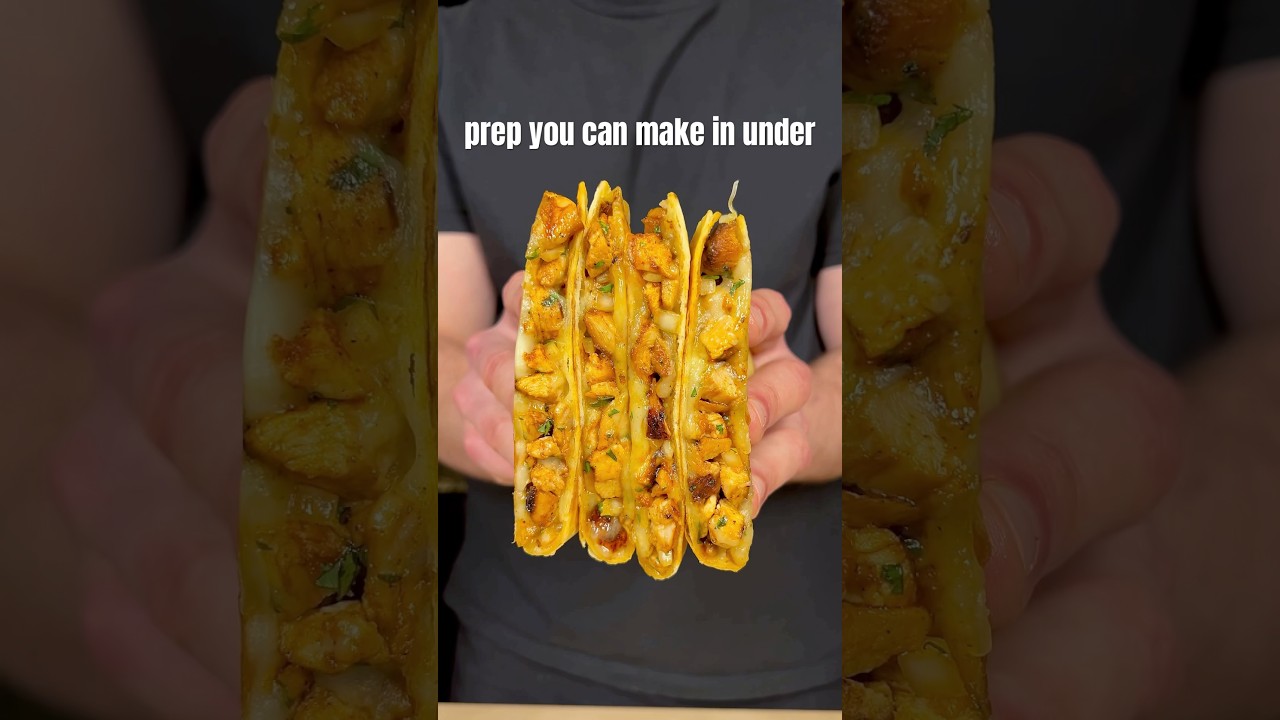
“Most quesadillas are just a cheese delivery vehicle masquerading as a meal. This one is different. By replacing sour cream with a Greek yogurt-cottage cheese blend and loading in rotisserie chicken, you hit 38g of protein per serving — more than most post-workout shakes — while keeping the crispy exterior and molten interior that makes a quesadilla worth eating in the first place. The trick is in the fold, the heat, and what you put inside the fold.”
Why This Recipe Works
A quesadilla is one of the most deceivingly simple things you can make in a skillet. Two layers of tortilla, some cheese, some filling, folded and cooked until golden. It looks easy. It mostly is easy. But the gap between a quesadilla that tastes like a convenience store afterthought and one that actually satisfies — crispy outside, molten inside, with enough protein to function as a real meal — comes down to decisions that most recipes skip over entirely.
The Dairy Swap Is Not a Compromise
Greek yogurt and cottage cheese are not poor substitutes for sour cream. They are a deliberate upgrade. Greek yogurt provides a cleaner tang and significantly more protein per tablespoon than sour cream's fat-forward richness. Cottage cheese — blended smooth, which takes about twenty seconds — adds casein protein, a slow-digesting form that contributes to satiety for hours after the meal.
The combined spread delivers 15-20g of additional protein compared to traditional sour cream without changing the creamy, slightly tangy interior experience that makes a quesadilla feel indulgent. When seasoned with cumin, salt, and pepper, the blend tastes like a well-seasoned filling, not a protein hack. The trick is blending it properly and letting it come to room temperature before spreading — cold dairy releases moisture on contact with a hot tortilla, and moisture is the enemy of crispiness.
Heat Is the Entire Technique
Medium heat is the only correct heat for quesadillas. This is non-negotiable and most people ignore it. High heat produces a beautifully browned exterior with cold, unmelted cheese inside — the food equivalent of a promise that doesn't deliver. Medium heat gives the cheese the time it needs to transition from solid to molten while the tortilla gradually turns golden.
A large skillet — 12 inches — matters here for the same reason a properly sized pan always matters: you need the folded quesadilla to sit flat on the cooking surface with no overhang. An overhang means uneven contact, which means one side of the quesadilla browns faster than the other and the cheese distribution never evens out.
The Fold Is a Structural Decision
Half-fold quesadillas cook better than full quesadillas for one straightforward reason: you only need to flip once, and the filling is enclosed on three sides rather than two. This means less filling migration, a more even cheese distribution, and a cleaner cut when you slice it into triangles.
The wide flat spatula is not optional. You need full surface coverage under the folded quesadilla before you commit to the flip. A narrow spatula gets you halfway under, the fold buckles, the filling slides toward the open edge, and the whole thing collapses. One confident motion, full coverage underneath, complete flip. That's the entire technique.
Rotisserie Chicken Is the Right Call
Freshly cooked chicken breast is fine. Poached thigh meat is excellent. Canned chicken is a last resort. Rotisserie chicken is the best everyday option because it's already seasoned with depth, the texture shreds into substantial pieces that hold their structure inside the fold, and the fat content is low enough to keep the filling from making the tortilla greasy.
The spice coating — cumin, smoked paprika, cayenne — goes on the shredded chicken before it enters the quesadilla, not inside the pan. Seasoning inside a dry skillet burns spices before they can penetrate the meat. Tossing the chicken in the spice blend and lime juice five minutes before assembly gives the flavors time to adhere and blooms the paprika without scorching it.
Why the Vegetables Go In First
The bell pepper and spinach are sautéed separately for a reason. Both vegetables contain significant water content that needs to cook off before they go inside the quesadilla. If you skip the sauté step and add raw vegetables directly to the fold, that water releases during cooking and steams the tortilla from the inside — you get a soft, damp interior instead of a crispy one.
Tender-crisp is the target when sautéing. Not soft. They'll continue cooking briefly inside the sealed quesadilla while the cheese melts, and you want them to finish with texture, not collapse into the filling.
This is a fast meal. Thirty-five minutes total. But within those thirty-five minutes, every step is doing real work.
Where Beginners Mess This Up
Before we start, read this. These are the 4 reasons your high-protein chicken quesadilla (38g protein, zero compromise) will fail:
- 1
Overfilling the tortilla: More filling does not mean more quesadilla. It means a structural failure at the fold line — cheese and chicken spilling into the pan, burning on the bottom, and creating a soggy interior. Each half should have a thin, even layer. The cheese melts and holds everything together; it can't do that if it's fighting for space.
- 2
Cooking on heat that's too high: Medium heat is the correct heat. High heat browns the outside before the cheese melts, leaving you with a crunchy exterior and a cold, intact slab of cheddar inside. Medium heat gives the cheese time to melt completely before the tortilla reaches golden. Patience here is the entire technique.
- 3
Skipping the yogurt-cottage cheese blend prep: Dropping cold, unmixed dairy directly onto a tortilla creates pockets of liquid that steam the tortilla from the inside and turn it soggy. Mix the Greek yogurt and cottage cheese together first, season it, and let it come to room temperature for five minutes before spreading. This makes it spreadable and prevents sogginess.
- 4
Pressing down while cooking: Pressing the quesadilla with a spatula seems like it would help — it doesn't. It compresses the filling, squeezes out moisture, and makes the interior dense instead of molten. Let the weight of the fold do the work. The cheese will pull everything together on its own.
The Video Reference Library
Want to see it in action? Here are the exact videos we analyzed and combined to build this foolproof recipe translation:
The source video demonstrating the full technique — from blending the dairy filling to achieving the ideal golden fold. Useful for understanding the correct heat level and flip timing.
🛠️ Core Equipment
- Large nonstick or cast iron skillet (12-inch)A 10-inch tortilla needs a pan that accommodates the full folded half without hanging over the edge. Cast iron holds heat evenly for consistent browning; nonstick requires less fat and releases cleanly without tearing.
- Wide flat spatulaYou need full coverage under the quesadilla to flip it in one confident motion. A narrow spatula causes the fold to buckle mid-flip and the filling spills. Wider is always better here.
- Small mixing bowlFor combining the Greek yogurt and cottage cheese. It seems minor until you try to season and spread them separately — the blend is what makes the interior creamy and cohesive rather than two distinct dairy textures competing for attention.
High-Protein Chicken Quesadilla (38g Protein, Zero Compromise)
🛒 Ingredients
- ✦12 oz cooked shredded chicken breast (about 1.5 cups)
- ✦1 cup nonfat plain Greek yogurt
- ✦3/4 cup small-curd cottage cheese
- ✦1 cup sharp cheddar cheese, shredded
- ✦4 large whole wheat tortillas (10-inch)
- ✦1 medium red bell pepper, thinly sliced
- ✦1/2 medium red onion, finely diced
- ✦1 cup fresh spinach, roughly chopped
- ✦2 cloves garlic, minced
- ✦1 tablespoon olive oil
- ✦1 teaspoon ground cumin
- ✦1/2 teaspoon smoked paprika
- ✦1/4 teaspoon cayenne pepper
- ✦1 lime, cut into wedges
- ✦Salt and black pepper to taste
- ✦2 tablespoons fresh cilantro, chopped
👨🍳 Instructions
01Step 1
Mix together the Greek yogurt and cottage cheese in a small bowl until smooth. Season with salt, pepper, and a pinch of cumin. Set aside at room temperature.
02Step 2
Combine the shredded chicken with smoked paprika, ground cumin, cayenne pepper, and a squeeze of lime juice. Stir until evenly coated.
03Step 3
Heat olive oil in a large skillet over medium-high heat until shimmering, about 1 minute. Add the diced red onion and minced garlic and sauté for 2-3 minutes until fragrant and just softened.
04Step 4
Stir in the sliced bell pepper and fresh spinach. Cook for 2-3 minutes until the spinach wilts and the pepper is tender-crisp. Remove the vegetable mixture from the skillet and set aside.
05Step 5
Reduce skillet heat to medium and wipe the pan clean with a paper towel. Place one tortilla in the skillet and warm for 30 seconds until pliable.
06Step 6
Spread 2-3 tablespoons of the Greek yogurt-cottage cheese mixture over one half of the tortilla only. Layer one-quarter of the seasoned chicken, one-quarter of the sautéed vegetables, and one-quarter of the shredded cheddar on top of the spread.
07Step 7
Fold the bare half of the tortilla over the filled half. Cook for 2-3 minutes without pressing down, until the bottom is golden brown and crispy.
08Step 8
Using a wide spatula, flip the quesadilla in one confident motion. Cook the second side for 2-3 minutes until golden and the cheese is fully melted.
09Step 9
Transfer to a cutting board. Repeat with the remaining three tortillas and filling portions.
10Step 10
Cut each quesadilla into two triangles. Arrange on serving plates, garnish with fresh cilantro, and serve with lime wedges.
Nutrition Per Serving
Estimates based on standard preparation. Adjustments alter macros.
🔄 Substitutions
Instead of Traditional sour cream...
Use Nonfat Greek yogurt mixed with cottage cheese
Slightly tangier, creamier mouthfeel with 15-20g additional protein per serving. The cottage cheese provides casein protein for sustained satiety — it's not just a swap, it's an upgrade.
Instead of Regular flour tortillas...
Use Whole wheat or high-protein tortillas (10g+ protein per tortilla)
Slightly nuttier, earthier flavor with meaningfully better blood sugar stability. High-protein tortillas can add 6-8g protein per quesadilla with no detectable texture change.
Instead of Whole milk cheddar...
Use Sharp aged cheddar or sharp cheddar blended with feta
More intense flavor means you use less volume while tasting more richness. Feta adds extra protein and tang while cutting overall fat. Use three-quarters of the amount the recipe calls for.
Instead of Shredded chicken breast only...
Use Add 2 tablespoons hemp seeds or pumpkin seeds per quesadilla
Adds 3-4g plant-based protein, healthy fats, and pleasant textural crunch. Works best mixed into the vegetable layer rather than scattered on top of the cheese.
🧊 Storage & Reheating
In the Fridge
Store cooled quesadillas in an airtight container for up to 3 days. Stack with parchment paper between each one to prevent sticking.
In the Freezer
Freeze individually wrapped quesadilla halves for up to 2 months. Wrap in foil, then place in a zip-lock bag to prevent freezer burn.
Reheating Rules
Reheat in a dry skillet over medium heat for 2-3 minutes per side until crispy again. The microwave softens the tortilla and makes it rubbery — use it only if you have no alternative.
❓ Frequently Asked Questions
Can I taste the cottage cheese in the filling?
No. When blended with Greek yogurt and seasoned, the cottage cheese disappears into the spread. It contributes creaminess and protein but has no distinct flavor. Anyone who claims they can taste it in a blind test is lying.
Why is my quesadilla soggy in the middle?
Two likely causes: you used cold dairy spread directly from the fridge (it releases liquid on contact with the hot tortilla), or you overfilled it so the fold traps steam. Let the spread come to room temperature and keep the filling layer thin.
Can I make these ahead for meal prep?
Yes. Cook all four, let them cool completely, and refrigerate stacked with parchment between each. Reheat in a dry skillet — they come back nearly as good as fresh. The texture difference is minimal.
Do I need whole wheat tortillas specifically?
No. Any large tortilla works. Whole wheat adds fiber and slightly better blood sugar stability, but if you're using a high-protein tortilla variety, you're already ahead on the macros regardless of the grain.
Can I use canned chicken instead of rotisserie?
Technically yes, but you'll notice the difference. Canned chicken has a softer, more processed texture and less savory depth. Rotisserie chicken is lean, already seasoned, and shreds into substantial pieces that hold up inside the fold. Use canned only in an emergency.
How do I keep the quesadilla from falling apart when I flip it?
Slide the spatula fully underneath — not just halfway — before you commit to the flip. Make the motion deliberate and complete in one go. A hesitant flip lets the fold buckle and the filling drops. Confidence is the technique.
The Science of
High-Protein Chicken Quesadilla (38g Protein, Zero Compromise)
We turned everything on this page into a beautiful, flour-proof PDF cheat sheet. Print it out, stick it to your fridge, and never mess up your high-protein chicken quesadilla (38g protein, zero compromise) again.
*We'll email you the high-res PDF instantly. No spam, just perfectly cooked meals.
AlmostChefs Editorial Team
We translate the internet's most popular cooking videos into foolproof, beginner-friendly written recipes. We analyze multiple methods, test them in our kitchen, and engineer a single "Master Recipe" that gives you the best possible result with the least possible stress.