High-Protein Banana Bread (32g Per Slice, No Compromise)
Banana bread rebuilt from the ground up for muscle recovery and lasting fullness. Greek yogurt and cottage cheese replace the empty calories without touching the flavor. We analyzed the most effective protein swaps to build one loaf that actually delivers 32g per slice.
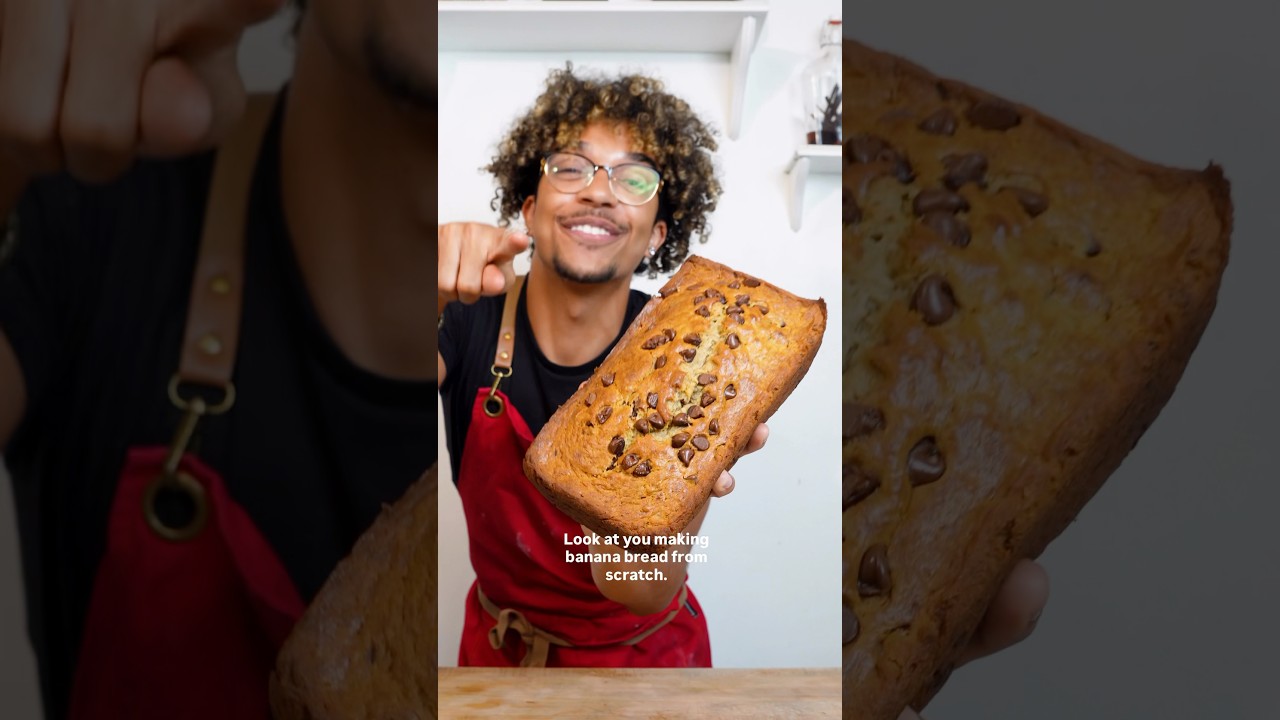
“Most banana bread is dessert pretending to be breakfast. Butter, sugar, refined flour — you get a blood sugar spike, a crash, and hunger again by 10am. This version strips out the empty calories and rebuilds the loaf around protein without touching the flavor. Thirty-two grams per slice. The same moist crumb, the same banana aroma, the same reason you make a second pot of coffee to justify another slice.”
Why This Recipe Works
Banana bread exists in one of two states: a breakfast food pretending to be healthy, or a dessert pretending to be a breakfast food. The traditional version — butter, white flour, brown sugar, two eggs — sits at around 240 calories and 8 grams of protein per slice. That's closer to a muffin than a meal, and it behaves like one: quick energy, quick crash, hunger again before lunch.
This version does something different. It keeps everything you actually like about banana bread and replaces the structural empty calories with protein-dense alternatives that don't change the eating experience. The result is 198 calories and 32 grams of protein per slice — numbers that belong in a post-gym meal, not a bake sale.
The Dairy Swap Architecture
Two substitutions do all the heavy lifting here. Greek yogurt replaces butter and contributes 9 grams of protein per 100 grams while maintaining the moist, tender crumb that makes banana bread worth eating. Cottage cheese — the ingredient that makes people nervous — dissolves completely during baking. You cannot taste it. You cannot see it. What you get is an additional 11 grams of protein per 100 grams and a subtle richness that the yogurt alone can't provide.
The combination of the two creates a protein matrix in the batter that standard recipes simply can't match. Neither ingredient alone gets you to 32 grams. Together, with the eggs and protein powder, the math works out to a slice that genuinely functions as a high-protein breakfast.
Protein Powder Without the Consequences
Most people who've tried baking with protein powder have produced something resembling a hockey puck. The reason is straightforward: protein powder absorbs liquid aggressively, and if you substitute it 1:1 for flour, you drain all moisture from the batter and get a dense, dry, vaguely chalky result.
The fix is ratio and distribution. One-quarter cup of vanilla protein powder against 1.75 cups of all-purpose flour means the powder contributes protein without dominating the liquid balance. The Greek yogurt and cottage cheese provide enough excess moisture to compensate. Whisking the protein powder thoroughly into the dry ingredients before any contact with wet ingredients prevents clumping — the fastest way to get uneven bitter spots in the finished loaf.
The Banana Is Still the Star
The protein upgrades exist to support the banana, not replace it. Overripe bananas — deeply speckled, collapsing under their own weight — are doing three jobs in this recipe: providing natural sweetness that lets you cut the honey to just two tablespoons, contributing moisture that offsets the absorbency of the protein powder, and delivering pectin that binds the loaf together in the absence of butter fat.
This is why banana ripeness is not optional. A pale yellow banana and a black banana are different ingredients. The flavor gap between them is the difference between bread that tastes like health food and bread that tastes like something worth making again.
Why You Can't Rush the Fold
Quick bread baking is an exercise in restraint. The moment your spatula enters the wet-dry mixture, a clock starts. Gluten strands form immediately and strengthen with every additional stroke. Twenty strokes gives you a tender, open crumb. Sixty strokes gives you dense, chewy brick. The protocol is clear: fold until the flour streaks disappear, then stop. The batter will look slightly lumpy. That's correct.
A wire cooling rack at the end isn't optional either — it's structural. The cottage cheese and yogurt create a high-moisture interior that needs airflow on all sides to set properly. A 9x5-inch loaf pan of standard gauge provides the right geometry for even heat penetration through a batter this dense. Wider pans underbake the center before the edges dry out.
Thirty-two grams of protein in something that smells like your grandmother's kitchen. The only thing remarkable about this recipe is that it took this long for someone to figure out the ratio.
Where Beginners Mess This Up
Before we start, read this. These are the 4 reasons your high-protein banana bread (32g per slice, no compromise) will fail:
- 1
Overmixing the batter: Once the dry ingredients hit the wet, gluten development begins. Every extra stir builds more gluten structure, which tightens the crumb and produces a dense, rubbery loaf. Fold until the flour streaks just disappear — that's it. Lumpy batter is fine. Overworked batter is not.
- 2
Using underripe bananas: Green or yellow bananas have most of their sugars locked in starch form. They taste bland and contribute almost no moisture. You need bananas that are deeply brown-speckled or fully black — at that stage, the starches have fully converted to sugar and the banana acts as both sweetener and binding agent. If yours aren't ripe enough, seal them in a paper bag for 2-3 days.
- 3
Pulling the loaf too early: Protein powder and cottage cheese change the internal moisture profile of this batter. The loaf will look done on top 15 minutes before it actually is. The only reliable test is a toothpick inserted in the geometric center — it should come out with zero wet batter. A few moist crumbs are acceptable. Wet batter means 10 more minutes.
- 4
Skipping the cooling step: This loaf is structurally fragile when hot. The cottage cheese and yogurt create a moist interior that needs time to set. Slice it straight from the pan and it falls apart. Ten minutes in the pan, then at least 20 minutes on a wire rack before you touch it.
The Video Reference Library
Want to see it in action? Here are the exact videos we analyzed and combined to build this foolproof recipe translation:
The primary method video with clear technique on incorporating protein powder without creating a dense crumb. Watch specifically for the fold technique at the wet-to-dry combination step.
🛠️ Core Equipment
- 9x5-inch loaf panThe standard size for this batter volume. A smaller pan causes overflow and underbaking in the center. A larger pan produces a flat, wide loaf that dries out faster.
- Wire cooling rackLifting the loaf off a flat surface allows air to circulate underneath and prevents the bottom from steaming itself soggy. Non-negotiable for a clean, sliceable crumb.
- Fine-mesh sieve or whiskProtein powder clumps aggressively in dry mixes. Sifting or whisking the dry ingredients before combining prevents pockets of unmixed powder that bake into bitter, dense spots.
- Two mixing bowlsWet and dry ingredients must be combined separately before being brought together. Mixing everything in one bowl leads to overmixing — you spend too long incorporating and gluten overdevelops.
High-Protein Banana Bread (32g Per Slice, No Compromise)
🛒 Ingredients
- ✦3 medium ripe bananas, mashed
- ✦1 cup plain nonfat Greek yogurt
- ✦1/2 cup low-fat cottage cheese
- ✦2 large eggs
- ✦1/4 cup vanilla protein powder
- ✦1 3/4 cups all-purpose flour
- ✦1 teaspoon baking soda
- ✦1/2 teaspoon salt
- ✦1/2 teaspoon ground cinnamon
- ✦1/4 teaspoon ground nutmeg
- ✦2 tablespoons honey
- ✦1 teaspoon vanilla extract
- ✦1/4 cup chopped walnuts (optional)
- ✦1/4 cup mini chocolate chips (optional)
👨🍳 Instructions
01Step 1
Preheat your oven to 350°F and lightly grease a 9x5-inch loaf pan with cooking spray.
02Step 2
Mash the ripe bananas in a large mixing bowl until mostly smooth, leaving a few small chunks for texture.
03Step 3
In a separate bowl, whisk together the Greek yogurt, cottage cheese, eggs, honey, and vanilla extract until well combined and creamy.
04Step 4
Pour the wet ingredients into the mashed bananas and fold gently until just incorporated.
05Step 5
In a small bowl, whisk together the flour, protein powder, baking soda, salt, cinnamon, and nutmeg until fully combined and no protein powder clumps remain.
06Step 6
Add the dry ingredients to the wet mixture and fold with a spatula until just combined. Stop the moment flour streaks disappear. Do not overmix.
07Step 7
Fold in the walnuts and chocolate chips if using, with no more than 4-5 strokes.
08Step 8
Pour the batter into the prepared loaf pan and smooth the top with a spatula.
09Step 9
Bake for 55-65 minutes until a toothpick inserted in the center comes out clean or with just a few moist crumbs. If the top browns too quickly, tent loosely with aluminum foil after 40 minutes.
10Step 10
Let the bread cool in the pan for 10 minutes, then lift onto a wire cooling rack and cool for at least 20 more minutes before slicing.
11Step 11
Slice into 10 equal portions. Store in an airtight container in the refrigerator for up to 5 days, or freeze individually wrapped slices for up to 3 months.
Nutrition Per Serving
Estimates based on standard preparation. Adjustments alter macros.
🔄 Substitutions
Instead of Vanilla protein powder...
Use 1/4 cup unflavored protein powder + 1/2 teaspoon extra vanilla extract
Unflavored powder won't compete with the banana and works with any dietary preference. Increase total vanilla to 1.5 teaspoons.
Instead of Greek yogurt + cottage cheese...
Use 1 1/4 cups plain nonfat Greek yogurt only
Simpler ingredient list. Still delivers approximately 30g protein per serving. Slightly tangier flavor.
Instead of All-purpose flour...
Use 1 1/2 cups all-purpose flour + 1/4 cup almond flour
Nuttier flavor, slightly denser crumb, adds 2-3g protein per serving. Also increases healthy fat content.
Instead of Honey...
Use 2 tablespoons maple syrup or 1 tablespoon honey + 1 tablespoon unsweetened applesauce
Reduces added sugar and glycemic impact by approximately 20 calories per serving. The applesauce maintains moisture.
Instead of Walnuts...
Use Chopped pecans or 2 tablespoons ground flaxseed mixed with 2 tablespoons walnuts
Pecans add richness with a milder flavor. Flax boosts omega-3s and adds 1-2g fiber per serving for better satiety.
🧊 Storage & Reheating
In the Fridge
Store in an airtight container for up to 5 days. Flavor peaks on day 2 after the spices meld. Wrap individual slices in plastic to prevent drying.
In the Freezer
Freeze individually wrapped slices for up to 3 months. Freeze on a sheet pan first to prevent slices from sticking together.
Reheating Rules
Thaw frozen slices overnight in the refrigerator or at room temperature for 30 minutes. For a warm slice, 20-25 seconds in the microwave is sufficient — longer makes it rubbery.
❓ Frequently Asked Questions
Can I taste the cottage cheese in the final bread?
No. Cottage cheese is functionally invisible in the finished loaf. The curds dissolve during baking and contribute moisture and protein without any detectable tang or dairy flavor. If you're skeptical, blend it smooth before adding — same result, less anxiety.
Why is my loaf gummy in the center?
Two possible causes: underbaking or slicing too early. The toothpick test is the only reliable indicator — not color, not time. Additionally, cutting into a hot loaf releases trapped steam and causes the interior to collapse into a gummy layer. Full 20-minute rest on the wire rack is mandatory.
Can I make this gluten-free?
Yes, with caveats. Substitute the all-purpose flour 1:1 with a gluten-free all-purpose blend that contains xanthan gum. Do not use almond flour alone — the loaf won't hold together. Expect a slightly denser texture and reduce baking time by 5-8 minutes since GF blends absorb moisture differently.
Is 32g of protein per slice actually accurate?
Yes, given the combination of Greek yogurt (9g per 100g), cottage cheese (11g per 100g), eggs (6g each), and protein powder (20-25g per scoop). The math works. That said, protein content varies by the specific brands you use — check your labels if precision matters.
Can I use frozen bananas?
Absolutely — and in some ways they're better. Frozen bananas release more liquid as they thaw, which means you should drain off the excess liquid after thawing or your batter will be too wet. The flavor is identical to fresh overripe bananas.
Why does my loaf sink in the middle?
Underbaking is the most common cause. The second most common: opening the oven door before the 40-minute mark, which drops the oven temperature and causes the structure to collapse before it sets. Check once at 50 minutes, not before.
The Science of
High-Protein Banana Bread (32g Per Slice, No Compromise)
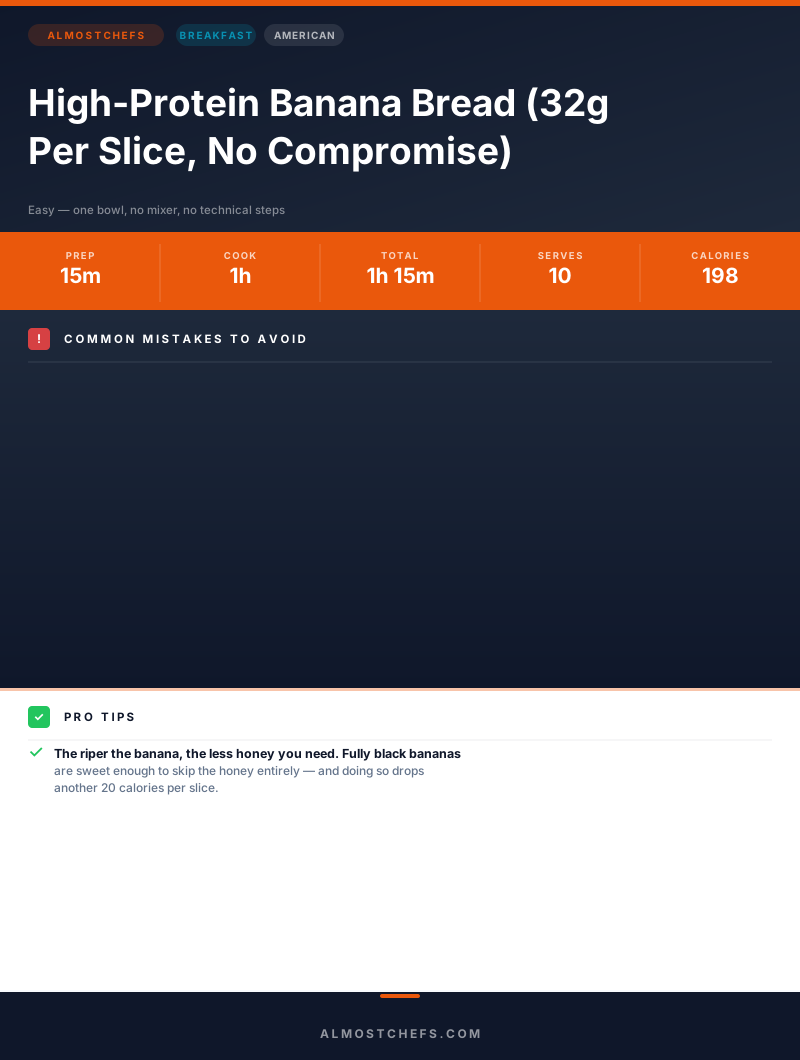
We turned everything on this page into a beautiful, flour-proof PDF cheat sheet. Print it out, stick it to your fridge, and never mess up your high-protein banana bread (32g per slice, no compromise) again.
*We'll email you the high-res PDF instantly. No spam, just perfectly cooked meals.
AlmostChefs Editorial Team
We translate the internet's most popular cooking videos into foolproof, beginner-friendly written recipes. We analyze multiple methods, test them in our kitchen, and engineer a single "Master Recipe" that gives you the best possible result with the least possible stress.