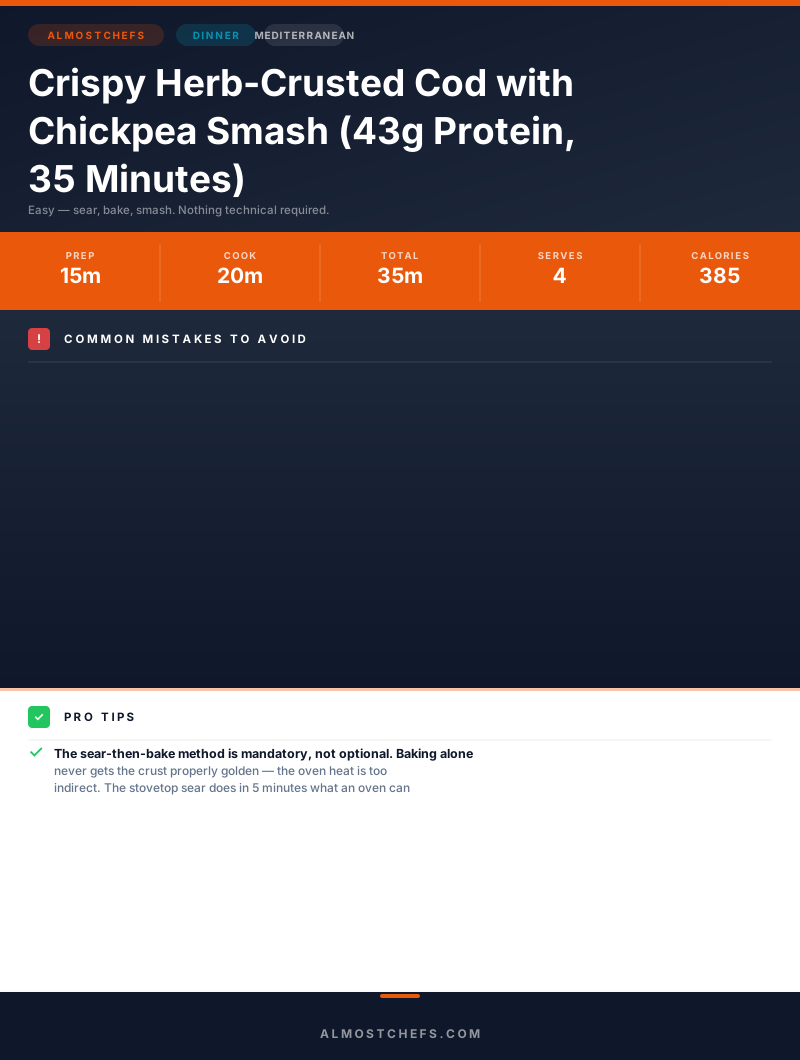
Crispy Herb-Crusted Cod with Chickpea Smash (43g Protein, 35 Minutes)
Lean cod fillets with a shatteringly crispy herb-panko crust, served over a creamy chickpea mash loaded with Greek yogurt and cottage cheese. We broke down the sear-then-bake method and the chickpea smash ratios to hit 43g protein per plate without sacrificing texture or flavor.

“Most high-protein dinners taste like a compromise. This one doesn't. The cod gets a proper golden crust through a two-stage cook — sear then bake — and the chickpea mash underneath is rich enough to pass for something far more indulgent than it actually is. Forty-three grams of protein. Thirty-five minutes. No sad desk-lunch energy.”
Why This Recipe Works
Lean fish dinners have a reputation problem. They're usually under-seasoned, texturally boring, and designed around restriction rather than satisfaction. This recipe ignores all of that and treats a weeknight cod dinner with the same structural logic you'd apply to any serious meal: every component exists to solve a specific problem, and the whole plate is engineered to be more than the sum of its parts.
The Two-Stage Cook
Cod is a delicate, low-fat fish, which means it has essentially no margin for error. Overcook it by two minutes and it turns chalky and dry. Bake it at too-low a temperature trying to protect it, and the panko crust turns pale and soft — technically cooked but texturally defeated.
The sear-then-bake method solves both problems simultaneously. The stovetop sear at high heat does the job the oven can't: it drives the Maillard reaction across the surface of the crust in under 5 minutes, creating the deep golden color and structural rigidity that holds up to the fork. The oven then finishes the interior of the fish gently, without any direct surface heat, so the flesh stays moist and clean-flaking. Neither step alone produces this result. Together they're bulletproof.
The critical variable is an instant-read thermometer. Cod goes from 140°F to 155°F in about 90 seconds, and 155°F is the textural cliff edge beyond which the fish is chalky and dry. Pull it at 145°F exactly.
Crust Architecture
Panko over regular breadcrumbs is not a preference — it's physics. Panko is manufactured with a larger, more irregular crumb structure and lower moisture content than standard breadcrumbs. Those air pockets expand during the sear, creating a crust that's actually three-dimensional rather than a flat paste. Regular breadcrumbs compact down into a dense, heavy coating that insulates the fish underneath instead of crisping up.
The herbs go into the panko, not on top of the finished fish. This is intentional. Embedded in the crust, the parsley, dill, and thyme toast gently against the hot pan and become part of the crust's flavor rather than raw herb scattered on the surface. The difference in taste is significant.
The Chickpea Mash Logic
A chickpea mash without dairy is roughage. Nutritious, yes — interesting, no. The Greek yogurt and cottage cheese together do two things: they provide the creaminess that makes the mash feel substantial, and they add 18g of protein to what would otherwise be a pure carbohydrate side dish. The Dijon mustard is the bridge — its sharpness connects the herb notes from the crust to the mash below, making the plate read as intentional rather than assembled.
The off-heat technique is non-negotiable. Greek yogurt's proteins denature and separate at sustained high temperatures, releasing liquid into the mash and turning it grainy and wet. Off the burner, the residual heat from the chickpeas is exactly enough to bring the dairy to serving temperature without breaking it. It takes discipline to pull the pan and wait 30 seconds, but it's what separates a silky mash from a watery one.
An oven-safe skillet with good heat retention handles both the sear and the oven transfer in one piece of equipment, which keeps the cooking process clean and reduces the window for the crust to cool and soften before the oven finishes the fish.
Why 43g of Protein Actually Matters Here
The original preparation of herb-crusted cod is already a solid protein source — roughly 28g per serving from the fish alone. The modification doesn't chase protein for the sake of a marketing number. The Greek yogurt replaces a cream or butter component that would have been there anyway, the cottage cheese adds body to a mash that needs it, and the chickpeas are the structural base of the side dish. Every gram of protein is load-bearing. Nothing is added awkwardly.
The result is a plate that functions as a complete post-training meal or a serious weeknight dinner — not a "healthy option" that makes you wish you'd ordered pizza.
Where Beginners Mess This Up
Before we start, read this. These are the 4 reasons your crispy herb-crusted cod with chickpea smash (43g protein, 35 minutes) will fail:
- 1
Skipping the pat-dry step on the cod: Wet fish is the enemy of crust. Surface moisture steams the panko instead of browning it, and you end up with a pale, soggy coating that slides off at the fork. Paper towels and 30 seconds of patience solve this completely.
- 2
Moving the fish too early in the sear: The crust needs to release naturally from the pan. If you try to flip before the Maillard reaction has bonded the crust, you'll tear it off. Wait until the edges look opaque and the fillet moves freely — usually 3 full minutes. Force it and you lose the crust.
- 3
Overworking the chickpea mash: The texture should be chunky-creamy, not hummus. If you stir too aggressively after adding the yogurt and cottage cheese, the starches from the chickpeas break down and you get a gluey paste. Fold gently, off heat, and stop when it looks rough and textured.
- 4
Adding yogurt to hot chickpeas over heat: Greek yogurt breaks when it hits sustained high heat — the proteins separate and you get a watery, grainy mess. Always pull the pan off the burner before stirring in the dairy. Residual heat from the chickpeas is all you need.
The Video Reference Library
Want to see it in action? Here are the exact videos we analyzed and combined to build this foolproof recipe translation:

Covers the sear-to-oven transition and how to tell when the crust has properly bonded before flipping. Useful for understanding what the correct golden-brown color looks like before the oven finishes the job.
2. Chickpea Mash — Getting the Texture RightDemonstrates the off-heat folding technique for creamy chickpea mash without turning it into paste. Useful for calibrating the chunky-creamy consistency you're aiming for.
3. High-Protein Seafood Dinners Under 40 MinutesBroader context for building high-protein weeknight dinners around lean white fish. Good reference for understanding why the sear-then-bake method outperforms bake-only for texture.
🛠️ Core Equipment
- Oven-safe skillet ↗The sear-then-bake method requires a pan that can go from stovetop to 400°F without issues. Cast iron or stainless steel work perfectly. Non-stick pans typically can't handle oven temperatures above 350°F and won't give you the crust you want.
- Instant-read thermometer ↗Cod is done at 145°F internal temperature. It goes from perfect to overcooked in under 90 seconds. A thermometer removes the guesswork entirely — no more cutting into the fish to check.
- Shallow bowls for dredging ↗One for the egg wash, one for the herb-panko mixture. Wide, shallow bowls let you press the fillet flat into the coating for even coverage. Deep bowls make this awkward and result in patchy crusts.
Crispy Herb-Crusted Cod with Chickpea Smash (43g Protein, 35 Minutes)
🛒 Ingredients
- ✦4 cod fillets, 5 oz each
- ✦1 cup panko breadcrumbs
- ✦3 tablespoons fresh parsley, finely chopped
- ✦2 tablespoons fresh dill, finely chopped
- ✦1 tablespoon fresh thyme leaves
- ✦2 large eggs
- ✦3 tablespoons olive oil, divided
- ✦2 cans (15 oz each) chickpeas, drained and rinsed
- ✦1/2 cup plain Greek yogurt
- ✦1/4 cup low-fat cottage cheese
- ✦2 cloves garlic, minced
- ✦Juice of 1 lemon
- ✦1 teaspoon Dijon mustard
- ✦Salt and black pepper to taste
- ✦Pinch of red pepper flakes
- ✦2 medium zucchini, cut into thin rounds
- ✦Lemon wedges for serving
👨🍳 Instructions
01Step 1
Preheat your oven to 400°F and line a baking sheet with parchment paper.
02Step 2
Combine panko, parsley, dill, and thyme in a shallow bowl and stir until evenly distributed.
03Step 3
Whisk eggs with 1 tablespoon water in a second shallow bowl until fully combined.
04Step 4
Pat the cod fillets completely dry with paper towels on both sides.
05Step 5
Dip each fillet in the egg wash to coat both sides, then press firmly into the herb-panko mixture on all sides until fully coated.
06Step 6
Heat 2 tablespoons olive oil in a large oven-safe skillet over medium-high heat until shimmering, about 2 minutes.
07Step 7
Place the crusted cod fillets in the skillet and sear undisturbed for 3 minutes until the crust is deep golden brown and releases cleanly from the pan. Flip carefully and sear the other side for 2 minutes.
08Step 8
Transfer the skillet to the oven and bake for 6-8 minutes until the fish reaches 145°F internal temperature and flakes easily with a fork.
09Step 9
While the cod bakes, warm the remaining 1 tablespoon olive oil in a saucepan over medium heat. Add minced garlic and cook for 30 seconds, stirring constantly.
10Step 10
Add drained chickpeas and stir to coat with the oil. Cook for 2 minutes, then remove pan from heat entirely.
11Step 11
Fold in Greek yogurt, cottage cheese, lemon juice, Dijon mustard, salt, pepper, and red pepper flakes until chunky-creamy. Do not over-stir.
12Step 12
Arrange zucchini rounds on each plate, season lightly, and top with a cod fillet. Add a generous scoop of chickpea mash alongside and serve with lemon wedges.
Nutrition Per Serving
Estimates based on standard preparation. Adjustments alter macros.
🔄 Substitutions
Instead of Panko breadcrumbs...
Use Crushed pork rinds mixed with 2 tablespoons grated Parmesan
Adds 8-10g extra protein per serving. The crust becomes crunchier with a savory umami boost. Zero carbs — ideal for keto modifications.
Instead of Cod fillets...
Use Halibut, sea bass, or wild-caught salmon
All deliver 24-25g protein per 5 oz serving. Salmon is richer and more buttery; halibut and sea bass are closer to cod's mild flavor. Salmon adds omega-3s if inflammation reduction is a priority.
Instead of Low-fat cottage cheese...
Use Full-fat cottage cheese or 1/4 cup casein protein powder mixed with 2 tablespoons water
Cottage cheese keeps the mash chunky. Casein creates a smoother, more uniform consistency and dissolves without grittiness. Both add significant protein.
Instead of Fresh herbs (parsley, dill, thyme)...
Use 2 tablespoons Italian seasoning blend plus 1 tablespoon fresh basil and zest of 1 lemon
Dried herbs are shelf-stable and equally potent in a crust. The lemon zest brightens without adding liquid. Watch the bake time — zest can cause faster browning.
🧊 Storage & Reheating
In the Fridge
Store cod and chickpea mash in separate airtight containers for up to 3 days. Keeping them apart prevents the crust from absorbing moisture and going soggy overnight.
In the Freezer
The chickpea mash freezes well for up to 2 months. The cod crust does not — the panko becomes waterlogged on thaw. Freeze cod separately without the crust and re-crust before cooking if needed.
Reheating Rules
Reheat cod on a wire rack set over a baking sheet in a 350°F oven for 8-10 minutes. The rack lets hot air circulate under the fillet and revives the crust. Microwave turns it to mush — avoid entirely.
❓ Frequently Asked Questions
Why is my herb crust falling off the cod?
Two reasons: the fish wasn't dry enough before dredging, or you moved it too soon during the sear. Pat the fillets bone-dry with paper towels before the egg wash, and don't touch the fish for at least 3 full minutes in the pan. It will release when the crust has properly bonded.
Can I bake the cod instead of doing the stovetop sear?
You can, but you won't get the same crust. Baking alone produces a pale, soft coating. The sear is what creates the golden, shatteringly crispy exterior. If you must bake only, use the broiler for the last 2-3 minutes to compensate — it won't be the same but it's better than nothing.
My chickpea mash came out watery. What went wrong?
The dairy went in while the pan was still over heat. Greek yogurt separates when it hits sustained high heat, releasing liquid into the mash. Always pull the pan fully off the burner before adding the yogurt and cottage cheese. Residual heat from the chickpeas is enough.
Is this recipe actually 43g of protein?
Yes — cod delivers approximately 25g per 5 oz fillet, the chickpeas add roughly 10g per serving, and the Greek yogurt and cottage cheese combined add another 8g. The panko egg wash contributes a small amount on top of that.
Can I make the chickpea mash ahead of time?
Yes. Make it up to 24 hours ahead and store covered in the fridge. It thickens as it sits — add a tablespoon of warm water and stir gently before serving to loosen it back to the right consistency.
What's the difference between this and regular baked cod?
Standard baked cod skips the sear, which means the crust never gets properly golden, and uses no protein amplifiers in the side dish. This version uses the sear-then-bake technique for a real crust, and the chickpea mash with Greek yogurt and cottage cheese nearly doubles the protein of a typical preparation.
The Science of
Crispy Herb-Crusted Cod with Chickpea Smash (43g Protein, 35 Minutes)
We turned everything on this page into a beautiful, flour-proof PDF cheat sheet. Print it out, stick it to your fridge, and never mess up your crispy herb-crusted cod with chickpea smash (43g protein, 35 minutes) again.
*We'll email you the high-res PDF instantly. No spam, just perfectly cooked meals.
AlmostChefs Editorial Team
We translate the internet's most popular cooking videos into foolproof, beginner-friendly written recipes. We analyze multiple methods, test them in our kitchen, and engineer a single "Master Recipe" that gives you the best possible result with the least possible stress.