Harissa Butter Beans (The 20-Minute Pantry Dinner That Tastes Like It Took All Day)
Creamy, fire-kissed butter beans simmered in a smoky harissa tomato broth with garlic, lemon, and wilted greens. A one-pan weeknight dinner built almost entirely from pantry staples — no marinating, no parboiling, no precision required.
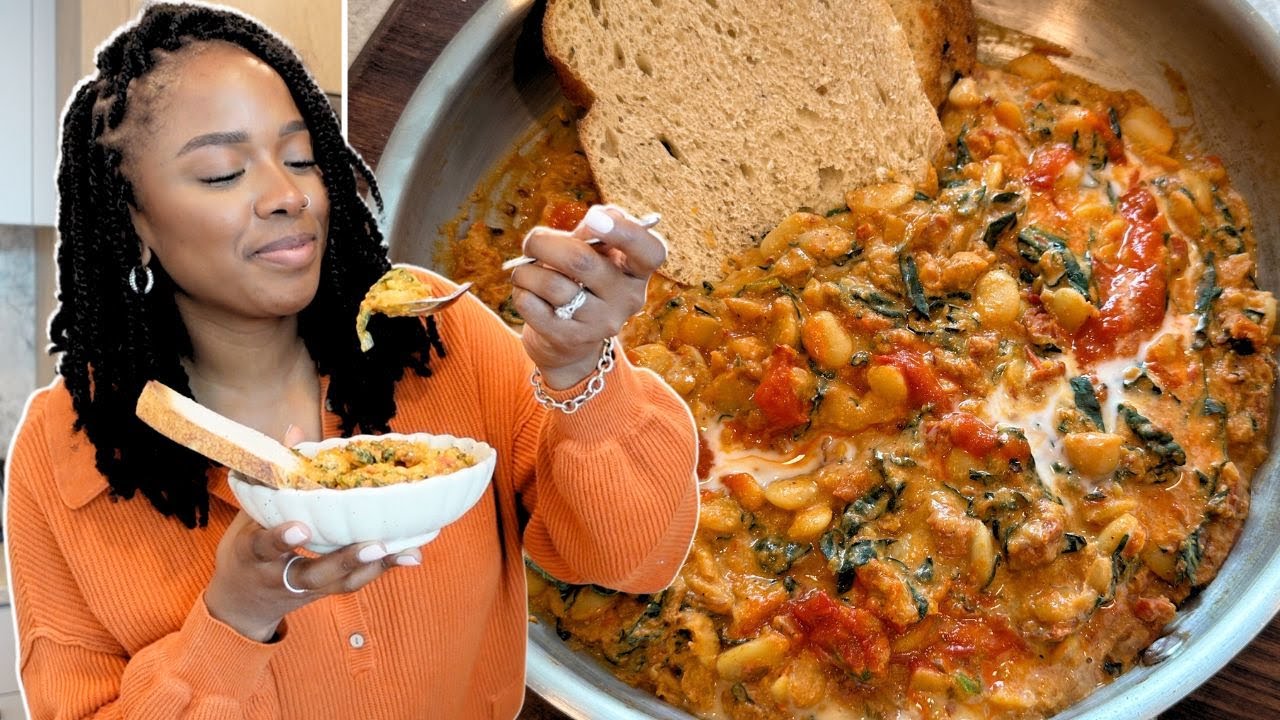
“Most bean recipes taste like nothing happened to them. You open a can, you heat it up, you eat something that tastes like the can. Harissa butter beans exist at the opposite end of that spectrum. The beans are large and creamy, the harissa brings layered heat that builds rather than punches, and the whole thing comes together in the time it takes to boil pasta water. The secret is not the ingredient list — it is how aggressively you treat a cheap can of tomatoes and a jar of paste.”
Why This Recipe Works
Butter beans are the most underestimated ingredient in any pantry. They are large, creamy, and structurally forgiving — they can absorb aggressive flavors without disintegrating, and they thicken sauces simply by existing in them. The problem is that most people treat them as a passive ingredient. They dump beans into whatever liquid is already in the pan, heat everything together, and wonder why the result tastes like background noise. The harissa butter bean technique works because it inverts that logic entirely. You build the flavor first, at high intensity, and then introduce the beans into something already fully alive.
The Harissa Must Cook Alone
The single most important principle in this recipe is the one most home cooks skip: frying the harissa in oil before adding any liquid. Harissa paste is built from dried red chilies, garlic, caraway, coriander, and cumin. When those dried spice compounds hit hot oil — not water, not tomato juice, but fat — they bloom. The volatile aromatic molecules bind to the fat and distribute evenly through the dish in a way that water-based cooking never achieves. Two minutes of direct sizzling contact with hot olive oil in a wide skillet produces more depth than twenty minutes of simmering in broth.
This is also why the color changes matter. Watch the paste go from bright orange-red to a deeper, almost brick-red mahogany. That color shift is the Maillard reaction working on the sugars in the chili. The paste catches slightly on the bottom of the pan — that is intentional. Those dark bits are flavor. Scrape them up and incorporate them rather than turning down the heat in a panic.
Beans as Architecture, Not Filler
Canned butter beans are fully cooked. They do not need time to become tender — they need time to absorb. The sequence matters: reduce your tomato-harissa sauce to a jammy, spoon-coating consistency before the beans touch the pan. If you add beans to thin sauce, you get beans floating in liquid. If you add them to reduced, concentrated sauce, they absorb it from every direction simultaneously and turn glossy, deeply seasoned, and substantive.
The deliberate smashing of roughly a quarter of the beans is not sloppiness — it is a technical step. Those smashed beans release their starch directly into the sauce, transforming a brothy consistency into something rich and clingy. A wooden spoon or flat silicone spatula gives you the control to smash selectively along the edges of the pan while leaving the center beans intact. The textural contrast between whole creamy beans and the thick, starchy sauce is what separates this from any other canned bean preparation.
Greens and Acid as Finishing Moves
Spinach goes in last because spinach takes thirty seconds to wilt. Kale takes two minutes. Neither needs more than that. The residual heat of the beans and sauce is sufficient — you are not cooking the greens so much as introducing them to warmth. This preserves their color, their mild iron-rich flavor, and their structural integrity. Greens that have been simmering in bean sauce for ten minutes turn khaki and bitter. Greens that have been folded in at the end stay vivid and add visual contrast that makes the dish look finished rather than stewed.
The lemon zest applied with a Microplane in the final ten seconds before plating is not optional. Zest contains the aromatic oils of the lemon skin — limonene and citral — which are entirely different flavor compounds from the acidic juice. The juice brightens. The zest lifts. Together they strip away any heaviness from the harissa and olive oil and make the dish taste expensive and intentional in a way that is difficult to articulate but immediately obvious when you eat it.
The final drizzle of raw olive oil over the top is the same principle. Cooked olive oil provides body. Raw olive oil provides flavor — grass, pepper, and bitterness that cut against the sweetness of the tomatoes and the creaminess of the beans. Never skip the finishing oil. It is the difference between a dish that is done and a dish that is complete.
Where Beginners Mess This Up
Before we start, read this. These are the 4 reasons your harissa butter beans (the 20-minute pantry dinner that tastes like it took all day) will fail:
- 1
Using weak or stale harissa: Harissa is the entire flavor backbone of this dish. Thin, watery harissa produces a pink soup. Buy a high-quality rose harissa paste in a jar — not a tube, not a can of sauce — and check the color. It should be deep brick red, almost mahogany. If it looks like ketchup, it will taste like it.
- 2
Not sautéing the harissa long enough: Raw harissa tastes sharp and one-dimensional. The step where you fry it in olive oil for 2-3 minutes before adding anything else is not optional. The direct heat toasts the dried chili compounds, deepens the garlic, and drives off the raw acidic notes. Skip this and the dish never fully comes together.
- 3
Adding the beans too early: Butter beans are already cooked in the can. They need heat and absorption time, not extended cooking. Add them after the tomatoes have reduced — about 10 minutes in. If you dump them in at the beginning, they turn to mush before the sauce has any body.
- 4
Under-seasoning at the end: Beans absorb salt aggressively. Season the broth before adding the beans, then taste and season again after. The final hit of lemon juice is not garnish — it is structural. Without it, the dish tastes flat and heavy.
The Video Reference Library
Want to see it in action? Here are the exact videos we analyzed and combined to build this foolproof recipe translation:
The source video that inspired this recipe. Clear technique walkthrough showing how to build the harissa base and achieve the right sauce consistency before the beans go in.
Broad overview of pantry-based bean dinners and how to build flavor from canned ingredients. Good context for understanding the sauce-reduction principle behind this dish.
Background on harissa, rose water, and the spice profiles of North African cuisine. Helps explain why the chili paste behaves differently from other hot sauces in this cooking context.
🛠️ Core Equipment
- Wide, deep skillet or sauté panWide surface area lets the tomato sauce reduce quickly rather than steam. A narrow pot traps moisture and produces thin, watery results. A 12-inch skillet is ideal.
- Wooden spoon or silicone spatulaYou need to break down the tomatoes and smash some of the beans as the dish cooks. A flat-edged spatula gives you control over texture — smooth the sauce where you want it, leave whole beans where you want them.
- Microplane or fine graterFor zesting the lemon directly into the pan at the end. Zest adds brightness that juice alone cannot replicate. It takes ten seconds and makes a noticeable difference.
Harissa Butter Beans (The 20-Minute Pantry Dinner That Tastes Like It Took All Day)
🛒 Ingredients
- ✦2 cans (15 oz each) butter beans, drained and rinsed
- ✦3 tablespoons rose harissa paste
- ✦1 can (14 oz) crushed tomatoes
- ✦4 cloves garlic, thinly sliced
- ✦1 medium yellow onion, finely diced
- ✦3 tablespoons extra-virgin olive oil, plus more to finish
- ✦1 teaspoon smoked paprika
- ✦1/2 teaspoon ground cumin
- ✦1/2 teaspoon ground coriander
- ✦1/4 teaspoon crushed red pepper flakes
- ✦3 cups baby spinach or roughly chopped kale
- ✦Zest and juice of 1 lemon
- ✦1/2 cup vegetable broth or water
- ✦1/4 cup fresh parsley leaves, roughly chopped
- ✦Flaky sea salt and freshly ground black pepper
- ✦Crusty bread or flatbread, for serving
👨🍳 Instructions
01Step 1
Heat 3 tablespoons of olive oil in a wide, deep skillet over medium heat. Add the diced onion and a pinch of salt. Cook for 5-6 minutes, stirring occasionally, until softened and translucent.
02Step 2
Add the sliced garlic and cook for 1 minute until fragrant and just starting to turn golden at the edges.
03Step 3
Add the harissa paste, smoked paprika, cumin, coriander, and red pepper flakes directly to the pan. Stir everything together and cook for 2-3 minutes, stirring constantly, until the paste darkens slightly and smells deeply fragrant.
04Step 4
Pour in the crushed tomatoes and vegetable broth. Stir to combine with the harissa base, scraping up any fond from the bottom of the pan. Season with salt and pepper.
05Step 5
Simmer uncovered over medium heat for 8-10 minutes, stirring occasionally, until the sauce has thickened and reduced slightly. It should coat the back of a spoon.
06Step 6
Add the drained butter beans. Gently fold them into the sauce and cook for 5-6 minutes, partially smashing some beans against the side of the pan with your spatula to thicken the sauce further.
07Step 7
Add the spinach or kale in two or three batches, folding each addition into the hot beans until just wilted.
08Step 8
Turn off the heat. Add the lemon zest, lemon juice, and half the parsley. Taste and adjust salt aggressively — beans absorb seasoning quickly and the dish should taste bright and punchy.
09Step 9
Finish with a generous drizzle of olive oil, the remaining parsley, and a crack of black pepper. Serve immediately with crusty bread.
Nutrition Per Serving
Estimates based on standard preparation. Adjustments alter macros.
🔄 Substitutions
Instead of Butter beans...
Use Chickpeas or cannellini beans
Chickpeas hold their shape better and add a slightly nuttier flavor. Cannellini are softer and will cream into the sauce more readily — reduce smashing if you want defined beans.
Instead of Rose harissa...
Use Sambal oelek plus 1/2 teaspoon smoked paprika
Sambal provides heat but lacks the dried chili complexity and floral note of harissa. Add extra paprika and a pinch of caraway to compensate. It works but it is a different dish.
Instead of Baby spinach...
Use Cavolo nero (lacinato kale) or Swiss chard
Kale takes longer to wilt — add it 2 minutes before the spinach would go in. It holds its texture better and adds more chew, which works well against the creamy beans.
Instead of Crushed tomatoes...
Use Whole San Marzano tomatoes, hand-crushed
Better flavor and texture. Crush them directly into the pan as you add them. The irregular pieces give the sauce more body than uniform crushed tomatoes.
🧊 Storage & Reheating
In the Fridge
Store in an airtight container for up to 4 days. The flavors intensify significantly after 24 hours.
In the Freezer
Freeze without the greens for up to 2 months. Add fresh spinach when reheating from frozen.
Reheating Rules
Reheat in a small saucepan over low heat with a splash of water or broth. Stir gently to prevent the beans from breaking. Microwave works but the texture suffers — stovetop is always better.
❓ Frequently Asked Questions
Is this dish actually spicy?
It depends entirely on the harissa brand. Rose harissa ranges from mild to intensely hot. Taste your harissa before cooking and adjust the quantity. A tablespoon of mild harissa needs to be three tablespoons. A fiery harissa might need to be cut to two.
Can I use dried butter beans instead of canned?
Yes, but soak them overnight and cook until fully tender before starting this recipe. Undercooked dried beans will never soften properly in the sauce — the acidity from the tomatoes actively prevents further cooking once they go in.
What is rose harissa and why does it taste different?
Rose harissa contains rose petals or rose water in addition to the standard dried chilies, garlic, and spices. This adds a floral, slightly sweet top note that balances the heat and makes the paste far more complex than standard harissa. If you cannot find it, add a small pinch of dried rose petals to regular harissa as a workaround.
Can I make this without onion?
You can substitute shallots for a milder allium flavor, or use a leek. The onion provides both sweetness and body to the sauce base — skipping it entirely produces a thinner, sharper result.
How do I make it more filling?
Serve over a scoop of plain couscous, ladle it onto thick toast rubbed with garlic, or fold in a can of chickpeas alongside the butter beans to double the protein. The sauce is rich enough to carry any of these additions without adjusting the recipe.
Can I use fresh tomatoes?
In summer, absolutely — use 4-5 large ripe roma tomatoes, roughly chopped. Outside of peak season, canned tomatoes are better. Fresh out-of-season tomatoes are watery and acidic in a flat way that does not reduce into a proper sauce.

The Science of
Harissa Butter Beans (The 20-Minute Pantry Dinner That Tastes Like It Took All Day)
We turned everything on this page into a beautiful, flour-proof PDF cheat sheet. Print it out, stick it to your fridge, and never mess up your harissa butter beans (the 20-minute pantry dinner that tastes like it took all day) again.
*We'll email you the high-res PDF instantly. No spam, just perfectly cooked meals.
AlmostChefs Editorial Team
We translate the internet's most popular cooking videos into foolproof, beginner-friendly written recipes. We analyze multiple methods, test them in our kitchen, and engineer a single "Master Recipe" that gives you the best possible result with the least possible stress.