Protein-Packed Turkey Meatballs (42g Protein, Zero Compromise)
Lean ground turkey meatballs loaded with cottage cheese and Parmesan, simmered in marinara and served over garlicky zucchini noodles. We analyzed the most common turkey meatball failures to build one foolproof method that delivers 42g of protein per serving without tasting like a gym meal.

“Most high-protein meatball recipes produce dense, dry spheres that taste like compressed sawdust with oregano. The problem is rarely the ingredients — it's the mixing. Ground turkey is leaner than beef, which means it has less fat to forgive overmixing, under-seasoning, or a weak binder. Two ingredients fix all of that: cottage cheese and Parmesan. Together they add moisture, bind the mixture, and push protein to 42g per serving. This is the recipe that makes low-carb dinners feel like comfort food.”
Why This Recipe Works
Most low-carb, high-protein weeknight dinners exist in a state of resigned compromise — technically nutritious, texturally punishing, emotionally joyless. Turkey meatballs over zucchini noodles has a reputation for being exactly that kind of meal: pale spheres of compressed poultry sitting in a watery red puddle, served over something that used to be a vegetable.
This recipe is a direct argument against that outcome. The difference is engineering, not extra effort.
The Two-Binder System
Ground turkey at 93/7 has enough fat to stay moist during cooking, but not enough to rescue a poorly mixed or over-handled meatball. Beef meatball recipes tolerate more abuse because intramuscular fat provides a built-in moisture buffer. Turkey has no such forgiveness.
The fix is a two-binder system: cottage cheese and Parmesan working together. The cottage cheese introduces moisture, creaminess, and approximately 14g of additional protein without making the mixture wet or loose. The Parmesan adds sharp, savory umami and tightens the structure so the meatballs hold their shape during the sear. The egg binds everything together. The result is a meatball that's tender but structurally coherent — the opposite of the dry, bouncy spheres most people produce with turkey.
The rule that governs all of this: fold, don't mix. Overworking the myosin proteins in ground turkey produces a dense, rubbery texture that no amount of sauce can fix. The moment the ingredients are evenly distributed, stop. Every additional fold is degrading the final texture.
Why the Sear Is Non-Negotiable
Unseared turkey meatballs taste steamed. That's not a judgment — it's chemistry. The Maillard reaction that produces hundreds of complex flavor compounds requires temperatures above 300°F, which you only reach through direct contact with hot oil. Simmering in marinara caps the surface temperature at 212°F. You get cooked but not caramelized, and the difference between those two states is the difference between a forgettable meal and one worth making again.
The secondary benefit of searing is structural. The crust that forms on the exterior of each meatball acts as a physical barrier that slows moisture loss during the 12-15 minute simmer. Unseared meatballs continue shedding moisture into the sauce throughout cooking, shrinking and tightening as they go. Seared meatballs hold their size, retain their juice, and stay tender to the center.
A heavy-bottomed skillet is essential for even crust development. Thin pans create hot spots that burn one side while leaving another pale. Work in batches — a crowded pan drops in temperature and starts steaming the meatballs instead of searing them. Patience during this step is what separates the final result.
The Zucchini Noodle Problem
Zucchini is 95% water. That water has to go somewhere, and if your cooking technique doesn't account for it, it goes directly into your sauce and plate. Watery zucchini noodles are not a zucchini problem — they're a technique problem, and it's entirely solvable.
Step one: salt and dry. After spiralizing, toss the noodles with a pinch of salt, let them sit for 10 minutes, then pat them firmly dry with paper towels. This draws out a significant portion of cellular moisture before the pan even gets involved. Step two: cook fast and hot in a large skillet with butter and garlic over medium-high heat, tossed continuously. Three to four minutes maximum. The goal is tender with a slight bite — not soft, not translucent, and absolutely not sitting in a pool of its own water.
Plate immediately. Zucchini noodles left in a warm pan continue releasing liquid and losing structural integrity by the minute. This is a dish that rewards decisiveness at the finish line.
The Protein Architecture
Forty-two grams of protein in a 385-calorie serving sounds like a supplement label claim. It's not. It's the straightforward result of layering multiple high-density protein sources: 93/7 ground turkey contributes roughly 24g, cottage cheese adds 7g, Parmesan adds 4g, and the egg adds 6g. Every ingredient in the meatball mixture is doing real work. This is what high-protein cooking looks like when it's engineered instead of improvised — not more chicken breast, but smarter stacking.
Where Beginners Mess This Up
Before we start, read this. These are the 4 reasons your protein-packed turkey meatballs (42g protein, zero compromise) will fail:
- 1
Overmixing the meatball mixture: Ground turkey has far less intramuscular fat than beef, so overmixing activates the myosin proteins and turns the texture rubbery and dense. Fold the mixture together just until the ingredients are evenly distributed — no more. If you can still see small streaks of cottage cheese, that's fine. They'll disappear during cooking.
- 2
Skipping the sear before simmering: The Maillard reaction that happens when you sear meatballs in hot oil creates hundreds of flavor compounds that plain simmered meatballs simply don't have. Pale, unseared turkey meatballs taste steamed and bland. A 3-4 minute sear per side builds the crust that carries the entire flavor profile. Don't skip it to save time.
- 3
Overcooking the zucchini noodles: Zucchini is 95% water. Beyond 4 minutes in a hot pan, it releases that water into a puddle, turning what should be a firm, garlicky base into a wet, flavorless mush that floods your marinara. Three to four minutes over medium-high heat, tossed frequently, is the ceiling. Pull them slightly underdone — they continue cooking from residual heat.
- 4
Using a sugary marinara: Many store-bought marinara sauces contain 8-12g of added sugar per serving, which spikes the glycemic load of what should be a blood-sugar-stable meal. Read the label. The ingredient list should start with tomatoes, not tomato puree from concentrate with added corn syrup. No-sugar-added versions are widely available and taste cleaner.
The Video Reference Library
Want to see it in action? Here are the exact videos we analyzed and combined to build this foolproof recipe translation:

🛠️ Core Equipment
- Large oven-safe or heavy-bottomed skillet ↗You need enough surface area to sear meatballs in batches without crowding. A crowded pan steams instead of sears, producing a pale, soft exterior. Twelve inches minimum.
- Spiralizer ↗For turning zucchini into noodles with consistent diameter, which matters for even cooking. Unevenly cut zucchini produces some strands that are overcooked and mushy before others are done. A [spiralizer](/kitchen-gear/review/spiralizer) is cheap and produces restaurant-quality results in 90 seconds.
- Parchment-lined baking sheet ↗For holding the shaped meatballs before searing. Keeps them from sticking or deforming while you prep the pan. Cold meatballs also sear better — the surface firms up slightly before hitting the oil.
- Large mixing bowl ↗Enough room to fold the meatball mixture with both hands without the ingredients tumbling over the sides. Cramped mixing bowls cause people to press and compact the mixture instead of folding it, which directly causes dense meatballs.
Protein-Packed Turkey Meatballs (42g Protein, Zero Compromise)
🛒 Ingredients
- ✦1 lb lean ground turkey (93/7)
- ✦1/2 cup cottage cheese
- ✦1/3 cup grated Parmesan cheese
- ✦1 large egg
- ✦1/2 cup panko breadcrumbs
- ✦3 medium cloves garlic, minced
- ✦1/4 cup fresh Italian parsley, finely chopped
- ✦1 tsp dried oregano
- ✦1/2 tsp kosher salt
- ✦1/4 tsp black pepper
- ✦2 tbsp olive oil
- ✦24 oz marinara sauce (no sugar added preferred)
- ✦4 medium zucchini, spiralized into noodles
- ✦2 tbsp butter
- ✦1/4 tsp red pepper flakes
- ✦Fresh basil for garnish
- ✦Extra Parmesan for serving
👨🍳 Instructions
01Step 1
Combine the lean ground turkey, cottage cheese, Parmesan, egg, panko, 2 minced garlic cloves, parsley, oregano, salt, and pepper in a large mixing bowl.
02Step 2
Gently fold the mixture together with your hands until just combined — avoid overmixing, which makes meatballs dense and tough.
03Step 3
Shape the mixture into 16 meatballs (about 1.5 inches each) and place them on a parchment-lined baking sheet.
04Step 4
Heat 2 tablespoons of olive oil in a large skillet over medium-high heat until shimmering, about 2 minutes.
05Step 5
Working in batches, sear the meatballs for 3-4 minutes per side until golden brown and caramelized, then transfer to a clean plate.
06Step 6
Pour the marinara sauce into the same skillet and bring to a gentle simmer over medium heat.
07Step 7
Return the seared meatballs to the skillet and nestle them into the sauce, then reduce heat to medium-low and simmer uncovered for 12-15 minutes until cooked through.
08Step 8
While the meatballs cook, melt 2 tablespoons of butter in another large skillet over medium-high heat.
09Step 9
Add the remaining minced garlic and red pepper flakes to the butter, stirring constantly until fragrant, about 30 seconds.
10Step 10
Add the spiralized zucchini noodles to the garlic butter and toss frequently for 3-4 minutes until just tender but still with a slight bite — don't overcook.
11Step 11
Season the zucchini noodles with a pinch of salt and black pepper to taste.
12Step 12
Divide the zucchini noodles among four bowls and top each with four meatballs and a generous portion of marinara sauce.
13Step 13
Garnish with fresh basil and additional Parmesan cheese, then serve immediately while hot.
Nutrition Per Serving
Estimates based on standard preparation. Adjustments alter macros.
🔄 Substitutions
Instead of Cottage cheese...
Use Full-fat Greek yogurt
Slightly tangier flavor that mellows during cooking. Meatballs stay just as juicy and you pick up an extra 3-4g of protein per serving.
Instead of Panko breadcrumbs...
Use Crushed pork rinds (chicharrones)
Zero carbs, maintains texture, crispier exterior. Not traditional but works beautifully for strict low-carb or keto eating.
Instead of Marinara sauce (store-bought)...
Use Homemade: 6 oz tomato paste + 18 oz crushed tomatoes + 2 tbsp olive oil, simmered 20 minutes
Richer, more concentrated tomato flavor with zero added sugar. Allows full control over sodium and additives.
Instead of Zucchini noodles...
Use Shirataki noodles (konjac)
Chewier texture, requires thorough rinsing and dry-toasting in a dry pan before use. Nearly zero carbs and zero calories — keeps the macro profile maximally favorable.
🧊 Storage & Reheating
In the Fridge
Store meatballs and marinara in an airtight container for up to 4 days. Keep zucchini noodles separate — they continue releasing water and will waterlog the sauce within 24 hours.
In the Freezer
Freeze meatballs with sauce in portioned containers for up to 3 months. Zucchini noodles do not freeze well — spiralize fresh when reheating.
Reheating Rules
Reheat meatballs and sauce covered in a skillet over medium-low heat with 2 tablespoons of water to loosen the sauce. Microwave works but the meatball texture suffers — stovetop is worth the extra 5 minutes.
❓ Frequently Asked Questions
Why do my turkey meatballs fall apart?
Usually one of three causes: not enough binder (the egg and cottage cheese together should hold everything together), too much moisture in the mixture, or flipping them too early in the pan before the sear crust fully develops. Let the meatballs sit undisturbed for the full 3-4 minutes before attempting to flip.
Can I bake the meatballs instead of pan-searing?
Yes — 400°F for 18-20 minutes on a parchment-lined sheet. You lose the Maillard crust and the fond left in the pan for the sauce, but the meatballs cook evenly and hands-off. If baking, add a splash of water or beef stock to the marinara when simmering to compensate for the missing pan drippings.
Can I use ground chicken instead of turkey?
Ground chicken (93/7) works as a direct swap with nearly identical results. Ground chicken breast (99/1) is too lean and will produce dry, dense meatballs without additional fat — add 1 tablespoon of olive oil to the mixture if going that route.
How do I keep zucchini noodles from getting watery?
Two strategies: salt them and pat dry before cooking, and don't cook them longer than 4 minutes total. The salt draws out pre-existing moisture before it hits the pan. The short cook time prevents the cellular structure from breaking down and releasing more. Serve immediately — don't let zucchini noodles sit in the hot pan or they keep cooking.
Is this good for meal prep?
The meatballs are excellent for meal prep — they reheat well and the flavor improves overnight as the sauce absorbs into the crust. Zucchini noodles are not. Spiralize fresh zucchini each time you're plating. It takes 90 seconds and the texture difference versus day-old stored noodles is dramatic.
Why cottage cheese instead of ricotta?
Cottage cheese has significantly higher protein than ricotta (roughly 14g per half cup versus 7g for ricotta) and a lower fat content, which matters when you're already using lean turkey. Ricotta produces a slightly creamier texture, but cottage cheese delivers more protein with less moisture bleed during cooking. Either works — cottage cheese is the better macro choice.
The Science of
Protein-Packed Turkey Meatballs (42g Protein, Zero Compromise)
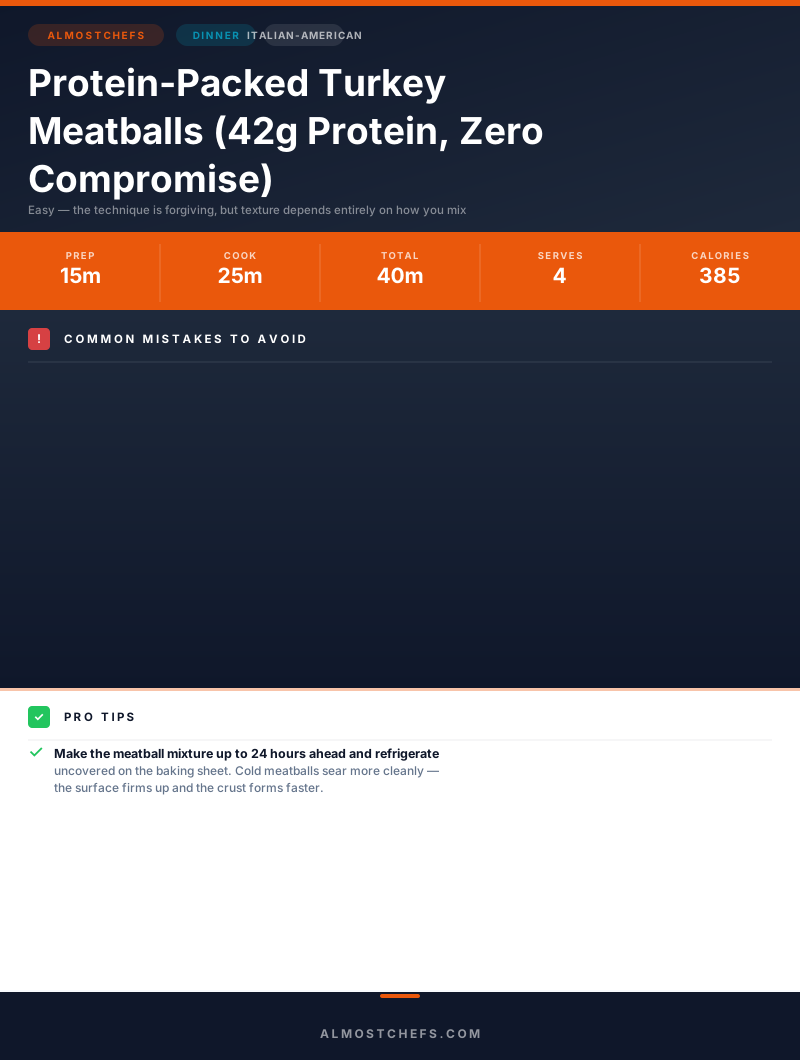
We turned everything on this page into a beautiful, flour-proof PDF cheat sheet. Print it out, stick it to your fridge, and never mess up your protein-packed turkey meatballs (42g protein, zero compromise) again.
*We'll email you the high-res PDF instantly. No spam, just perfectly cooked meals.
AlmostChefs Editorial Team
We translate the internet's most popular cooking videos into foolproof, beginner-friendly written recipes. We analyze multiple methods, test them in our kitchen, and engineer a single "Master Recipe" that gives you the best possible result with the least possible stress.