Skillet Ground Beef & Potatoes (The Weeknight Workhorse)
A hearty one-pan dinner of seasoned ground beef and golden-crusted potatoes cooked together until the fat from the beef bastes every cube of potato into something deeply savory. We reverse-engineered the most-watched YouTube versions to find the exact technique that gets you crispy potatoes without a separate frying step.
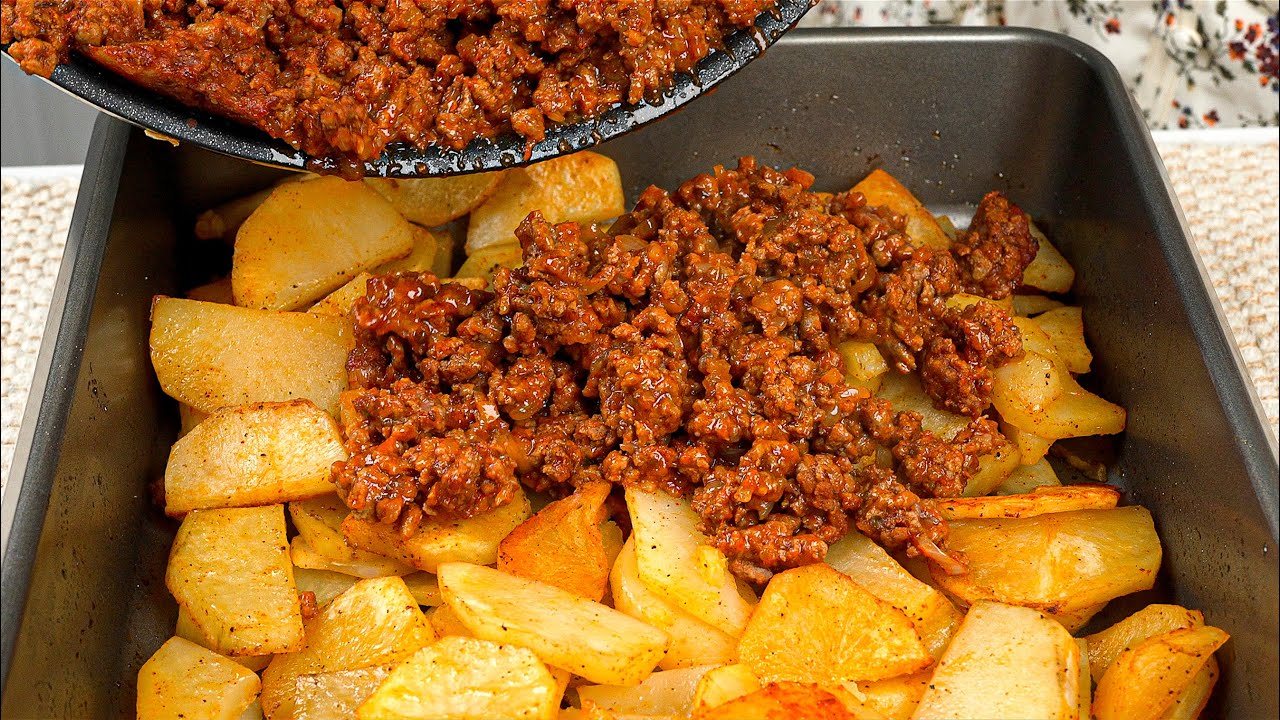
“Ground beef and potatoes should be a guaranteed weeknight win. They're cheap, they're fast, and they're in your kitchen right now. But most versions produce gray, steamed-tasting meat and either undercooked or waterlogged potatoes. The fix is not a new ingredient list. It's sequencing. Cook them separately in the same pan at the right times and the rendered beef fat does all the work — crisping the potatoes from the outside while building a savory crust that no amount of butter could replicate.”
Why This Recipe Works
Ground beef and potatoes is a dish that exists in every culinary tradition on the planet under a different name — hash, picadillo, stovies, batata harra — because it is the purest expression of using cheap, abundant ingredients to create something that genuinely satisfies. The problem with most home versions is that the technique is treated as an afterthought. You throw everything in a pan, apply heat, and call it dinner. The result is edible but forgettable: gray meat, soft potatoes, and a vague seasoned-beef flavor that dissipates the moment the plate cools.
The version that works requires understanding one foundational principle: these two ingredients have different cooking requirements and must be handled separately before being combined. Once you accept that, the rest of the recipe is just execution.
The Fat Economy
Eighty-twenty ground beef is the right choice here, and not just for flavor. The 20% fat content means that as the beef cooks, it renders out a significant volume of liquid gold — beefy, flavorful fat that becomes the cooking medium for your potatoes in the second stage. This is the hidden architecture of the dish. You're not just browning two things in the same pan sequentially. You're using the first ingredient to create the environment in which the second ingredient reaches its full potential.
A leaner blend like 90/10 renders so little fat that you're essentially dry-sautéing the potatoes, which requires more added oil and produces a less complex flavor. The rendered beef fat carries the seasoning differently than olive oil — it's already flavored, already carrying the Maillard compounds from the seared meat, already telling the potatoes what dish they're part of.
Why the Potato Step Comes First
Counter-intuitively, the potatoes go into the pan before the beef. The reason is control. Raw potatoes need 8-10 minutes of high-heat searing to develop a proper crust and cook 80% of the way through. If you add them after the beef, the pan is already coated with fond and residual fat, the temperature has dropped from the moisture in the meat, and the potatoes steam rather than sear.
Starting with the potatoes in clean, hot oil gives you maximum searing efficiency. A 12-inch cast iron skillet is essential here — its thermal mass means that when you add a pound and a half of cold potato cubes, the pan temperature drops briefly but recovers quickly, allowing the crust to form before moisture escape takes over. Thin pans never recover from that temperature drop and you end up with steamed, gray cubes regardless of how long you cook them.
The 80% rule matters: pull the potatoes before they're done. They return to the pan later and finish in the beef fat and broth. If you cook them fully in the first stage, the second stage overcooks them.
Blooming the Spices
The spice combination here — smoked paprika, garlic powder, onion powder, oregano, cayenne — is deliberately front-loaded with fat-soluble flavor compounds. These molecules need fat as a carrier to fully activate and distribute through the dish. Adding them to the pan after the onions and peppers have softened, in the tablespoon of reserved beef fat, allows them to bloom — a 60-second step where the spices heat in fat and release their volatile aromatics before any liquid dilutes them.
Skip the bloom and add spices directly to the broth, and you get spiced broth. Bloom them in fat first and you get a dish where the seasoning is woven into every component. This is the difference between a dish that tastes seasoned and a dish that tastes developed.
The Deglaze
The Worcestershire and beef broth deglaze is a critical step that most home cooks rush or skip. The bottom of the pan after searing beef and potatoes is covered in fond — concentrated, caramelized proteins and sugars that contain more flavor per square centimeter than anything else in this recipe. Adding liquid and scraping those bits loose dissolves them back into the sauce, distributing that concentrated flavor throughout the entire dish. It takes 30 seconds. Do it every time.
The half-cup of broth also serves as the final cooking liquid for the potatoes' last stage, allowing them to steam-finish in a seasoned, beefy environment rather than dry out on direct heat. By the time the broth reduces to almost nothing, the potatoes have absorbed it, the flavors have unified, and the dish is done.
Where Beginners Mess This Up
Before we start, read this. These are the 4 reasons your skillet ground beef & potatoes (the weeknight workhorse) will fail:
- 1
Adding potatoes to the pan before they're dried: Surface moisture on freshly cut potatoes creates steam in the pan, which prevents browning entirely. Pat the cubes dry with a paper towel before they hit the heat. Wet potato plus hot fat equals a gray, soft cube that sticks to everything. Dry potato plus hot fat equals a golden crust.
- 2
Crowding the pan: Every extra cube of potato in the pan competes for surface contact with the hot metal. Crowd the pan and you get braised potatoes, not seared ones. A 12-inch skillet comfortably holds 1.5 pounds of potatoes in a single layer. Beyond that, use two pans or cook in batches.
- 3
Breaking up the beef too early: Ground beef needs 2-3 minutes of undisturbed contact with the hot pan before you start breaking it apart. Move it immediately and you get tiny gray pellets that lack the textural contrast of larger crumbled chunks. Let it sear, then break it.
- 4
Not draining enough fat: Regular ground beef (80/20) renders a significant amount of fat. Leaving all of it in the pan makes the finished dish greasy and mutes the seasoning. Drain off most of the fat, but leave about a tablespoon — that remaining fat carries flavor and helps re-crispen the potatoes in the final step.
The Video Reference Library
Want to see it in action? Here are the exact videos we analyzed and combined to build this foolproof recipe translation:
The source video for this recipe. Clear technique for the two-stage cooking method and useful close-ups of the sear you're aiming for on both the beef and potatoes.
A focused breakdown of the fat-management technique — when to drain, how much to leave, and why it matters for the final texture of the potatoes.
Demonstrates the crowding problem clearly with a side-by-side comparison. Good reference for understanding pan size relative to ingredient volume.
🛠️ Core Equipment
- 12-inch cast iron or stainless steel skilletHigh heat retention is what creates the sear on both the beef and potatoes. Non-stick pans can't get hot enough without degrading, and a thin pan creates hot spots. Cast iron is the ideal tool for this specific dish.
- Splatter screenGround beef at high heat in a pan with potatoes produces aggressive splattering. A splatter screen lets steam escape without covering your stovetop in rendered beef fat.
- Slotted spoon or fish spatulaFor scooping the beef out while leaving fat behind, and for flipping the potato cubes without smashing them. A fish spatula gets under the crust cleanly without breaking it.
- Paper towelsFor drying the potato cubes before cooking. This single step is the difference between a crispy result and a steamed one.
Skillet Ground Beef & Potatoes (The Weeknight Workhorse)
🛒 Ingredients
- ✦1.5 pounds Yukon Gold potatoes, cut into 3/4-inch cubes
- ✦1 pound 80/20 ground beef
- ✦1 medium yellow onion, diced
- ✦4 cloves garlic, minced
- ✦1 red bell pepper, diced
- ✦2 tablespoons olive oil
- ✦1 teaspoon smoked paprika
- ✦1 teaspoon garlic powder
- ✦1/2 teaspoon onion powder
- ✦1/2 teaspoon dried oregano
- ✦1/4 teaspoon cayenne pepper
- ✦1 teaspoon Worcestershire sauce
- ✦1/2 cup beef broth
- ✦2 tablespoons fresh parsley, chopped
- ✦Kosher salt and freshly ground black pepper to taste
👨🍳 Instructions
01Step 1
Cut the potatoes into 3/4-inch cubes and pat completely dry with paper towels. Season generously with salt and pepper.
02Step 2
Heat 2 tablespoons olive oil in a 12-inch cast iron skillet over medium-high heat until shimmering. Add the potato cubes in a single layer without crowding.
03Step 3
Cook potatoes undisturbed for 4-5 minutes until a deep golden crust forms on the bottom. Flip and cook another 4-5 minutes on the second side. Transfer to a plate — they will be about 80% cooked at this point.
04Step 4
In the same skillet over medium-high heat, add the ground beef in a single layer. Let it cook undisturbed for 2-3 minutes until the bottom side is seared and brown before breaking it apart.
05Step 5
Break the beef into crumbles and continue cooking until no pink remains, about 4 more minutes. Drain off most of the rendered fat, leaving about 1 tablespoon in the pan.
06Step 6
Add the diced onion and red bell pepper to the beef. Cook over medium heat for 4-5 minutes until softened and the onion turns translucent.
07Step 7
Add the minced garlic, smoked paprika, garlic powder, onion powder, oregano, and cayenne. Stir continuously for 60 seconds until the spices bloom in the residual fat.
08Step 8
Deglaze with Worcestershire sauce and beef broth, scraping up any browned bits from the bottom of the pan. These bits are pure flavor.
09Step 9
Return the par-cooked potatoes to the pan. Stir to combine everything and cook over medium heat for 5-7 minutes until the broth is mostly absorbed and the potatoes are cooked through and have picked up color from the beef.
10Step 10
Taste and adjust seasoning. Finish with fresh parsley and serve directly from the pan.
Nutrition Per Serving
Estimates based on standard preparation. Adjustments alter macros.
🔄 Substitutions
Instead of Ground beef...
Use Ground turkey or ground lamb
Ground turkey is much leaner — add an extra tablespoon of olive oil to compensate for the reduced fat. Ground lamb adds a richer, more complex flavor and renders more fat than beef.
Instead of Yukon Gold potatoes...
Use Sweet potatoes
Cut into the same 3/4-inch cubes. Sweet potatoes caramelize more aggressively and pair well with the smoked paprika and cayenne. They cook slightly faster — reduce skillet time by 2 minutes per side.
Instead of Beef broth...
Use Chicken broth or water with a splash of soy sauce
Chicken broth works seamlessly. The soy sauce addition to water replicates some of the umami depth that beef broth provides.
Instead of Smoked paprika...
Use Regular paprika plus 1/4 teaspoon chipotle powder
The chipotle adds the smoky note that smoked paprika provides. Use cautiously — chipotle is significantly hotter than smoked paprika.
🧊 Storage & Reheating
In the Fridge
Store in an airtight container for up to 4 days. The flavors deepen overnight as the seasoning fully permeates the potatoes.
In the Freezer
Freeze in a sealed container for up to 3 months. The potatoes lose some texture after freezing but remain flavorful. Best used in a hash or breakfast scramble after thawing.
Reheating Rules
Reheat in a dry skillet over medium-high heat for 5-7 minutes, stirring occasionally. The direct pan heat re-crisps the potatoes far better than a microwave, which steams everything soft.
❓ Frequently Asked Questions
Why are my potatoes soggy instead of crispy?
Two likely causes: you didn't dry them before cooking, or you crowded the pan. Surface moisture creates steam that prevents browning. A crowded pan also drops the pan temperature and traps steam. Dry the cubes thoroughly and give each piece room to breathe.
Can I use frozen potatoes?
Frozen diced potatoes (like the kind sold for breakfast hash) work in a pinch, but they're pre-cooked and won't develop the same crust. Thaw and dry them thoroughly before using, and reduce the skillet time to avoid turning them to mush.
Do I have to drain the beef fat?
You should drain most of it, but not all. An 80/20 blend in 1 pound of beef will render 3-4 tablespoons of fat. Leaving all of it produces a greasy, heavy dish. Drain to about 1 tablespoon — enough to carry flavor without overwhelming the finished plate.
What's the best way to dice potatoes evenly?
Cut each potato into planks first, then stack the planks and cut into sticks, then crosswise into cubes. This three-cut method produces far more consistent cubes than trying to attack a round potato freehand.
Can I add cheese?
Yes. Shredded sharp cheddar or pepper jack added in the final 2 minutes, with a lid on the pan to trap heat, melts cleanly over the finished dish. Don't stir it in — let it melt on top for the best texture.
My beef is browning unevenly — what am I doing wrong?
The pan isn't hot enough, or you're moving the meat too soon. Let the pan come fully up to temperature before adding the beef, and don't break it apart until the bottom side has formed a visible sear. Steam escaping from the meat is a sign it needs more time before you touch it.

The Science of
Skillet Ground Beef & Potatoes (The Weeknight Workhorse)
We turned everything on this page into a beautiful, flour-proof PDF cheat sheet. Print it out, stick it to your fridge, and never mess up your skillet ground beef & potatoes (the weeknight workhorse) again.
*We'll email you the high-res PDF instantly. No spam, just perfectly cooked meals.
AlmostChefs Editorial Team
We translate the internet's most popular cooking videos into foolproof, beginner-friendly written recipes. We analyze multiple methods, test them in our kitchen, and engineer a single "Master Recipe" that gives you the best possible result with the least possible stress.